.webp)


Diabetes is no longer just about sugar intake or lack of exercise. Researchers now know that what happens inside the gut plays a major role in how the body handles insulin. One of the most exciting areas of diabetes research focuses on gut-derived molecules and their ability to improve insulin sensitivity. This raises an important question. Can a gut molecule help fight insulin resistance in diabetes?
Understanding Insulin Resistance in Simple Terms
Insulin resistance occurs when the body’s cells stop responding properly to insulin. As a result:
- Glucose stays in the blood instead of entering cells
- Blood sugar levels rise
- The pancreas works harder to produce more insulin
- Over time, this leads to type 2 diabetes
Many people believe insulin resistance is only caused by excess weight or inactivity. But recent studies show the gut has a powerful influence on insulin action.
The Gut and Diabetes Connection
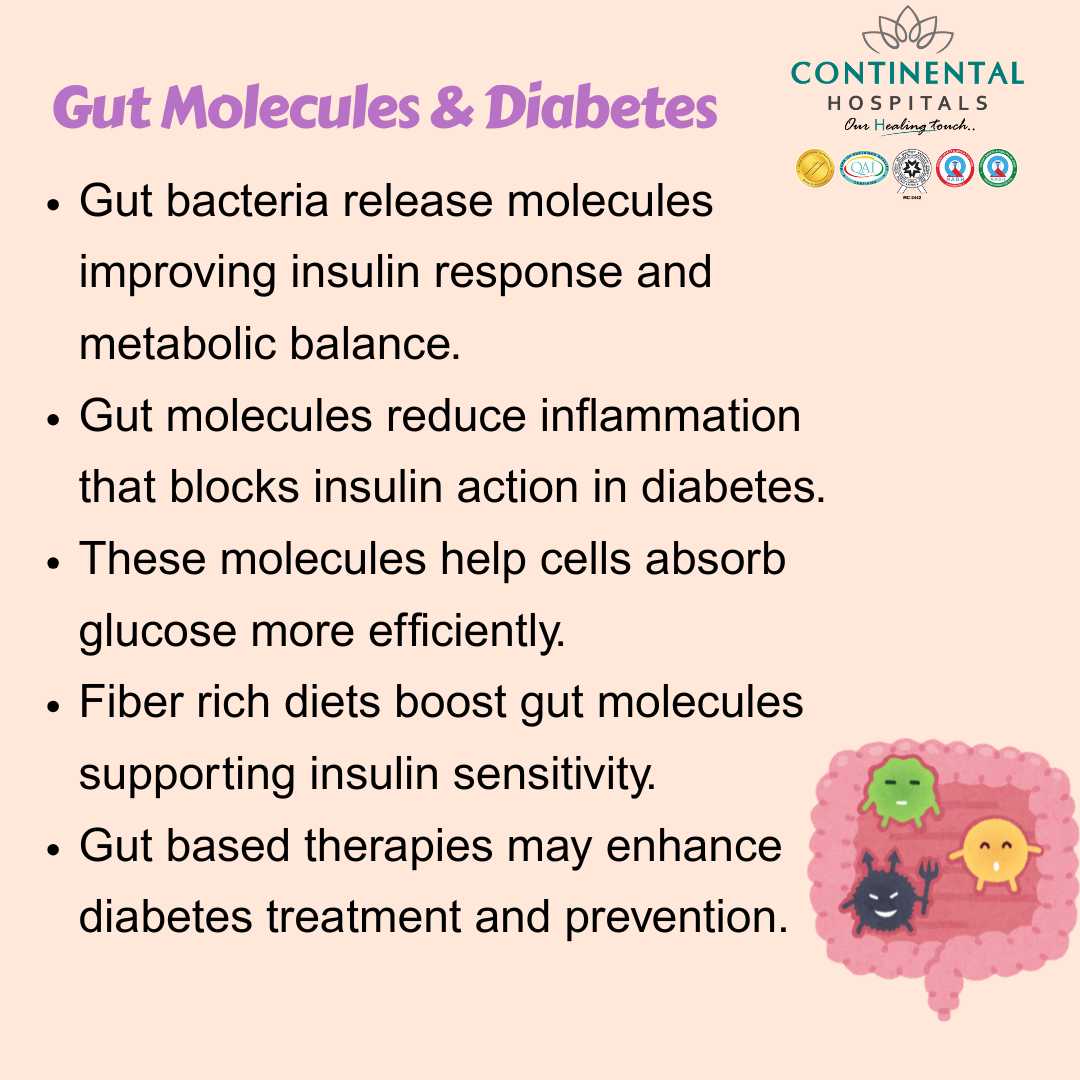
The human gut is home to trillions of bacteria. These bacteria are not just passive residents. They actively produce chemicals that communicate with the brain, liver, muscles, and pancreas.
Some of these chemicals are known as gut-derived molecules or metabolites. They can either improve or worsen insulin sensitivity.
Key gut-related factors linked to diabetes include:
- Imbalance of gut bacteria
- Inflammation originating from the gut
- Changes in gut hormones
- Altered production of beneficial gut molecules
This is where the idea of a gut molecule helping insulin resistance becomes important.
What Is a Gut Molecule?
A gut molecule is a substance produced by gut bacteria when they break down food, especially dietary fiber. These molecules travel through the bloodstream and influence many body systems.

One important group of gut molecules is short-chain fatty acids.
Examples of beneficial gut molecules include:
- Butyrate
- Propionate
- Acetate
These molecules are produced when healthy gut bacteria ferment fiber-rich foods.
How Gut Molecules Improve Insulin Sensitivity?
Research suggests that certain gut molecules help fight insulin resistance through multiple mechanisms.
They reduce inflammation
Chronic inflammation is a key driver of insulin resistance. Gut molecules like butyrate help calm inflammation in the gut and throughout the body.
They improve insulin signaling
These molecules help cells respond better to insulin, allowing glucose to move from the blood into tissues efficiently.
They support gut barrier function
A healthy gut lining prevents harmful toxins from entering the bloodstream. When the gut barrier is strong, insulin resistance reduces.
They regulate appetite hormones
Gut molecules influence hormones that control hunger and fullness, helping prevent overeating and weight gain.
They support liver and muscle metabolism
Improved gut signaling helps the liver and muscles use glucose more effectively.
Why Fiber Intake Matters So Much?
Gut molecules are not produced automatically. They depend heavily on diet.
Fiber is the main fuel for good gut bacteria. Without enough fiber, beneficial gut molecules decrease.
Fiber-rich foods that support gut molecules include:
- Whole grains
- Vegetables
- Fruits
- Legumes
- Nuts and seeds
Low-fiber diets can reduce gut molecule production and worsen insulin resistance.
Is This a Cure for Diabetes?
This is an important question. Gut molecules do not replace diabetes treatment, but they support better control.
They work best when combined with:
- Balanced nutrition
- Physical activity
- Weight management
- Proper medical care
Gut health is now seen as an important pillar of diabetes management, not a replacement for treatment.
Who Can Benefit Most from Improving Gut Health?
Improving gut molecule activity may help:
- People with insulin resistance
- Individuals with prediabetes
- Patients with type 2 diabetes
- People with obesity or fatty liver disease
- Those with digestive issues linked to diabetes
However, gut-focused strategies should always be guided by doctors, especially for people on diabetes medications.
Signs Your Gut Health May Be Affecting Blood Sugar
Some warning signs include:
- Unstable blood sugar levels despite treatment
- Frequent bloating or digestive discomfort
- Fatigue after meals
- Difficulty losing weight
- Ongoing inflammation markers in blood tests
If you notice these symptoms, could your gut be playing a role?
Medical Advances and Gut-Based Diabetes Care
Doctors are now exploring therapies that target gut bacteria and gut molecules. These include:
- Diet-based interventions
- Targeted probiotics
- Prebiotic fiber therapy
- Hormone-based treatments influenced by gut signals
These advances show how closely gut health and diabetes are connected.
When Should You See a Doctor?
You should consult a doctor if you:
- Have diabetes but struggle with sugar control
- Have insulin resistance despite lifestyle changes
- Experience digestive symptoms along with diabetes
- Have a family history of metabolic disorders
Early medical guidance helps prevent long-term complications.
Why Choose Continental Hospitals?
Continental Hospitals is recognized as one of the best hospital in Hyderabad, known for advanced, patient-centered care. Diabetes management here goes beyond routine sugar checks.
What sets Continental Hospitals apart?
- Multidisciplinary diabetes care involving endocrinologists, gastroenterologists, and nutrition experts
- Evidence-based treatment aligned with global clinical guidelines
- Advanced diagnostic facilities for metabolic and gut-related disorders
- Strong focus on prevention, education, and long-term health outcomes
- International healthcare accreditations reflecting quality, safety, and excellence
Patients benefit from a holistic approach that addresses insulin resistance, gut health, lifestyle factors, and complications under one roof.
Conclusion
So, can a gut molecule help fight insulin resistance in diabetes? Research strongly suggests yes. Gut-derived molecules play a powerful role in reducing inflammation, improving insulin sensitivity, and supporting metabolic health.
While they are not a cure, they open new possibilities in diabetes care when combined with medical treatment and lifestyle changes. Paying attention to gut health is no longer optional in diabetes management. It is essential.
If you suffer from insulin resistance, uncontrolled diabetes, or metabolic complications, do not ignore the signs. Early expert care can make a real difference.
Consult our best Endocrinologist or Diabetologist at Continental Hospitals to understand how advanced diabetes care, nutrition guidance, and gut-focused strategies can help you achieve better control and long-term health.