.webp)


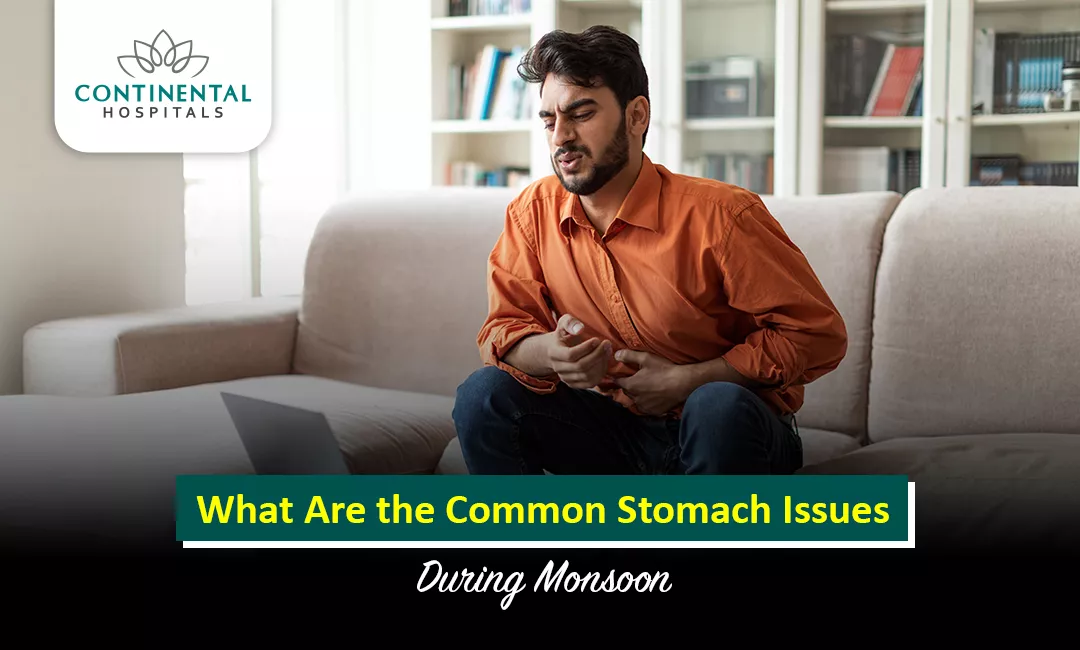
Upper stomach pain after eating is a common problem that many people experience at some point. The discomfort usually appears in the upper middle part of the abdomen, also called the epigastric region. For some, it feels like burning or heaviness. For others, it may be sharp pain, bloating, or nausea after meals. While occasional stomach pain after meals can be harmless, frequent or severe pain should not be ignored.
What Is Upper Stomach Pain After Eating?
Upper stomach pain after eating refers to discomfort felt just below the ribs, often in the center or slightly to the right or left. This area contains important digestive organs such as the stomach, pancreas, liver, and gallbladder. Pain in this region is often linked to digestion and the type or timing of meals.
Many patients search for answers using terms like upper stomach pain after eating, stomach pain after meals, or epigastric pain causes. Understanding the reason behind the pain is the first step toward relief.
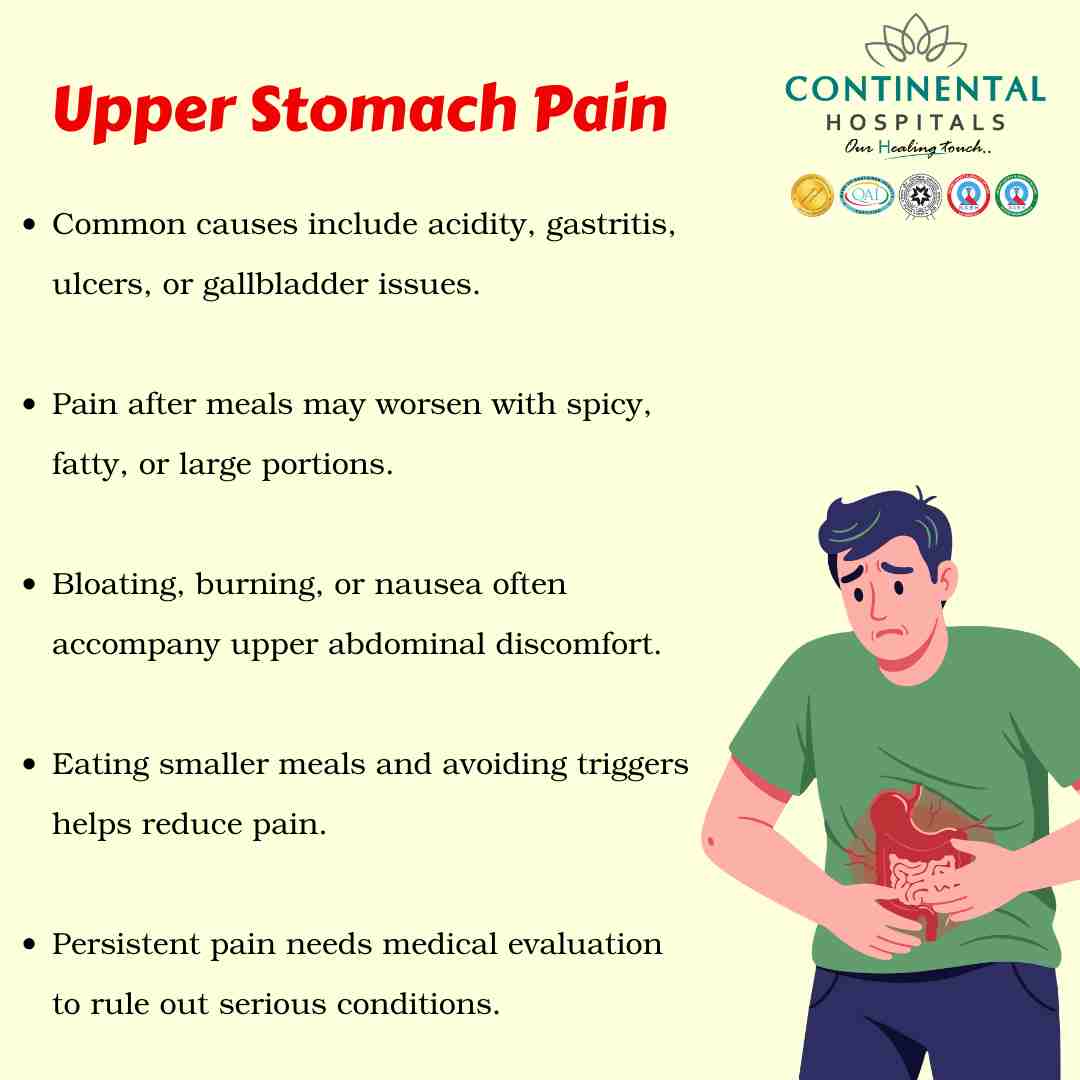
Common Causes of Upper Stomach Pain After Eating
1. Acidity and Acid Reflux
Acidity stomach pain is one of the most common reasons for discomfort after meals. It occurs when excess stomach acid irritates the stomach lining or flows back into the food pipe.
Symptoms include:
- Burning sensation in the upper abdomen or chest
- Sour taste in the mouth
- Pain that worsens after spicy or oily food
2. Gastritis
Gastritis means inflammation of the stomach lining. Gastritis symptoms often appear after eating and may worsen on an empty stomach or after heavy meals.
Common signs:
- Upper stomach pain after eating
- Nausea or vomiting
- Feeling full quickly
3. Indigestion
Indigestion after eating is another frequent cause. It usually happens due to overeating, eating too fast, or consuming rich foods.

Symptoms may include:
- Bloating and discomfort
- Mild stomach pain after meals
- Burping or gas
4. Gallbladder Problems
Gallbladder pain after food often occurs after fatty meals. Gallstones can block bile flow, leading to pain in the upper right abdomen.
Typical features:
- Pain after oily or fried foods
- Pain spreading to the back or right shoulder
- Nausea
5. Peptic Ulcer Disease
Ulcers are open sores in the stomach or upper intestine. They can cause sharp or burning epigastric pain after meals or a few hours later.
Warning signs include:
- Persistent upper stomach pain
- Pain relieved or worsened by food
- Black stools or vomiting in severe cases
6. Pancreatic Issues
Problems related to the pancreas may cause upper abdominal pain that appears after eating and radiates to the back. This needs urgent medical evaluation.
Risk Factors That Can Worsen Pain After Meals
Certain habits increase the risk of digestive problems after eating. These include:
- Eating large or late-night meals
- Frequent intake of spicy, oily, or processed foods
- Excess tea or coffee consumption
- Stress and irregular meal timings
- Long-term painkiller use
Simple Remedies for Upper Stomach Pain After Eating
For mild and occasional pain, lifestyle changes and home care can help. These abdominal pain remedies focus on improving digestion and reducing irritation.
Dietary Tips
- Eat smaller, frequent meals
- Avoid very spicy, oily, and acidic foods
- Reduce carbonated drinks and caffeine
- Include fiber-rich foods for better digestion
Eating Habits
- Eat slowly and chew food well
- Do not lie down immediately after meals
- Maintain a gap of at least two hours between dinner and sleep
Lifestyle Changes
- Manage stress with relaxation techniques
- Maintain a healthy body weight
- Avoid smoking and alcohol
These steps can reduce indigestion after eating and prevent recurring stomach pain after meals.
When Should You See a Doctor?
Not all digestive pain is harmless. You should consult a specialist if you notice:
- Upper stomach pain after eating that lasts for several days
- Pain that becomes severe or frequent
- Unexplained weight loss
- Vomiting, black stools, or blood in vomit
- Difficulty swallowing or persistent acidity
These signs may point to serious digestive problems after eating that need medical attention.
How Doctors Diagnose the Cause?
Doctors first listen to your symptoms and eating habits. Based on the findings, they may suggest:
- Blood tests
- Ultrasound or imaging scans
- Endoscopy to check the stomach lining
Early diagnosis helps treat epigastric pain causes effectively and prevents complications.
Treatment Options Available
Treatment depends on the underlying cause. Doctors may recommend:
- Medicines to reduce stomach acid
- Treatment for infections like Helicobacter pylori
- Gallbladder or ulcer management
- Diet and lifestyle counseling
The goal is to relieve pain, heal the digestive tract, and prevent recurrence.
Why Choose Continental Hospitals?
Continental Hospitals is recognized as one of the best hospitals in Hyderabad for digestive health care. Patients trust the hospital for accurate diagnosis, ethical treatment, and advanced medical support.
Key reasons to choose Continental Hospitals:
- Experienced gastroenterologists and digestive specialists
- Advanced diagnostic facilities under one roof
- International standards of patient safety and care
- NABH and JCI accreditations ensuring global quality benchmarks
- Patient-focused approach with clear communication and guidance
The hospital follows evidence-based practices to manage acidity stomach pain, gastritis symptoms, gallbladder pain after food, and other digestive conditions.
Conclusion
Upper stomach pain after eating is often linked to common digestive issues like acidity, gastritis, or indigestion. While simple lifestyle changes can help in mild cases, persistent or severe pain should never be ignored. Early medical evaluation ensures proper treatment and long-term relief.
If you are experiencing upper stomach pain after eating, book a consultation with our best gastroenterology specialists at Continental Hospitals, Hyderabad. Timely diagnosis and expert treatment can help you return to comfortable, healthy eating and better digestive health.