.webp)


Healthy eating habits play a crucial role in overall wellness. One of the most common questions people ask is whether it is better to eat small meals frequently throughout the day or to stick to fewer, larger meals. The answer is not one-size-fits-all. The ideal approach depends on your body, lifestyle, and health goals. Understanding how small and big meals affect digestion, energy, metabolism, weight management, and overall health can help you make the right choice.
Understanding Small Meals and Big Meals
Small meals generally refer to eating smaller portions more often, often five to six times a day. These meals are typically light but nutrient-rich. Big meals, on the other hand, usually involve consuming two or three larger meals with longer gaps in between.
Both approaches can be healthy when planned carefully. Each has its own benefits and potential drawbacks. Recognizing how your body responds to meal size can improve digestion, energy levels, and overall well-being.
Benefits of Eating Small Meals
Eating small, frequent meals offers several advantages, especially for certain groups of people.
Stable Blood Sugar Levels
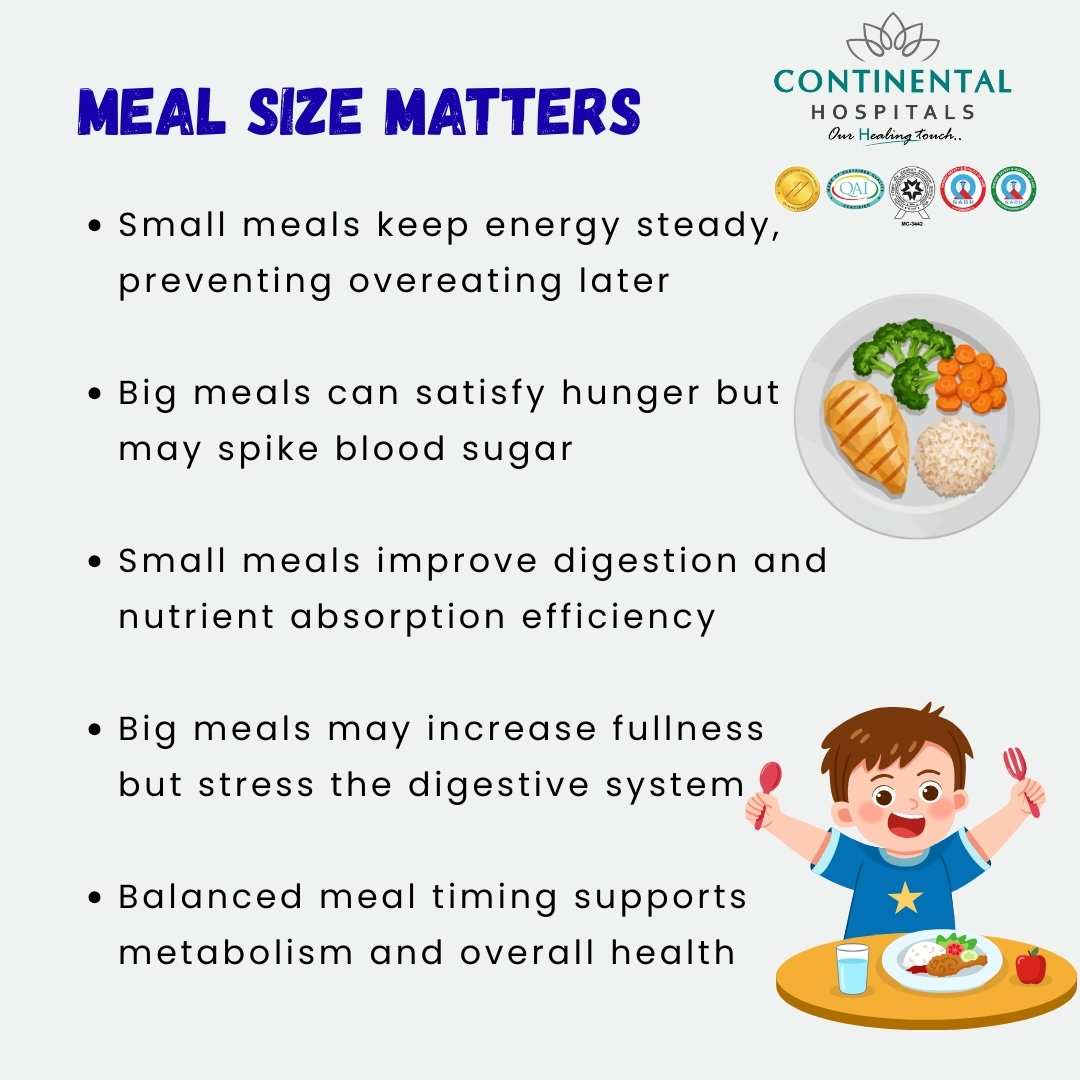
Small meals help maintain consistent blood sugar levels, preventing sudden spikes and crashes. This is particularly important for people with diabetes or anyone prone to energy dips and irritability when skipping meals.
Better Digestion
Eating smaller portions makes digestion easier. The stomach can process food more efficiently, reducing bloating, heaviness, and discomfort.
Improved Energy and Focus
Frequent nourishment keeps the body and brain fueled. This can support concentration, productivity, and endurance throughout the day.
Helps Control Hunger
Regular small meals can reduce intense hunger, lowering the risk of overeating or binge eating during main meals.

Supports Certain Health Conditions
Individuals with acid reflux, gastritis, or other digestive sensitivities often feel more comfortable with smaller meals. It can also be helpful during recovery from illness when the digestive system is sensitive.
Supports Weight Management
For some people, eating small meals can prevent overeating by keeping hunger in check. Smaller portions spread throughout the day may make calorie control easier.
Drawbacks of Eating Small Meals
Although small meals have many benefits, they may not be ideal for everyone.
• Requires careful planning to avoid frequent unhealthy snacking
• Can increase total calorie intake if portions are not monitored
• May be inconvenient for people with busy schedules
• Risk of dependence on snacks rather than balanced meals
Benefits of Eating Big Meals
Eating fewer but larger meals also has several advantages.
Longer Satiety
A well-balanced large meal keeps you full for longer periods. Meals rich in protein, fiber, and healthy fats provide lasting energy and reduce frequent snacking.
Simpler Eating Routine
Fewer meals can be easier to plan and manage, especially for those with busy lifestyles.
May Support Metabolic Health
Some studies suggest that allowing longer intervals between meals may improve insulin sensitivity for certain individuals.
Cultural and Lifestyle Fit
Many cultures thrive on two or three structured meals a day without compromising health. This approach aligns with traditional eating patterns and social routines.
Reduces Constant Snacking
Eating fewer, larger meals may limit the temptation to snack frequently on processed foods or sugary treats.
Drawbacks of Eating Big Meals
Large meals may not work for everyone and can sometimes cause discomfort.
- Can lead to bloating, heaviness, or indigestion
- May result in energy dips after eating
- Not ideal for people with acid reflux, gastritis, or digestive sensitivities
- Can trigger overeating if portions are not controlled
Meal Size and Weight Management
When it comes to weight control, total calorie intake and food quality are far more important than meal size. Both small and big meals can support a healthy weight if the calories consumed match your energy needs.
Small meals may help those who struggle with portion control and excessive hunger between meals. Big meals may suit those who prefer structured eating patterns and can manage longer gaps without feeling deprived.
Eating nutrient-dense foods, whether in small or big meals, is essential. Focus on including lean proteins, whole grains, fruits, vegetables, and healthy fats while minimizing refined sugars and processed foods.
Myth About Small Meals and Metabolism
Many people believe that eating small meals boosts metabolism. Research shows that metabolism depends mainly on total caloric intake and macronutrient balance, not the frequency of meals. Both small and big meals can support metabolic health if balanced and nutrient-rich.
Who Should Prefer Small Meals?
Small meals are often beneficial for:
- Individuals with diabetes or blood sugar concerns
- Those with digestive sensitivity, acid reflux, or gastritis
- Pregnant women experiencing nausea
- People with high energy requirements or active lifestyles
- Individuals aiming for steady energy levels and mood stability
Who May Benefit from Big Meals?
Larger meals may suit:
- People with stable blood sugar
- Those who prefer structured meal timings
- Individuals who feel satisfied with fewer meals
- Busy professionals who cannot eat frequently
- People who dislike constant snacking
Key Factors to Consider
Instead of focusing solely on meal size, consider:
- Nutrient balance in each meal
- Portion control
- Daily physical activity level
- Sleep and stress management
- Individual health conditions and digestive patterns
Listening to your body’s hunger and fullness signals is crucial. Overeating, skipping meals, or eating too frequently can affect digestion, energy, and overall health.
Tips for Healthy Eating Regardless of Meal Size
- Include protein, fiber, and healthy fats in every meal
- Prioritize fruits and vegetables for vitamins and antioxidants
- Stay hydrated throughout the day
- Practice mindful eating and avoid distractions while eating
- Limit processed foods and added sugars
- Adjust meal size based on activity levels and lifestyle needs
Conclusion
There is no universal rule about whether small meals or big meals are healthier. The right approach depends on your body, lifestyle, and personal health needs. Small meals work best for some, while others thrive on larger, structured meals.
If you struggle with digestive issues, blood sugar fluctuations, or weight management, consult our top nutrition specialist or dietitian at Continental Hospitals. Our experts provide personalized guidance, clinical assessments, and support for healthy eating habits tailored to your lifestyle and health goals.
Continental Hospitals, recognized as one of the best hospitals in Hyderabad, ensures world-class care with international-standard accreditations, experienced specialists, and patient-focused services. Prioritize your health today by seeking expert guidance for personalized nutrition and well-being.