post-title

Impact of Nutrition on Cognitive Function

Written by - Editorial Team
Medically Reviewed by - Dr M K Singh

Nutrition plays a vital role not only in our physical health but also in the functioning of our brain. The food choices we make can significantly impact cognitive abilities such as memory, concentration, and overall mental clarity. In this comprehensive guide, we will explore how various nutrients and dietary patterns influence cognitive function and what steps you can take to support optimal brain health through nutrition.

What is cognitive function and why is it important?

Cognitive function refers to various mental processes that enable us to think, learn, remember, and problem-solve. These functions are supported by complex interactions within the brain's neural networks, neurotransmitters, and cellular structures. As we age, maintaining cognitive function becomes increasingly important for quality of life and independence.

What are the essential nutrients for brain health?

Omega-3 Fatty Acids: Omega-3s, particularly EPA (eicosapentaenoic acid) and DHA (docosahexaenoic acid), are crucial for brain health. They contribute to the structure of brain cell membranes, promote neuroplasticity (the brain's ability to form new connections), and have anti-inflammatory effects.

Antioxidants: Antioxidants such as vitamins C and E, beta-carotene, and flavonoids help protect brain cells from oxidative stress and inflammation, which can contribute to cognitive decline.

B Vitamins: B vitamins, including B6, B12, and folic acid (B9), play key roles in synthesizing neurotransmitters that are essential for cognitive function. They also help regulate homocysteine levels, high levels of which are linked to cognitive impairment.

Vitamin D: Vitamin D receptors are found throughout the brain, and adequate levels of vitamin D are associated with better cognitive function and a lower risk of neurodegenerative diseases.

Minerals: Minerals such as iron, zinc, magnesium, and selenium are involved in various biochemical processes in the brain that support cognitive function, including neurotransmitter synthesis and antioxidant defense.

Visit our best neuro doctor hyderabad for expert evaluation, personalized care, and advanced treatment to support your brain health at every stage of life.

How do specific diets affect cognitive function?

Mediterranean Diet: This diet emphasizes fruits, vegetables, whole grains, fish, nuts, and healthy fats such as olive oil. Research suggests that the Mediterranean diet is associated with better cognitive function, reduced risk of cognitive decline, and a lower incidence of Alzheimer's disease.

Second Opinion

DASH Diet (Dietary Approaches to Stop Hypertension): The DASH diet focuses on reducing sodium intake while emphasizing fruits, vegetables, whole grains, and lean proteins. Studies indicate that adherence to the DASH diet may improve cognitive function, particularly in older adults.

Ketogenic Diet: The ketogenic diet is high in fats, moderate in protein, and very low in carbohydrates. It has been studied for its potential benefits in epilepsy treatment and may also have neuroprotective effects that could benefit cognitive function, although more research is needed in this area.

What foods support cognitive function?

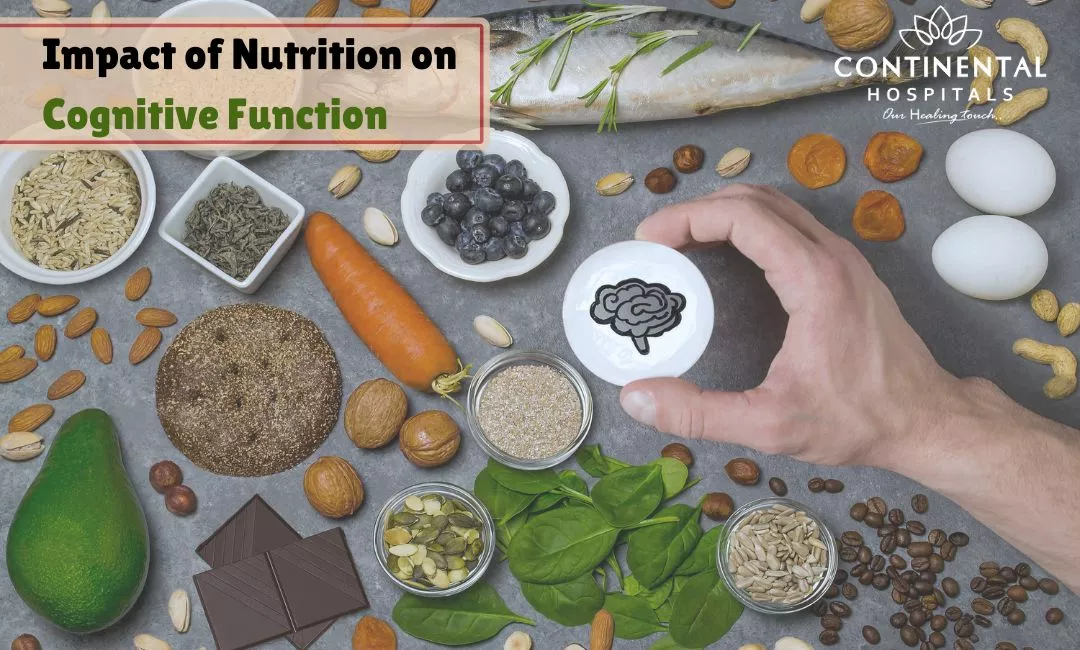
Fatty Fish: Salmon, trout, and sardines are rich sources of omega-3 fatty acids, particularly DHA. Consuming fatty fish regularly is associated with better cognitive function and a reduced risk of cognitive decline.

Berries: Blueberries, strawberries, and other berries are rich in antioxidants, including flavonoids. These compounds have been shown to improve communication between brain cells, enhance plasticity, and protect against oxidative stress.

Leafy Green Vegetables: Spinach, kale, and other leafy greens are excellent sources of vitamins C and E, as well as folate and other B vitamins. These nutrients support cognitive function by reducing inflammation and oxidative stress.

Nuts and Seeds: Walnuts, almonds, flaxseeds, and chia seeds are rich in omega-3s, antioxidants, and other nutrients that support brain health. They can be incorporated into meals or enjoyed as snacks to boost cognitive function.

Whole Grains: Whole grains like oatmeal, brown rice, and quinoa provide a steady supply of glucose, the brain's primary energy source. Choosing whole grains over refined grains supports stable blood sugar levels and sustained cognitive function.

Need an Appointment?

What lifestyle factors support brain health?

Hydration: Proper hydration is essential for optimal cognitive function. Even mild dehydration can impair concentration, memory, and overall cognitive performance.

Physical Activity: Regular exercise promotes blood flow to the brain, stimulates the release of growth factors that support brain health, and reduces the risk of chronic conditions that can impair cognitive function.

Sleep: Quality sleep is crucial for cognitive function, memory consolidation, and overall brain health. Aim for 7-9 hours of sleep per night to support optimal cognitive performance.

Stress Management: Chronic stress can have detrimental effects on the brain, including impaired memory and cognitive function. Practicing stress-reducing techniques such as mindfulness meditation, deep breathing, and yoga can support brain health.

What Are the Best Nutrition Tips to Enhance Cognitive Function?

Eat a Balanced Diet: Include a variety of nutrient-dense foods in your diet to ensure you're getting essential vitamins, minerals, and antioxidants that support brain health.

Limit Sugar and Processed Foods: Diets high in sugar and processed foods have been linked to cognitive decline and may contribute to inflammation and oxidative stress in the brain.

Stay Hydrated: Drink plenty of water throughout the day to support cognitive function and overall brain health.

Consider Supplements: If you have specific nutrient deficiencies or dietary restrictions, talk to your healthcare provider about whether supplements such as omega-3s or vitamin D may be beneficial for cognitive function.

Engage in Mental Stimulation: Keep your brain active with activities like puzzles, reading, learning new skills, and socializing, which promote neuroplasticity and cognitive reserve.

Conclusion

Nutrition plays a pivotal role in maintaining optimal cognitive function and supporting brain health throughout life. By making informed food choices and adopting healthy eating habits, you can enhance memory, concentration, and overall mental clarity. Combine a nutrient-rich diet with regular physical activity, adequate sleep, and stress management techniques to promote lifelong brain health. Remember, what you eat today can significantly impact your cognitive abilities and quality of life tomorrow. Consult our Best Neurologist in Hyderabad

Related Blogs:

  1. Mental Exercises for Brain Fitness

Frequently Asked Questions

Nutrition plays a vital role in maintaining healthy brain function throughout life. The brain requires a steady supply of nutrients to support memory, concentration, learning, and decision-making. Essential vitamins, minerals, healthy fats, proteins, and antioxidants help brain cells communicate efficiently. Poor nutrition can reduce mental clarity, increase fatigue, and negatively impact cognitive performance. Diets rich in fruits, vegetables, whole grains, nuts, seeds, and lean proteins support healthy brain activity. Omega-3 fatty acids help maintain nerve cell structure and function. Antioxidants protect brain cells from oxidative stress. Proper hydration is equally important for focus and alertness. Balanced meals help regulate blood sugar levels, preventing energy crashes that affect concentration. Healthy eating habits may also reduce the long-term risk of cognitive decline. Combined with regular exercise, quality sleep, and stress management, proper nutrition contributes significantly to optimal brain health and lifelong cognitive function.
Several nutrients are essential for maintaining healthy cognitive function. Omega-3 fatty acids support brain cell membranes and communication between neurons. B vitamins, including B6, B12, and folate, help produce neurotransmitters and maintain nerve health. Vitamin D supports overall brain function and neurological health. Vitamin E acts as an antioxidant that protects brain cells from damage. Iron helps transport oxygen to the brain, while zinc supports memory and learning processes. Magnesium contributes to healthy nerve signaling and cognitive performance. Protein provides amino acids needed to produce neurotransmitters that regulate mood and thinking. Antioxidants from colorful fruits and vegetables help reduce inflammation and oxidative stress. A balanced diet containing these nutrients promotes healthy memory, concentration, and mental performance while supporting long-term brain health.
Yes, poor nutrition can negatively affect memory, concentration, and overall cognitive performance. Diets lacking essential nutrients may impair communication between brain cells and reduce mental efficiency. Frequent consumption of processed foods high in sugar and unhealthy fats may increase inflammation and oxidative stress in the brain. Vitamin B12 deficiency can contribute to memory impairment and confusion. Iron deficiency may reduce oxygen delivery to the brain, causing poor concentration and fatigue. Inadequate hydration can also affect short-term memory and attention. Skipping meals may lead to unstable blood sugar levels that reduce mental alertness. Long-term nutritional deficiencies may increase the risk of age-related cognitive decline. Eating a balanced diet consistently helps support memory, learning, and overall brain function throughout life.
Foods that support brain health include fatty fish such as salmon and sardines, which are rich in omega-3 fatty acids. Leafy green vegetables provide folate, vitamin K, and antioxidants. Berries contain flavonoids that may help improve memory and protect brain cells. Nuts and seeds offer healthy fats, vitamin E, and minerals important for cognitive health. Whole grains provide a steady supply of glucose to fuel the brain. Eggs contain choline, which supports memory and learning. Beans and lentils supply protein, fiber, and essential minerals. Yogurt and fermented foods may support gut health, which is linked to brain function. Dark chocolate in moderation contains antioxidants that may benefit cognitive performance. A varied, balanced diet provides the nutrients needed for healthy brain function.
Yes, adequate hydration is essential for optimal brain function. Even mild dehydration can affect concentration, memory, attention, and reaction time. Water helps maintain proper blood circulation, delivering oxygen and nutrients to brain cells. Dehydration may cause headaches, fatigue, confusion, and reduced mental clarity. Drinking enough fluids throughout the day supports efficient communication between brain cells. People who exercise regularly or spend time in hot environments may require additional fluids. Consuming water-rich fruits and vegetables also contributes to hydration. Limiting excessive sugary drinks and alcohol helps maintain healthy hydration levels. Regular water intake supports cognitive performance, mood, and overall physical health. Staying well hydrated is a simple but important habit for maintaining brain function.
Healthy dietary habits may help lower the risk of age-related cognitive decline. Diets rich in vegetables, fruits, whole grains, legumes, healthy fats, and lean proteins provide nutrients that support brain health. Antioxidants help protect brain cells from oxidative damage associated with aging. Omega-3 fatty acids may support memory and cognitive performance in older adults. Controlling blood pressure, cholesterol, and blood sugar through proper nutrition also benefits brain health. Reducing intake of processed foods, excessive salt, and added sugars supports healthy blood vessels supplying the brain. Combined with regular physical activity, mental stimulation, quality sleep, and social engagement, good nutrition contributes to healthy aging. Although nutrition cannot completely prevent cognitive disorders, it plays an important role in maintaining brain function over time.
The gut and brain communicate through a complex system known as the gut-brain axis. Beneficial gut bacteria help produce certain neurotransmitters and influence inflammation that can affect cognitive function. A diet rich in fiber, fruits, vegetables, legumes, and fermented foods supports a healthy gut microbiome. Balanced gut bacteria may contribute to improved mood, memory, and mental well-being. Poor dietary habits may disrupt the microbiome and increase inflammation. Fermented foods like yogurt and foods containing prebiotic fiber help nourish beneficial bacteria. Research continues to explore the connection between gut health and cognitive performance. Maintaining a healthy gut through balanced nutrition may support both digestive health and brain function as part of an overall healthy lifestyle.
Occasional forgetfulness is common, but persistent or worsening memory problems should be evaluated by a neurologist. Difficulty performing familiar tasks, frequent confusion, language problems, poor judgment, personality changes, or trouble concentrating may require medical assessment. Nutritional deficiencies, thyroid disorders, medication side effects, sleep disorders, and neurological conditions can all affect cognitive function. Early evaluation helps identify the underlying cause and allows timely treatment when appropriate. A neurologist may recommend blood tests, cognitive assessments, brain imaging, or other investigations based on symptoms. Maintaining a healthy diet supports brain health, but medical evaluation is essential when cognitive symptoms interfere with daily life. Early diagnosis often improves treatment options and long-term outcomes.
Disclaimer: The information provided in this blog is intended for general knowledge and informational purposes only, and does not constitute medical advice. Always consult with a qualified healthcare professional for any medical concerns or before making any decisions about your health.

Get in Touch With Us

Whether you are from India or abroad, we are here to help you with your medical queries. Please fill out the form below and our team will connect with you shortly.

  • ✔ Quick response from our medical experts
  • ✔ Secure data handling & privacy
  • ✔ Easy upload for reports & documents
banner_image

Chat with our medical experts on WhatsApp for quick assistance and hassle-free appointment booking

Recent Posts