post-title

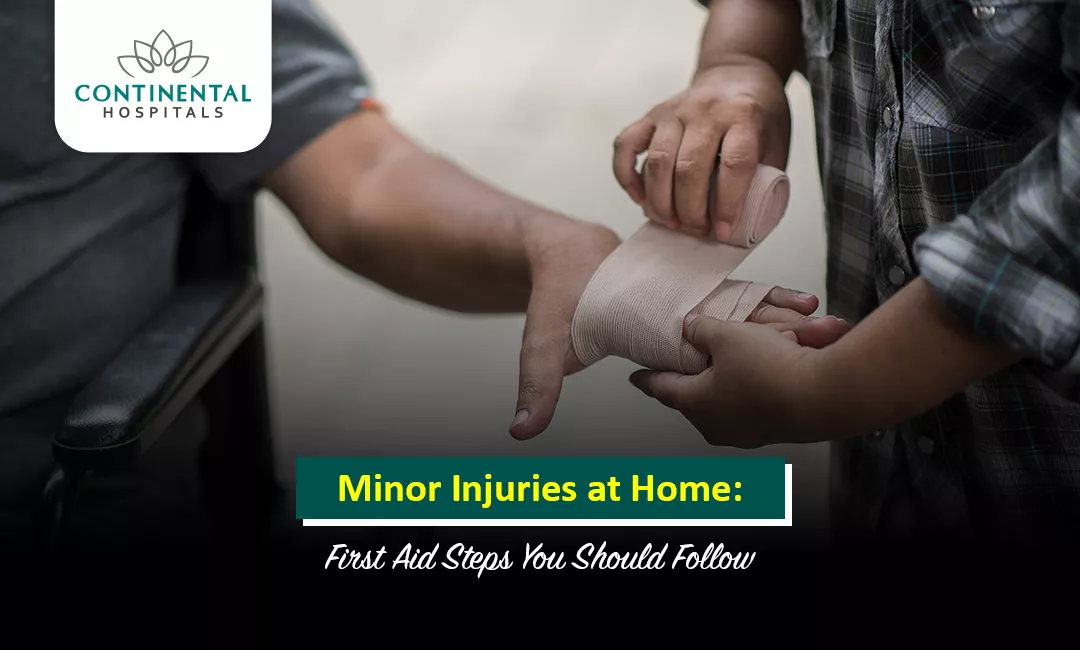
Minor Injuries at Home: First Aid Steps You Should Follow

Written by - Editorial Team
Medically Reviewed by - Dr Ravvi Teja Y

Home accidents may take place quite frequently, causing injury while engaging in usual everyday activities such as cooking, cleaning, gardening, playing, and using home items. Such minor injuries as small cuts, bruises, minor burns, scratches, and sprains might seem insignificant, yet lack of proper treatment may result in infection, inflammation, or other problems. It is useful to have an idea of how to treat these injuries in order to minimize any possible risks of aggravation.

Do you know what measures should be taken immediately after cutting yourself, burning your skin, or suffering from bruising at home? Correct and timely first aid treatment may save you from unnecessary pain, prevent further damages to the injured body part, and assist in faster recovery. Having knowledge of home first aid and being aware of when you need professional help is crucial for everyone.

What Are the Most Common Types of Minor Injuries at Home?

The minor injuries may affect both adults and kids. The most common minor injuries at home include:

  • Cuts and bruises: They occur when one uses blades, scissors, broken glasses, or sharp objects at home.
  • Minor burns: They arise when one touches hot water, cooking oil, steaming objects, or heated surfaces.
  • Contusions: They are caused by accidental falling or bumps into furniture.
  • Scrapes: They occur during contact with animals, plants, or sharp objects.
  • Sprains: They occur when one twists their ankle, wrist, or any other joints.

Understanding the kind of injury enables one to select the proper first aid measure.

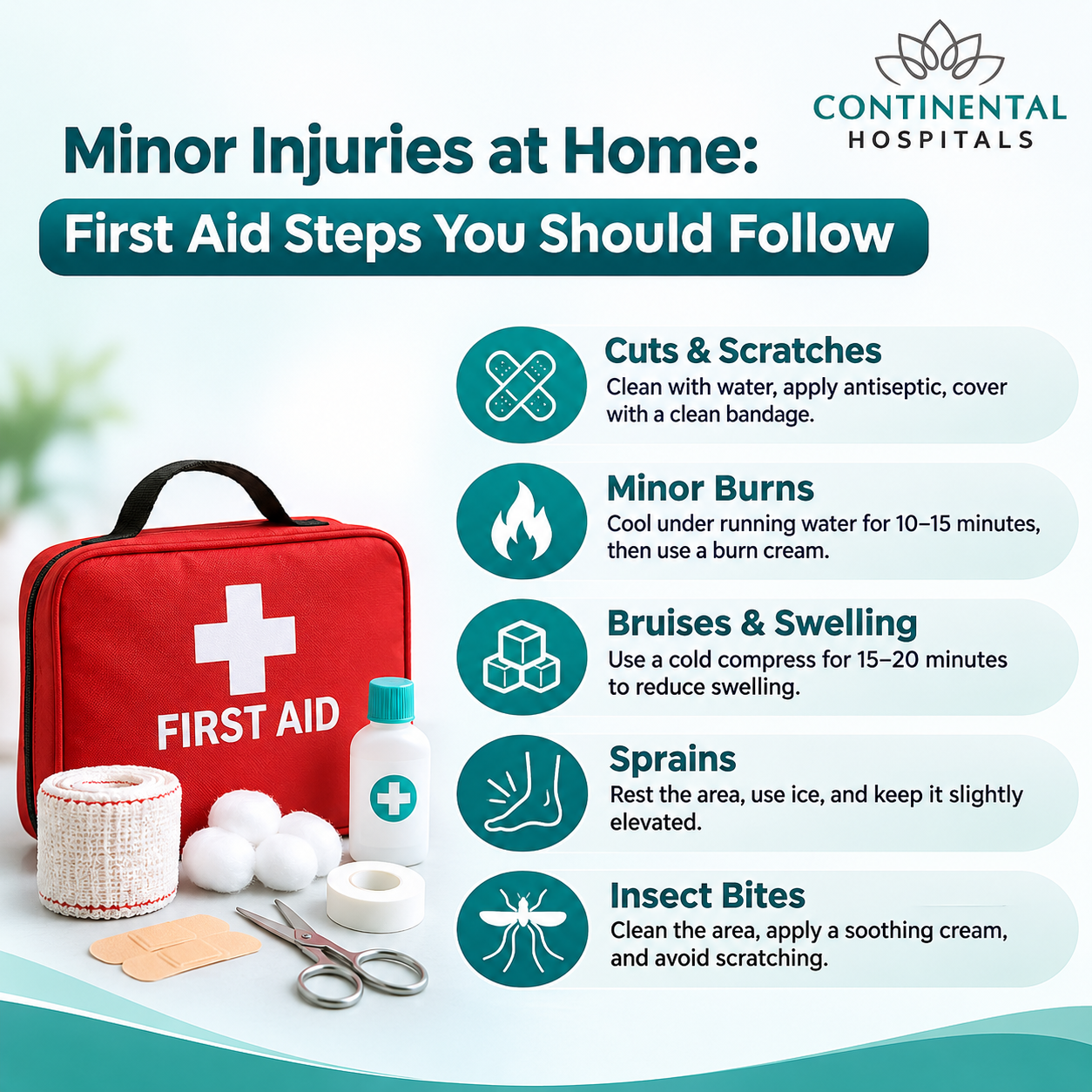
First Aid Care for Cuts and Wounds

Among the commonest of all minor injuries that occur at home are cuts and wounds. The proper care of the wounds prevents infection and assists in their healing.

The following are some of the tips on how to treat cuts and wounds through first aid:

1. Wash your hands before handling the wound.
2. Use gentle pressure by applying it to the wound using gauze or any clean cloth in order to stop the bleeding.
3. Rinse the wound with clean running water after you have stopped the bleeding.
4. Clean the skin around the wound using soap.
5. Dress the wound using a sterilized dressing.
6. Change the dressing frequently and ensure cleanliness of the wound.

Consult a doctor if you experience continuous bleeding, a deep wound, separation of the edges, or signs of infection such as swelling, pus formation, and fever.
Second Opinion

First Aid for Minor Burns - What Do You Need to Do?

Burns can occur when you are cooking, pressing your clothes, and using hot fluids. Prompt actions will help ease the pain and protect your skin from further damage.

What steps should you take after experiencing a minor burn?

  • Leave the heat source right away.
  • Run cool water over the burn for about 20 minutes.
  • Remove any jewelry and tight clothing around the burned area if they are not attached to the skin.
  • Apply a loose bandage made of a clean, non-fluffy material to the burn.
  • Don’t put ice, toothpaste, butter, or home-made substances on the burn.
  • Don’t burst the blisters. It can lead to the infection spreading.

What Should You Do for Bruises and Sprains?

Bruises and sprains usually happen as a result of accidents such as falls or movements that cause injuries while at home.

To treat bruises and sprains that are not severe, you should:

Take rest from any activity that would cause more pain or would place more pressure on the bruise or sprain.
Ice: Put an ice pack in a towel on the bruise or sprain for some time.
Compression: Use an elastic bandage, if necessary, but avoid making it tight.
Elevation: Elevate the bruise or sprain above the level of your heart.
Do not place ice directly onto your skin. Consult your doctor immediately if you feel severe pain, swelling, difficulty moving the joint, or a broken bone.

When Should One Visit a Doctor with Minor Injuries at Home?

Is it possible to treat all injuries in the home with first aid? Not always. There are some cases where what may seem like a small injury should be treated by a doctor.

Consult a doctor in case:

Need an Appointment?

  • The bleeding is uncontrolled with applied pressure.
  • A deep cut or a wound sustained from rusty or dirty items.
  • Symptoms of infection in the area – swelling, warmth, pain, pus formation.
  • Intense pain or increased swelling.
  • Significant burn or blister formation.
  • Inability to move an injured limb.
  • Potential fractures or a head injury.
  • An animal bite or a deep scratch.

In addition, it is necessary to determine if the person had a vaccine against tetanus after an injury.

How to Avoid Small Injuries in Your House?

Small steps can be taken to lower the chances of having small injuries in your house.

Use these steps to prevent accidents:

  • Do not leave sharp tools like scissors and knives accessible to children.
  • Safely store chemical substances.
  • Place non-slip carpets in the bathrooms and slippery areas of the house.
  • Dry the floors to avoid slip injuries.
  • Be cautious when handling hot utensils and cookers.
  • Keep a fully supplied first aid kit in the house.
  • Educate children about the safety tips in the house.

Why Opt For Continental Hospitals in Case of Emergencies and Injuries?

Why is it important to get medical attention right after an injury? Small injuries can be taken into professional consideration as a risk of infections, tissue injuries, or further problems.

Continental Hospitals in Hyderabad aims at delivering professional medical services with the help of skilled doctors, high-class diagnostic services, and medical equipment. Continental Hospitals holds well-known JCI and NABH certifications and maintains quality services in terms of patient safety and professional treatment. Multidisciplinary medical specialists assist patients in making proper diagnoses and treatments for various kinds of injuries.

Continental Hospitals of Hyderabad is known as one of the best hospitals in the city, as it pays great attention to providing patient-centered healthcare services.

Conclusion

Home accidents can occur anytime, but if one has knowledge about the correct measures for providing first aid, it can make a world of difference. In case of any accident at home, be it a cut, a burn, a bruise, or a sprain, proper and prompt treatment can provide relief from pain and complications.

It should always be kept in mind that home first aid cannot be considered a substitute for proper medical care when an injury is severe or fails to heal. For any deep cut, heavy bleeding, severe burn, swelling, or other injury requiring immediate medical attention, see our best emergency medicine specialist in Hyderabad at Continental Hospitals, Hyderabad.


Frequently Asked Questions

Minor injuries can happen during everyday activities at home. Common injuries include cuts, burns, bruises and minor wounds. Slips and falls can cause sprains and swelling. Kitchen accidents may result in cuts or burns. Children may experience scrapes while playing. Older adults may be more likely to fall and get injured. Some injuries can be treated with basic first aid. However, others may require medical attention. It is important to assess the injury before providing treatment. Clean wounds properly to reduce the risk of infection. Avoid applying unverified home remedies to injured areas. Keep a basic first aid kit easily accessible. Knowing basic first aid can help manage minor injuries safely.
Minor cuts should be treated promptly to prevent infection. First, wash your hands before touching the wound. Apply gentle pressure using a clean cloth or sterile gauze. This helps control minor bleeding. Once bleeding stops, rinse the wound with clean running water. Gently clean the surrounding skin with mild soap. Avoid putting strong antiseptics inside the wound. Pat the area dry with clean gauze. Apply a thin layer of petroleum jelly if appropriate. Cover the wound with a sterile dressing or bandage. Change the dressing regularly or whenever it becomes wet or dirty. Watch for redness, swelling, pus or increasing pain. Seek medical attention if bleeding does not stop or the cut is deep. Check whether a tetanus vaccination is needed.
Burns can happen due to hot liquids, steam, fire or heated objects. Move away from the source of heat immediately. Cool the affected area under cool running water for 20 minutes. Do not use ice or extremely cold water on the burn. Remove jewellery or tight clothing near the affected area if it is not stuck to the skin. Do not pull away clothing that has stuck to the burn. Avoid applying toothpaste, butter or oil. These substances may irritate the injured skin. Cover the burn loosely with a clean, non-fluffy dressing. Do not break blisters because they protect the skin. Seek medical attention for large, deep or severe burns. Burns affecting the face, hands, feet or genitals need prompt medical evaluation. Electrical and chemical burns require immediate medical assessment.
Bruises occur when small blood vessels break beneath the skin. They commonly develop after bumps, falls or minor accidents. The affected area may become discoloured, swollen or tender. Apply a cold pack wrapped in a towel to the injured area. Use it for about 15 to 20 minutes at a time. Avoid placing ice directly on the skin. Rest the affected body part whenever possible. Elevate the injured area if it is comfortable to do so. Avoid massaging the bruise immediately after the injury. Most minor bruises gradually improve without special treatment. Monitor the area for increasing pain or swelling. Seek medical advice if bruising occurs frequently without an obvious reason. Consult a doctor if the bruise is unusually large or does not improve.
A fall can cause bruises, sprains, fractures or head injuries. First, check whether the injured person is conscious and breathing normally. Do not rush to move someone who may have a serious injury. Look for pain, swelling, bleeding or difficulty moving. If a neck, back or head injury is suspected, keep the person still. Call emergency medical services if the injury appears serious. Apply a cold pack wrapped in a towel to minor swelling. Avoid putting weight on an injured leg or ankle. Do not attempt to straighten a suspected fracture. Watch for dizziness, vomiting, confusion or severe headache. These symptoms may indicate a serious head injury. Older adults should receive medical evaluation after significant falls. Seek medical help if pain or difficulty moving continues.
A sprain occurs when the ligaments supporting a joint are stretched or torn. It commonly affects the ankle, wrist or knee. Pain, swelling and difficulty moving the joint are common symptoms. Stop the activity that caused the injury. Rest the affected joint and avoid unnecessary movement. Apply a cold pack wrapped in a towel for up to 20 minutes. Repeat this at regular intervals during the first two days. Use a compression bandage if comfortable and not too tight. Elevate the injured area to help reduce swelling. Avoid applying heat or massaging the area during the initial stage. Do not put excessive weight on the injured joint. Seek medical attention if pain is severe or movement is difficult. A doctor may recommend an X-ray to rule out a fracture.
Not every home injury can be managed with basic first aid. Some injuries require immediate medical attention. Seek help if bleeding does not stop after applying firm pressure. Deep cuts and wounds caused by dirty or rusty objects need evaluation. Severe burns should be assessed by a medical professional. Suspected fractures require prompt medical examination. Severe pain, increasing swelling or inability to move a body part are warning signs. Head injuries accompanied by vomiting or confusion need urgent attention. Breathing difficulties or loss of consciousness are medical emergencies. Signs of wound infection include redness, warmth, pus and fever. Animal bites and deep puncture wounds should also be medically evaluated. Do not delay treatment when symptoms become worse. Early medical care can help prevent complications.
A home first aid kit helps manage minor injuries quickly. Keep sterile gauze pads and cotton bandages in the kit. Include adhesive bandages in different sizes. Add medical adhesive tape for securing dressings. Keep clean scissors and tweezers for basic first aid use. Include disposable gloves to maintain hygiene. A digital thermometer can help check body temperature. Keep an antiseptic solution suitable for cleaning the surrounding skin. Include a sterile saline solution for wound irrigation if needed. Add a cold pack for minor swelling and bruises. Keep essential personal medications in their original packaging. Check expiry dates and replace used supplies regularly. Store the kit in a cool, dry and easily accessible location. Make sure children cannot access medicines or sharp medical instruments.
Disclaimer: The information provided in this blog is intended for general knowledge and informational purposes only, and does not constitute medical advice. Always consult with a qualified healthcare professional for any medical concerns or before making any decisions about your health.

Get in Touch With Us

Whether you are from India or abroad, we are here to help you with your medical queries. Please fill out the form below and our team will connect with you shortly.

  • ✔ Quick response from our medical experts
  • ✔ Secure data handling & privacy
  • ✔ Easy upload for reports & documents
banner_image

Chat with our medical experts on WhatsApp for quick assistance and hassle-free appointment booking

Recent Posts