.webp)

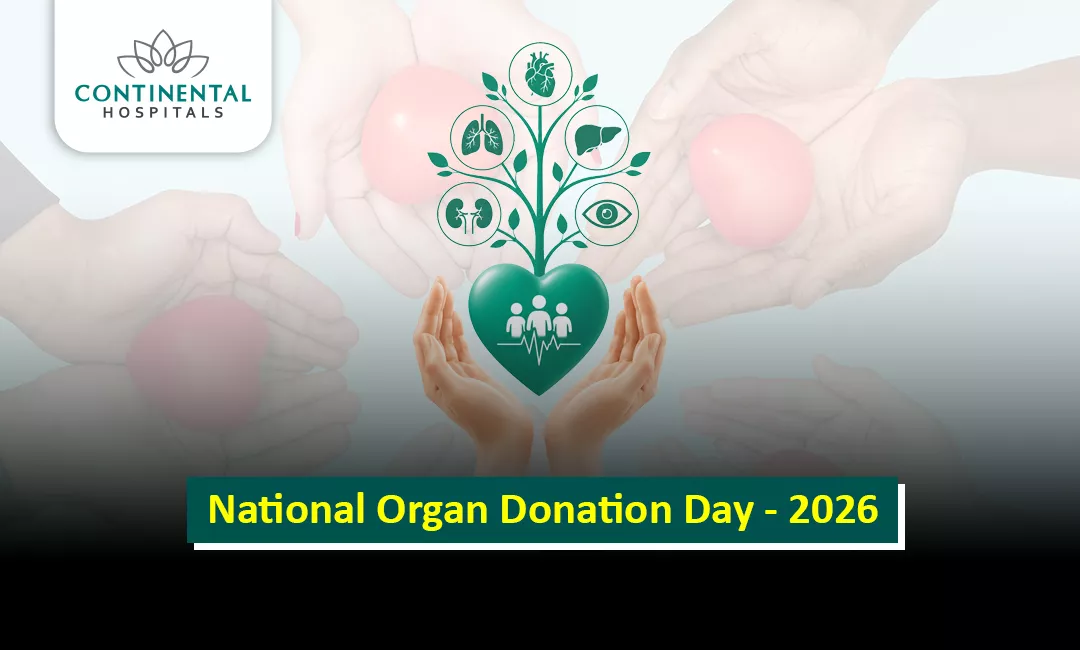
Every year, National Organ Donation Day reminds us that one selfless decision can give another person a second chance at life. It raises awareness about the importance of organ donation, encourages people to register as an organ donor, and helps families understand how organ donation can save multiple lives. Many people across India continue to wait for a suitable organ, making awareness more important than ever.
National Organ Donation Day is not only about celebrating donors but also about educating people about the facts, process, and benefits of donation. It is an opportunity to clear myths, encourage conversations with family members, and inspire more people to become registered donors. Every organ donor has the power to transform lives through a successful organ transplant, offering hope where there was once uncertainty.
What is National Organ Donation Day?
National Organ Donation Day is observed to spread awareness about the importance of donating organs after death or through living donation in eligible cases. The day encourages individuals to pledge their organs and helps educate communities about how organ donation works.
The goal of National Organ Donation Day is to:
- Increase awareness about organ donation
- Encourage people to register as an organ donor
- Reduce the waiting list for organ transplants
- Educate families about the importance of donation
- Celebrate donors and their life-saving contributions
Why is National Organ Donation Day important?
Thousands of patients suffer from severe heart, liver, kidney, lung, and other organ diseases. For many of them, an organ transplant is the only treatment that can save their lives.
National Organ Donation Day reminds us that:
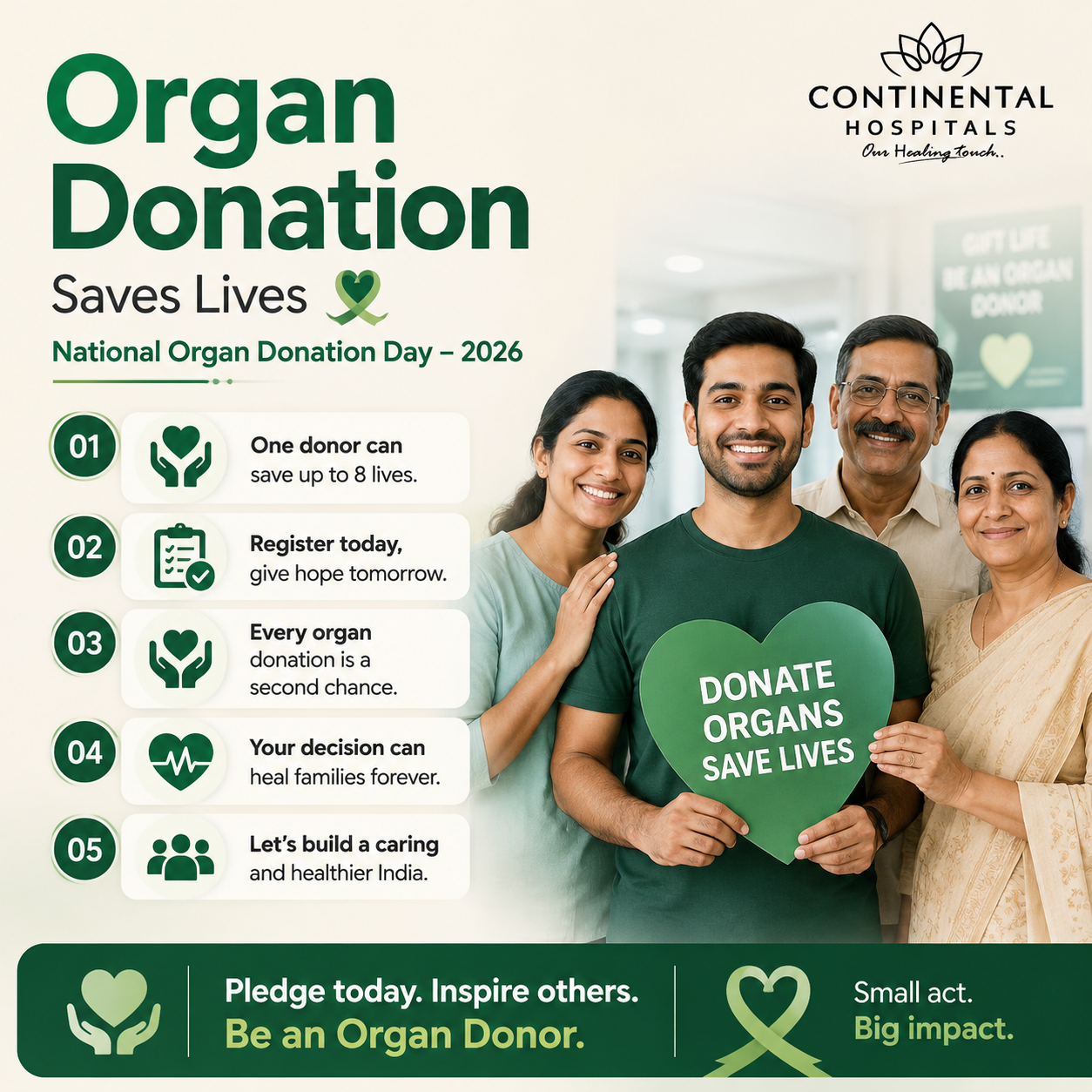
- One donor can save multiple lives
- Organ donation gives hope to patients waiting for transplants
- Families can create a lasting legacy through donation
- More awareness leads to more registered organ donors
- Every pledge brings society closer to saving more lives
What is Organ Donation?
Organ donation is the process of giving healthy organs or tissues to someone whose organs have failed due to illness, injury, or congenital conditions.
Depending on medical suitability, donated organs may include the following:
- Kidneys
- Liver
- Heart
- Lungs
- Pancreas
- Intestine
Tissues that can also be donated include:

- Corneas
- Skin
- Bone
- Heart valves
- Tendons
Each successful organ transplant helps improve or save lives while giving hope to patients and their families.
Who Can Become an Organ Donor?
Almost anyone can become an organ donor. Medical experts evaluate every donor carefully before donation.
You may be eligible if:
- You are willing to donate your organs
- You register your decision
- Your organs are medically suitable
- Your family is informed about your wishes
Age alone does not always determine eligibility. Doctors carefully assess every donor individually.
How Does Organ Donation Help Patients?
For many patients, medicines and surgeries may no longer be enough. An organ transplant becomes the only option for survival.
Organ donation can help patients with:
- End-stage kidney disease
- Severe liver failure
- Advanced heart disease
- Serious lung disorders
- Pancreatic failure
- Certain congenital conditions
Successful transplantation improves quality of life and allows many patients to return to work, family life, and daily activities.
What Are the Common Myths About Organ Donation?
Many people avoid becoming an organ donor because of myths. Understanding the facts helps people make informed decisions.
Myth: Doctors will not try to save my life if I am an organ donor?
Fact: Doctors always focus on saving every patient's life. Organ donation is considered only after all life-saving efforts have failed and strict medical and legal criteria are met.
Myth: Older people cannot donate organs?
Fact: Eligibility depends on the condition of the organs, not simply on age.
Myth: Organ donation affects funeral arrangements?
Fact: Organ donation is performed respectfully by trained medical professionals, allowing families to conduct funeral ceremonies normally.
Myth: Only healthy young people can donate?
Fact: Every donor is evaluated individually. Many people of different ages have successfully donated organs.
How Can You Become an Organ Donor?
Becoming an organ donor is a meaningful decision.
You can:
- Learn about organ donation
- Register through the appropriate authority
- Inform your family about your decision
- Carry your donor registration details
- Encourage others to learn about organ donation
Family awareness is extremely important because they may be involved in the final decision.
What Happens During an Organ Transplant?
An organ transplant is performed by a highly trained transplant team.
The process generally includes:
- Medical evaluation of donor and recipient
- Organ matching
- Organ retrieval
- Transplant surgery
- Intensive monitoring
- Long-term follow-up care
Modern transplantation has helped improve survival rates and quality of life for many patients.
How Can National Organ Donation Day Create Awareness?
Everyone can contribute during National Organ Donation Day by spreading accurate information.
Simple ways include:
- Talking with family members
- Sharing educational information
- Encouraging donor registration
- Supporting awareness campaigns
- Correcting myths with medical facts
Even one conversation may inspire someone to become an organ donor.
Why Choose Continental Hospitals for Organ Transplant Care?
Continental Hospitals is recognized as one of the best hospitals in Hyderabad, offering advanced transplant care supported by experienced specialists, modern technology, and patient-centered treatment.
Patients choose Continental Hospitals because of:
- Experienced multidisciplinary transplant specialists
- Advanced operation theatres and critical care facilities
- Comprehensive diagnostic and imaging services
- Personalized treatment plans
- Ethical and evidence-based medical care
- Dedicated transplant coordination and patient support
- International standards of patient safety
- Compassionate care from evaluation to recovery
Continental Hospitals is accredited by JCI, NABH, and QAI, reflecting its commitment to international standards of clinical excellence, patient safety, healthcare quality, and continuous improvement.
How Can You Help Save Lives Today?
You may never know whose life could be changed because of your decision. By understanding the importance of National Organ Donation Day, discussing your wishes with your loved ones, and registering as an organ donor, you can leave behind a powerful legacy of hope.
Every registered donor brings new possibilities for patients waiting for an organ transplant. A single decision today can create a lifetime of impact for several families.
Conclusion
National Organ Donation Day is a reminder that kindness can continue even after life. Organ donation is one of the greatest gifts a person can offer because it has the power to save and transform multiple lives. By becoming an organ donor, spreading awareness, and encouraging informed decisions, we can reduce the gap between organ availability and the growing need for transplantation.
If you or a loved one is living with advanced kidney disease, liver disease, heart failure, or another condition that may require an organ transplant, consult the experienced transplant surgery and multi-organ transplant specialists at Continental Hospitals. Early evaluation, expert guidance, and timely treatment can improve outcomes and help patients receive the comprehensive care they deserve.
Related Blogs: