.webp)

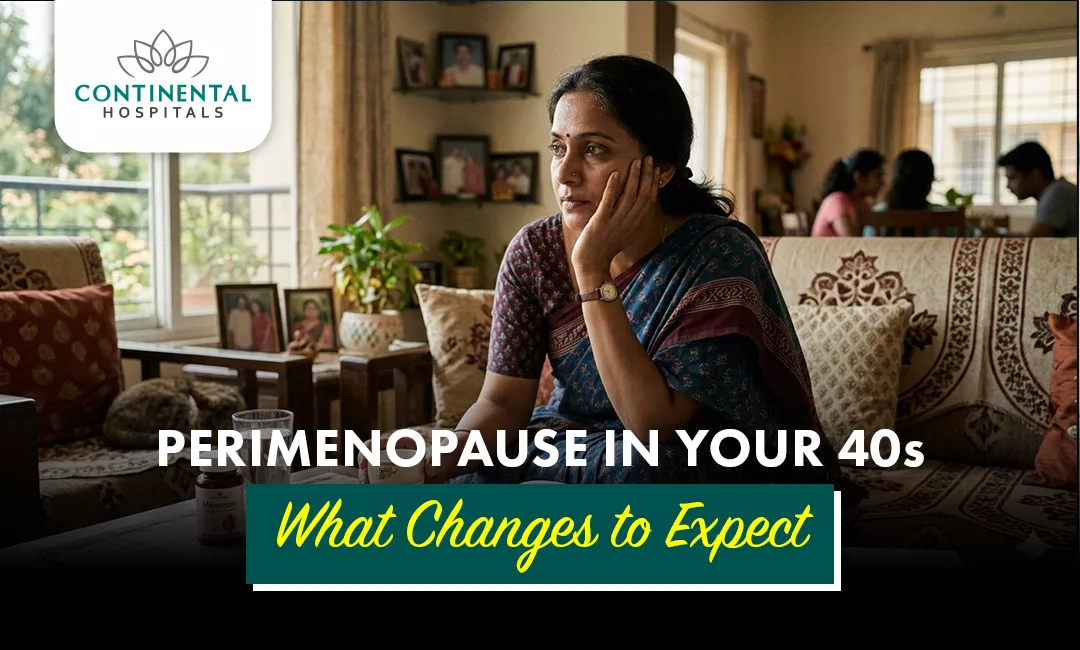
Women often notice that their bodies and minds are going through some changes in their 40s. They may start to have periods, mood swings, sleep problems, gain weight, and get hot flashes all of a sudden. These changes are usually linked to perimenopause, which's a natural stage that happens before menopause and affects every woman in a different way.
Understanding what perimenopause is can really help women deal with their symptoms better stay healthy overall and get help when they need it. At Continental Hospitals, which is one of the best hospitals in Hyderabad, there are expert gynecologists who provide advanced care and personalized treatment for women who are going through hormonal changes during this time of their lives.
What Is Perimenopause?
Perimenopause is the time before menopause when a woman's body starts to change. During this time the ovaries start to make estrogen and progesterone, which can cause hormones to fluctuate. This can start to happen when a woman's in her late 30s or early 40s and can go on for several years before she actually reaches menopause.
Menopause is officially confirmed when a woman has not had a period for 12 months in a row. Perimenopause happens before that. Can cause some pretty noticeable physical and emotional symptoms.
A lot of women go through perimenopause in their 40s. The timing and how bad the symptoms are can be different for each woman.
Common Signs of Perimenopause
The signs of perimenopause can be a little confusing because they can come on slowly. Some women may only have symptoms while others may notice some big changes that affect their daily life.
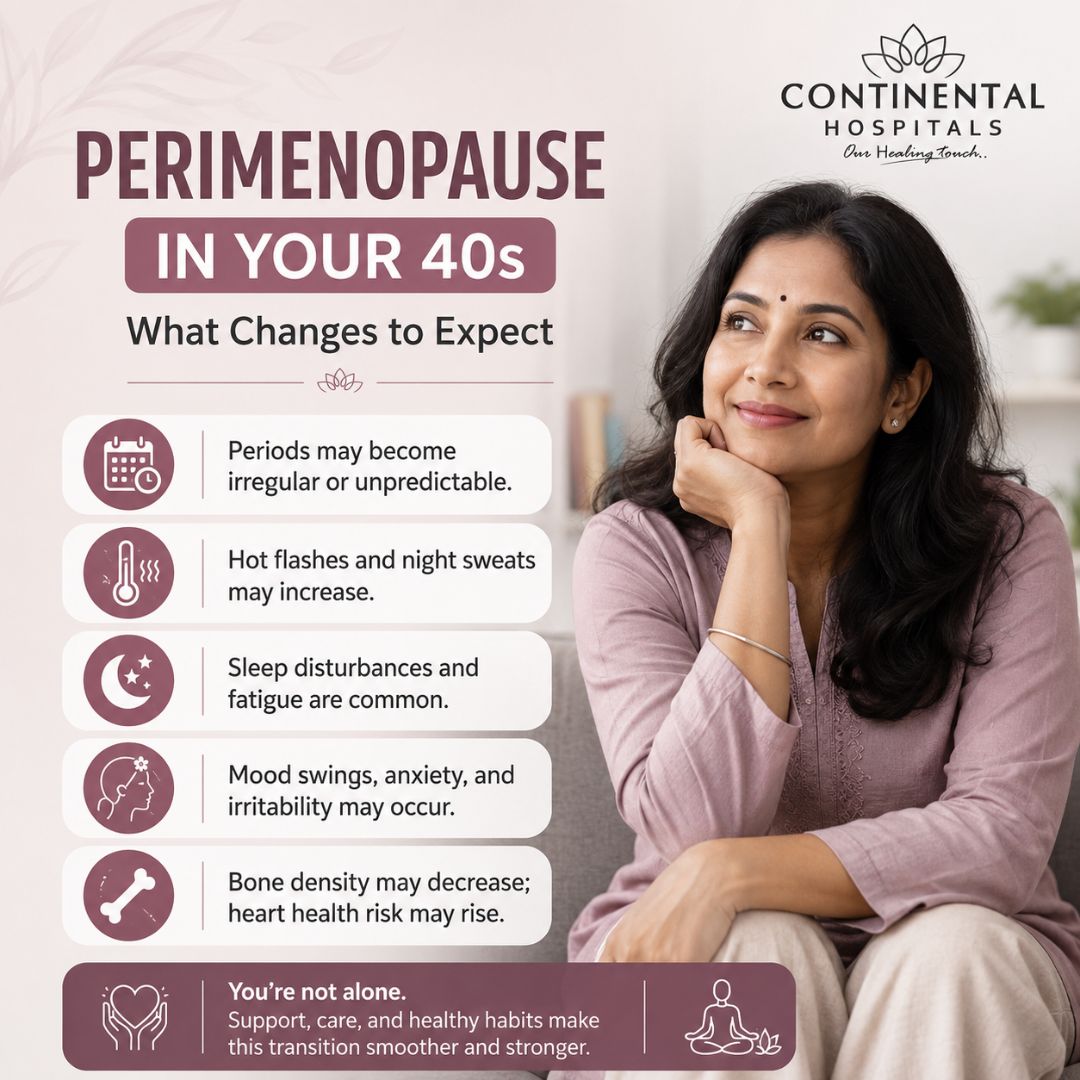
Some common symptoms of perimenopause include:
- Periods
- Hot flashes and night sweats
- Mood swings and feeling irritable
- Feeling anxious and emotional
- Having trouble sleeping
- Gaining weight around the stomach
- Feeling tired all the time
- Vaginal dryness
- Not being interested in sex
- Having trouble focusing
- Hair falling out and skin feeling dry
- Breast tenderness
- Getting headaches a lot
These changes happen to women because their estrogen levels are all over the place during perimenopause. Perimenopause is a time when women's bodies are going through a lot of changes, and perimenopause symptoms can be really tough to deal with. Women who are going through perimenopause may want to talk to their doctor about how to manage their symptoms and stay healthy.

How Periods Change During Perimenopause
One of the things that happens when you are going through perimenopause is that your periods change. Your periods may get shorter or longer. You may bleed more or less than you usually do.
- You may notice some things that are different, such as:
- You miss your period
- You bleed a little between periods
- You have very heavy bleeding
- There is a long time between your periods
- Your periods are not regular anymore
It is normal to have periods when you are going through perimenopause. If you are bleeding too much or for too long you should see a doctor to make sure everything is okay. The doctor can check to see if you have any problems.
Emotional and Mental Changes During Perimenopause
When you are going through perimenopause, the hormones in your body can affect how you feel. You may feel sad or angry for no reason.
You may feel some things, such as:
- You get angry easily
- You feel worried
- You feel like you cannot handle things
- You feel sad
- You do not want to do things
- You have trouble focusing
If you do not sleep well, it can make you feel worse. When you do not sleep well you may feel tired you may have trouble thinking. You may feel like you cannot handle things.
If you are feeling very bad, you should talk to a doctor because they can help you. There are things that can help you feel better.
Physical Changes Women May Notice
When you are in your 40s and going through perimenopause, you may notice some changes in your body. Your body may not work the way it used to and your skin may not look the same.
Some things that you may notice include:
- You gain weight even if you eat the amount of food
- Your joints. Your muscles are stiff
- Your skin is dry
- You have hair on your face
- Your hair is not as thick as it used to be
- You have muscle
- You get tired easily
It is very important to take care of yourself when you are going through perimenopause.
Sleep Problems During Perimenopause
Many women have trouble sleeping when they are going through perimenopause. You may sweat at night; you may feel worried. Your hormones may be changing.
You may have some problems, such as:
- You have trouble falling asleep
- You wake up a lot during the night
- You sweat at night
- You feel tired in the morning
- You feel tired, during the day
If you do not sleep well, it can affect your health, your heart health, and your overall health. If you see a doctor, they can help you sleep better.
Can Perimenopause Affect Fertility?
Yes. Perimenopause affects fertility because the woman's body has ovulation during perimenopause. However, it is still possible for a woman to get pregnant until perimenopause turns into menopause.
Women who do not want to get pregnant should keep using birth control during perimenopause. Women who want to have a baby may want to talk to a doctor about their fertility and have a checkup with a gynecologist.
Early Menopause Symptoms
Some women have early menopause symptoms before they are 45 years old. This can happen because of the womans family history, medical problems, surgery, diseases that affect the system, or certain medical treatments.
The symptoms of menopause can include:
- The womans periods stop suddenly
- The woman has bad hot flashes
- The woman has dryness
- The womans mood changes
- The woman has trouble sleeping
- The womans fertility decreases
It is very important for women to see a doctor early and get help to manage their symptoms and stay healthy for a long time especially for their bones and heart.
Tips to Manage Perimenopause Symptoms
Women can feel better. Be healthier during perimenopause if they make some changes to their lifestyle.
Some good habits that can help women include:
- Eating food that's good, for them and has a lot of calcium and protein
- Exercising regularly
- Keeping a weight
- Finding ways to manage stress
- Not smoking and not drinking much alcohol
- Getting rest
- Drinking water
- Not drinking too much caffeine
- Women should also see their doctor regularly to check their hormone levels, bone health, and heart health.
When Should You See a Doctor?
Perimenopause is a part of life. Some symptoms need a doctor's attention.
You should see a doctor if you have:
- heavy bleeding
- Bleeding between periods
- Bad mood swings
- Trouble sleeping
- Really bad hot flashes
- Pain in your pelvic area
- Symptoms that affect your daily life
Seeing a doctor early can make you feel better. It can also help you feel more confident and healthy during menopause.
Why Choose Hospitals for Perimenopause Care?
Continental Hospitals is one of the best hospitals in Hyderabad. They take care of women's health. The hospital has doctors. They can help you with perimenopause symptoms.
Here are reasons why women trust Continental Hospitals:
- They have experienced doctors
- They have equipment for diagnosis
- They care for your body and mind
- They give you a plan that's just for you
- They take care of patients well
- They have technology
- They are accredited by NABH and JCI
- They focus on patients
The doctors at Continental Hospitals know that perimenopause affects women differently. They give each woman care that's just for her.
Perimenopause is natural. Symptoms can be tough. Knowing the signs of perimenopause helps women take care of their health.
Conclusion
Perimenopause can affect your body and mind. You may have periods. You may have mood swings. You may have trouble sleeping. You may have flashes. With a doctor, healthy habits and good care, you can feel better. You can live a life.
If you are experiencing perimenopause symptoms or early menopause symptoms, consult our best gynecologist in Hyderabad team at Continental Hospitals, one of the best hospitals in Hyderabad, for advanced diagnosis, compassionate care, and comprehensive women’s health support.