.webp)

The global healthcare landscape is currently facing a silent but significant challenge that begins far beneath our city streets. While we often think of hospitals or pharmacies as the primary fronts for medical concerns, our wastewater systems have become a focal point for researchers and healthcare professionals. The presence of superbugs in sewage is a growing concern that highlights the complex relationship between our environment and the effectiveness of modern medicine.
Understanding the Source of the Problem
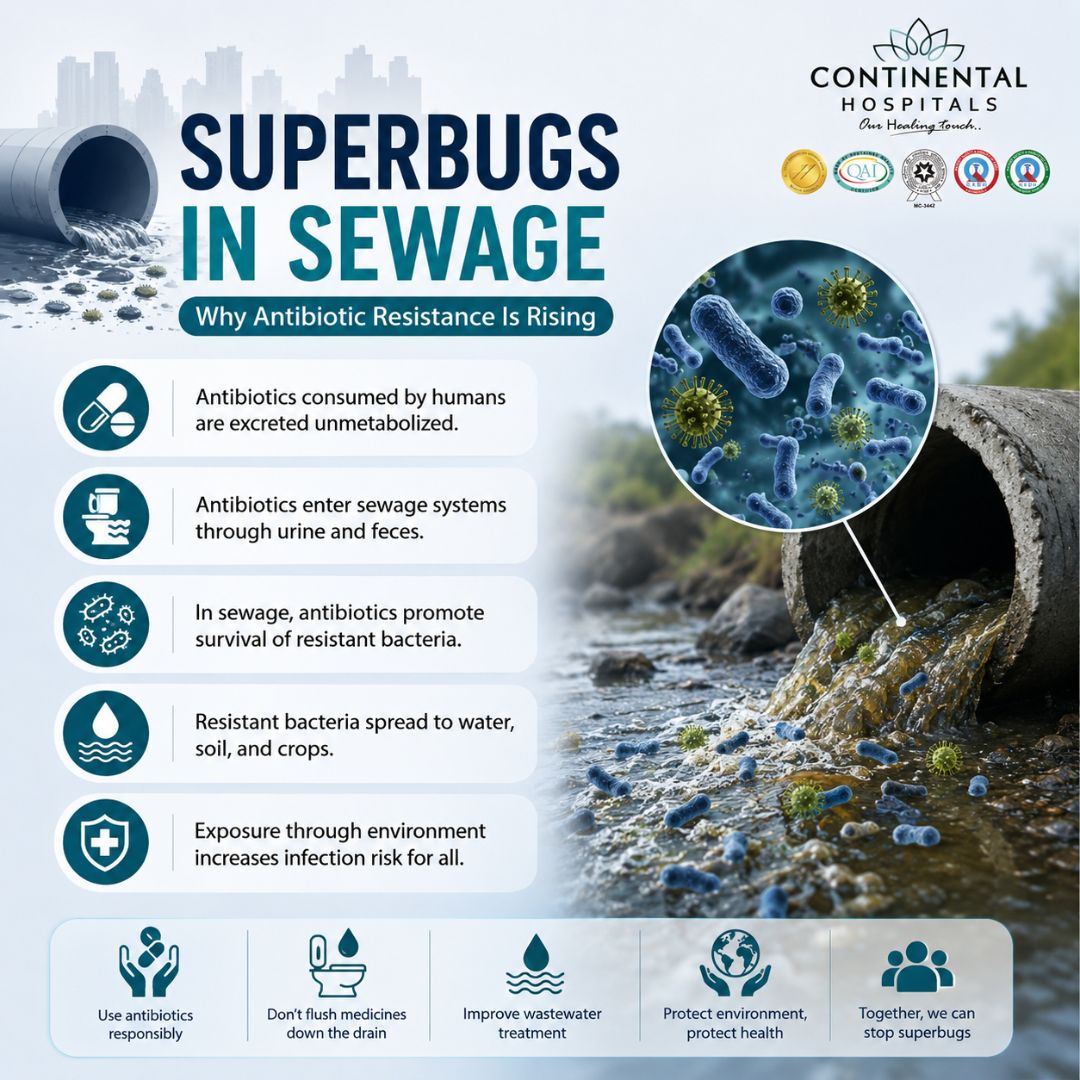
Wastewater is much more than just discarded water. It is a complex mixture of biological waste, chemical residues, and microorganisms. When we take antibiotics to treat an infection, our bodies do not always process the entire dose. A portion of these medications is excreted and eventually makes its way into the sewage system. This creates a unique environment where low levels of antibiotics mix with a vast array of bacteria.
In these conditions, bacteria are essentially attending a survival school. The presence of antibiotic resistant bacteria in wastewater allows these organisms to adapt. Through a process of natural selection, the bacteria that can survive the presence of medicine multiply, while the weaker ones perish. Over time, this leads to the development of "superbugs" or bacteria that can no longer be killed by standard treatments.
The Role of Sewage Contamination
The journey of superbugs in sewage does not end in the pipes. If wastewater is not treated with extreme precision, these resistant organisms can find their way into larger water bodies. This sewage contamination can affect rivers, lakes, and even the groundwater we rely on for agriculture.
When wastewater bacteria enter the ecosystem, they don't just stay in the water. They can be transferred to crops through irrigation or end up in the food chain through aquatic life. This creates a cycle where antimicrobial resistance is no longer confined to clinical settings but becomes a broader environmental issue. The more these bacteria spread, the higher the risk of drug resistant infections in the general population.
Why Antibiotic Resistance Is Rising
The rise of antimicrobial resistance is a multifaceted issue. While the presence of superbugs in sewage is a major factor, several other elements contribute to this trend:
- Overuse of Medications: Using antibiotics for viral infections like the common cold or flu contributes to resistance because these drugs do not kill viruses.
- Incomplete Courses: Failing to finish a prescribed course of antibiotics allows the strongest bacteria to survive and develop defenses.
- Agricultural Use: The use of antibiotics in livestock to promote growth or prevent disease adds more chemicals and resistant strains into the environment.
- Global Travel: In a connected world, resistant bacteria can travel across borders quickly, turning a local health issue into a global challenge.
The Impact on Public Health
When we talk about drug resistant infections, we are discussing a reality where common medical procedures become riskier. Surgeries, chemotherapy, and even minor injuries rely on the effectiveness of antibiotics to prevent life-threatening complications. If the trend of superbugs in sewage and other environments continues, we face a future where simple infections might become difficult or impossible to treat.
How We Can Combat This Trend
Addressing the issue of superbugs in sewage requires a combination of personal responsibility and systemic change. Here are some key ways to make a difference:

- Proper Disposal of Medicine: Never flush unused or expired antibiotics down the toilet or sink. Check with local pharmacies or hospitals for safe disposal programs.
- Responsible Antibiotic Use: Only take antibiotics when prescribed by a qualified healthcare professional and always complete the full course.
- Improved Infrastructure: Investing in advanced wastewater treatment technologies can help filter out antibiotic resistant bacteria before they reach the environment.
- Public Awareness: Understanding the link between sewage contamination and health helps communities advocate for better sanitation and environmental protection.
Why Choose Continental Hospitals for Your Care?
In the heart of Hyderabad, Continental Hospitals stands as a beacon of excellence in managing complex health conditions, including infectious diseases. Our approach to patient care is built on a foundation of safety, precision, and international standards.
Global Standard Accreditations: Continental Hospitals is proud to be JCI (Joint Commission International) accredited, which is considered the gold standard in global healthcare. We also hold NABH accreditation, ensuring that our clinical protocols and patient safety measures meet the highest national benchmarks.
Advanced Infection Control: We maintain a rigorous infection control department that monitors and prevents the spread of drug resistant infections within the clinical environment.
State-of-the-Art Diagnostics: Our laboratories are equipped with the latest technology to quickly identify specific strains of bacteria, allowing for targeted and effective treatment plans.
Expert Medical Team: We house some of the finest specialists in the country who are experienced in treating complicated cases involving antimicrobial resistance.
Commitment to Excellence in Hyderabad
As the best hospital in Hyderabad, Continental Hospitals is dedicated to more than just treating illness? we are committed to public health education and environmental safety. We understand that the fight against superbugs in sewage and the wider threat of antibiotic resistance starts with accurate diagnosis and responsible stewardship of medications. Our facility is designed to provide a safe, healing environment where technology and compassion meet.
Conclusion
The rising tide of superbugs in sewage is a reminder that our health is deeply connected to the world around us. While the challenge of antimicrobial resistance is significant, it is not insurmountable. Through better awareness, responsible medication use, and choosing healthcare providers who prioritize global safety standards, we can protect the effectiveness of our most vital medicines.
If you are experiencing persistent symptoms or recurring infections or have concerns about your immune health, it is essential to seek professional guidance. Early intervention and accurate testing are the best tools we have against drug-resistant infections.
If you suffer from recurring infections or have concerns about the effectiveness of your current treatment, consult our experts today. Consult our best infectious disease specialists in Hyderabad at Continental Hospitals.