.webp)


When we think about midlife weight gain, our minds usually go to tighter waistbands, heart health, or changes in metabolism. Most people do not immediately connect the size of their waistline to how well their brain functions. However, recent medical research shows a powerful and direct link between abdominal fat and brain health, revealing that carrying extra weight around the midsection during your 40s and 50s can have a profound impact on long-term cognitive function.
This connection matters because the type of fat that accumulates around the stomach is not just a passive energy store. It is an active metabolic tissue that releases compounds capable of traveling through the bloodstream and influencing the central nervous system. Understanding how midlife obesity and brain health intersect is crucial for anyone looking to protect their memory, focus, and overall mental sharpness as they age.
What is Abdominal Fat and Why is it Different?
To understand the belly fat brain risk, it is important to know that not all body fat is created equal. The fat you can pinch with your fingers just under the skin is called subcutaneous fat. While it might be frustrating from an aesthetic standpoint, it is not the main culprit behind cognitive decline.
The real danger comes from visceral fat. This is the abdominal fat that wraps deeply around your internal organs, such as your liver, pancreas, and intestines. Visceral fat is highly active and constantly secretes inflammatory proteins called cytokines. When you have a high amount of abdominal fat, your body experiences chronic, low-grade inflammation. This systemic inflammation can damage blood vessels throughout the body, including the delicate arteries that supply oxygen and nutrients to your brain.
Persistent weight gain, poor concentration, or neurological concerns? Visit our best neuro doctor hyderabad at Continental Hospitals today.
How Does Belly Fat Damage the Brain?
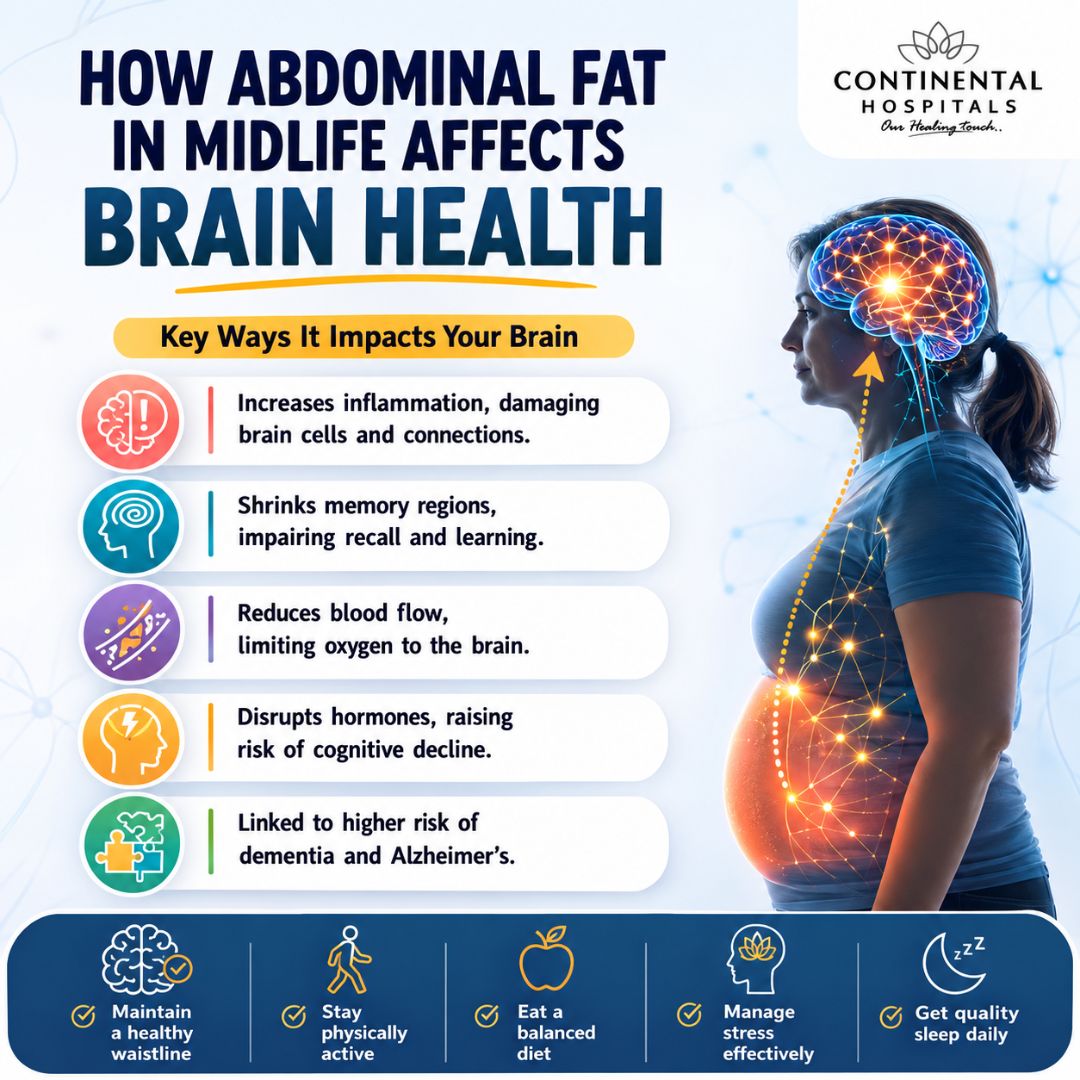
Medical scientists have identified several pathways through which abdominal fat and cognitive decline become a reality. The continuous release of inflammatory markers from visceral fat healthily affects the blood-brain barrier, which is the protective shield that prevents harmful substances from entering brain tissue.
When this barrier is compromised, inflammatory signals can enter the brain and trigger microglial cells, which are the immune cells of the central nervous system. Instead of protecting the brain, overactivated microglial cells can cause localized inflammation that damages neurons and disrupts communication between brain cells. Furthermore, abdominal fat is heavily tied to insulin resistance. When your body's cells stop responding properly to insulin, glucose metabolism in the brain drops, effectively starving brain cells of the energy they need to function optimally.
What Does Research Say About Midlife Weight Gain and Memory?
Long-term medical studies have tracked thousands of individuals from midlife into their senior years to observe how body composition affects mental clarity. The findings are consistent: individuals with higher amounts of abdominal fat in their 40s and 50s show a significantly higher risk of developing cognitive issues decades later.

- Brain Volume Loss: Brain scans show that adults with excess abdominal fat tend to have a lower volume of grey matter, particularly in areas responsible for memory and learning, such as the hippocampus.
- Increased Dementia Risk: Midlife obesity and brain health are closely linked, with studies indicating that a large waist circumference in midlife can double the risk of developing dementia in later life compared to those with a healthy waistline.
- Reduced Blood Flow: High visceral fat contributes to clogged and stiffened arteries, reducing the overall cerebral blood flow and leading to minor, often unnoticed structural damage in the brain.
Is Cognitive Decline from Abdominal Fat Reversible?
The most encouraging takeaway from modern neurological and metabolic research is that the brain possesses remarkable plasticity. Because visceral fat is metabolically active, it is also the first type of fat the body mobilizes and burns when you make positive lifestyle changes.
When you take steps to reduce abdominal fat, the level of systemic inflammation in your body drops. This reduction in inflammatory markers allows the blood-brain barrier to stabilize and reduces the inflammatory stress on your neurons. Improving your metabolic health directly translates to better blood sugar regulation, which provides your brain with a steady, reliable supply of energy, helping to preserve cognitive function and memory.
How Can You Protect Your Brain and Reduce Visceral Fat?
Addressing excess weight in midlife requires a consistent approach that targets deep metabolic health rather than quick-fix solutions. Protecting your brain from the belly fat brain risk involves a combination of dietary adjustments, physical activity, and stress management.
- Prioritize Aerobic and Resistance Exercise: Regular cardiovascular exercise helps burn visceral fat, while strength training builds muscle mass, which improves insulin sensitivity and boosts metabolism.
- Focus on an Anti-Inflammatory Diet: Consuming whole foods, leafy greens, berries, nuts, and healthy fats helps neutralize the systemic inflammation triggered by abdominal fat.
- Manage Chronic Stress: High stress levels release the hormone cortisol, which specifically signals the body to store excess energy as visceral abdominal fat.
- Improve Sleep Quality: Poor sleep disrupts appetite hormones and increases cravings for sugary, high-calorie foods that contribute directly to midlife weight gain.
Why Choose Continental Hospitals for Your Health Journey?
Managing metabolic health and protecting your brain requires comprehensive, expert medical guidance. Continental Hospitals is widely recognized as the best hospital in Hyderabad, offering world-class infrastructure and a dedicated team of specialists committed to preventative care and advanced treatments.
Continental Hospitals holds prestigious accreditations, including Joint Commission International (JCI) and the National Accreditation Board for Hospitals & Healthcare Providers (NABH). These accreditations reflect our commitment to maintaining the highest global standards of patient safety, clinical excellence, and quality care. Our advanced diagnostic facilities allow for precise assessments of metabolic health, visceral fat risks, and neurological well-being, ensuring you receive a highly personalized care plan tailored to your specific needs.
Conclusion
Carrying excess abdominal fat during midlife is far more than a cosmetic concern; it is a significant risk factor for long-term brain health and cognitive longevity. The chronic inflammation and insulin resistance caused by visceral fat can systematically damage brain structure and accelerate cognitive decline. Fortunately, by taking proactive steps to manage midlife weight gain through targeted lifestyle changes and proper medical oversight, you can reduce this risk and safeguard your mental sharpness for the years ahead.
If you suffer from persistent weight gain, difficulty concentrating, or metabolic concerns, seek professional medical advice immediately to begin your personalized health plan. Contact Continental Hospitals today to schedule your comprehensive health check-up. Consult our best neurologist in Hyderabad.
Related Blog Topics: