.webp)


While many people associate bone health with calcium, the silent partner making it all possible is Vitamin D. Often called the sunshine vitamin, it plays a critical role in various bodily functions. Despite its importance, a significant portion of the population lives with a Vitamin D deficiency without realizing it. Understanding the truth behind common misconceptions is the first step toward better health.
Why Vitamin D Matters
Vitamin D is a fat-soluble vitamin that helps your body absorb calcium and phosphorus. This process is vital for building and maintaining strong bones. Without enough Vitamin D, bones can become thin, brittle, or misshapen. Beyond bone health, vitamin D supports immune function, muscle strength, and even mood regulation.
Common Vitamin D Myths vs Facts
Navigating the sea of health information can be confusing. Here are some of the most common myths debunked with scientific facts.
Myth: You can get enough Vitamin D just from your diet.
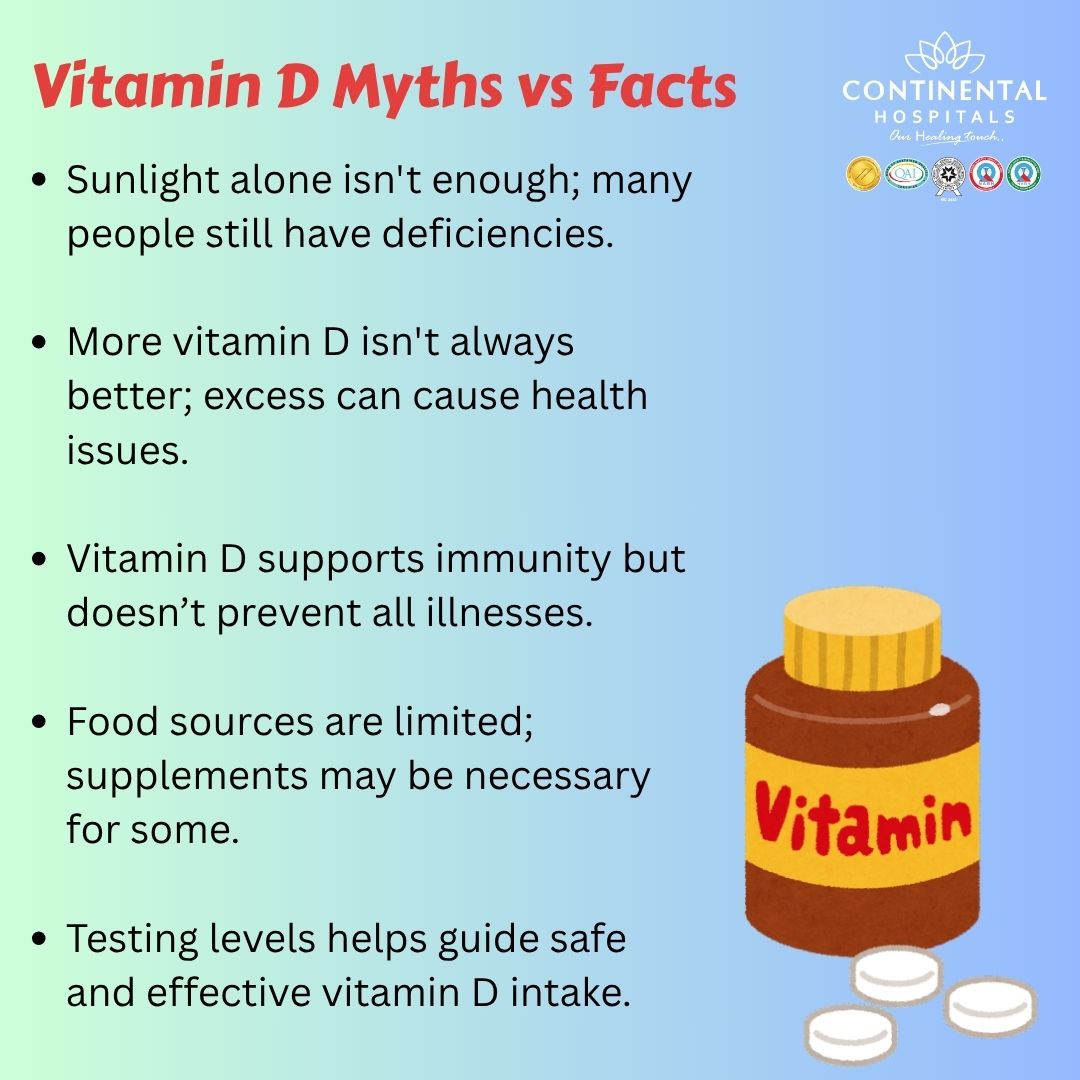
Fact: While some foods like fatty fish, egg yolks, and fortified cereals contain Vitamin D, it is very difficult to get the required daily amount through food alone. Most people receive the majority of their Vitamin D through sunlight exposure or Vitamin D supplements.
Myth: People with darker skin do not need to worry about Vitamin D.
Fact: Actually, individuals with more melanin in their skin require more time in the sun to produce the same amount of Vitamin D as those with lighter skin. This makes them more susceptible to Vitamin D deficiency.
Myth: If it is sunny outside, you are definitely getting enough Vitamin D.
Fact: Factors such as sunscreen use, air pollution, geographical location, and even the time of day can block the UVB rays necessary for Vitamin D synthesis. If you spend most of your time indoors or live in a highly polluted city, you may still be at risk.
Myth: Taking more Vitamin D supplements is always better.
Fact: Vitamin D is stored in the body’s fat tissues. Taking excessively high doses can lead to toxicity, which may cause a buildup of calcium in your blood. It is essential to follow medical guidance when starting Vitamin D supplements.

Identifying Vitamin D Deficiency Symptoms
A deficiency often goes unnoticed because the signs can be subtle or attributed to other lifestyle factors. However, chronic low levels can lead to long-term health complications. Common vitamin D deficiency symptoms include the following:
- Frequent illness or infections due to a weakened immune system
- Chronic fatigue and tiredness
- Bone and lower back pain
- Depressed mood or seasonal affective disorder
- Impaired wound healing after surgery or injury
- Muscle pain and weakness
If you experience these vitamin D deficiency symptoms consistently, it is advisable to seek a blood test to check your levels.
Effective Ways to Boost Your Vitamin D Levels
Increasing your levels requires a multi-pronged approach tailored to your lifestyle and body needs.
Safe Sun Exposure: Spending 15 to 20 minutes in midday sun a few times a week can significantly boost production. However, always be mindful of skin health and avoid burning.
Dietary Choices: Incorporate cod liver oil, salmon, mackerel, and mushrooms into your meals.
Strategic Supplementation: For those who cannot get enough sun or have restricted diets, Vitamin D supplements provide a controlled and reliable source.
Why Choose Continental Hospitals for Your Health Needs?
When it comes to managing nutritional deficiencies and overall wellness, Continental Hospitals stands as a beacon of clinical excellence in Hyderabad. As the best hospital in Hyderabad, we provide a comprehensive approach to preventive healthcare.
Continental Hospitals is recognized for its commitment to international standards of safety and care. Our facility holds prestigious accreditations, including JCI (Joint Commission International) and NABH (National Accreditation Board for Hospitals & Healthcare Providers). These certifications ensure that every patient receives treatment that meets global benchmarks for quality and hygiene.
Our advanced diagnostic laboratory provides high-precision testing for Vitamin D levels, ensuring that your treatment plan is based on accurate data. Our multidisciplinary team works together to address the root causes of your symptoms rather than just treating the surface issues.
Advanced Infrastructure and Patient Care
- At Continental Hospitals, we believe that the environment plays a huge role in healing. Our facility features:
- Advanced medical technology for early detection and diagnosis
- Specialized clinics for metabolic and endocrine disorders
- A patient-centric approach that prioritizes comfort and clarity
Highly experienced nutritionists and physicians who guide you on Vitamin D supplements and lifestyle changes
Conclusion
Vitamin D is far more than just a supplement; it is a fundamental building block of a healthy life. From protecting your skeletal structure to boosting your mental well-being, its benefits are vast. By distinguishing between Vitamin D myths and Vitamin D facts, you can take proactive steps toward a healthier future.
Do not let silent symptoms like fatigue or bone pain hold you back from living your best life. Monitoring your levels through regular check-ups is a simple yet powerful way to maintain your vitality.
If you suffer from persistent bone pain, muscle weakness, or chronic fatigue, it is time to consult an expert. At Continental Hospitals, we provide personalized care to help you restore your health and energy. Consult our best internal medicine specialists in Hyderabad at Continental Hospitals today for a comprehensive evaluation.
Related Blog Topics: