post-title

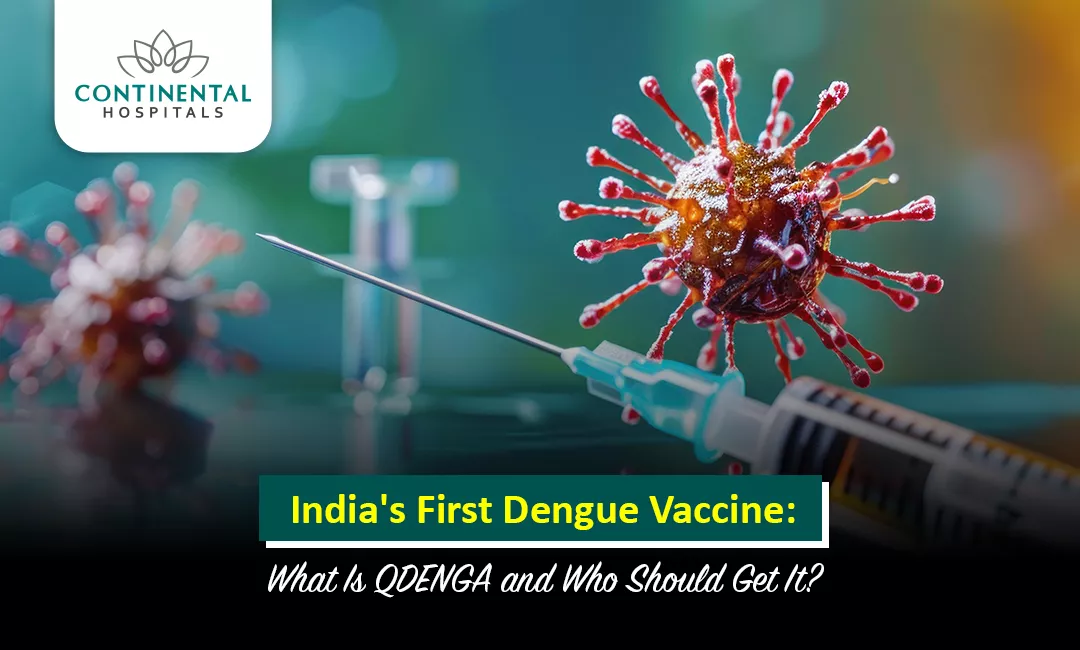
India's First Dengue Vaccine: What Is QDENGA and Who Should Get It?

Written by - Editorial Team
Medically Reviewed by - Dr Jagadeesh Kanukuntla

Dengue is one of the most common mosquito-borne viral infections, affecting millions of people every year. During the rainy season, the number of dengue cases often rises across many parts of India, making prevention more important than ever. With the introduction of India's first dengue vaccine, many people are asking an important question. What is QDENGA and who should get it?

The arrival of the dengue vaccine in India has created new hope in the fight against dengue. While mosquito control and personal protection continue to play a major role, vaccination is expected to become an important part of dengue prevention. Understanding how the QDENGA vaccine works, who may benefit from it, and when it should be considered can help people make informed healthcare decisions.

What Is Dengue?

Dengue is a viral infection caused by the dengue virus and is spread through the bite of infected Aedes mosquitoes. These mosquitoes usually bite during the daytime and breed in clean, stagnant water found around homes, offices, and public places.

Symptoms of dengue can range from mild to severe and may include:

  • High fever
  • Severe headache
  • Pain behind the eyes
  • Muscle and joint pain
  • Skin rash
  • Nausea and vomiting
  • Extreme tiredness

Some people may develop severe dengue, which can lead to internal bleeding, shock, and life-threatening complications if not treated on time.

Visit the Department of Internal Medicine at Continental Hospitals, one of the best hospitals in Hyderabad, for comprehensive care from experienced internal medicine specialists.

What Is QDENGA?

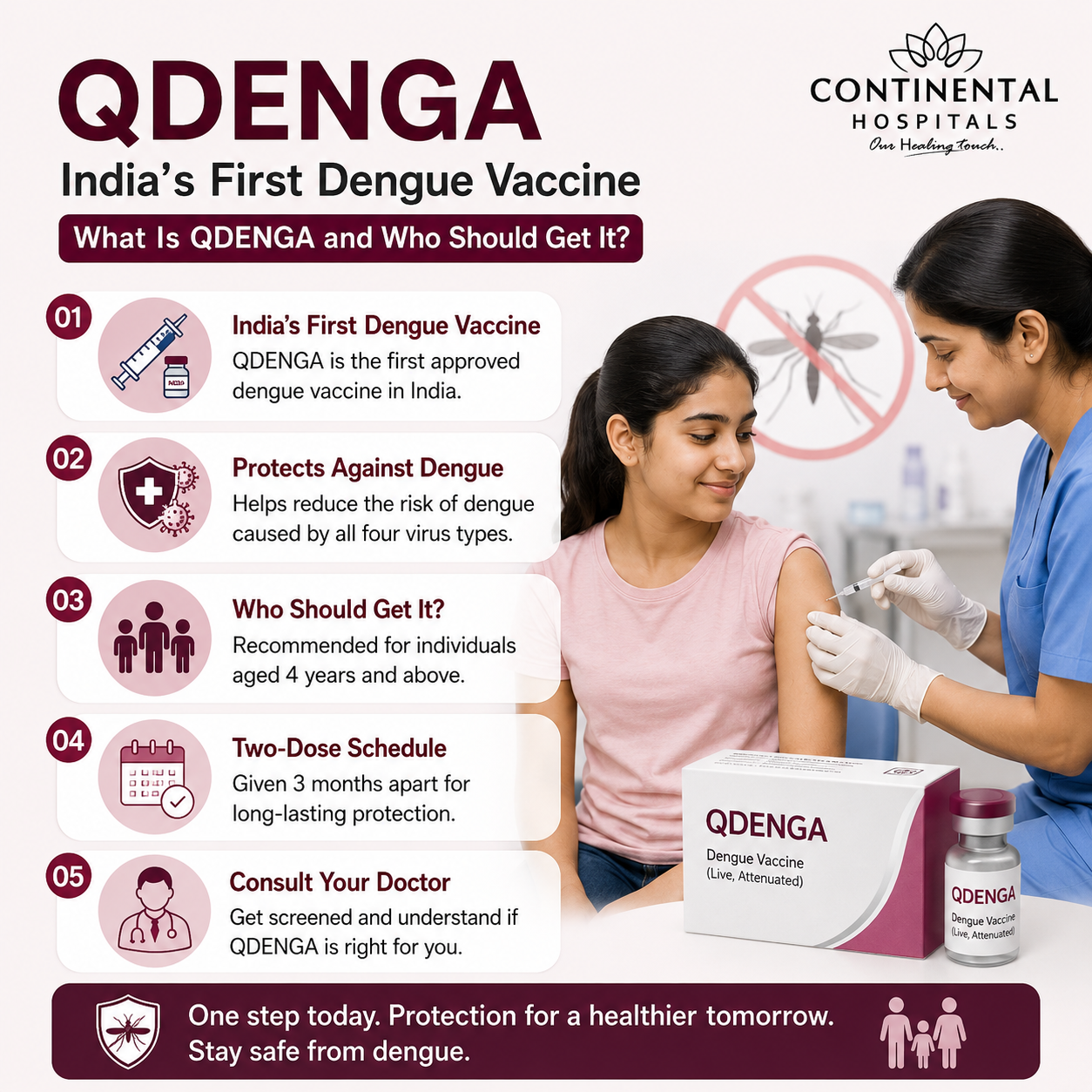
QDENGA is India's first dengue vaccine introduced to help protect people against dengue infection. The QDENGA vaccine is designed to provide protection against all four types of the dengue virus, reducing the risk of severe illness and hospitalization.

Unlike earlier dengue vaccines that had specific limitations, QDENGA has been developed to provide broader protection for eligible individuals. However, like every vaccine, it should only be taken after medical consultation and according to approved recommendations.

The availability of the dengue vaccine in India is an important milestone in strengthening public health efforts against dengue.

Second Opinion

How Does the QDENGA Vaccine Work?

The QDENGA vaccine helps your immune system recognize the dengue virus before natural exposure occurs. After vaccination, the body develops an immune response that prepares it to fight the virus if infection happens later.

The goal of dengue vaccination is to:

  • Reduce the chances of severe dengue
  • Lower the risk of hospitalization
  • Improve protection against multiple dengue virus types
  • Support long-term dengue control strategies

Vaccination does not replace mosquito bite prevention, but it adds another layer of protection.

Who Should Get the Dengue Vaccine in India?

Eligibility for the Dengue vaccine in India depends on national guidelines, medical history, age, and individual risk factors. A healthcare specialist will determine whether QDENGA is suitable for a particular person.

People who may benefit include:

  • Individuals living in areas where dengue is common
  • People with a higher risk of mosquito exposure
  • Travelers visiting dengue-affected regions
  • People advised by infectious disease or internal medicine specialists after proper evaluation

Vaccination decisions should always be made after consulting a qualified doctor.

Need an Appointment?

Who Should Speak to a Doctor Before Taking QDENGA?

Some individuals require careful medical assessment before receiving the QDENGA vaccine.

These include:

  • Pregnant women
  • Breastfeeding mothers
  • People with weakened immune systems
  • Individuals with severe allergies to vaccine ingredients
  • Anyone with ongoing serious medical conditions

A doctor can review your health history and recommend the safest option.

Does the Dengue Vaccine Provide Complete Protection?

No vaccine offers one hundred percent protection. The dengue vaccine in India significantly improves protection, but it should always be combined with everyday preventive measures.

You should continue to:

  • Use mosquito repellents
  • Wear full-sleeve clothing
  • Install window screens
  • Sleep under mosquito nets when necessary
  • Remove stagnant water around your home
  • Keep water storage containers covered

Combining dengue vaccination with mosquito control offers the best protection against dengue.

Why Is Dengue Prevention Still Important?

Even after receiving the QDENGA vaccine, preventing mosquito bites remains essential. Mosquitoes also spread other viral illnesses that vaccination cannot prevent.

Simple preventive habits include:

  • Empty water collected in flower pots and buckets
  • Clean rooftop water tanks regularly
  • Avoid water accumulation around your surroundings
  • Maintain proper sanitation
  • Encourage community mosquito control programs

Strong dengue prevention starts with both personal responsibility and community participation.

What Are the Benefits of India's First Dengue Vaccine?

The introduction of India's first dengue vaccine offers several important advantages.

Key benefits include the following:

  • Helps reduce severe dengue infections
  • Lowers the risk of hospitalization
  • Supports protection against multiple dengue virus types
  • Strengthens public health efforts
  • Complements mosquito control measures
  • Offers an additional preventive option for eligible individuals

As research and vaccination programs continue to grow, the dengue vaccine in India is expected to become an important part of future dengue control strategies.

Why Choose Continental Hospitals for Dengue Care?

Continental Hospitals is recognized as one of the best hospitals in Hyderabad, providing advanced care for infectious diseases with a strong focus on patient safety and clinical excellence.

Patients choose Continental Hospitals because of:

  • Experienced Infectious Disease specialists and Internal Medicine experts
  • Advanced diagnostic laboratories for early dengue detection
  • Modern intensive care facilities for severe dengue management
  • Comprehensive emergency services available around the clock
  • Personalized treatment plans based on every patient's condition
  • NABH-accredited and JCI-accredited healthcare standards that reflect excellence in quality and patient safety
  • Multidisciplinary care supported by experienced physicians, critical care specialists, and laboratory experts

Our team focuses on early diagnosis, timely treatment, and preventive guidance to help patients recover safely while reducing the risk of complications.

Conclusion

The arrival of India's first dengue vaccine marks an important step forward in protecting people from one of the country's most common mosquito-borne diseases. The QDENGA vaccine offers a promising option for eligible individuals by supporting stronger immunity and reducing the risk of severe dengue. However, vaccination should always be combined with mosquito control, personal protection, and regular medical guidance for the best results.

If you have questions about the Dengue vaccine in India, your eligibility for QDENGA, or need expert care for dengue symptoms, consult a qualified healthcare professional without delay.

If you or your family members have symptoms of dengue, want to know whether the QDENGA vaccine is right for you, or need expert guidance on dengue prevention, consult our best internal medicine specialist in Hyderabad at Continental Hospitals, the best hospital in Hyderabad. Early diagnosis, timely treatment, and preventive care can make a significant difference in protecting your health.

Related Blogs:

  1. Why Dengue Cases Rise During the Rainy Season
  2. Viral Fever vs Dengue: How to Identify

Frequently Asked Questions

QDENGA is India's first approved dengue vaccine, developed to help protect people against dengue fever caused by all four dengue virus serotypes. The vaccine uses a live attenuated virus technology to stimulate the body's immune response. Dengue has become a major public health concern in India due to seasonal outbreaks and rising infection rates. QDENGA represents a significant advancement in preventive healthcare by reducing the risk of severe dengue and hospitalization. Unlike previous prevention methods that focused mainly on mosquito control, vaccination offers an additional layer of protection. It is designed to prepare the immune system before exposure to the virus. Public health experts believe it can play a crucial role in reducing the overall burden of dengue. However, vaccination should always be combined with mosquito bite prevention measures such as eliminating stagnant water, using repellents, and wearing protective clothing.
QDENGA works by exposing the immune system to weakened forms of the dengue virus that cannot cause the disease but can trigger a protective immune response. This allows the body to develop antibodies and immune memory against all four dengue virus serotypes. If a vaccinated person is later infected through a mosquito bite, the immune system recognizes the virus and responds more effectively. This reduces the likelihood of severe illness and complications. The vaccine has been designed to provide broad protection rather than targeting only one strain. It helps strengthen the body's natural defenses before exposure occurs. Like all vaccines, it may not prevent every infection but can significantly lower the risk of severe dengue. The vaccine should be administered according to the recommended schedule for maximum effectiveness.
Eligibility for the QDENGA vaccine depends on national regulatory approvals, medical guidelines, age recommendations, and individual health conditions. It is generally intended for people living in dengue-endemic regions where the risk of infection is high. Healthcare providers evaluate factors such as age, medical history, previous dengue infection, and overall health before recommending vaccination. Individuals with weakened immune systems or certain medical conditions may require additional assessment. Travelers to regions with frequent dengue outbreaks may also benefit if they meet eligibility criteria. Parents should consult pediatricians before considering vaccination for children. Adults living in high-risk communities should discuss the vaccine with their physician. A healthcare professional can determine whether QDENGA is appropriate based on current clinical recommendations.
QDENGA is administered as a two-dose vaccine. The second dose is typically given three months after the first dose to help build stronger and longer-lasting immunity. Completing the full vaccination schedule is important because protection may not be optimal after only one dose. Individuals should follow the vaccination timeline recommended by their healthcare provider. Missing the second dose could reduce the overall effectiveness of the vaccine. Vaccination appointments should be planned carefully to ensure the complete course is received. Healthcare providers can advise on scheduling if a dose is delayed. Following the recommended dosing schedule helps maximize protection against dengue infection and severe disease.
No vaccine can guarantee complete protection against every infection, and QDENGA is no exception. However, clinical studies have shown that it can significantly reduce the risk of symptomatic dengue, severe dengue, and dengue-related hospitalization. Vaccinated individuals may still become infected, but the illness is generally expected to be less severe. This makes vaccination an important tool in reducing complications associated with dengue fever. People should continue practicing mosquito control measures even after vaccination. Using insect repellents, sleeping under mosquito nets, wearing full-sleeved clothing, and removing stagnant water remain essential preventive steps. Combining vaccination with these protective measures provides the best defense against dengue transmission.
Like most vaccines, QDENGA may cause mild and temporary side effects in some individuals. Common reactions include pain, redness, or swelling at the injection site, mild fever, headache, fatigue, and muscle aches. These symptoms usually resolve within a few days without requiring major treatment. Serious adverse reactions are uncommon but should be reported to a healthcare provider immediately if they occur. People should remain under observation for a short period after vaccination as advised by the vaccination center. Individuals with a history of severe allergic reactions should discuss their medical history with their doctor before receiving the vaccine. Overall, the benefits of vaccination generally outweigh the potential risks for eligible individuals.
People who have previously had dengue may still be eligible for QDENGA depending on current medical guidelines and their doctor's assessment. Previous infection with one dengue virus serotype does not provide complete protection against the other three serotypes. In fact, subsequent infections with different serotypes can sometimes increase the risk of severe dengue. Vaccination may help broaden immune protection against multiple strains. A healthcare provider will consider the individual's medical history, previous dengue diagnosis, age, and overall health before recommending vaccination. Patients should not assume that natural infection provides lifelong protection. Consulting a qualified physician is the best way to determine eligibility and timing for vaccination.
Yes. Vaccination should never replace mosquito prevention measures. While QDENGA offers important protection against dengue, avoiding mosquito bites remains essential because mosquitoes can transmit several other diseases, including chikungunya and Zika virus. People should eliminate stagnant water around their homes, use mosquito repellents, install window screens, wear long-sleeved clothing, and sleep under mosquito nets when necessary. Community participation in mosquito control programs also helps reduce disease spread. Maintaining good environmental hygiene limits mosquito breeding. Combining vaccination with effective mosquito control provides the strongest protection against dengue and other mosquito-borne illnesses. Preventive healthcare works best when multiple strategies are used together.
Disclaimer: The information provided in this blog is intended for general knowledge and informational purposes only, and does not constitute medical advice. Always consult with a qualified healthcare professional for any medical concerns or before making any decisions about your health.

Get in Touch With Us

Whether you are from India or abroad, we are here to help you with your medical queries. Please fill out the form below and our team will connect with you shortly.

  • ✔ Quick response from our medical experts
  • ✔ Secure data handling & privacy
  • ✔ Easy upload for reports & documents
banner_image

Chat with our medical experts on WhatsApp for quick assistance and hassle-free appointment booking

Recent Posts