post-title

What Is a Ketoplast Patch and How Does It Relieve Pain?

Written by - Editorial Team
Medically Reviewed by - Dr S Kiran Reddy

Pain can interrupt daily routines, disturb sleep, and reduce quality of life. For many people, topical pain relief options are a practical choice because they act locally and are easy to use. One such option widely recommended for muscle and joint discomfort is the ketoplast patch.

What Is a Ketoplast Patch?

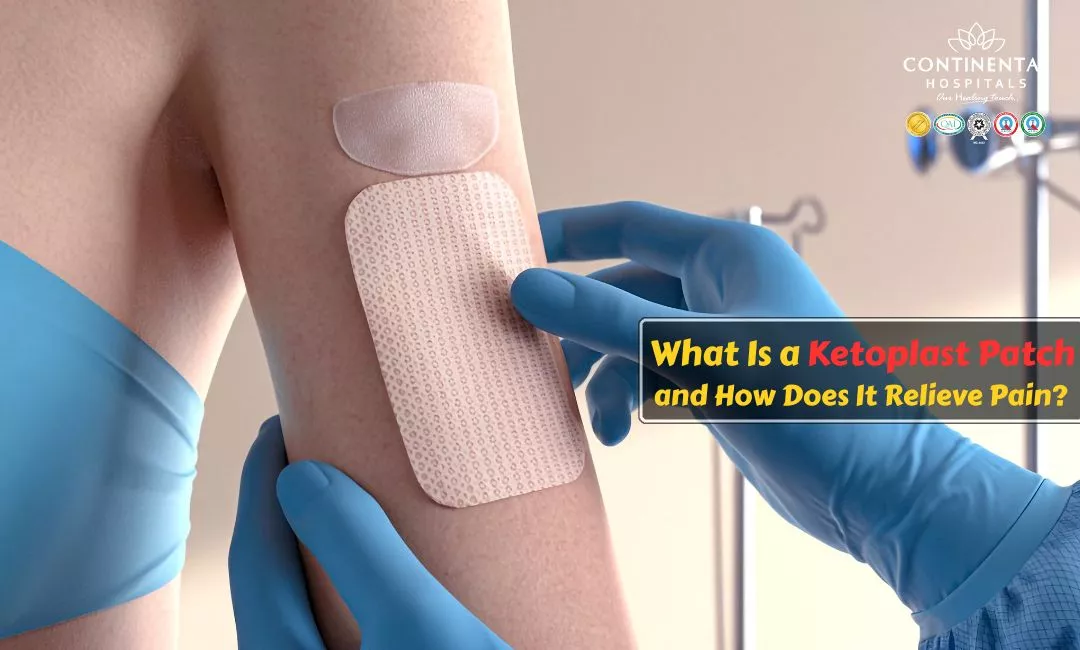
A ketoplast patch is a medicated pain relief patch applied directly to the skin over the painful area. It contains ketoprofen, a non steroidal anti inflammatory medicine that helps reduce pain and inflammation at the site of application.

Unlike oral painkillers that travel through the entire body, the ketoplast plaster works locally. This targeted action helps manage pain while reducing the risk of stomach irritation commonly linked with oral medications.

You may also hear it referred to as keto plast, ketoplast plus, or ketoplast plaster. While the names may vary, the purpose remains the same. To provide effective relief from localized pain and inflammation.

If ongoing pain persists or you’re unsure about ketoplast patch use, visit our top orthopedic doctors in Hyderabad at Continental Hospitals for expert care and lasting relief.
How Does a Ketoplast Patch Relieve Pain?

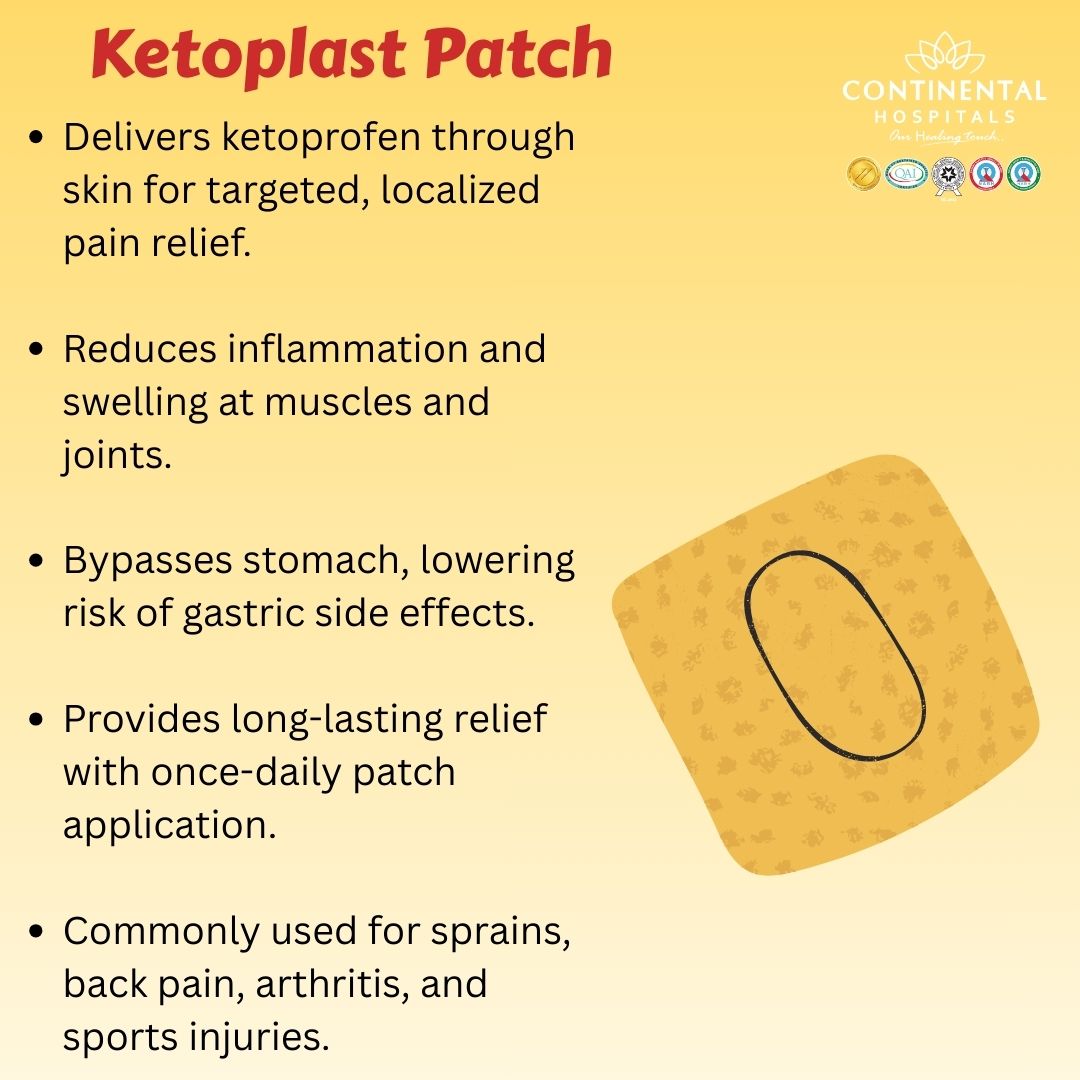
The ketoplast patch works by delivering ketoprofen slowly through the skin. Once absorbed, it blocks substances in the body called prostaglandins that cause pain and swelling.

Key ways it helps include:

  • Reducing inflammation at the affected site
  • Relieving muscle stiffness
  • Easing joint pain
  • Improving movement and comfort

Because the medicine is released steadily, pain relief can last for several hours depending on the ketoplast patch duration prescribed by the doctor.

Second Opinion

Common Uses of Ketoplast Patch?

Doctors often recommend the ketoplast patch use for conditions involving mild to moderate pain, such as:

  • Muscle strains and sprains
  • Back pain and neck pain
  • Sports injuries
  • Joint pain related to arthritis
  • Tendinitis and ligament injuries
  • Post injury swelling

It is especially helpful for people who prefer external pain relief or cannot tolerate oral anti inflammatory medicines.

How to Use Ketoplast Patch?

Using the patch correctly ensures better results and lowers the risk of skin irritation. Follow these simple steps for safe application.

Steps to apply ketoplast patch

  • Clean and dry the affected area.
  • Remove the protective liner from the patch.
  • Apply the patch directly over the painful area.
  • Press gently to ensure proper contact with the skin.
  • Leave it on for the duration advised by your doctor.

Important tips

  • Do not apply on broken or irritated skin.
  • Avoid exposure of the patch area to direct sunlight.
  • Wash hands after application.
  • Do not use more patches than prescribed.

If you are unsure about how to use ketoplast patch correctly, always consult a healthcare professional.

How effective is a Ketoplast patch for pain relief?

The ketoplast patch duration typically ranges from several hours to a full day, depending on the formulation and medical advice. Its controlled release mechanism ensures consistent pain relief without frequent reapplication.

Need an Appointment?

Many patients experience relief within a short time of application. However, the response can vary based on the severity of pain, skin type, and underlying condition.

Ketoplast Patch Side Effects?

Like all medicines, the ketoplast patch may cause side effects in some individuals, although most people tolerate it well.

Possible ketoplast patch side effects include:

  • Mild skin redness or itching
  • Rash at the application site
  • Burning sensation on sensitive skin

Rarely, allergic reactions may occur. If you notice severe irritation, swelling, or discomfort, remove the patch and seek medical advice immediately.

Who Should Avoid Using Ketoplast Patch?

The ketoplast patch may not be suitable for everyone. You should consult a doctor before use if you:

  • Are allergic to ketoprofen or similar medicines
  • Have sensitive skin or skin conditions
  • Are pregnant or breastfeeding
  • Are already using other topical pain medicines

Medical guidance ensures safe and effective pain management.

What is Ketoplast Plus and how is it different from other Ketoplast patches?

Ketoplast plus is a variation that may include additional components to enhance pain relief. The choice between standard ketoplast patch and ketoplast plus depends on the condition being treated and the doctor’s recommendation.

Never switch products without professional advice, even if symptoms seem similar.

What are the advantages of using a Ketoplast Patch?

The ketoplast patch offers several benefits compared to other pain relief methods.

Key advantages

  • Targeted pain relief at the source
  • Easy to apply and remove
  • Reduced risk of stomach related side effects
  • Suitable for daily activities
  • Non invasive option for pain management

These benefits make it a preferred choice for many patients dealing with localized pain.

When Should You See a Doctor?

While the ketoplast patch is helpful for temporary relief, persistent or severe pain should never be ignored. If pain lasts longer than a few days or worsens despite treatment, it may indicate an underlying condition that needs medical evaluation.

Consulting a specialist helps identify the cause and ensures the right treatment plan.

Why Choose Continental Hospitals for Pain Management?

Continental Hospitals is recognized as the best hospital in Hyderabad for comprehensive and patient focused care. The hospital is known for its international accreditations, advanced medical standards, and commitment to safety and quality.

Patients benefit from:

  • Experienced doctors across multiple specialties
  • Evidence based treatment protocols
  • Advanced diagnostic and therapeutic facilities
  • Integrated care for orthopedic, neurological, and musculoskeletal conditions

At Continental Hospitals, pain management is approached with precision, compassion, and personalized care.

Conclusion

The ketoplast patch is an effective and convenient option for managing localized pain and inflammation. By delivering medicine directly to the affected area, it provides targeted relief with fewer systemic effects. Understanding its use, duration, and possible side effects helps you use it safely and effectively.

If you suffer from ongoing pain or are unsure about using a ketoplast patch, consult our Best Orthopedic Specialists in Hyderabad at Continental Hospitals. Expert care, advanced facilities, and internationally accredited standards ensure you receive the right treatment for lasting relief.


Frequently Asked Questions

A Ketoplast patch is a medicated skin patch used to relieve localized pain and inflammation. It contains ketoprofen, which belongs to a group of medicines called nonsteroidal anti-inflammatory drugs (NSAIDs). The patch is applied directly over the painful area, allowing the medicine to pass through the skin and reach the affected tissues. This targeted delivery helps reduce pain without exposing the entire body to high medication levels. It is commonly prescribed for muscle strains, ligament injuries, sprains, tendon pain, and joint discomfort. Many people prefer the patch because it is convenient, easy to use, and provides continuous pain relief over several hours. However, it should only be used as directed by a healthcare professional to ensure safe and effective treatment.
The Ketoplast patch works by releasing ketoprofen slowly through the skin into the painful area. Ketoprofen blocks enzymes called cyclooxygenase (COX-1 and COX-2), which are responsible for producing prostaglandins. Prostaglandins are chemicals that cause pain, swelling, and inflammation after an injury or due to certain medical conditions. By reducing prostaglandin production, the patch helps decrease inflammation and eases pain. Since the medicine acts mainly where it is applied, it may reduce the likelihood of certain systemic side effects associated with oral NSAIDs. This makes it useful for people experiencing localized musculoskeletal pain. The patch offers steady medication delivery, providing longer-lasting comfort throughout the day.
A Ketoplast patch is commonly used for treating localized pain caused by sports injuries, muscle strains, sprains, tendon inflammation, and minor joint injuries. Doctors may also recommend it for conditions such as osteoarthritis affecting specific joints, back pain, shoulder pain, neck pain, and soft tissue injuries. It can help reduce swelling and improve movement while supporting recovery. The patch is intended for pain limited to one area rather than widespread body pain. It should not replace medical evaluation for severe injuries or persistent pain. A healthcare provider can determine whether a Ketoplast patch is appropriate based on the underlying cause of the pain and the patient's overall health.
Before applying a Ketoplast patch, clean and dry the affected area thoroughly. Remove the protective backing and place the patch directly over the painful region without stretching it. Avoid applying the patch to broken, infected, irritated, or damaged skin. Wash your hands after handling the patch unless your hands are the treatment area. Follow your doctor's instructions regarding how long the patch should remain in place and how often it should be replaced. Do not cover it with tight bandages unless specifically advised. If the patch becomes loose or falls off, follow the product instructions before applying another one. Proper application helps ensure consistent medication delivery and effective pain relief.
Most people tolerate a Ketoplast patch well, but some may experience mild skin reactions such as redness, itching, irritation, burning, or rash at the application site. These symptoms usually improve after removing the patch. Rarely, allergic reactions or increased sensitivity to sunlight may occur. Because ketoprofen can make the skin more sensitive to ultraviolet light, it is important to avoid excessive sun exposure on the treated area during use and for a period after treatment. Although systemic side effects are generally lower than with oral NSAIDs, they may still occur in certain individuals. If severe skin reactions, breathing difficulty, swelling, or worsening pain develops, discontinue use and seek immediate medical attention.
A Ketoplast patch may not be suitable for everyone. People who are allergic to ketoprofen, aspirin, or other NSAIDs should avoid using it unless advised otherwise by a doctor. It should not be applied to open wounds, eczema, infected skin, or severe skin irritation. Pregnant women, especially during the later stages of pregnancy, should use it only if specifically recommended by their healthcare provider. Individuals with severe kidney disease, liver disease, stomach ulcers, or certain heart conditions should discuss its safety with a doctor before use. Children should only use the patch under medical supervision. Always inform your healthcare provider about any medications or allergies before starting treatment.
A Ketoplast patch may be a good option for localized pain because it delivers medication directly to the affected area. This targeted approach can help reduce inflammation while potentially lowering exposure of the rest of the body to the drug. For some patients, this may decrease the risk of certain stomach-related side effects associated with oral NSAIDs. However, it may not be suitable for severe, widespread, or multiple-site pain where oral medication may provide broader relief. The best treatment depends on the type, severity, and cause of the pain. A healthcare provider can recommend the most appropriate pain management approach based on individual medical needs.
You should consult a doctor if your pain is severe, lasts for several days without improvement, or keeps returning despite treatment. Seek medical attention immediately if the pain follows a major injury, is associated with significant swelling, deformity, numbness, weakness, fever, or inability to move the affected limb. Medical evaluation is also important if the patch causes severe skin irritation, allergic reactions, or if your symptoms worsen during treatment. Persistent pain may indicate an underlying condition that requires further investigation or different therapy. Early diagnosis can help prevent complications and ensure that you receive the most appropriate treatment for your condition.
Disclaimer: The information provided in this blog is intended for general knowledge and informational purposes only, and does not constitute medical advice. Always consult with a qualified healthcare professional for any medical concerns or before making any decisions about your health.

Get in Touch With Us

Whether you are from India or abroad, we are here to help you with your medical queries. Please fill out the form below and our team will connect with you shortly.

  • ✔ Quick response from our medical experts
  • ✔ Secure data handling & privacy
  • ✔ Easy upload for reports & documents
banner_image

Chat with our medical experts on WhatsApp for quick assistance and hassle-free appointment booking

Recent Posts