post-title

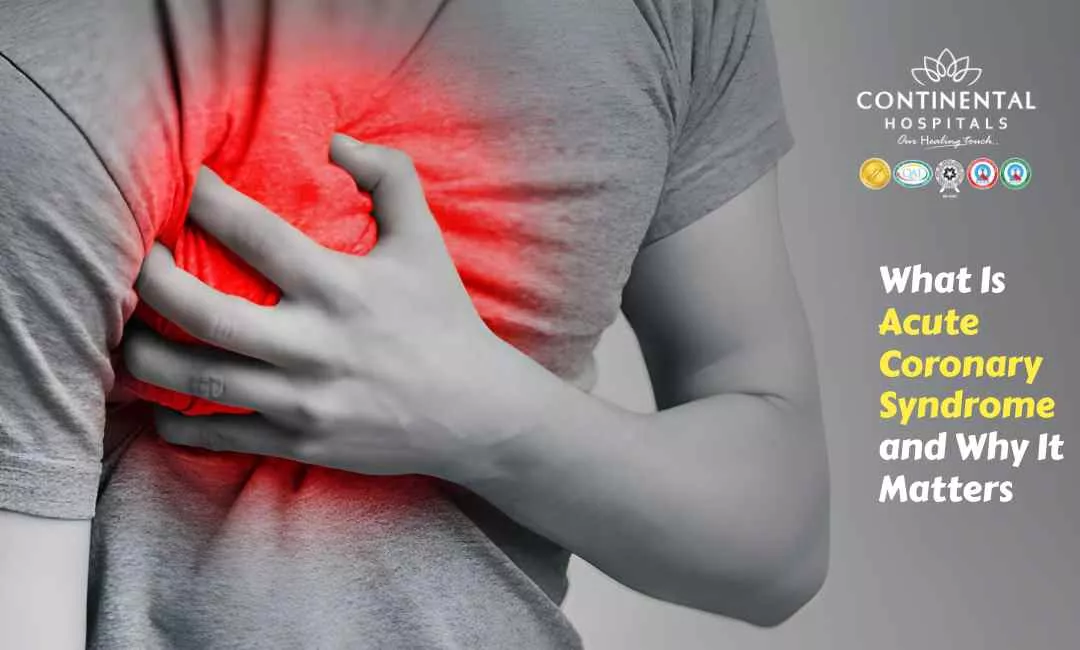
What Is Acute Coronary Syndrome and Why It Matters

Written by - Editorial Team
Medically Reviewed by - Dr Meeraji Rao Dandangi

Heart health is one of the most important aspects of our overall well-being. When the heart does not get enough blood flow, it can lead to serious complications. One such condition is Acute Coronary Syndrome (ACS). This medical term might sound complicated, but in simple words, it refers to sudden, reduced blood flow to the heart. It is a group of conditions that can cause chest pain, heart attack, or other serious heart issues. Understanding ACS can help you recognize early warning signs, seek timely care, and prevent life-threatening situations.

What Is Acute Coronary Syndrome?

Acute Coronary Syndrome is not just one disease. It is a term doctors use for a range of heart conditions linked to reduced blood supply to the heart muscle. These include:

Unstable Angina: Sudden chest pain that may occur at rest and does not go away with rest or medicine.

Non-ST Elevation Myocardial Infarction (NSTEMI): A type of heart attack caused by partial blockage of blood supply.

ST Elevation Myocardial Infarction (STEMI): A major heart attack caused by complete blockage of a coronary artery.

All of these are emergencies and need immediate medical attention. Without quick treatment, ACS can cause severe damage to the heart.

Visit the Best Cardiology Doctors in Hyderabad at Continental Hospitals and consult our best cardiologists in Hyderabad to protect your heart health.
What Causes Acute Coronary Syndrome?

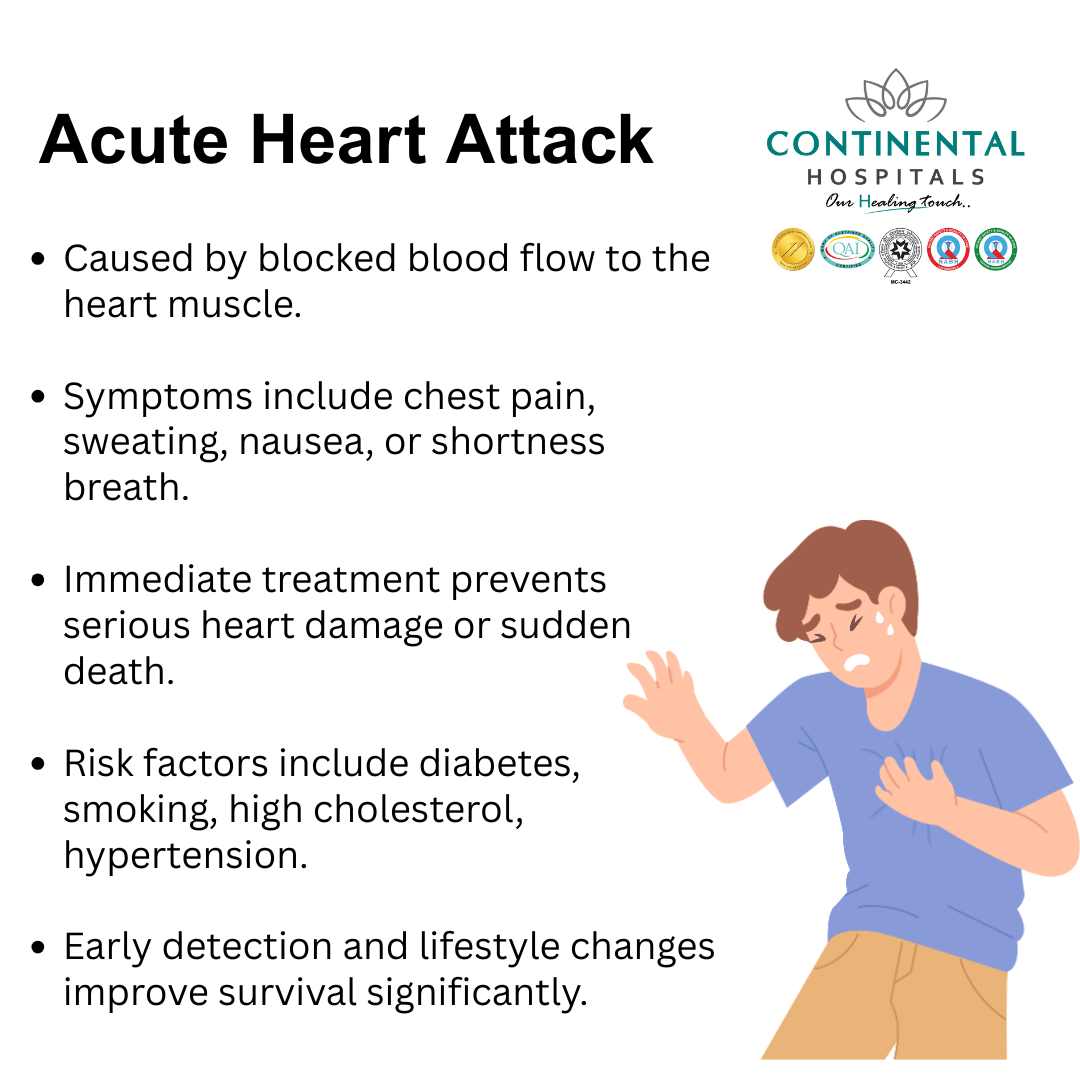
The main cause of ACS is plaque buildup in the coronary arteries. These arteries supply oxygen-rich blood to your heart. When a plaque breaks or ruptures, a blood clot forms and reduces or blocks blood flow.

Second Opinion

Other factors that increase the risk include:

  • High blood pressure
  • High cholesterol
  • Diabetes
  • Smoking
  • Obesity
  • Lack of physical activity
  • Family history of heart disease

What are the common symptoms of acute coronary syndrome you should never ignore?

Recognizing the symptoms of Acute Coronary Syndrome can save lives. Symptoms may differ between men and women, but the most common include:

  • Chest pain or pressure, often described as tightness or heaviness
  • Pain spreading to arms, neck, jaw, or back
  • Shortness of breath
  • Sudden sweating
  • Nausea or vomiting
  • Dizziness or fainting
  • Unusual fatigue

If you notice these symptoms, especially if they appear suddenly, you must seek emergency care immediately.

Why Acute Coronary Syndrome Matters?

Acute Coronary Syndrome matters because it can be life-threatening if not treated quickly. Heart tissue needs constant oxygen supply. When the blood flow is blocked, even for a few minutes, permanent damage can occur. This can lead to:

  • Major heart attacks
  • Severe heart muscle damage
  • Irregular heartbeats
  • Heart failure
  • Sudden cardiac arrest

With early diagnosis and the right treatment, many patients recover and return to normal life. Ignoring symptoms or delaying treatment increases the risk of long-term complications.

How Is Acute Coronary Syndrome Diagnosed?

Doctors use a combination of tests to confirm ACS:

Electrocardiogram (ECG): Measures electrical activity of the heart and detects heart attacks.

Need an Appointment?

Blood Tests: Check for proteins released when heart muscles are damaged.

Echocardiogram: Uses sound waves to see heart function.

Coronary Angiography: Shows blood flow in coronary arteries and identifies blockages.

What Are the Treatment Options for Acute Coronary Syndrome?

Treatment depends on the severity and type of ACS, but the main goal is to restore blood flow quickly. Common treatments include:

  • Medications to dissolve clots, reduce chest pain, and prevent further blockages.
  • Angioplasty and Stent Placement to open blocked arteries.
  • Bypass Surgery to create new pathways for blood to flow to the heart.

Lifestyle changes including healthy diet, exercise, quitting smoking, and regular check-ups.

How Can You Prevent Acute Coronary Syndrome?

Prevention is always better than cure. You can reduce your risk by:

  • Eating a balanced diet rich in fruits, vegetables, and whole grains.
  • Exercising regularly to keep your heart strong.
  • Maintaining healthy blood pressure and cholesterol levels.
  • Managing diabetes effectively.
  • Avoiding smoking and limiting alcohol.
  • Reducing stress with relaxation techniques.

Simple lifestyle changes can protect your heart and reduce the chances of developing ACS.

Why Choose Continental Hospitals for Heart Care?

When it comes to heart emergencies like Acute Coronary Syndrome, every minute counts. Continental Hospitals, Hyderabad, is a trusted name for advanced cardiac care.

  • Our hospital is JCI-accredited, which means we follow strict international standards for quality and safety.
  • We have state-of-the-art cardiac catheterization labs and advanced diagnostic facilities.
  • Our team of experienced cardiologists and cardiac surgeons is available round the clock.
  • We provide comprehensive cardiac care from emergency treatment to rehabilitation.
  • Patients trust us for our personalized care, advanced technology, and patient-first approach.

Choosing Continental Hospitals means you are choosing world-class care and the highest standards of treatment for your heart.

What Should You Do If You Suffer From Symptoms of Acute Coronary Syndrome (ACS)?

If you suffer from sudden chest pain, breathlessness, or other heart-related symptoms, do not delay seeking medical help. Immediate care can save your life and prevent complications. At Continental Hospitals, our expert team is ready 24/7 to handle cardiac emergencies with speed and precision.

Conclusion

Acute Coronary Syndrome is a serious condition that requires immediate attention. Recognizing the warning signs, understanding the risks, and acting quickly can make the difference between life and death. With advanced facilities and internationally accredited standards, Continental Hospitals, Hyderabad, is your trusted partner in cardiac care.

Book your consultation today with our Best Cardiologist in hyderabad at Continental Hospitals and protect your heart health.

Frequently Asked Questions

Acute Coronary Syndrome (ACS) is a medical emergency caused by a sudden reduction or complete blockage of blood flow to the heart muscle. It is an umbrella term that includes unstable angina, Non-ST Elevation Myocardial Infarction (NSTEMI), and ST-Elevation Myocardial Infarction (STEMI). ACS usually occurs when a fatty plaque inside a coronary artery ruptures and forms a blood clot. This prevents oxygen-rich blood from reaching the heart muscle. Without immediate treatment, heart tissue can become permanently damaged. Common symptoms include chest pain, pressure, tightness, shortness of breath, sweating, nausea, and pain radiating to the jaw, neck, or arm. However, symptoms may differ in women, older adults, and people with diabetes. Early diagnosis and emergency treatment significantly improve survival and reduce long-term complications.
The most common warning sign of Acute Coronary Syndrome is sudden chest pain or discomfort that may feel like pressure, squeezing, heaviness, or burning. The pain may spread to the shoulders, arms, jaw, neck, or back. Many people also experience shortness of breath, cold sweats, nausea, vomiting, dizziness, or unusual fatigue. Women, older adults, and people with diabetes may have less typical symptoms such as indigestion, weakness, or mild chest discomfort. Symptoms can appear suddenly or develop gradually over several hours. They may come and go or persist continuously. Ignoring these warning signs can lead to severe heart damage or death. Anyone experiencing these symptoms should seek emergency medical attention immediately.
Acute Coronary Syndrome is most commonly caused by coronary artery disease, where cholesterol-rich plaques build up inside the arteries supplying blood to the heart. When one of these plaques ruptures, a blood clot forms rapidly and blocks blood flow. Risk factors include high blood pressure, high cholesterol, diabetes, obesity, smoking, lack of physical activity, unhealthy diet, chronic stress, and excessive alcohol consumption. A family history of heart disease and increasing age also raise the risk. In rare cases, coronary artery spasm, spontaneous coronary artery dissection, or blood clotting disorders may trigger ACS. Managing these risk factors significantly reduces the likelihood of developing Acute Coronary Syndrome.
Doctors diagnose Acute Coronary Syndrome by combining the patient's symptoms, medical history, physical examination, and emergency diagnostic tests. An electrocardiogram (ECG) is usually performed immediately to detect changes in the heart's electrical activity. Blood tests measuring cardiac biomarkers such as troponin help identify heart muscle damage. Additional tests may include echocardiography, coronary angiography, CT coronary angiography, stress testing after stabilization, or cardiac MRI in selected patients. Prompt diagnosis helps determine whether the patient has unstable angina, NSTEMI, or STEMI. Accurate identification allows doctors to begin life-saving treatment without delay and improve overall outcomes.
Treatment for Acute Coronary Syndrome begins immediately to restore blood flow and limit heart muscle damage. Emergency medications may include aspirin, antiplatelet drugs, anticoagulants, nitrates, beta-blockers, statins, and pain-relieving medicines. Patients with blocked coronary arteries often require coronary angioplasty with stent placement, also known as Percutaneous Coronary Intervention (PCI). Some individuals with extensive coronary artery disease may need Coronary Artery Bypass Grafting (CABG) surgery. Continuous monitoring is essential during hospitalization to detect complications. After recovery, cardiac rehabilitation, lifestyle modifications, and long-term medications help prevent future heart attacks and improve quality of life.
Although not every case can be prevented, the risk of Acute Coronary Syndrome can be significantly reduced through healthy lifestyle choices and proper medical care. Maintaining healthy blood pressure, cholesterol, and blood sugar levels is essential. Eating a balanced diet rich in fruits, vegetables, whole grains, and lean proteins supports heart health. Regular physical activity, maintaining a healthy weight, quitting smoking, limiting alcohol, and managing stress all lower cardiovascular risk. Individuals with diabetes or existing heart disease should follow prescribed medications and attend regular medical check-ups. Routine health screenings can identify risk factors early and allow timely intervention before a cardiac emergency develops.
Several factors increase the risk of developing Acute Coronary Syndrome. People over the age of 45 for men and 55 for women generally have a higher risk. Smoking, diabetes, hypertension, high cholesterol, obesity, kidney disease, sedentary lifestyle, and unhealthy eating habits contribute significantly. A family history of early heart disease also increases susceptibility. Chronic stress, poor sleep, and certain inflammatory conditions may further raise cardiovascular risk. Individuals who have previously experienced a heart attack or undergone coronary procedures remain at increased risk. Recognizing these factors allows patients and healthcare providers to focus on preventive strategies and reduce the likelihood of future cardiac events.
Immediate treatment is critical because every minute of reduced blood flow causes progressive damage to the heart muscle. Delaying treatment increases the risk of permanent heart injury, heart failure, dangerous arrhythmias, cardiogenic shock, and sudden cardiac death. Rapid medical intervention can restore blood flow through medications, angioplasty, or surgery, preserving heart function and improving survival. Patients who receive treatment within the recommended time window generally experience fewer complications and better long-term outcomes. Calling emergency medical services instead of driving to the hospital ensures early medical support during transport. Acting quickly when symptoms appear can save both heart muscle and lives.
Disclaimer: The information provided in this blog is intended for general knowledge and informational purposes only, and does not constitute medical advice. Always consult with a qualified healthcare professional for any medical concerns or before making any decisions about your health.

Get in Touch With Us

Whether you are from India or abroad, we are here to help you with your medical queries. Please fill out the form below and our team will connect with you shortly.

  • ✔ Quick response from our medical experts
  • ✔ Secure data handling & privacy
  • ✔ Easy upload for reports & documents
banner_image

Chat with our medical experts on WhatsApp for quick assistance and hassle-free appointment booking

Recent Posts