
• Share this:
post-title

What Is Sarcopenia and Why Does It Matter?

Written by - Editorial Team
Medically Reviewed by - Dr GK Sudhakar Reddy

As people get older, changes tend to happen to the body. A common but often neglected health problem is sarcopenia, a progressive loss of muscle that accompanies aging. Many older people experience decreased strength and slower movements, making simple movements and daily tasks more difficult. Yet they may not be aware that these changes may be due to age-related muscle loss.

Sarcopenia is not a normal sign of aging. In fact, it is a serious medical condition that can have a negative effect on your mobility, your independence, your balance, and your overall health. Muscle strength is a major factor in staying healthy, preventing falls and accommodating healthy aging. Without intervention, sarcopenia could lead to an increased risk of fractures, longer lengths of hospital stay, and even long-term disability.

But the bright side with sarcopenia is that, in many cases, it can be managed or slowed down with a timely diagnosis, appropriate nutrition, exercise and medical treatment. Understanding the symptoms, causes, and treatment options can mean the difference between an older adult who remains active, independent, and healthier for longer.

Sarcopenia: What Is It?

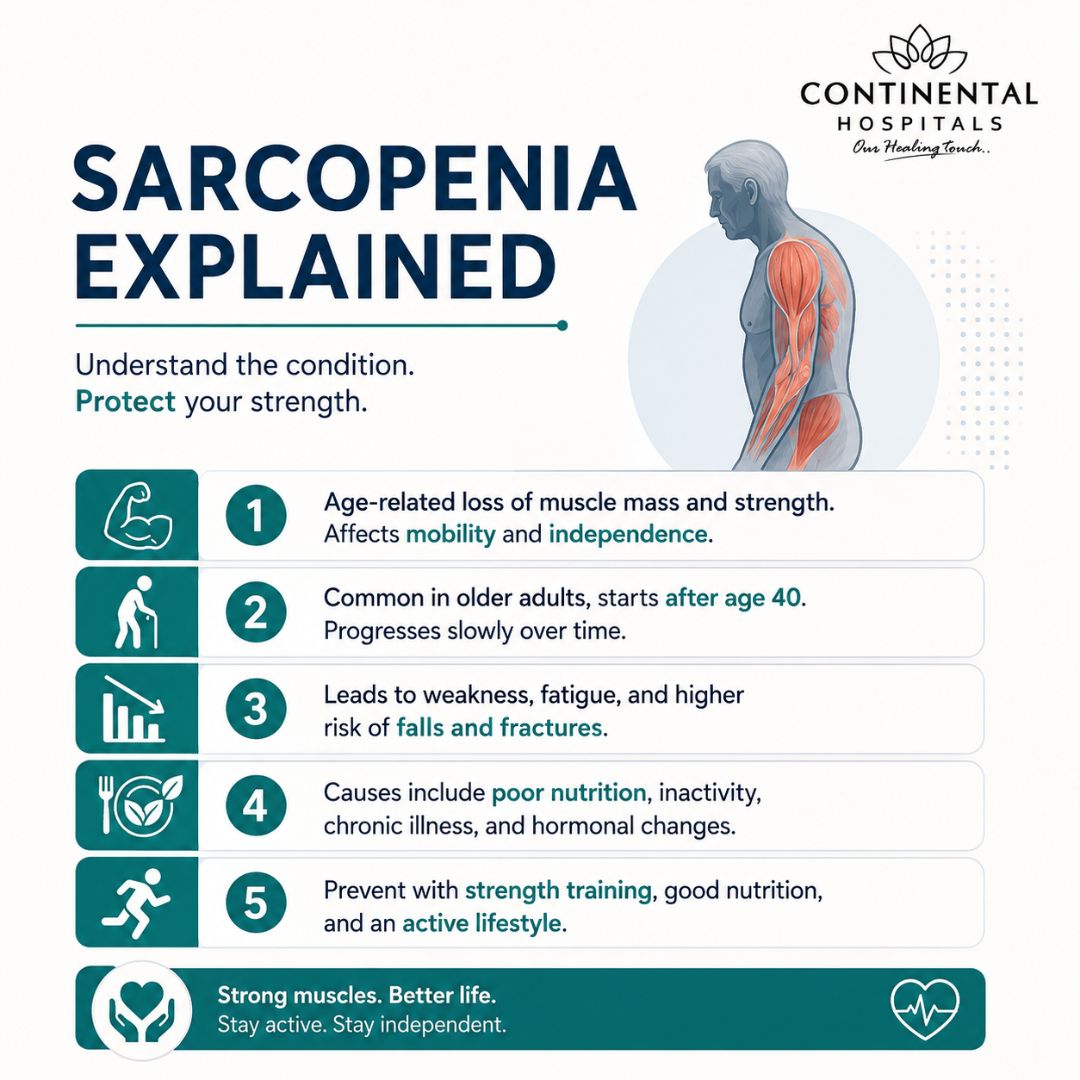
Sarcopenia is the progressive loss of muscle mass, strength, and function that typically happens with age. Whereas some degree of muscle loss with aging is normal, sarcopenia is characterized by a marked loss of muscle that leads to changes in physical performance and daily functioning.

This condition develops gradually after the age of 50 and can become exaggerated if not treated. Sarcopenia can affect walking, rising from a chair, lifting objects, ascending stairs, and maintaining balance.

For expert diagnosis and advanced treatment of sarcopenia, visit the Best Orthopedic Hospital in Hyderabad. Our experienced orthopedic specialists provide comprehensive care to help improve muscle strength, mobility, and overall quality of life.

What Are the Common Sarcopenia Symptoms?

Sarcopenia symptoms vary from person to person. For many patients, symptoms develop gradually and may be superficially attributed to natural aging.

Common sarcopenia symptoms include:

  • Muscle weakness in older adults
  • Smaller and weaker muscles
  • Difficulty walking or climbing stairs
  • Slow movement and poor balance
  • Increased risk of falls and injury
  • Leg and back fatigue; low energy level
  • Difficulty carrying heavy objects in daily life
  • Decreased physical fitness

If it is not properly treated, sarcopenia can lead to difficulties with independence and quality of life.

Second Opinion

What Causes Age-Related Muscle Loss?

Age-related muscle loss can be caused by several different factors. A natural part of the aging process, it takes a further toll on muscle maintenance. Lifestyle choices and medical conditions can further worsen the condition.

What Are the Causes of Age-Related Muscle Loss?

Hormone levels fall, protein synthesis slows, and muscles are less able to repair themselves as people age. These natural processes contribute to the loss of muscle mass that often accompanies aging.

Show your face or your skull?

The lack of exercise is one of the strongest causes of sarcopenia. Muscles need consistent exercise and resistance training to stay strong.

How can poor nutrition cause sarcopenia?

Need an Appointment?

Nutrition is important for maintaining good muscle health. Not eating enough protein, vitamin deficiencies, and poor overall nutrition can all speed up muscle loss and sarcopenia.

Which Medical Conditions Increase the Risk?

Some chronic health conditions are associated with an increased risk of sarcopenia, including:

  • Diabetes
  • Heart disease
  • Obesity
  • Arthritis
  • Chronic kidney disease
  • Neurological problems

Who Is More Prone to Having Sarcopenia?

Some people are more likely to get the condition than others.

Risk factors for sarcopenia are:

  • Being over 60 years old
  • Leading a sedentary lifestyle
  • An unhealthy diet
  • Smoking and binge drinking
  • Long-term illness
  • Hormonal imbalance
  • Hospitalization/bed rest

Early detection and understanding can prevent a drastic loss of functional ability in older adults.

How Is Sarcopenia Diagnosed?

To diagnose sarcopenia, your doctor may use a physical exam, muscle strength testing, and imaging tests.

Diagnostic tests include the following:

  • Grip strength test
  • Walking speed test
  • Measuring muscle mass
  • Body composition test
  • Physical performance test

Early detection can improve the prognosis because sarcopenia can be treated early to help preserve your independence.

What Are the Best Treatments for Sarcopenia?

Sarcopenia treatment aims to increase muscle strength, mobility, and quality of life.

How Does Exercise Help Treat Sarcopenia?

Physical activity, and particularly resistance and strength training exercises, is often regarded as one of the most successful forms of sarcopenia treatment.

Typical exercises include the following:

  • Weight training
  • Walking
  • Stretching
  • Balance training
  • Low-impact aerobic exercise

Can Nutrition Help Sarcopenia?

A plentiful protein intake is critical for muscle repair. Doctors may suggest:

  • Lean proteins
  • Eggs, dairy products
  • Nuts, seeds
  • Vitamin D supplements
  • Foods that are high in calcium

How to Prevent Sarcopenia in Older Adults?

The best way to prevent muscle loss with aging is to maintain healthy lifestyle routines.

Tips to help prevent sarcopenia:

  • Be physically active every day
  • Eat a balanced and high-protein diet
  • Maintain adequate weight
  • Avoid smoking/tobacco use and excessive alcohol use
  • Routine health check evaluations
  • Manage chronic medical conditions with frequent follow-ups

Even modest lifestyle changes can go a long way in preserving muscle strength and mobility.

When to See a Doctor for Sarcopenia?

See a doctor right away if you experience:

  • Persistent muscle weakness
  • Difficulty walking or standing
  • Frequent falls
  • Loss of muscle mass
  • Trouble performing daily activities
  • Ongoing fatigue or reduced mobility

Timely medical attention can help prevent complications and improve long-term health outcomes.

Why Choose Continental Hospitals for Sarcopenia Treatment?

Continental Hospitals is dedicated to providing the best care to patients suffering from sarcopenia and muscle weakness in elderly people.

Why is Continental Hospitals the best choice to treat sarcopenia?

  • Experienced expert specialists in geriatric and rehabilitation care
  • Equipment for diagnosis and treatment
  • A multidisciplinary approach to take care of the patient
  • Individual treatment plan
  • JCI accreditation
  • NABH accreditation
  • Cutting-edge infrastructure and modern facilities
  • 24/7 Emergency & Critical care facilities
  • Meticulous and compassionate patient care

Our team works to improve strength, mobility, independence, and overall quality of life of each patient.

conclusion

Sarcopenia is common and serious. While the loss of muscle with aging may be inevitable, early diagnosis and adequate care can make a significant difference. Regular exercise, a good diet, and timely medical care can help maintain your muscle strength and avoid complications.

With appropriate treatment and lifestyle modifications, sarcopenia patients can continue to lead an active, healthy, and independent life.

For any queries related to sarcopenia, consult our best orthopedic doctor in Hyderabad at Continental Hospitals. For the best diagnostics, treatment, and comprehensive care, visit Continental Hospitals.

Frequently Asked Questions

Sarcopenia is an age-related condition characterized by progressive loss of muscle mass, muscle strength, and physical performance. It commonly affects older adults and can reduce mobility, balance, and overall quality of life. Sarcopenia develops gradually and may begin as early as the fourth decade of life, becoming more noticeable with aging. Common symptoms include muscle weakness, fatigue, slower walking speed, and difficulty performing daily tasks. Poor nutrition, lack of exercise, chronic diseases, and hormonal changes can increase the risk. Sarcopenia can affect independence and increase the chances of falls and fractures. Early diagnosis and treatment are important to prevent complications. Strength training, proper protein intake, and medical guidance play a major role in managing the condition. With timely intervention, many people can maintain muscle health and improve physical function.
Sarcopenia matters because it significantly impacts the health, mobility, and independence of older adults. As muscle strength declines, everyday activities such as walking, climbing stairs, carrying groceries, or standing up from a chair become difficult. Sarcopenia increases the risk of falls, fractures, disability, and hospitalizations. It can also contribute to poor balance, slower recovery after illness, and reduced physical endurance. Older adults with sarcopenia may experience lower confidence and social isolation due to mobility limitations. In severe cases, the condition can lead to loss of independence and the need for long-term care. Sarcopenia is also associated with chronic illnesses like diabetes, osteoporosis, and heart disease. Early recognition and treatment can improve muscle function and quality of life. Maintaining muscle health is essential for healthy aging and long-term well-being.
The common symptoms of sarcopenia include muscle weakness, reduced muscle size, fatigue, and difficulty performing routine physical activities. People may notice trouble walking long distances, climbing stairs, lifting objects, or getting up from a seated position. Slow walking speed and poor balance are also frequent signs. Some individuals experience frequent falls or instability while moving. Loss of stamina and reduced grip strength are additional indicators of muscle decline. Sarcopenia can also cause reduced physical performance and lower overall energy levels. In advanced stages, it may affect independence and daily functioning. Symptoms often develop gradually and may be mistaken as a normal part of aging. However, persistent muscle weakness should not be ignored. Early medical evaluation can help diagnose sarcopenia and prevent further muscle deterioration.
Age-related muscle loss, known as sarcopenia, occurs due to a combination of biological and lifestyle factors. Aging naturally reduces muscle-building hormones and decreases the body’s ability to regenerate muscle tissue. Physical inactivity is one of the major contributors, especially in people with sedentary lifestyles. Poor nutrition, particularly inadequate protein intake, can accelerate muscle loss. Chronic illnesses such as diabetes, cancer, kidney disease, and arthritis may also contribute to sarcopenia. Inflammation, hormonal imbalances, and reduced nerve function can further weaken muscles. Prolonged bed rest or hospitalization may lead to rapid muscle decline. Obesity can also worsen sarcopenia by affecting muscle quality and mobility. Smoking and excessive alcohol use are additional risk factors. Understanding these causes is important for prevention and early management of muscle loss with aging.
Sarcopenia is diagnosed through a combination of physical assessments, medical history, and diagnostic tests. Doctors evaluate muscle strength, muscle mass, and physical performance to confirm the condition. Common tests include grip strength measurements, walking speed assessments, and chair stand tests. Imaging studies such as DEXA scans or bioelectrical impedance analysis may be used to measure muscle mass. Physicians also assess symptoms like fatigue, weakness, and reduced mobility. Blood tests may help identify nutritional deficiencies, inflammation, or underlying medical conditions contributing to muscle loss. Early diagnosis is important because sarcopenia can progress gradually over time. Identifying the condition at an early stage allows for timely treatment and lifestyle modifications. Regular health screenings are especially important for older adults at higher risk. A personalized treatment plan can then be developed to improve muscle health and physical function.
Yes, sarcopenia can often be prevented or delayed with healthy lifestyle choices and early intervention. Regular physical activity, especially strength and resistance training exercises, is one of the most effective ways to maintain muscle mass and strength. Eating a balanced diet with adequate protein intake also supports muscle health. Older adults should consume nutrient-rich foods containing vitamins, minerals, and healthy fats. Staying physically active through walking, stretching, and balance exercises can improve mobility and reduce muscle decline. Managing chronic medical conditions such as diabetes and heart disease is equally important. Avoiding smoking and excessive alcohol consumption may further reduce the risk of muscle loss. Maintaining a healthy body weight and getting enough sleep also support muscle function. Regular medical checkups can help detect early signs of sarcopenia. Prevention strategies can improve overall health, independence, and quality of life as people age.
The best treatment options for sarcopenia focus on improving muscle strength, increasing muscle mass, and enhancing physical performance. Resistance and strength-training exercises are considered the cornerstone of sarcopenia treatment. These exercises help rebuild muscle tissue and improve mobility. Nutritional support, especially adequate protein intake, is also essential for muscle recovery and growth. Doctors may recommend vitamin D supplementation if deficiencies are present. In some cases, physical therapy may be advised to improve balance, coordination, and endurance. Managing underlying health conditions such as diabetes, arthritis, or hormonal imbalances is also important. Lifestyle modifications including regular exercise and maintaining a healthy weight contribute to better outcomes. Early intervention can significantly slow the progression of muscle loss. Treatment plans are usually personalized based on age, health status, and severity of symptoms. With proper care, many individuals can regain strength and improve their quality of life.
A person should see a doctor if they experience persistent muscle weakness, difficulty walking, poor balance, or unexplained fatigue. Frequent falls, trouble climbing stairs, or difficulty performing routine activities may also indicate sarcopenia. Early medical evaluation is important because muscle loss can worsen over time without treatment. Older adults who notice a decline in strength or physical performance should not ignore these symptoms as normal aging alone. A doctor can assess muscle health, identify underlying causes, and recommend appropriate treatment options. Timely diagnosis may help prevent complications such as fractures, disability, and loss of independence. Individuals with chronic diseases or prolonged inactivity may be at higher risk and should undergo regular health checkups. Nutritional deficiencies and hormonal issues can also contribute to muscle weakness. Seeking medical attention early improves the chances of successful management. Proper treatment and lifestyle changes can help maintain strength and mobility.
Disclaimer: The information provided in this blog is intended for general knowledge and informational purposes only, and does not constitute medical advice. Always consult with a qualified healthcare professional for any medical concerns or before making any decisions about your health.

Get in Touch With Us

Whether you are from India or abroad, we are here to help you with your medical queries. Please fill out the form below and our team will connect with you shortly.

  • ✔ Quick response from our medical experts
  • ✔ Secure data handling & privacy
  • ✔ Easy upload for reports & documents
0 / 100
Checkboxes Section


Chat with our medical experts on WhatsApp for quick assistance and hassle-free appointment booking

Recent Posts
Language Based Image
0 / 100