• Share this:
post-title

Why Do Women Get Mood Swings Before Periods?

Written by - Editorial Team
Medically Reviewed by - Dr Niharika Reddy K

Have you ever found yourself tearing up over a minor inconvenience or feeling a sudden wave of irritation just days before your period begins? If this sounds familiar, you are not alone. Many women experience these sudden shifts in emotional health every single month, often wondering why their emotional balance feels so fragile. These emotional fluctuations are a deeply rooted biological response that millions of women navigate during their monthly reproductive cycles.

Understanding the root cause of these emotional changes is the first step toward managing them effectively. The emotional shifts that occur before a period are not just imaginary symptoms, nor are they a sign of personal weakness. They are real, measurable physiological responses driven by the complex chemical communication systems inside the human body. When these fluctuations begin to disrupt daily life, relationships, and work performance, it becomes crucial to look at the underlying science of women's health.

Navigating the emotional ups and downs of the menstrual cycle requires both medical insights and practical strategies. By exploring how hormones interact with brain chemistry, we can demystify these monthly changes and find effective ways to regain control. Let us dive into the biological mechanisms that explain why your mood changes, how to identify when these symptoms require medical attention, and why expert healthcare makes a significant difference.

What is the connection between hormones and mood swings?

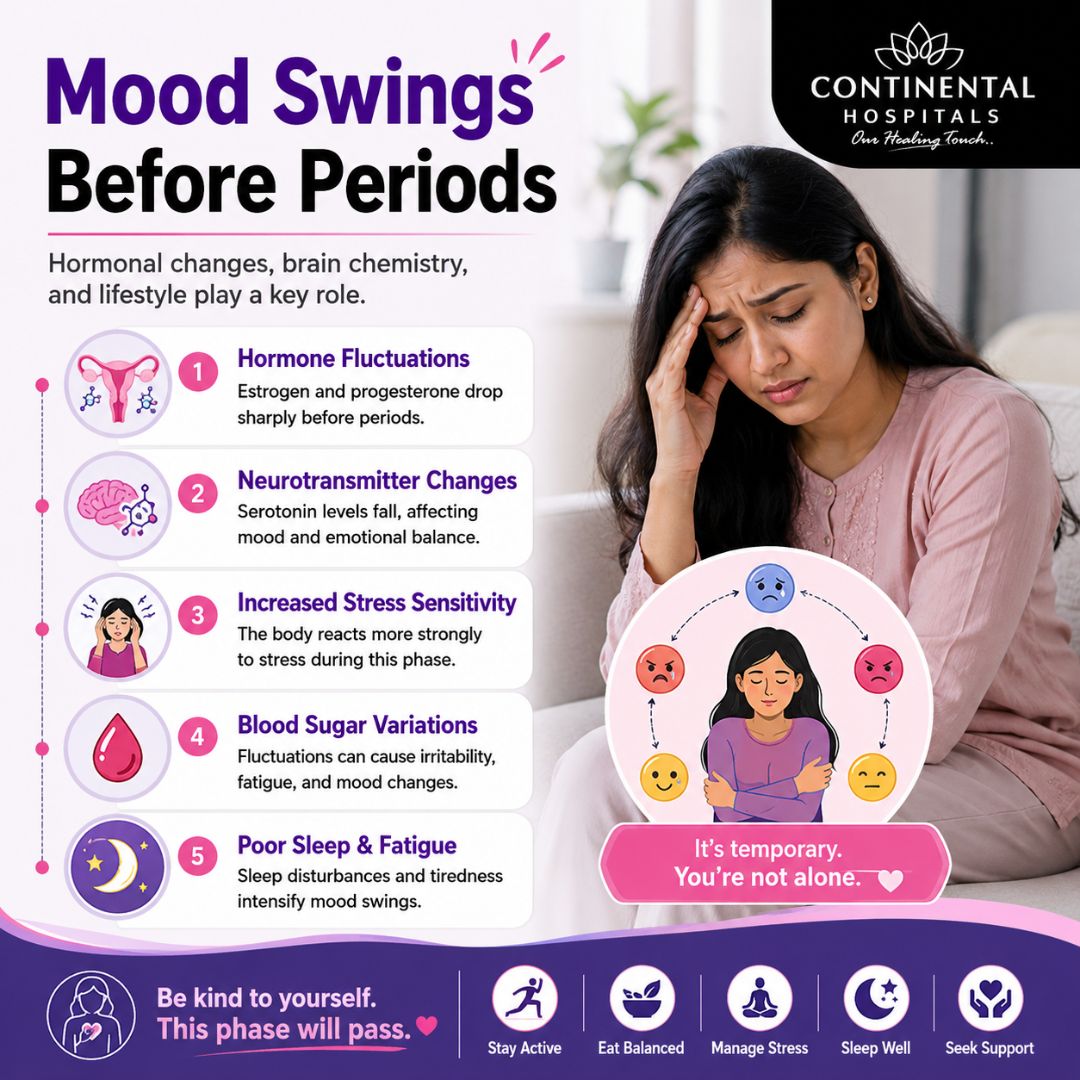
The primary reason behind the emotional turbulence felt before a period lies in the continuous fluctuation of hormones throughout the menstrual cycle. During a normal reproductive cycle, the levels of estrogen and progesterone change dramatically to prepare the body for a potential pregnancy.

  • The Estrogen Drop: Estrogen levels peak during the first half of your cycle and then drop sharply after ovulation occurs. This sudden decline can trigger a noticeable dip in your emotional stability.
  • The Progesterone Rise and Fall: Progesterone increases in the second half of the cycle. While it is meant to have a calming effect, some women are highly sensitive to its shifting levels, leading to increased irritability.
  • The Neurotransmitter Link: These chemical shifts do not stay confined to the reproductive system. Hormones travel through the bloodstream and directly interact with neurotransmitters in the brain, which are the chemicals responsible for regulating your emotional state.

Visit our Gynecology Department at Continental Hospitals, Hyderabad, for expert care tailored to every stage of a woman's life.

How does serotonin affect your emotional health?

Serotonin is a crucial brain chemical often referred to as the happy neurotransmitter because it helps stabilize your mood, sleep patterns, and feelings of well-being. Estrogen plays a significant role in controlling the production and uptake of serotonin in the brain.

  • Lower Serotonin Levels: When estrogen drops rapidly in the days leading up to your period, serotonin levels drop right along with it.
  • Emotional Symptoms: This sudden deficit in serotonin can lead to sadness, food cravings, sleep disturbances, and fatigue.
  • Anxiety and Irritation: A lack of consistent serotonin makes it much harder for the brain to regulate stress, which explains why minor problems can suddenly feel completely overwhelming.
Is it premenstrual syndrome or something more severe?

For most women, mild emotional changes are a standard part of premenstrual syndrome, which is commonly known as PMS. PMS includes a wide cluster of physical and emotional symptoms that appear after ovulation and vanish shortly after the period starts. However, when the emotional distress becomes entirely unmanageable, it might point to a more severe condition known as premenstrual dysphoric disorder, or PMDD.

  • Understanding PMS: Premenstrual syndrome can cause mild to moderate anxiety, crying spells, and irritability, but it generally allows you to carry out your daily responsibilities.
  • Identifying PMDD: Premenstrual dysphoric disorder is a severe, chronic medical condition that goes far beyond typical PMS. It causes extreme emotional distress that can severely disrupt your career, social life, and personal relationships.
  • Spotting Depression: Sometimes, a premenstrual shift can worsen existing mental health conditions. If your feelings of sadness, emptiness, or hopelessness persist all through the month rather than just before your period, it could indicate underlying clinical depression.

What are the most common signs of premenstrual mood swings?

Recognizing the specific patterns of your cycle can help you prepare for and manage these monthly changes. The emotional symptoms can manifest differently for everyone, but they generally follow a predictable timeline.

  • Sudden Irritability: Feeling angry or easily annoyed by friends, family, or colleagues over minor issues.
  • Unexplained Sadness: Experiencing sudden crying spells or a heavy feeling of grief without any obvious external trigger.
  • Anxiety and Tension: Feeling on edge, nervous, or physically tense as your period approaches.
  • Sleep Disturbances: Struggling with insomnia or feeling excessively sleepy during the day, which further worsens your emotional state.
  • Fatigue and Brain Fog: Experiencing a lack of physical energy and finding it difficult to focus on complex tasks.

Why should you choose Continental Hospitals for women's health?

When monthly emotional distress begins to reduce your quality of life, seeking care from a premier medical institution is essential. Continental Hospitals stands as a beacon of medical excellence and is widely recognized as the best hospital in Hyderabad for comprehensive healthcare.

Second Opinion

National and International Accreditations: Continental Hospitals holds the prestigious Joint Commission International accreditation, ensuring that our clinical standards meet the highest global benchmarks for patient safety and care quality. We are also fully accredited by the National Accreditation Board for Hospitals and Healthcare Providers, which reflects our unwavering commitment to top-tier healthcare delivery.

Comprehensive Diagnostic Infrastructure: Our advanced laboratories and imaging facilities allow our medical experts to conduct detailed hormonal profiles and rule out other conditions like thyroid disorders, ensuring a precise diagnosis.

Multidisciplinary Medical Approach: We believe that women's health requires holistic care. Our department brings together experienced gynecologists, endocrinologists, and mental health professionals to create a unified treatment plan tailored specifically to your body.

Patient-Centric Treatment Plans: From lifestyle modifications and dietary counseling to advanced medical therapies and psychological support, we offer a complete spectrum of care designed to restore your emotional balance.

Conclusion

Experiencing emotional shifts before your menstrual cycle is a common and scientifically validated reality driven by shifting hormones and brain chemistry. While mild symptoms can often be managed with lifestyle changes, severe emotional distress should never be ignored or normalized as just a regular part of being a woman. Taking proactive steps to understand your body and seeking professional medical guidance can help you reclaim your emotional well-being and live a healthy, balanced life.

If you suffer from severe mood swings, intense anxiety, or persistent sadness that disrupts your daily routine every month, please do not go through it alone. We encourage you to schedule a consultation with our experienced specialists today to receive expert guidance, an accurate diagnosis, and a personalized treatment plan designed to help you feel like yourself again.

Consult our best gynecologist in Hyderabad at Continental Hospitals to book your appointment with a dedicated specialist.

Need an Appointment?

Frequently Asked Questions

Mood swings before periods are commonly caused by hormonal fluctuations that occur during the menstrual cycle. In the days leading up to menstruation, estrogen and progesterone levels rise and then rapidly decline. These hormonal changes can affect brain chemicals such as serotonin, which helps regulate mood, emotions, and sleep. As serotonin levels fluctuate, some women may experience irritability, sadness, anxiety, or emotional sensitivity. The severity of symptoms varies from person to person. Stress, lack of sleep, poor nutrition, and underlying mental health conditions can also worsen mood changes. These emotional symptoms are often part of Premenstrual Syndrome (PMS), which affects many women during their reproductive years. Understanding these changes can help women manage symptoms through lifestyle adjustments and medical guidance when needed.
Mood swings typically begin during the luteal phase of the menstrual cycle, which occurs after ovulation and before menstruation. For most women, symptoms start about 5 to 10 days before their period begins. Emotional changes may include irritability, mood fluctuations, anxiety, crying spells, or feeling overwhelmed. These symptoms generally improve once menstruation starts and hormone levels stabilize. The timing and intensity can vary depending on individual hormone sensitivity and overall health. Women with PMS or Premenstrual Dysphoric Disorder (PMDD) may experience more significant emotional symptoms. Tracking menstrual cycles and symptoms can help identify patterns and improve management. If mood changes interfere with daily activities or relationships, consulting a gynecologist can help determine the best treatment options.
Premenstrual Syndrome (PMS) and Premenstrual Dysphoric Disorder (PMDD) both involve emotional and physical symptoms before menstruation, but PMDD is much more severe. PMS may cause mild to moderate mood swings, bloating, fatigue, headaches, and food cravings. PMDD, however, can lead to intense depression, severe irritability, anxiety, anger, and emotional distress that significantly affects daily functioning. PMDD symptoms can disrupt work, relationships, and overall quality of life. While PMS affects many women, PMDD impacts a smaller percentage but requires medical evaluation and treatment. Hormonal sensitivity and serotonin-related changes are believed to play a major role. Early diagnosis is important because effective treatments, including lifestyle modifications, counseling, and medications, can help manage symptoms and improve emotional well-being.
Yes, hormonal changes during the menstrual cycle can significantly influence mental health and emotional well-being. Estrogen and progesterone interact with neurotransmitters such as serotonin and dopamine, which regulate mood, motivation, and emotional stability. As hormone levels fluctuate before menstruation, some women may feel anxious, irritable, sad, or emotionally sensitive. Women who already have conditions such as anxiety or depression may notice worsening symptoms before their periods. These emotional changes are often temporary and improve once menstruation begins. However, severe or persistent symptoms should not be ignored. Maintaining healthy sleep habits, regular physical activity, balanced nutrition, and stress management can help reduce emotional symptoms. Professional medical support may be beneficial for women experiencing significant mental health challenges related to their menstrual cycle.
Mood swings before periods are often accompanied by several physical and emotional symptoms. Common emotional symptoms include irritability, sadness, anxiety, anger, crying spells, difficulty concentrating, and increased sensitivity. Physical symptoms may include bloating, breast tenderness, headaches, fatigue, sleep disturbances, and food cravings. Some women also experience changes in appetite and energy levels. These symptoms typically occur in the days leading up to menstruation and improve after the period begins. The combination and severity of symptoms can vary widely among individuals. Lifestyle factors such as stress, lack of exercise, and inadequate sleep can worsen symptoms. Keeping a symptom diary can help identify patterns and triggers. If symptoms become severe or disruptive, medical evaluation can help determine appropriate treatment options.
Several natural strategies can help manage mood swings before periods. Regular physical activity can improve mood by increasing the release of endorphins, which are natural feel-good chemicals. Eating a balanced diet rich in fruits, vegetables, whole grains, and lean proteins can support hormone balance and overall health. Limiting caffeine, sugar, and processed foods may help reduce irritability and energy fluctuations. Getting adequate sleep is essential because sleep deprivation can worsen emotional symptoms. Stress management techniques such as meditation, yoga, deep breathing, and mindfulness can also be beneficial. Staying hydrated and maintaining a healthy routine can further support emotional well-being. Tracking menstrual cycles may help women prepare for symptoms. If natural approaches are insufficient, a healthcare professional can recommend additional treatment options.
A woman should consider consulting a doctor if mood swings before periods become severe, persistent, or interfere with daily life. Warning signs include intense depression, extreme irritability, panic attacks, relationship difficulties, inability to perform routine activities, or symptoms that continue beyond the menstrual cycle. Women who experience thoughts of self-harm or significant emotional distress should seek immediate medical attention. A healthcare provider can evaluate symptoms, rule out other medical or mental health conditions, and determine whether PMS, PMDD, or another issue is contributing to the problem. Treatment options may include lifestyle modifications, counseling, nutritional guidance, hormone therapy, or medications when necessary. Early evaluation can improve symptom management and enhance overall quality of life. Professional support is especially important when symptoms affect emotional well-being and daily functioning.
Yes, effective treatments are available to help reduce mood swings associated with menstruation. The right approach depends on the severity of symptoms and the individual's overall health. Mild symptoms often improve with lifestyle modifications such as regular exercise, healthy eating, adequate sleep, and stress management. For women with moderate to severe symptoms, healthcare providers may recommend counseling, cognitive behavioral therapy, hormonal contraceptives, or medications that help regulate mood. Selective serotonin reuptake inhibitors (SSRIs) are commonly used for severe PMS and PMDD. Nutritional supplements may also be recommended in certain cases. A personalized treatment plan can significantly improve emotional stability and daily functioning. Consulting a gynecologist is important to identify the underlying cause and determine the most appropriate management strategy for long-term relief.
Disclaimer: The information provided in this blog is intended for general knowledge and informational purposes only, and does not constitute medical advice. Always consult with a qualified healthcare professional for any medical concerns or before making any decisions about your health.

Get in Touch With Us

Whether you are from India or abroad, we are here to help you with your medical queries. Please fill out the form below and our team will connect with you shortly.

  • ✔ Quick response from our medical experts
  • ✔ Secure data handling & privacy
  • ✔ Easy upload for reports & documents
0 / 100
Checkboxes Section


Chat with our medical experts on WhatsApp for quick assistance and hassle-free appointment booking

Recent Posts
Language Based Image
0 / 100