• Share this:
post-title

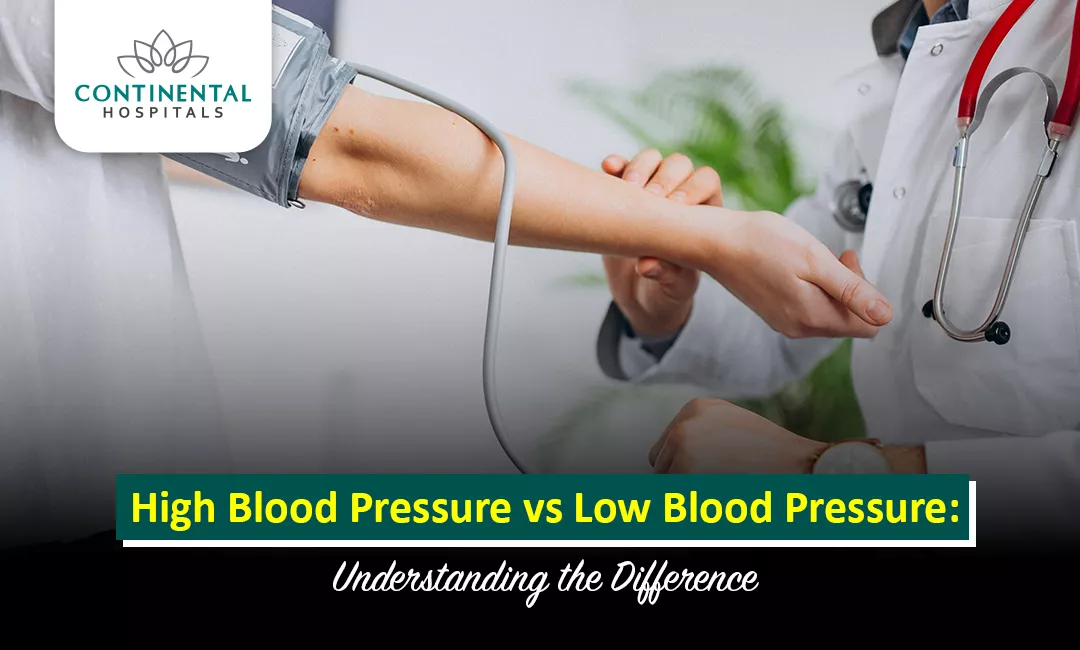
High Blood Pressure vs Low Blood Pressure: Understanding the Difference

Written by - Editorial Team
Medically Reviewed by - Dr Sumit Shejol

Think of your blood circulation system as a network of water pipes that needs to run smoothly by having water pumped at just the right pressure. Too high and the pipes get put under strain. Too low and there will be no water up on the top floors. Your blood pressure operates like that. It is the force of your blood pushing against the walls of your arteries as your heart pushes it through your body.

Knowing how to understand this pressure and its variations is key to protecting your long-term health. Lots of people have variations in their readings, so they're never clear what those numbers actually mean. If the force stays high, that’s called high blood pressure. If it goes lower than normal, that’s low blood pressure. Both have an impact on how your body operates, and both should be monitored appropriately.

But why is it so important to keep track of these variations? Because maintaining good blood pressure is one of the best ways to keep your heart, brain, and kidneys healthy and resistant to damage over time. Consistently good readings mean your vital organs get plenty of oxygenated blood. In this guide we’ll break down everything you need to know about these two conditions, how they differ, and how you can manage them.

What Is Blood Pressure Explained Simply?

We need to understand the medical explanation for why there are two extremes in order to get what the difference actually is. The blood pressure explained by the medical profession is the result of the process of your heart’s pumping of blood into the arteries. It is recorded as two separate numbers, often displayed one on top of the other, such as 120/80.

The top number is the pressure at the time your heart beats and causes the blood to be pumped out. The bottom number is the pressure at the time your heart rests between its beats. A normal healthy reading for an adult would be around 120/80. If those numbers fluctuate significantly and consistently higher or lower, it means that your cardiovascular system is operating under new conditions.

Visit the Cardiology Department at Continental Hospitals and consult our expert cardiologists for a comprehensive evaluation and timely care.

What Is High Blood Pressure?

You develop high blood pressure if the blood exerts too firmly upon your artery walls for too long. This is known as hypertension. This forces your heart to work very hard to circulate blood through the vessels. Then it can cause them to deteriorate in strength.

What causes high blood pressue to develop?

  • A high-salt diet that includes many processed foods
  • A lack of regular exercise
  • Constant chronically high stress
  • A family history of cardiovascular disease (or its inherited genetic traits)
  • Regular tobacco smoking or high consumption of alcohol

What are signs and symptoms of high blood pressure?

Second Opinion

In its early stages, high blood pressure is called a silent disease because it has no obvious warning signs. However, if the numbers are dangerously high, some patients may experience certain symptoms.

  • Frequent and severe headaches, especially in the morning
  • Breathing difficulty during activities that are relatively easy
  • Feeling lightheaded or light headed
  • Nosebleeds without obvious cause that do not stop bleeding
  • Chest pain or visual changes such as blurred vision
What Is Low Blood Pressure?

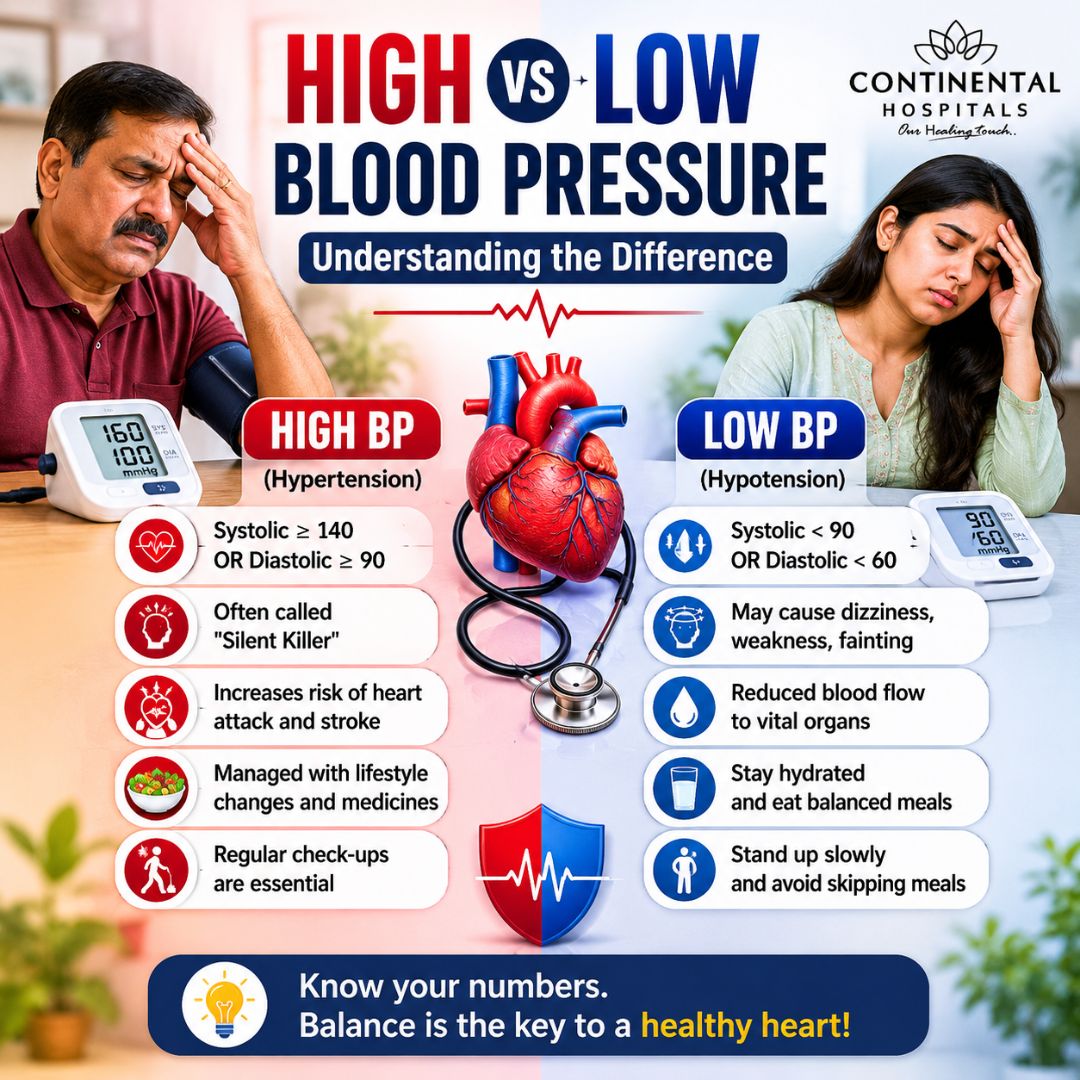
On the other end of the spectrum is low blood pressure, or hypotension, the medical name for it. Low blood pressure occurs when the blood pressure falls well below normal, usually below 90/60. At such low levels, the body can’t get enough oxygen and nutrients to the brain and to other major organs.

What can cause low blood pressure?

  • Lack of fluids from insufficient water intake over the course of the day
  • Long periods of bed rest or a sudden change in body position
  • Specific types of heart disease or heart-valve problems
  • Major nutrient deficiencies, especially a lack of vitamin B12 and iron
  • Endocrine disorders like an underactive thyroid gland

What are some symptoms of low blood pressure?

When it comes to low blood pressure, you’re more likely to have immediate physical symptoms telling you that your circulation is low.

  • Dizziness, feeling lightheaded, or feeling unsteady when you get up too fast
  • Feeling faint or actually fainting
  • Blurred vision or trouble focusing your eyes
  • Feeling unusually weak, fatigue, or lack of energy
  • Cold, clammy skin or unusually pale skin

High Blood Pressure vs Low Blood Pressure: The Differences

To make it simple, we can compare the differences between the two conditions in different areas of your overall health. We’ll explore the differences you’ll see in each type of hypertension.

Feature High Blood Pressure (Hypertension) Low Blood Pressure (Hypotension)
Typical Reading Consistently 130/80 or higher Consistently 90/60 or lower
Primary Risk Heart attack, stroke, and kidney damage Fainting, falls, and organ oxygen deprivation
Onset of Signs Develops silently over many years Symptoms usually appear immediately
Dietary Impact Worsened by excessive salt intake Can sometimes be improved by increasing fluids and salt

How Can You Achieve Better Blood Pressure Control?

Your readings don't happen by chance. They are the result of your daily self-care activities to help blood vessels remain healthy. Whether the readings are too high or too low, healthy lifestyle changes are key to proper management.

Need an Appointment?

How can you lower BP when it's too high?

  • Cut sodium intake by not eating packaged snacks and processed foods.
  • Sitting in place for long periods is not good for your heart. Do at least 30 minutes of moderate aerobic activity five days a week.
  • Keep a healthy weight to lessen the workload on your heart.
  • Practice relaxation techniques such as deep breathing and meditation.
  • Reduce alcohol intake and quit smoking to improve the flexibility of arteries.

How can you raise BP when it's too low?

  • Drink plenty of water across the day to help expand your total volume of blood.
  • Avoid consuming large carbohydrate-filled meals and eat smaller, low-carb meals more often to avoid post-meal lows.
  • Move slowly when getting out of a reclining or lying position.
  • Add a moderate amount of salt to your diet after speaking with your doctor.

Why Choose Continental Hospitals for Blood Pressure Management?

It all starts with choosing the right health partner for your cardiovascular health. Continental Hospitals is widely known for being the best hospital in Hyderabad for complete cardiac and medical care. We combine cutting-edge diagnostic tools with caring, skilled medical attention to help you achieve optimal health.

We have nationally and globally accredited institutions, which reflects our commitment to the highest standards of patient safety and clinical excellence. Continental Hospitals is accredited by the Joint Commission International (JCI), the world’s highest benchmark for healthcare quality. The facility is also accredited by the National Accreditation Board for Hospitals and Healthcare Providers (NABH), which indicates that our clinical protocols, patient care and infrastructure are up to the highest standards in the country.

Conclusion

Our clinics employ the latest monitoring techniques to assess your cardiovascular health, and our experienced medical team will design a tailored treatment plan with lifestyle modifications and the best available medical therapies to facilitate optimal long-term health outcomes.

If you are experiencing frequent dizziness, headaches, or abnormal readings, do not ignore the warning signs. Consult our best cardiologist in Hyderabad at Continental Hospitals.

Related Blog Topics:

  1. Why Are Young Adults Developing High Blood Pressure Early?
  2. Hidden Symptoms of High Blood Pressure: What You Should Know

Frequently Asked Questions

High blood pressure (hypertension) occurs when the force of blood against the artery walls remains consistently higher than normal, usually measuring 140/90 mmHg or above. Low blood pressure (hypotension) occurs when blood pressure falls below normal levels, often below 90/60 mmHg. Hypertension can damage blood vessels, the heart, kidneys, brain, and eyes over time, often without noticeable symptoms. Hypotension may cause dizziness, fainting, fatigue, blurred vision, and weakness due to inadequate blood flow to vital organs. While hypertension is commonly associated with long-term health risks, hypotension can lead to immediate complications such as falls or shock in severe cases. Both conditions require medical evaluation, monitoring, and appropriate management. Lifestyle changes, medications, and regular health checkups play an important role in maintaining healthy blood pressure levels and preventing complications.
High blood pressure is often called a 'silent killer' because many people experience no symptoms even when blood pressure is dangerously high. However, some individuals may develop headaches, shortness of breath, chest discomfort, vision changes, or nosebleeds in severe cases. Low blood pressure is more likely to cause noticeable symptoms such as dizziness, lightheadedness, fainting, fatigue, nausea, blurred vision, and difficulty concentrating. Symptoms may worsen when standing up suddenly or after prolonged periods of inactivity. Severe hypotension can result in confusion, rapid breathing, cold skin, and shock. Because symptoms alone cannot accurately determine blood pressure levels, regular monitoring is essential. Anyone experiencing persistent symptoms should seek medical evaluation to identify the cause and receive appropriate treatment.
High blood pressure can develop due to factors such as genetics, aging, obesity, excessive salt intake, smoking, alcohol consumption, stress, physical inactivity, and underlying medical conditions. It may also be associated with kidney disease, hormonal disorders, and certain medications. Low blood pressure can result from dehydration, blood loss, severe infections, nutritional deficiencies, heart problems, endocrine disorders, or side effects of medications. Pregnancy can also temporarily lower blood pressure in some women. In certain individuals, low blood pressure occurs naturally without causing health concerns. Understanding the underlying cause is important because treatment approaches differ significantly between hypertension and hypotension. A healthcare professional can identify contributing factors through a detailed medical evaluation and recommend the most appropriate management plan.
Both high blood pressure and low blood pressure can be dangerous, but the risks differ. High blood pressure is generally considered more harmful in the long term because it gradually damages blood vessels and increases the risk of heart attack, stroke, heart failure, kidney disease, and vision loss. Low blood pressure can be dangerous when it causes symptoms such as fainting, falls, or inadequate blood flow to vital organs. Severe hypotension may lead to shock, which is a medical emergency. The seriousness of either condition depends on the severity, duration, underlying cause, and overall health of the individual. Proper diagnosis, monitoring, and treatment are important for preventing complications and maintaining cardiovascular health. Regular blood pressure checks help detect abnormalities early and guide appropriate intervention.
High blood pressure is diagnosed through repeated blood pressure measurements taken during medical visits or through home blood pressure monitoring. A diagnosis is usually made when readings remain consistently elevated over multiple occasions. Healthcare providers may recommend ambulatory blood pressure monitoring, which records blood pressure over 24 hours to provide a more accurate assessment. Additional tests such as blood tests, urine tests, electrocardiograms, and kidney function evaluations may be performed to identify underlying causes or complications. Monitoring blood pressure regularly helps assess treatment effectiveness and disease progression. Individuals diagnosed with hypertension should maintain follow-up appointments and adhere to recommended lifestyle modifications and medications. Early detection and ongoing monitoring are essential for reducing the risk of cardiovascular complications.
Low blood pressure is diagnosed by measuring blood pressure and evaluating associated symptoms. Healthcare providers may assess blood pressure in different positions, such as lying down, sitting, and standing, to identify orthostatic hypotension. Additional tests may include blood tests, electrocardiograms, echocardiograms, stress tests, and evaluations for dehydration, anemia, hormonal disorders, or heart conditions. A detailed medical history is important to identify medications or health conditions that may contribute to low blood pressure. Some individuals naturally have low blood pressure without experiencing symptoms or health risks. However, symptomatic hypotension requires medical evaluation to determine the underlying cause and appropriate treatment. Prompt diagnosis can help prevent complications such as falls, injuries, and reduced blood flow to vital organs.
Lifestyle modifications play a significant role in managing both high and low blood pressure. For hypertension, maintaining a healthy weight, reducing salt intake, exercising regularly, managing stress, avoiding tobacco products, limiting alcohol consumption, and following a heart-healthy diet can help lower blood pressure. For hypotension, staying hydrated, consuming balanced meals, avoiding prolonged standing, and rising slowly from sitting or lying positions may reduce symptoms. In some cases, increasing salt intake under medical supervision may be recommended for individuals with chronic low blood pressure. Adequate sleep and regular medical follow-ups are beneficial for both conditions. Lifestyle changes should be tailored to individual health needs and performed under the guidance of a healthcare professional for optimal results.
Medical attention should be sought if blood pressure readings are consistently high or low, especially when accompanied by symptoms. Individuals with high blood pressure should seek immediate care if they experience severe headaches, chest pain, shortness of breath, confusion, vision changes, or signs of a stroke. Those with low blood pressure should seek urgent medical evaluation if they develop fainting, severe dizziness, rapid heartbeat, confusion, cold clammy skin, or symptoms of shock. Regular blood pressure monitoring can help identify abnormal patterns before complications occur. People with existing heart disease, kidney disease, diabetes, or other chronic conditions should be particularly vigilant. Early medical intervention can prevent serious complications and improve long-term cardiovascular health outcomes.
Disclaimer: The information provided in this blog is intended for general knowledge and informational purposes only, and does not constitute medical advice. Always consult with a qualified healthcare professional for any medical concerns or before making any decisions about your health.

Get in Touch With Us

Whether you are from India or abroad, we are here to help you with your medical queries. Please fill out the form below and our team will connect with you shortly.

  • ✔ Quick response from our medical experts
  • ✔ Secure data handling & privacy
  • ✔ Easy upload for reports & documents
0 / 100
Checkboxes Section


Chat with our medical experts on WhatsApp for quick assistance and hassle-free appointment booking

Recent Posts
Language Based Image
0 / 100