.webp)

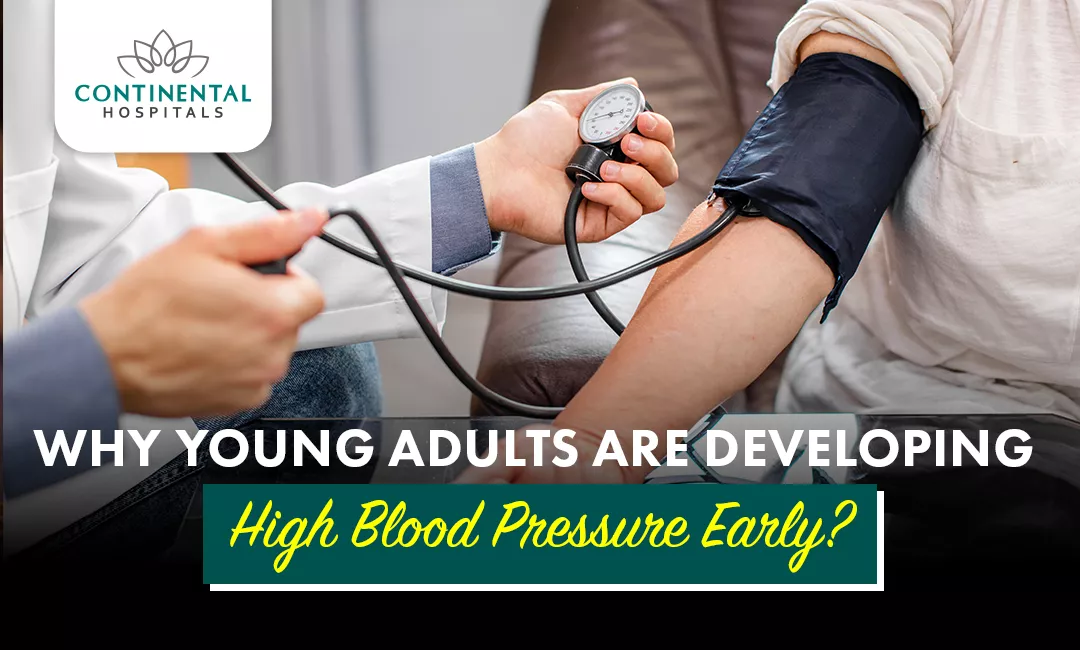
We often consider heart conditions a problem of elderly people. But in an increasing number of cases, young people have started noticing troubling symptoms. High blood pressure may be a problem. It forces the heart to work hard in order to push blood throughout the body. If this happens at a young age, they will have many serious problems in the future.
High blood pressure is not a rare phenomenon for young adults. You can see a dramatic increase in patients in their twenties and thirties. The high blood pressure early in life means that young men and women are experiencing high blood pressure in their blood vessels, which will grow older more quickly than in previous generations and can be avoided, but if ignored, irreversible damage can be caused to the organs.
You want to know the cause of early hypertension. Hypertension can afflict young adults at the peak of their physical condition. Several factors are involved, including unhealthy habits, environment, and modern work styles. Knowing more about young-age hypertension so as to counteract it at a young age.
What Are The Main Causes Of High Blood Pressure?
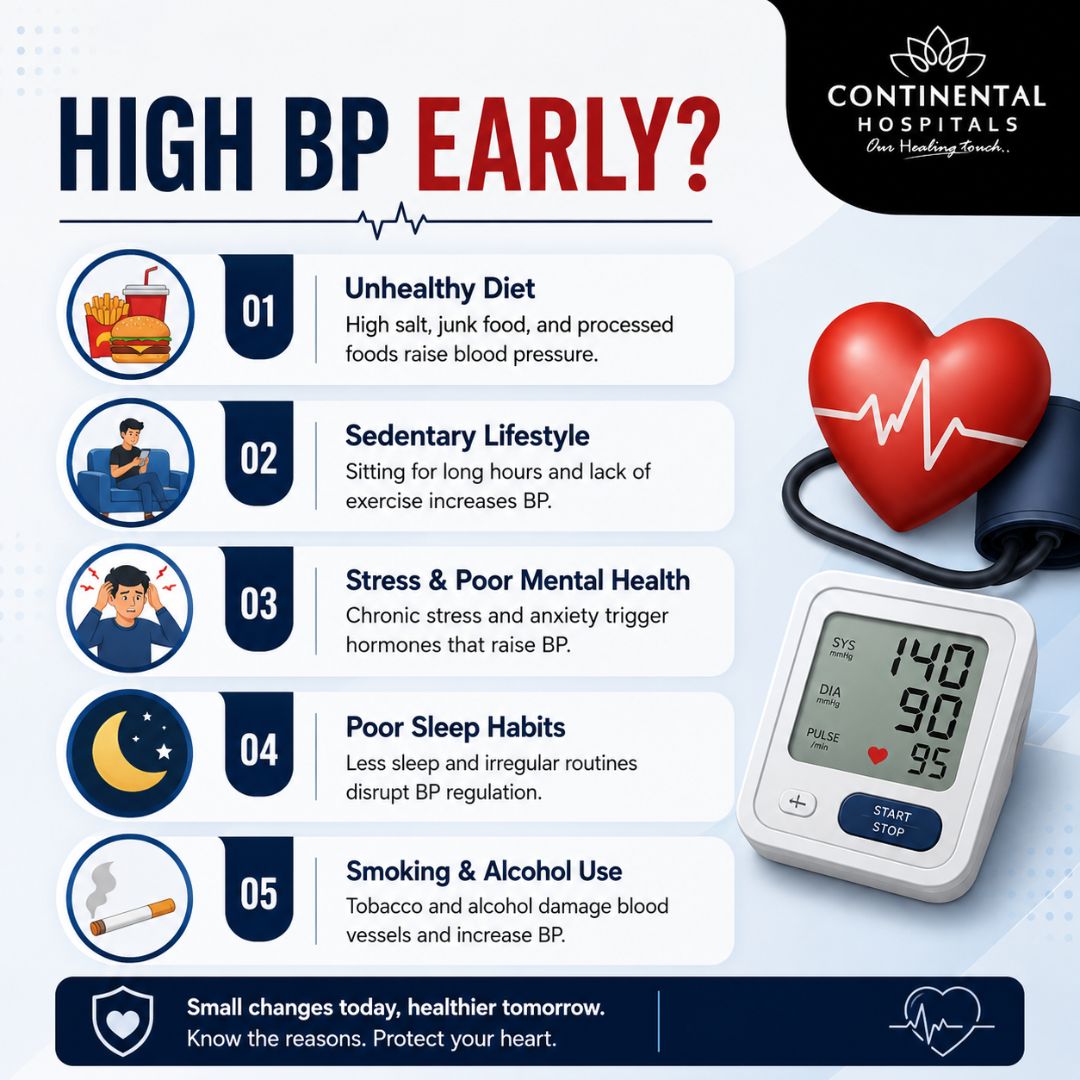
When assessing the reasons behind high BP in 20s and 30s, lifestyle factors are the most significant ones. Often, the causes are related to our daily habits.
- Unhealthy Eating Habits: Consuming foods full of salt, unhealthy fats, and sugars directly affects your heart. Processed junk and people grabbing meals from a sandwich shop or fast food restaurant regularly increase your salt intake. Too much salt causes your body to retain water, which creates excess fluid volume in your blood vessels.
- Not Exercising Regularly: Sitting at a desk all day without moving your body hurts the cardiovascular system. Regular exercise keeps blood vessels relaxed and flexible, so people who do not exercise regularly create more high pressure.
- Longevity Stress: Work and personal life stress cause a release of hormones that contract blood vessels. As such, high blood pressure is a common issue that arises from chronic stress and anxiety.
- Sleep Deprivation: When you are deprived of deep sleep, your body does not have the opportunity to repair itself. Poor sleep patterns keep your nervous system activated, which increases your resting heart rate.
Don't ignore symptoms like headaches, dizziness, shortness of breath, or chest discomfort—they may be linked to your heart health.
Visit the Cardiology Department at Continental Hospitals for expert heart care, comprehensive evaluation, and timely treatment to keep your heart healthy and strong.
What Happens In The Body With High Blood Pressure?
If not treated appropriately, hypertension in the younger adults silently damages the cardiovascular system. High blood pressure is like having too much water pushing through a pipe. Tiny tears develop in the inner lining of your arteries. The cholesterol and fat redeposit around these small tears. These tears keep growing until the arteries narrow and stiffen. As arteries narrow, blood flow to the heart, brain, and kidneys becomes impaired. Since the damage is happening quietly, many people in their 20s and 30s aren't aware that their organs are constantly under stress until a major health issue arises. The only way to catch this silent damage to the cardiovascular system before it's too late to treat it is through regular checkups.
What Are The Warning Signals Of Young-Age Hypertension?
One of the most scary aspects of high blood pressure is that it has no obvious symptoms. Most young people get all fine and well while their numbers are in perilously high ranges. Nevertheless, there are some subtle warning signs.

- Throbbing frequent headaches
- Lightheadedness, especially in the morning
- Feeling a little out of breath after even moderate physical exertion
- Occasional nosebleeds for no apparent reason
Are you having one of these symptoms? A professional checkup is the way to go. Don’t brush it off as mere fatigue.
How Can You Prevent Hypertension In Young Adults?
A certain daily regimen is needed to lower your risk of hypertension. Taking charge of your health early in life and staying on top of it matters.
- Adopt a heart-healthy diet: emphasize fresh fruits, vegetables, whole grains, and lean proteins. Reduce added salt and high-processed snacks; cook at home as often as possible to control what’s in your stomach.
- Move on a daily basis: Aim for continuous physical activity, such as walking briskly, swimming, or cycling. A nom-active life can weaken your heart muscle.
- Weight loss can have an effect: Even losing a little extra weight may help ease the burden on your heart and lower your pressure naturally.
- Get your rest and your mind: Use deep breathing, meditation, or yoga. Get good, pleasant sleep for at least seven or eight hours a night. Good sleep is essential for your vascular system.
Why Choose Continental Hospitals for High Blood Pressure Treatment?
When treating high blood pressure, you need the best care from the best clinicians in the best facility. Continental Hospitals is the best hospital in Hyderabad for cardiovascular care. We treat each young adult carefully for a long and better life rather than a routine solution.
The accredited certifications we hold confirm that the care provided by us is of the highest standards. Continental Hospitals is JCI accredited and NABH accredited. We are a LEED-qualified super specialty hospital whose environment encourages healing. We provide accurate diagnostics and personalized treatment plans for patients. Choosing the best hospital in Hyderabad for high blood pressure treatment ensures you receive world-class medical care in your city itself.
What Is the Conclusion, and What Should You Do Next?
Conclusion
High blood pressure treatment is vital for a long and healthy life. With increasing heart-related issues among the young, it’s time to take action and review the causes and make necessary changes for a better life. Intermediate solutions such as pills and lifestyle modifications are effective if started early. Do not wait for heart-related symptoms, as high blood pressure silently damages the body.
Consulting our best cardiologist in Hyderabad can assist you in case of headaches, dizziness, or shortness of breath. Consult with a heart specialist at Continental Hospitals today for a blood pressure check and future heart safety.
Related Blog Topics: