.webp)

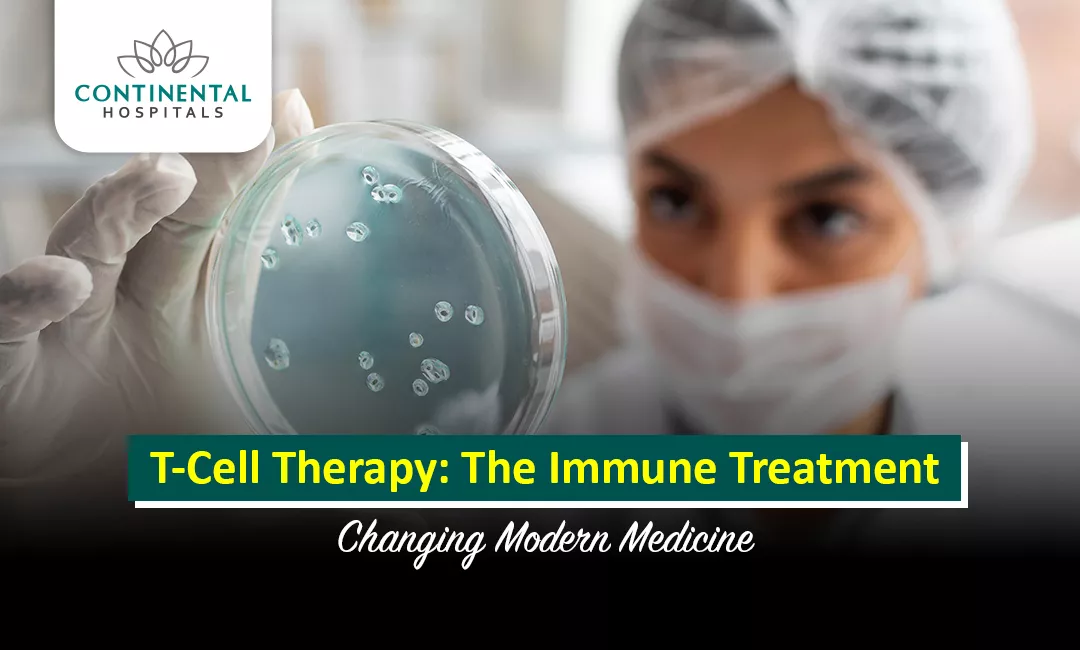
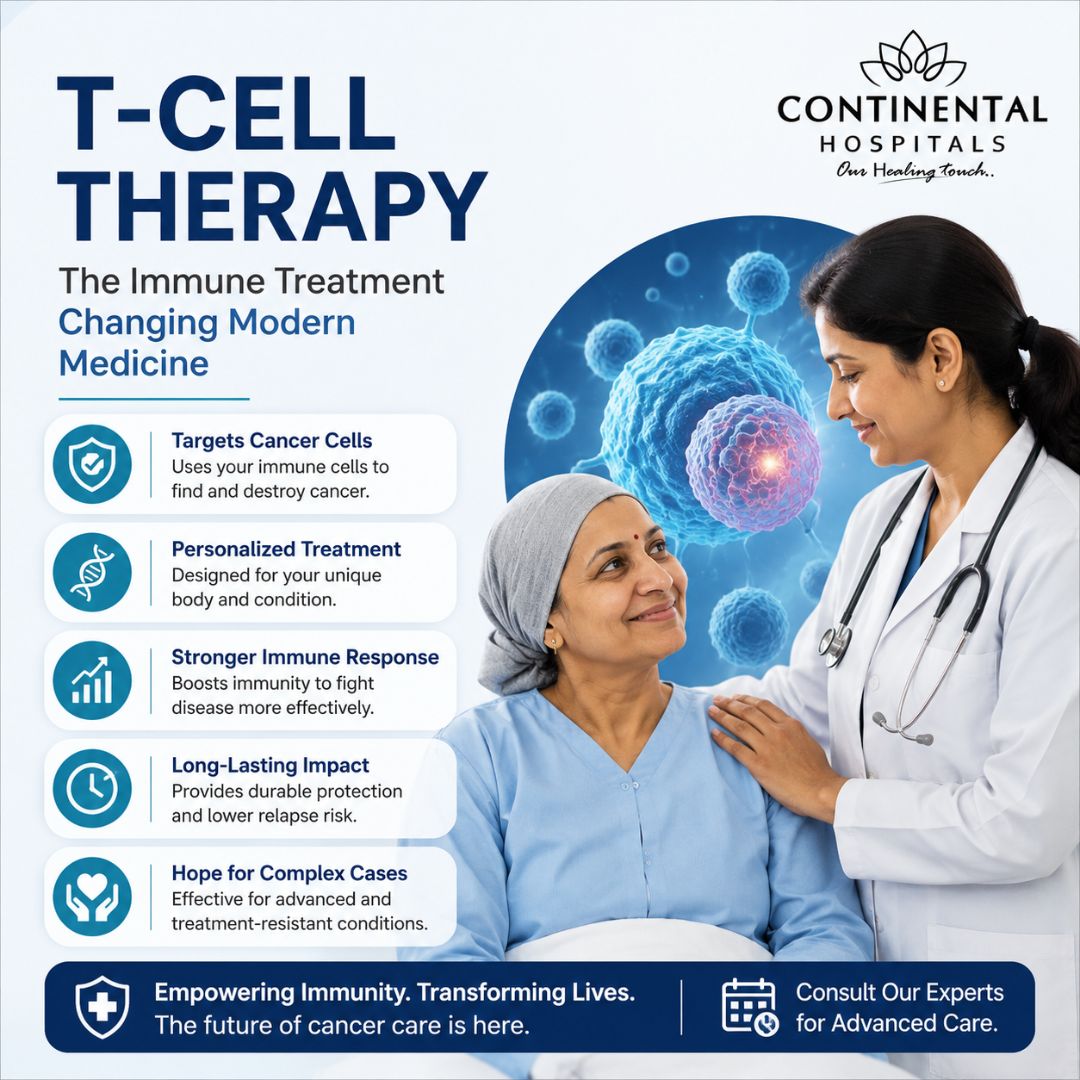
Modern medicine is undergoing a profound shift, moving away from conventional, one-size-fits-all treatments toward targeted solutions that leverage the body’s natural defense systems. At the forefront of this medical evolution is T-cell therapy, a revolutionary form of immunotherapy treatment that trains a patient’s own immune system to recognize and destroy diseased cells. By turning the body's natural defenders into highly specific tools, this approach provides fresh options for complex cases that previously had limited treatment paths.
This approach primarily serves as a targeted cancer immunotherapy, demonstrating remarkable clinical success in managing specific blood malignancies like leukemia and lymphoma. Unlike conventional interventions that hit healthy and diseased cells alike, this customized approach isolates, modifies, and multiplies specific immune cells to target threats with high precision. It represents a paradigm shift where the treatment is manufactured individually for each patient, utilizing their biological makeup to mount a defense.
As clinical research accelerates, the future of T-cell therapy extends beyond oncology into autoimmune conditions and chronic infectious diseases. By fundamentally altering how we approach complex pathologies, this advanced biological tool is reshaping long-term survival expectations and therapeutic strategies worldwide. Understanding the mechanisms, clinical applications, and patient pathways associated with this treatment is essential for evaluating modern medical options.
What is T-Cell Therapy and How Does It Work?
To understand how T-cell therapy works, it helps to look at the daily function of our immune system. T-cells are a type of white blood cell responsible for identifying and eliminating abnormal or infected cells throughout the body. However, complex diseases like cancer often develop biological evasions, growing undetected by these defensive pathways.
This advanced immune cell therapy overcomes this barrier through an innovative laboratory engineering process:
- Cell Collection: Specialized white blood cells are extracted from the patient’s bloodstream using a process similar to blood donation.
- Genetic Re-engineering: In a specialized laboratory, these cells are genetically modified to express specific receptors on their surface, enhancing their targeting capabilities.
- Mass Multiplication: The newly engineered cells are grown in large quantities until they number in the millions.
- Patient Infusion: The modified cells are delivered back into the patient's bloodstream, where they can actively locate, bind to, and destroy target cells.
For any concerns related to T-cell therapy or cancer treatment, visit our Medical Oncology Department at Continental Hospitals for expert evaluation and personalized care.
What Conditions Are Treated and What Are the Symptoms to Watch For?
Currently, this specialized T-cell cancer treatment is primarily utilized for advanced hematological malignancies, including specific types of leukemia, lymphoma, and multiple myeloma. Because it targets advanced or recurrent conditions, patients often experience systemic symptoms related to the underlying disease before undergoing evaluation.
Key symptoms and warning signs that necessitate an oncology evaluation include:
- Unexplained, persistent fatigue or systemic weakness
- Frequent infections or unusual delays in healing
- Unexplained weight loss and recurrent night sweats
- Painless swelling of the lymph nodes in the neck, armpits, or groin
What Causes These Conditions and What Are the Risk Factors?
These cellular changes and blood malignancies arise from genetic mutations within the bone marrow that disrupt normal blood cell production. While specific causes can vary, recognized risk factors include prolonged exposure to hazardous chemicals, advanced age, genetic predispositions, a history of radiation exposure, or previous immunosuppressive treatments.

How Are Candidates Diagnosed and Evaluated?
Determining if a patient is suitable for this advanced immunotherapy treatment requires an exhaustive diagnostic protocol. Because this is a highly intensive procedure, medical teams must confirm the exact subtype of the disease and evaluate the patient's overall systemic health.
The comprehensive evaluation process includes:
- Advanced Blood Analysis: Complete blood counts and molecular profiling to assess baseline immune health.
- Bone Marrow Biopsy: Microscopic examination of bone marrow tissue to confirm specific cellular markers.
- High-Resolution Imaging: Focused PET, CT, or MRI scans to map the exact location and spread of the disease.
- Organ Function Testing: Comprehensive cardiac, pulmonary, and metabolic evaluations to ensure the body can safely manage the treatment process.
Are There Prevention Strategies or Lifestyle Tips Post-Treatment?
While genetic blood conditions cannot be prevented through traditional lifestyle adjustments, patients undergoing advanced cellular therapies require careful long-term management to protect their recovering immune systems.
Important lifestyle modifications and recovery strategies include:
- Strict Infection Control: Practicing rigorous hand hygiene, avoiding dense crowds, and consuming thoroughly cooked foods during the recovery window.
- Targeted Nutritional Support: Adhering to a clean, protein-rich diet tailored by clinical nutritionists to facilitate tissue repair.
- Regulated Physical Activity: Engaging in low-impact, supervised movement to gradually rebuild physical endurance.
When to Consult a Doctor?
Immediate medical consultation is critical if a patient experiences sudden fevers, severe chills, breathing difficulties, sudden confusion, or unexpected bruising post-infusion, as these require prompt evaluation by the clinical team.
Why Choose Continental Hospitals for T-Cell Therapy Treatment?
Continental Hospitals provides an advanced environment for patients requiring specialized oncology interventions and complex cellular therapies. As a premier healthcare institution in Hyderabad, the hospital combines international clinical protocols with deep patient support.
Choosing Continental Hospitals ensures access to:
- Expert Specialists: Leading hemato-oncologists, clinical immunologists, and trained transplant coordinators with extensive experience managing complex cellular treatments.
- Advanced Technology: Modern diagnostic facilities, specialized apheresis units, and precise monitoring systems built for complex biological procedures.
- Multidisciplinary Care: A collaborative panel of medical, surgical, and radiation oncologists working alongside critical care teams to manage every aspect of your recovery.
- Personalized Treatment: Customized clinical pathways designed around individual genetic profiles and specific disease stages.
- JCI and NABH Accreditation: Dual international and national accreditations reflecting a strict adherence to global patient safety and clinical quality benchmarks.
- State-of-the-Art Infrastructure: A modern, eco-friendly healthcare campus equipped with specialized positive-pressure isolation rooms to maximize infection control.
- 24/7 Emergency & Critical Care Services: Round-the-clock backup from dedicated ICU teams capable of managing acute treatment responses instantly.
- High Standards of Patient Care: A patient-first philosophy focused on comfort, clear communication, and comprehensive clinical follow-up.
Conclusion
Cellular interventions like T-cell therapies represent a major milestone in oncology and molecular medicine, offering precise options for complex diagnoses. By transforming the body’s own biological mechanisms into targeted therapeutic tools, this approach underscores the expanding capabilities of personalized healthcare. Early expert evaluation, comprehensive staging, and access to an accredited clinical infrastructure are key to navigating these advanced medical pathways successfully.
For any queries related to T-cell therapy, consult our best medical oncologists in Hyderabad at Continental Hospitals. Visit Continental Hospitals for expert diagnosis, advanced treatment, and comprehensive care.