• Share this:
post-title

Why Do You Feel Body Heat Even in Air Conditioning?

Written by - Editorial Team
Medically Reviewed by - Dr Sujith Chadala

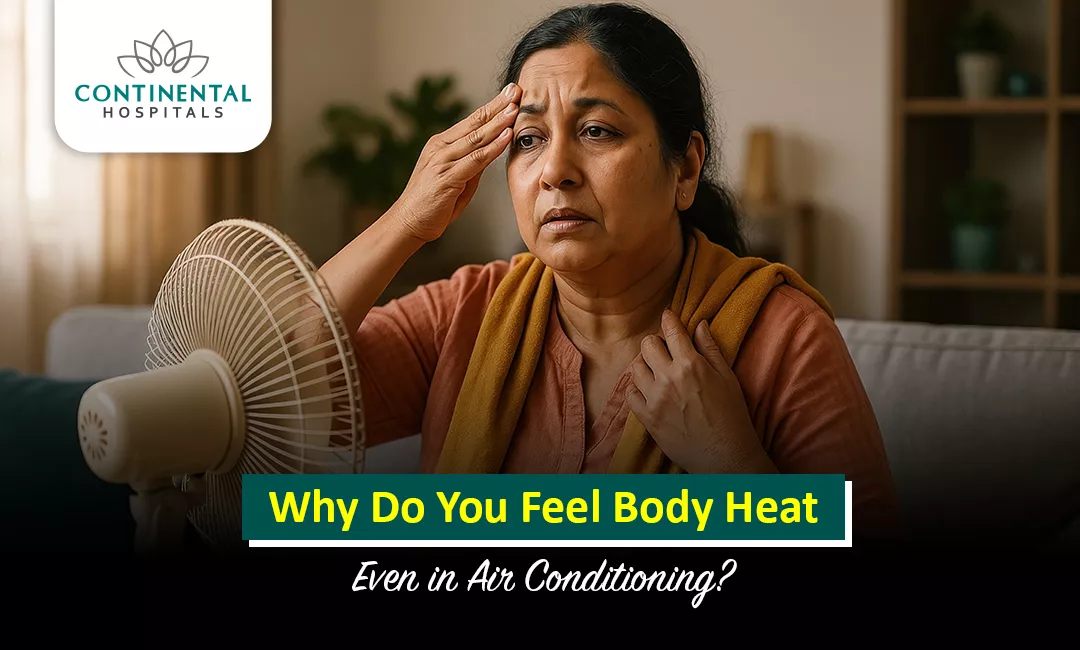
Have you ever sat in a perfectly chilled room, watching others reach for a sweater, while you feel like you are melting? It is a frustrating experience. The air conditioning is blasting cool air, the thermostat reads a comfortable temperature, but your body feels like an oven. You might find yourself constantly adjusting the fan speed or wondering why you cannot seem to cool down.

When you experience a high level of body heat in a room that is objectively cold, it is usually a sign that your internal thermostat is out of sync with your surroundings. Your body is constantly working to maintain a core temperature of around 98.6 degrees Fahrenheit. When this delicate internal balance is disrupted, you can end up feeling hot in air conditioning while everyone else is perfectly comfortable.

Understanding why this happens is the first step toward finding relief. This internal warmth is rarely just about the room temperature. Instead, it often points to how your metabolic rate, lifestyle habits, or underlying medical conditions affect your temperature regulation. Let us explore the common reasons behind this discomfort and look at the signs that mean it is time to consult a medical professional.

Visit our General Physician Department at Continental Hospitals for a comprehensive evaluation to identify the underlying cause and receive personalized treatment for lasting relief.

What Causes Excessive Body Heat?

Why does your internal temperature rise while the ambient temperature is low? These are the major reasons that you may be experiencing high body temperature in indoor environments.

Could It Be Your Food or Lifestyle?
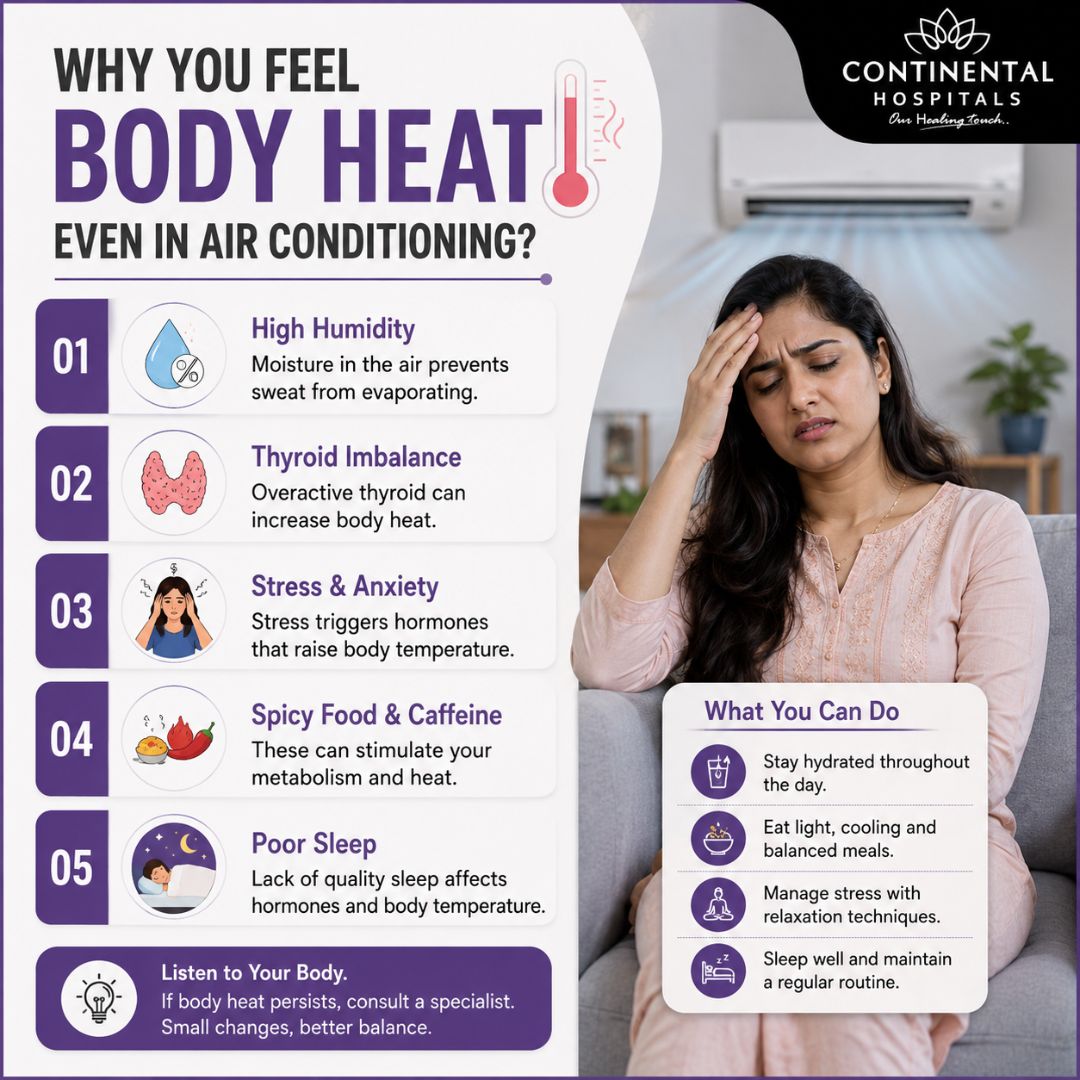
What you consume is a major factor in how much energy your body produces. There is an essential metabolic event called digestion, that naturally produces heat, also called diet-induced thermogenesis.

  • Protein-rich meals require more energy to digest, resulting in a greater increase in your body temperature.
  • Very spicy foods with capsaicin ligands make your brain suspect that your body is overheating and initiate a sweat response.
  • Caffeinated drinks and alcoholic beverages cause vasodilation and increased heart rate and can create a sensation of 'warmth from the inside.

Is It Stress or Anxiety?
Your emotions have a direct effect on your nervous system. When you are experiencing or in the middle of an anxiety episode, you enter a 'fight or flight mode.

  • This causes the release of stress-inducing hormones such as cortisol and adrenaline into your bloodstream.
  • Your heart rate increases and your blood vessels constrict, causing a rise in your core temperature.
  • And just like that, you may start to ask yourself, why do I feel hot all the time when sitting under an air conditioning vent?

Hormones, Are They to Blame?
Your body’s chemical signposts are the hormones, and even a minor imbalance can send your body’s heat controls to the brink. This is one of the most common reasons for heat intolerance in women.

  • When you’re undergoing perimenopause or menopause, the falling estrogen notices the hypothalamus, the part of your brain that manages your temperature.
  • That cue misfires into hot flashes and hot nights that make the air conditioner feel useless.
  • Hormone fluctuations during pregnancy or the menstrual period can also cause temporary warm-ups.

Could It Be an Overactive Thyroid?
Your thyroid gland makes hormones that influence your metabolism, the speed at which your body uses its energy. Overactive thyroid, or hyperthyroidism, means that the gland is churning out too much hormone.

Second Opinion

  • If your metabolism speeds up, your fuel gets burned much faster, leading to a continuous burden of internal heat.
  • In many cases, people with an overactive thyroid have around-the-clock heat sensitivity and can’t even tolerate room temperature.
  • People with an overactive thyroid may also notice a racing heart, unexplainable weight loss, and trembling hands.
What Are The Common Body Heat Symptoms To Look Out For?

When our body is working hard to fight heat, it will alert us with these body heat symptoms. These symptoms can signal to you whether your body’s temperature is just having a slight flush or requires medical help.

Are You Suffering From Excessive Sweating?
This is the body’s natural response to cooling down. However, excessive sweating in a well-ventilated room means that the internal cooling process is overworking to fight internal heat.

Is Your Face and Neck Flushed or Red?
When body temperature increases, the blood vessels in the skin dilate, sending heat to the skin surface. This is typically indicated by a visibly flushed, reddened, and warm face and neck, even in a cool environment.

Do you have a fast heartbeat and restlessness?
The higher body temperature usually caused an increase in heartbeat, leaving you with a flutter in your chest or a feeling of restlessness. You may find it difficult to sit still or concentrate on your work.

Are You Feeling Extremely Weary or Dizzied?
Much of the body’s energy is used to fight heat, and this leads to physical fatigue. You might feel exhausted, slightly dizzby, or find it unexpected to be paying attention.

Why Choose Continental Hospitals for Your Care?

If you are continuously battling an uncomfortable body temperature, then you must get a specialized medical treatment to determine the exact cause of it. Continental Hospitals is known as the best hospital in Hyderabad in terms of the complete diagnostic work-up and customized treatment plans.

The core of our establishment lies in clinical compliance and patient safety. Is Continental Hospitals accredited by NABH, the National Accreditation Board for Hospitals and Healthcare Providers?. We are also accredited by JCI. Joint Commission International?. These accreditations indicate that we follow the highest international safety measures and also provide top-notch patient care standards.

Need an Appointment?

We have advanced diagnostic laboratories where your doctors can quickly assess your hormone panel, metabolic work-up, and thyroid functions. Our multidisciplinary team of seasoned doctors takes care of you at every step from first consultation till you fully recover.

Conclusion

It can be quite a disturbance (and uncomfortable) to feel hot when the lamp is chilling. That’s oftentimes due to something temporary in our lifestyle? such as a spicy lunch or a huge stress meeting? But chronic heat intolerance must never be disregarded. By paying careful attention to your body heat symptoms and noting down when these occur, you will be able to give your doctor essential information.

If you experience unexplained sweating, ongoing internal warmth, or a sensation of overheating, it’s time to consult a professional medical practitioner. To get rid of this problem, you must identify the reason for it rather than simply knocking the thermostat down.

Tired of feeling hot all the time? Make a booking today with our best general physician in Hyderabad at Continental Hospitals for a comprehensive health checkup and lasting relief.

Related Blog Topics:

  1. How Excessive Heat Impacts Heart Health
  2. Managing Headaches and Dizziness from Heat

Frequently Asked Questions

Feeling body heat in an air-conditioned room can occur for several reasons. Your body continuously produces heat through metabolism, digestion, and physical activity. If your body temperature regulation is affected, you may feel warm despite a cool environment. Dehydration, stress, anxiety, hormonal fluctuations, and certain medications can also contribute to this sensation. Medical conditions such as hyperthyroidism, infections, obesity, and diabetes may increase heat production or reduce heat tolerance. Poor air circulation, inadequate hydration, or consuming spicy foods and caffeine can make symptoms worse. Sometimes the issue is not the room temperature but the body's perception of heat. If the feeling persists frequently or is accompanied by sweating, weight loss, palpitations, or fatigue, a medical evaluation is recommended to identify any underlying cause.
Yes, dehydration is a common reason for feeling excessively warm despite being in an air-conditioned room. Water plays a vital role in regulating body temperature through sweating and circulation. When you are dehydrated, your body's cooling mechanisms become less effective. This can lead to sensations of internal heat, fatigue, dizziness, headaches, and increased thirst. Dehydration may occur due to inadequate water intake, excessive sweating, hot weather exposure, fever, diarrhea, or certain medications. Even mild dehydration can affect temperature regulation and make you feel uncomfortable. Drinking sufficient fluids throughout the day, consuming water-rich foods, and avoiding excessive caffeine or alcohol can help maintain hydration. If symptoms persist despite adequate fluid intake, medical evaluation may be necessary.
Hormonal fluctuations are a frequent cause of feeling body heat, particularly among women. Changes in estrogen and progesterone levels during menstruation, pregnancy, perimenopause, and menopause can affect the body's temperature regulation system. Hot flashes and night sweats are common examples. Hormonal disorders such as hyperthyroidism can also increase metabolism and generate excess body heat. Men may experience heat intolerance due to hormonal imbalances as well. These changes can make a person feel warm even when the surrounding environment is cool. Additional symptoms may include mood changes, irregular periods, sleep disturbances, sweating, and palpitations. Identifying the underlying hormonal cause is important, and a healthcare provider may recommend appropriate testing and treatment options.
Stress and anxiety can significantly affect how your body perceives temperature. During periods of stress, the body releases hormones such as adrenaline and cortisol, which activate the fight-or-flight response. This increases heart rate, blood flow, and metabolic activity, creating a sensation of internal warmth or overheating. Anxiety may also trigger sweating, flushing, and heat sensitivity even when the room is cool. Some people experience sudden hot sensations during panic attacks. Chronic stress can prolong these symptoms and impact overall well-being. Practicing relaxation techniques, maintaining good sleep habits, exercising regularly, and managing stress levels can help reduce heat-related sensations. Persistent symptoms should be discussed with a healthcare professional to rule out other medical causes.
Yes, an overactive thyroid gland, known as hyperthyroidism, can make you feel unusually hot even in air-conditioned spaces. The thyroid controls metabolism, and when it produces excessive hormones, the body's metabolic rate increases. This leads to greater heat production, excessive sweating, heat intolerance, and feelings of warmth. Other symptoms may include weight loss despite normal eating habits, rapid heartbeat, nervousness, tremors, fatigue, and difficulty sleeping. Hyperthyroidism can affect people of all ages and often requires medical diagnosis through blood tests. Early detection and treatment can help control symptoms and prevent complications. Anyone experiencing persistent heat intolerance along with other thyroid-related symptoms should consult a healthcare provider for evaluation.
Certain foods and beverages can temporarily increase body heat production. Spicy foods containing capsaicin stimulate nerve receptors and may trigger sweating and a warming sensation. Caffeinated drinks such as coffee, tea, and energy beverages can increase metabolism and stimulate the nervous system, contributing to feelings of heat. Alcohol can affect blood vessel dilation and temperature regulation. Large meals may also increase metabolic activity during digestion, producing additional body heat. While these effects are usually temporary, some individuals may be more sensitive than others. Maintaining a balanced diet, staying hydrated, and observing how your body responds to specific foods can help manage symptoms. Persistent heat intolerance should not be attributed solely to diet without medical assessment.
Occasional feelings of warmth are generally not a cause for concern. However, medical attention is recommended if excessive body heat occurs frequently, becomes persistent, or interferes with daily life. Symptoms such as unexplained weight loss, excessive sweating, fever, rapid heartbeat, dizziness, fatigue, breathing difficulties, or sleep disturbances should not be ignored. These signs may indicate an underlying medical condition such as thyroid disease, infection, hormonal imbalance, diabetes, or cardiovascular issues. A healthcare professional can perform a thorough assessment, review your medical history, and recommend appropriate tests. Early diagnosis allows for timely treatment and helps prevent potential complications associated with untreated health conditions.
Several lifestyle measures can help reduce feelings of excessive body heat. Staying well-hydrated is essential because water supports the body's natural cooling mechanisms. Wearing lightweight and breathable clothing can improve comfort. Limiting spicy foods, excessive caffeine, and alcohol may reduce heat-related symptoms. Regular exercise helps improve circulation and overall temperature regulation, but workouts should be balanced with adequate hydration. Managing stress through meditation, yoga, or relaxation techniques can also help. Maintaining a healthy weight and getting sufficient sleep support normal metabolic function. If body heat persists despite these measures, it is important to seek medical advice to identify and address any underlying health concerns.
Disclaimer: The information provided in this blog is intended for general knowledge and informational purposes only, and does not constitute medical advice. Always consult with a qualified healthcare professional for any medical concerns or before making any decisions about your health.

Get in Touch With Us

Whether you are from India or abroad, we are here to help you with your medical queries. Please fill out the form below and our team will connect with you shortly.

  • ✔ Quick response from our medical experts
  • ✔ Secure data handling & privacy
  • ✔ Easy upload for reports & documents
0 / 100
Checkboxes Section


Chat with our medical experts on WhatsApp for quick assistance and hassle-free appointment booking

Recent Posts
Language Based Image
0 / 100