.webp)

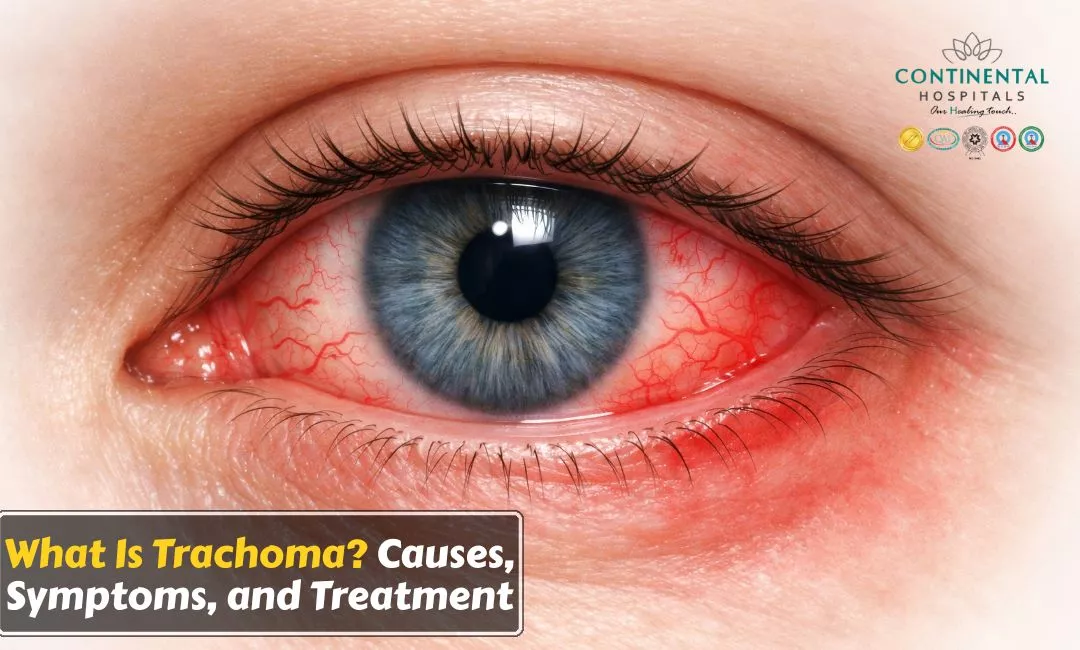
Trachoma is a serious eye disease that can slowly damage vision if not treated on time. It is one of the leading causes of preventable blindness in many parts of the world. Understanding what is trachoma, how it spreads, and how it can be treated is important for protecting your eye health and your family’s well being.
What Is Trachoma?
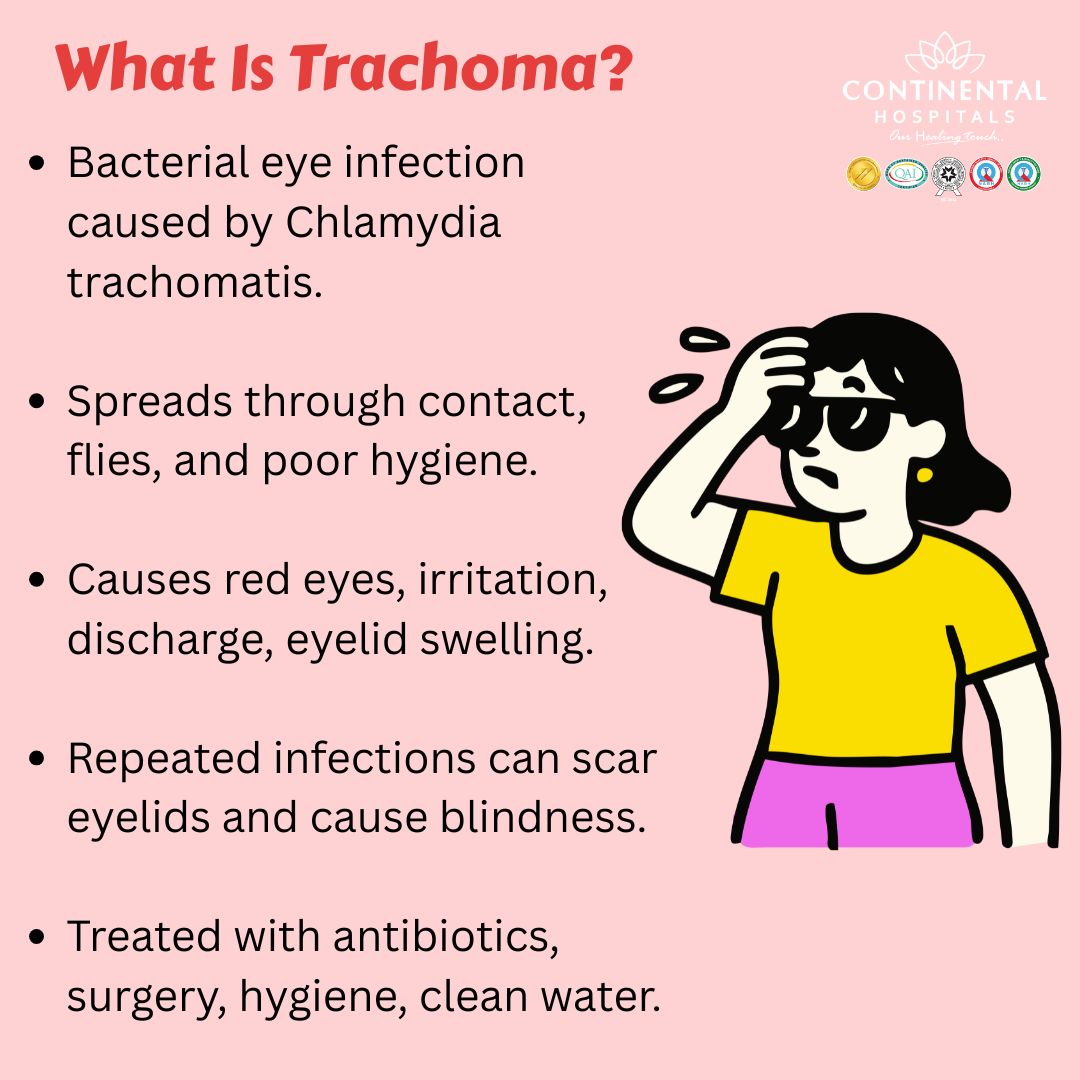
What is trachoma? Trachoma is a bacterial eye infection caused by Chlamydia trachomatis. This infection mainly affects the inner surface of the eyelids. Over time, repeated infections can cause scarring, pain, and even permanent vision loss.
Trachoma usually begins as a mild irritation. Many people ignore early symptoms because they look like common eye problems. However, untreated trachoma eye infection can gradually lead to serious complications.
Trachoma spreads easily in areas where hygiene and sanitation are poor. It mostly affects children but can cause long term problems in adults, especially women who are in close contact with children.
Protect your vision today—visit our Ophthalmology Department at Continental Hospitals for expert trachoma care and advanced eye treatment.
What Causes Trachoma?
The main cause of trachoma is the bacterium Chlamydia trachomatis. This bacteria spreads through:
• Direct contact with eye or nose discharge from an infected person
• Sharing towels, handkerchiefs, or clothing
• Flies that come into contact with infected eyes
• Poor facial hygiene
Trachoma spreads quickly in crowded living conditions. When children rub their infected eyes and touch others, the bacteria pass easily from person to person.
Repeated infections are more dangerous than a single infection. Every new episode increases the risk of scarring inside the eyelids.

How Does Trachoma Affect the Eyes?
Trachoma primarily affects the conjunctiva, the thin lining inside the eyelids. With repeated infections, the inner eyelid becomes scarred. Over time, the eyelid may turn inward, a condition known as trichiasis.
When this happens, the eyelashes rub against the surface of the eye. This constant friction can damage the cornea and lead to blindness.
Stages of trachoma progression include:
• Mild inflammation of the inner eyelid
• Thickening and swelling
• Formation of scars
• Inward turning of eyelids
• Corneal damage and vision loss
Early diagnosis and trachoma treatment can stop this progression.
Trachoma Symptoms
Recognizing trachoma symptoms early can prevent serious complications. In the beginning, symptoms may be mild and include:
• Redness in the eyes
• Mild itching and irritation
• Watery discharge
• Sensitivity to light
As the condition worsens, trachoma symptoms may include:
• Swollen eyelids
• Eye pain
• Blurred vision
• Pus like discharge
• Eyelashes turning inward
Children often show early signs of trachoma eye infection. Adults may experience complications after years of repeated infections.
If you notice persistent redness or irritation, it is important to consult a specialist immediately.
Who Is at Risk?
Certain groups are more vulnerable to trachoma:
• Children living in crowded areas
• Families without access to clean water
• Communities with poor sanitation
• Women caring for young children
• People in rural or underdeveloped regions
Although trachoma is more common in some regions, it can affect anyone exposed to the bacteria.
Maintaining good eye health through proper hygiene is the first step toward prevention.
How Is Trachoma Diagnosed?
Doctors diagnose trachoma through a simple eye examination. An ophthalmologist carefully checks the inside of the eyelids for inflammation and scarring.
In some cases, laboratory tests may be used to detect Chlamydia trachomatis. Early diagnosis ensures faster and more effective trachoma treatment.
At Continental Hospitals, our advanced diagnostic facilities help identify infections at an early stage. Our experienced ophthalmology team ensures accurate evaluation and personalized care plans.
Trachoma Treatment Options
The good news is that trachoma is treatable, especially when detected early.
Common trachoma treatment methods include:
Antibiotics
Antibiotic medicines help eliminate the bacteria Chlamydia trachomatis. Oral antibiotics are often prescribed to treat the infection effectively.
Surgery
In advanced cases where the eyelid has turned inward, minor surgery may be needed. This procedure corrects the eyelid position and prevents further damage to the cornea.
Improved Hygiene
Regular face washing, clean water use, and better sanitation reduce reinfection risks.
The World Health Organization promotes a strategy called SAFE, which stands for:
• Surgery for advanced cases
• Antibiotics to treat infection
• Facial cleanliness
• Environmental improvement
Following this approach reduces the spread of trachoma in communities.
Can Trachoma Be Prevented?
Yes, trachoma can be prevented with simple measures:
• Wash hands regularly
• Keep children’s faces clean
• Avoid sharing personal items
• Maintain clean surroundings
• Control fly population
Public awareness and early treatment are key to preventing long term eye damage.
Protecting eye health should be part of everyday routine. Small hygiene habits can prevent serious consequences later.
Why Choose Continental Hospitals for Trachoma Care?
When dealing with an eye infection like trachoma, choosing the right healthcare facility makes a significant difference.
Continental Hospitals is widely recognized as the best hospital in Hyderabad for comprehensive medical care. Our strengths include:
• Experienced ophthalmologists and eye specialists
• Advanced diagnostic technology
• International standard treatment protocols
• NABH accredited hospital
• JCI accredited healthcare facility
• Multidisciplinary support team
• Patient centered care approach
Our accreditations reflect our commitment to quality, safety, and excellence. NABH and JCI standards ensure that patients receive globally benchmarked healthcare services.
We follow strict infection control practices and provide evidence based trachoma treatment. Our specialists focus on preserving vision and preventing complications.
At Continental Hospitals, we believe early intervention protects lifelong vision.
When Should You See a Doctor?
You should consult an eye specialist if you notice:
• Persistent eye redness
• Repeated eye infections
• Pain or discomfort in the eyes
• Blurred vision
• Eyelashes rubbing against the eye
Do not ignore symptoms. Even mild irritation that does not improve may indicate a trachoma eye infection.
Early medical attention prevents permanent damage.
Protect Your Vision Today
Trachoma may begin as a simple irritation, but repeated infections can lead to serious consequences. Understanding what is trachoma, recognizing trachoma symptoms, and seeking timely trachoma treatment are essential steps in protecting your eye health.
With proper hygiene, early diagnosis, and expert care, trachoma can be controlled and treated effectively.
Conclusion
Trachoma is a preventable and treatable eye disease caused by Chlamydia trachomatis. Early symptoms may appear mild, but repeated infections can cause scarring and blindness. Practicing good hygiene and seeking medical care at the right time can make all the difference. At Continental Hospitals, we are committed to delivering world class eye care backed by global accreditations and expert specialists. Prioritize your eye health and act early to protect your sight.
If you or your family members are experiencing symptoms of trachoma, consult our best ophthalmology specialists at Continental Hospitals, the best hospital in Hyderabad. Our dedicated eye care team provides advanced diagnosis, personalized trachoma treatment, and compassionate care to safeguard your vision.
Your eyes deserve the best protection. Book a consultation with our Ophthalmology department today and take the first step toward healthier vision.