.webp)

A healthy diet plays a vital role in maintaining physical and mental well-being. The food you consume every day directly impacts your energy levels, immunity, and overall health. Many people often ask, what is the right diet for a healthy life? The answer lies in balance, variety, and consistency. Continental Hospitals is one of the best hospital with experienced dieticians who provide expert guidance for a healthy lifestyle.
A well-balanced diet ensures your body gets all the essential nutrients needed to function efficiently. It is not about strict restrictions but about making smarter food choices.
What is a Balanced Diet?
A balanced diet includes the right proportions of carbohydrates, proteins, fats, vitamins, minerals, and water. Each nutrient plays a unique role in supporting bodily functions.
A proper diet helps:
- Maintain optimal body weight
- Improve digestion
- Strengthen immunity
- Support brain function
- Reduce the risk of chronic diseases
If you are wondering, can a balanced diet improve overall health? Yes, it significantly enhances both short-term energy and long-term wellness.
Key Components of a Healthy Diet
Understanding the essential components of a diet helps in making better food choices.
CarbohydratesCarbohydrates are the primary source of energy. Choose whole grains like brown rice, oats, and millets instead of refined foods.
ProteinsProteins are crucial for muscle repair and growth. Include lentils, eggs, dairy products, fish, and lean meats.
Healthy FatsHealthy fats support brain function and hormone balance. Nuts, seeds, and healthy oils should be consumed in moderation.

Fruits and vegetables provide essential nutrients that protect your body from diseases.
FiberFiber supports digestion and helps maintain gut health. Whole grains, fruits, and vegetables are good sources.
WaterStaying hydrated is essential for overall body function. Drink enough water throughout the day.
Why is Diet Important for Health?
Diet is directly linked to many health conditions. Poor eating habits can lead to obesity, diabetes, heart disease, and digestive disorders.
Here are some key benefits of maintaining a healthy diet:
- Improves heart health
- Controls blood sugar levels
- Boosts immunity
- Enhances metabolism
- Supports mental health
Many people ask, can diet prevent diseases? A healthy diet can reduce the risk of several chronic conditions when combined with a healthy lifestyle.
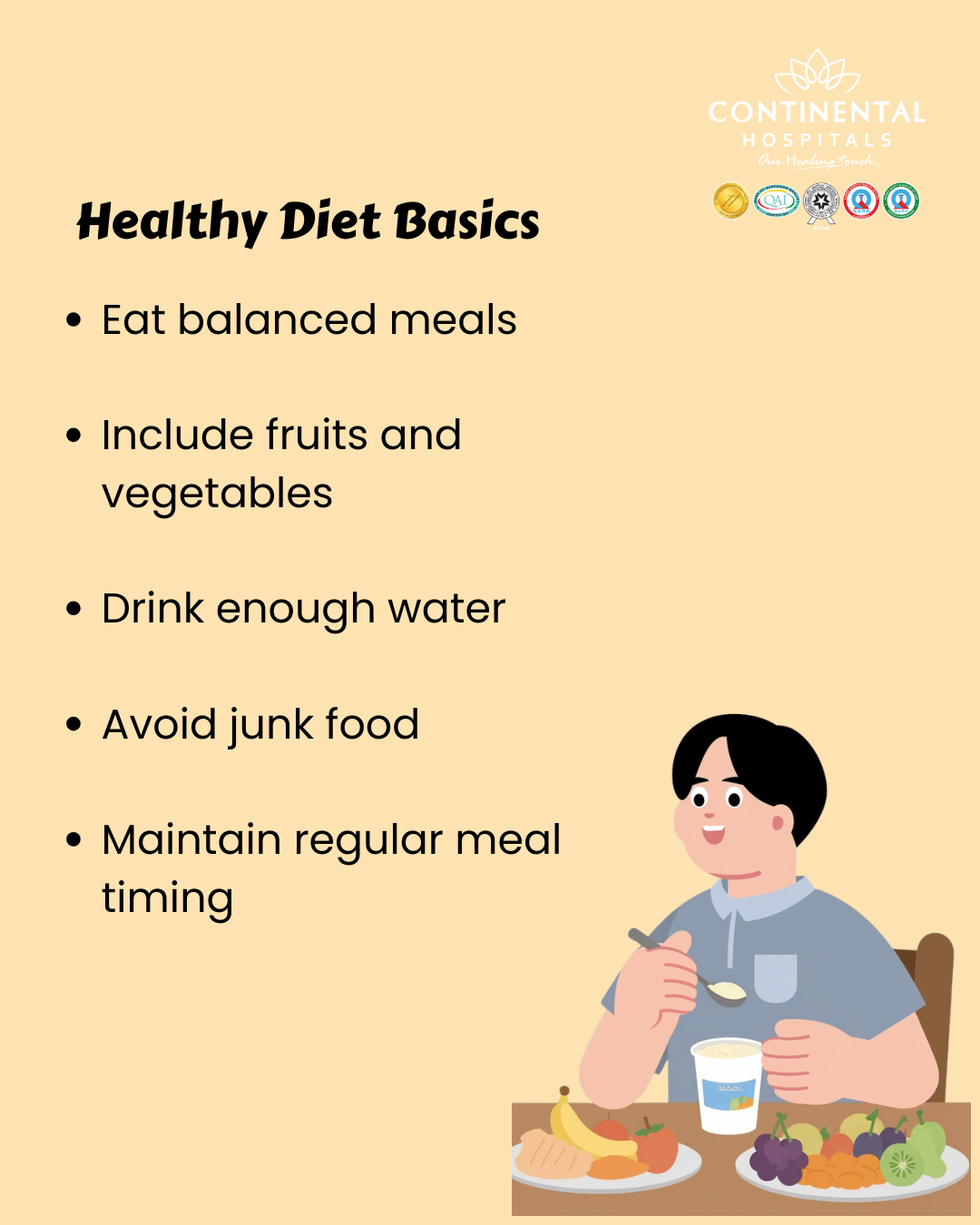
Healthy Eating Tips for Daily Life
Adopting a healthy diet does not have to be complicated. Simple habits can make a big difference.
Follow these easy tips:
- Eat a nutritious breakfast daily
- Include fruits and vegetables in every meal
- Avoid processed and junk food
- Reduce sugar and salt intake
- Practice portion control
- Eat at regular intervals
- Stay hydrated
- Avoid overeating
If you are thinking, how do I start eating healthy? Begin with small, consistent changes instead of drastic shifts.
Common Diet Mistakes to Avoid
Even with awareness, many people unknowingly make diet-related mistakes.
Avoid these common errors:
- Skipping meals to lose weight
- Following extreme or fad diets
- Overeating healthy foods
- Ignoring hydration
- Consuming too many packaged health products
- Not balancing nutrients properly
Is skipping meals a good way to lose weight? No, it can slow metabolism and negatively affect your health.
Diet for Different Age Groups
Nutritional needs vary with age, so it is important to adjust your diet accordingly.
ChildrenChildren need nutrient-rich foods to support growth and development. Include proteins, calcium, and vitamins.
AdultsAdults should focus on balanced meals that maintain energy levels and prevent lifestyle diseases.
ElderlyOlder adults require easily digestible foods, more fiber, and nutrients that support bone health.
Diet and Lifestyle Connection
Diet alone is not enough for a healthy life. It works best when combined with a balanced lifestyle.
Consider these factors:
- Regular physical activity
- Adequate sleep
- Stress management
- Healthy daily routines
Ask yourself, am I following a healthy lifestyle along with a proper diet? True wellness comes from a combination of good habits.
Why Choose Continental Hospitals?
When it comes to expert dietary guidance and complete healthcare, Continental Hospitals is recognized as the best hospital in Hyderabad.
Key highlights include:
- NABH accredited hospital ensuring high-quality healthcare standards
- Advanced medical technology and modern infrastructure
- Experienced team of dieticians, nutritionists, and specialists
- Personalized diet and treatment plans based on individual needs
- Comprehensive multi-specialty care under one roof
- Focus on preventive healthcare and long-term wellness
The hospital emphasizes not only treatment but also lifestyle improvement through proper nutrition and guidance.
When Should You Consult a Doctor?
Dietary changes may not always be enough. Professional advice is important in certain situations.
Consult a specialist if you experience:
- Unexplained weight gain or weight loss
- Digestive problems
- Constant fatigue
- Nutritional deficiencies
- Chronic health conditions like diabetes or heart disease
Early consultation helps in managing health issues effectively.
Conclusion
Healthy diet is the cornerstone of a healthy life. It does not require complicated plans or restrictions. Simple, balanced, and mindful eating can lead to long-term benefits. Consistency is key. Making the right food choices every day improves energy levels, strengthens immunity, and enhances overall well-being. If you suffer from nutritional deficiencies, weight management issues, or lifestyle-related health conditions, consult a nutrition specialist or dietician at Continental Hospitals for expert guidance and personalized care.