.webp)

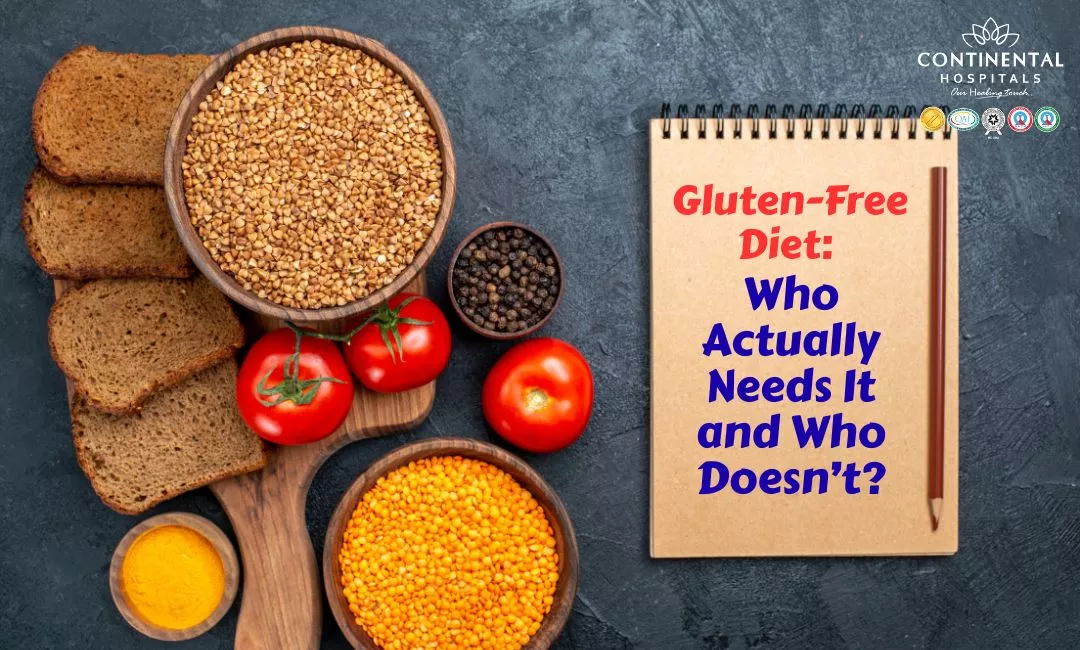
In recent years, the term gluten free has become very popular. Supermarkets have separate shelves for gluten free products. Restaurants offer gluten free menus. Many people believe avoiding gluten is healthier for everyone. But is that true? Is gluten bad for you? Or do only certain people truly need a gluten free diet?
What Is Gluten?
Gluten is a protein found in grains like wheat, barley, and rye. It gives dough its elastic texture and helps bread rise. Gluten is present in many everyday foods such as chapati, bread, pasta, biscuits, and cakes.
When someone asks what is gluten free, it simply means food that does not contain this protein. A gluten free diet removes all sources of gluten from daily meals.
But before removing gluten from your plate, it is important to understand whether your body truly needs it.
Visit our Gastroenterology Department at Continental Hospitals, Hyderabad, for expert care, accurate diagnosis, and personalized treatment for digestive disorders.
Who Actually Needs a Gluten Free Diet?
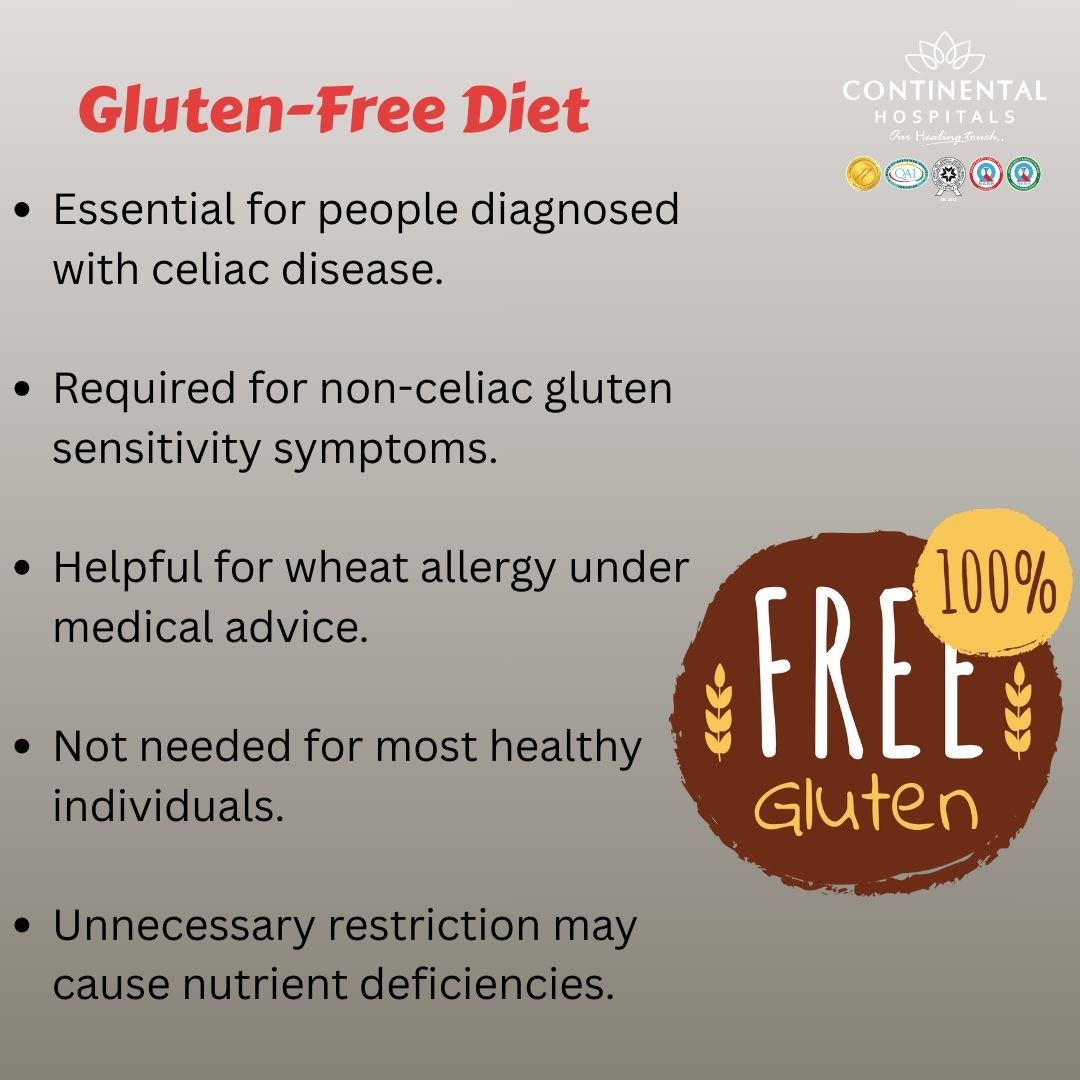
Not everyone needs to avoid gluten. However, certain medical conditions require strict gluten free eating.
1. Celiac Disease
Celiac disease is an autoimmune disorder. When people with celiac disease eat gluten, their immune system attacks the small intestine. This causes damage and prevents proper absorption of nutrients.
Symptoms may include:

- Chronic diarrhea or constipation
- Bloating and abdominal pain
- Unexplained weight loss
- Fatigue
- Anemia
For people with celiac disease, a gluten free diet is not a choice. It is the only treatment. Even small amounts of gluten can cause harm.
2. Gluten Sensitivity
Some individuals experience symptoms after eating gluten but do not test positive for celiac disease. This condition is called gluten sensitivity or gluten intolerance.
Common symptoms include:
- Bloating
- Headache
- Tiredness
- Brain fog
- Joint pain
In such cases, reducing or eliminating gluten may improve comfort. However, medical evaluation is essential before starting a gluten free diet plan.
3. Wheat Allergy
A gluten allergy is often confused with gluten sensitivity. However, wheat allergy is different. It is an allergic reaction to proteins found in wheat. Symptoms may include:
- Skin rashes
- Swelling
- Breathing difficulty
- Digestive discomfort
People with wheat allergy must avoid wheat products. Depending on the diagnosis, some may also need to follow a gluten free diet.
Who Does Not Need a Gluten Free Diet?
Many people without medical conditions choose gluten free foods believing they are healthier. But is gluten bad for you if you are healthy? For most individuals, the answer is no.
If you do not have celiac disease, gluten sensitivity, or wheat allergy, your body can digest gluten normally. Whole grains containing gluten provide important nutrients such as:
- Fiber
- B vitamins
- Iron
- Magnesium
Avoiding gluten unnecessarily may lead to nutritional deficiencies, especially if not properly planned.
Is Gluten Free Diet Weight Loss Effective?
One common myth is that gluten free diet weight loss is automatic. Some people believe removing gluten helps them lose weight quickly. However, gluten free does not mean low calorie.
Many packaged gluten free products contain added sugars and fats to improve taste and texture. Weight loss depends on total calorie intake and lifestyle habits, not simply removing gluten.
If someone loses weight after going gluten free, it is often because they cut out processed foods and refined carbohydrates. The benefit comes from healthier food choices, not from avoiding gluten itself.
Gluten Free Benefits for the Right People
For those who truly need it, gluten free benefits are significant. These include:
- Improved digestion
- Reduced inflammation
- Better nutrient absorption
- Increased energy levels
- Relief from abdominal discomfort
However, these benefits apply mainly to people with diagnosed gluten related disorders.
What Is Gluten Free Diet Plan?
A gluten free diet plan focuses on eliminating wheat, barley, rye, and foods made from these grains. Careful label reading is essential because gluten can hide in sauces, soups, and processed foods.
List of Naturally Gluten Free Foods
Here is a list of naturally gluten free foods that are safe for most people with gluten intolerance:
- Rice
- Millets such as jowar and bajra
- Quinoa
- Corn
- Fresh fruits
- Fresh vegetables
- Pulses and lentils
- Nuts and seeds
- Eggs
- Milk and plain yogurt
- Fresh meat and fish
Choosing whole and unprocessed foods makes gluten free eating easier and healthier.
Simple Gluten Free Recipes Ideas
You do not need complicated meals. Some easy gluten free recipes include:
- Rice with dal and vegetable curry
- Millet upma with vegetables
- Quinoa salad with sprouts and lemon dressing
- Grilled chicken with sautéed vegetables
- Besan chilla with mint chutney
Balanced meals ensure you get enough protein, fiber, and vitamins.
Risks of Going Gluten Free Without Medical Advice
Following a gluten free diet without proper diagnosis can create problems.
Possible risks include:
- Low fiber intake
- Vitamin B deficiency
- Iron deficiency
- Increased food costs
- Social eating difficulties
Also, if someone starts gluten free before testing for celiac disease, test results may become inaccurate. Always consult a specialist before making major dietary changes.
How Is Gluten Related Conditions Diagnosed?
Diagnosis involves:
- Detailed medical history
- Blood tests
- Endoscopy in suspected celiac disease
- Allergy testing in wheat allergy
Do not remove gluten before completing recommended tests. Accurate diagnosis ensures correct treatment.
Why Choose Continental Hospitals?
Continental Hospitals is recognized as the best hospital in Hyderabad for comprehensive digestive care. The hospital is accredited by NABH and JCI, reflecting global standards in patient safety and quality care.
Our team includes experienced gastroenterologists, clinical nutritionists, and immunology specialists who provide evidence based guidance on gluten sensitivity and gluten intolerance. Advanced diagnostic facilities ensure precise evaluation and personalized treatment.
Patients benefit from:
- Multidisciplinary approach
- Modern laboratory services
- Advanced endoscopy units
- Personalized gluten free diet plan support
- Ongoing nutritional counseling
At Continental Hospitals, care is centered around accuracy, safety, and long term wellness.
Key Takeaways in Simple Points
- Gluten is a protein found in wheat, barley, and rye.
- A gluten free diet is essential for celiac disease.
- Gluten sensitivity causes discomfort but needs medical confirmation.
- Gluten allergy is different from gluten intolerance.
- Gluten free diet weight loss is not guaranteed.
- Whole grains provide important nutrients.
- Medical advice is important before dietary changes.
When Should You See a Doctor?
Consult a specialist if you experience:
- Long term bloating or abdominal pain
- Chronic diarrhea or constipation
- Unexplained anemia
- Family history of celiac disease
- Persistent fatigue with digestive symptoms
Early diagnosis prevents complications and improves quality of life.
Conclusion
The gluten free trend has grown rapidly, but not everyone needs to follow it. For people with celiac disease, gluten sensitivity, or wheat allergy, a gluten free diet is essential and life changing. For others, removing gluten without reason may not offer extra health benefits.
The right approach is informed decision making. Instead of following trends, focus on balanced nutrition and medical guidance.
If you suffer from digestive discomfort, suspected gluten intolerance, or symptoms related to gluten sensitivity, consult our best gastroenterology team at Continental Hospitals, the best hospital in Hyderabad. Our experienced gastroenterologists and clinical nutrition specialists provide accurate diagnosis, personalized gluten free diet planning, and comprehensive digestive care to help you live healthier and symptom free.
Book your consultation today and take the first step toward confident and informed health decisions.
Related Blog Topics: