.webp)


Consider a disease that can grow in the body for years without any visible sign. That’s just about what diabetes does. In fact, millions of people around the world suffer from diabetes without even knowing that they have it, which is why health professionals call it a silent epidemic.
We live in an era where our daily patterns of life have changed dramatically. We sit at our desks for longer and longer periods, rely on convenience foods that have been processed heavily, and face an increased burden of mental stress. The way our modern lifestyles and diabetes interrelate is, therefore, very handy, and this is a prime time for diabetes to spread unabated by the ages.
Understanding this disease is the very first step in protecting your future health because the changes happen so gradually; it is crucial to increase diabetes awareness. Improving your knowledge of how daily habits affect your body and learning the subtle warning signals to look for are steps to take control of your health before any complications occur.
Why is diabetes called the silent epidemic?
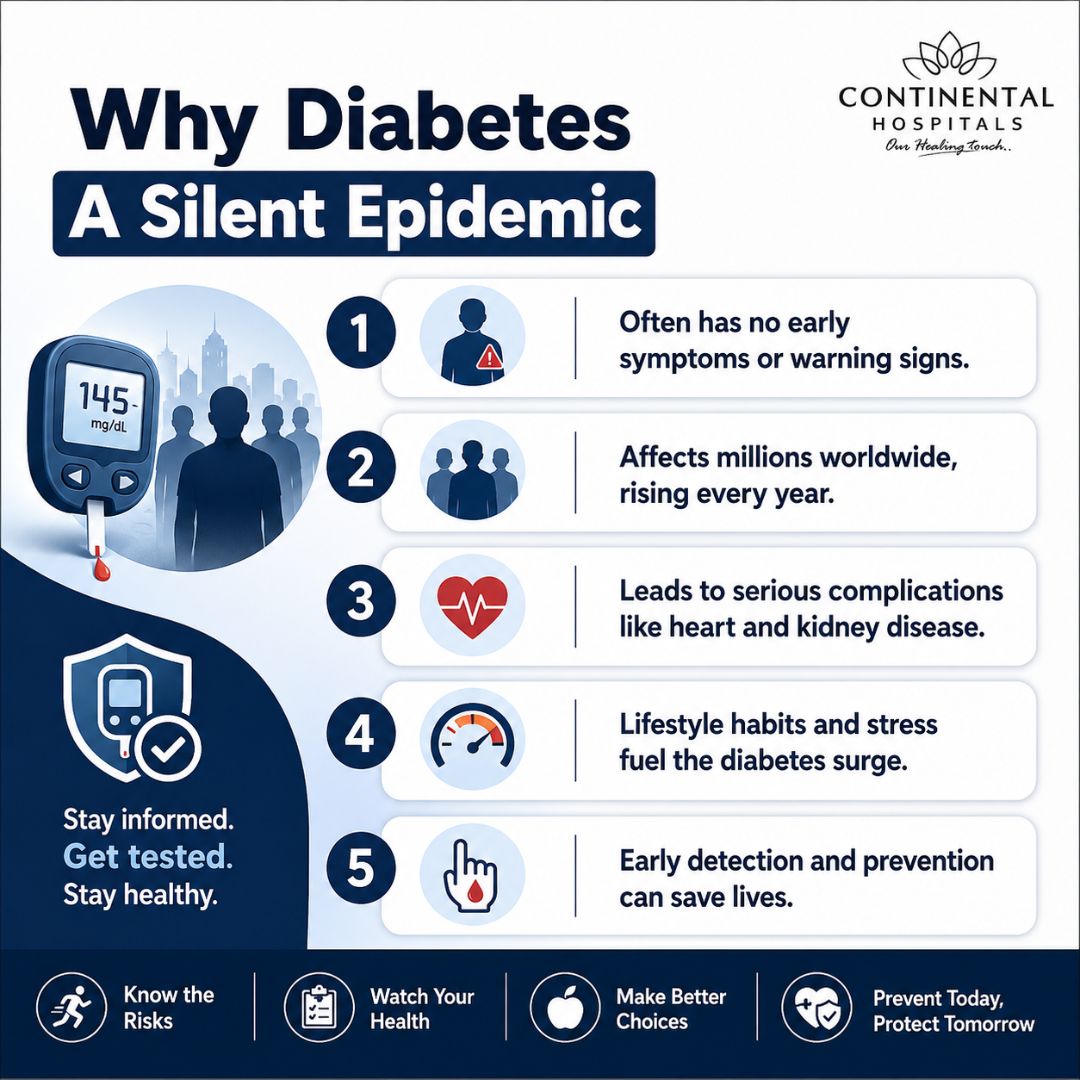
Because, in contrast to a sudden virus or infection that makes you feel sick right away, high blood sugar is gradual. Most people develop diabetes slowly, over years, with few if any dramatic or uncomfortable symptoms.
So early, undiscernible signs are usually dismissed as aging or a long work week. By the time fairly obvious health problems occur, the excess sugar has already begun damaging blood vessels inside the body. That's why regular predictive health checkups are so important - even when you feel perfectly healthy.
Visit the Endocrinology Department at Continental Hospitals for comprehensive evaluation, advanced diagnostics, and personalized treatment plans for diabetes, thyroid disorders, hormonal imbalances, obesity, metabolic conditions, and other endocrine disorders.
How is the modern lifestyle linked to the surge in diabetes?
In the past few decades, our way of living has inadvertently made us more prone to metabolic challenges. The modern lifestyle is now intimately linked with diabetes because of a few key changes:
- Less movement: Desk jobs, long drives, and screen time have us sitting most of the day, making our muscles less responsive to insulin.
- More processed foods: High-calorie foods, sugary beverages, and refined carbs pump up glucose levels very quickly.
- More stresses: Daily stress releases hormones like cortisol that naturally increase blood sugar and promote belly fat.
- Less sleep: An inconsistent sleep pattern throws off hormones that control appetite and metabolism of blood sugar.
What are the quiet symptoms of diabetes?
The disease can be silent, but the body does sign its presence with subtle clues. Managing the disease early by noticing early mild diabetes symptoms can change your health trajectory dramatically:
- Constant Fatigue: Regularly feeling fatigued even after a full night's sleep because your cells cannot get enough glucose for energy.
- Frequent Urination: Urinating more often than normal, especially in the middle of the night.
- Increased Thirst: A constant need for water as your kidneys work hard to get rid of excess sugars.
- Slow Healing: Cuts, scrapes, and bruises need weeks to heal, not days.
- Blurred Vision: A temporary change in the shape of your lenses due to changes in fluid levels in your blood.
Why is being proactive about preventing diabetes so important?
Blood sugar management prevents long-term damage to your heart, kidneys, eyes, and nerves. The great news is that type 2 diabetes is highly preventable, and in many cases, it can be managed by taking proactive preventive measures.

Being proactive about flipping the diabetes script does not mean you have to undergo a drastic change in your daily habits. With small daily changes, you can reverse the trajectory of your health.
- Daily Physical Activity: By doing 30 minutes of moderate-intensity activity, such as walking at a brisk pace, you activate your muscles to use up blood sugar.
- Whole Foods: Shift your diet to whole grains, vegetables, lean proteins, and good fats, and reduce processed sugars.
- Weight Loss: Losing even a small percentage of your body weight can have a big impact on insulin sensitivity.
- Screening: A simple annual blood test is enough to answer the question - What is my fasting blood glucose level?
Why Choose Continental Hospitals for Diabetes Care?
When dealing with a condition as complex as diabetes, the quality of care and the expertise of the medical team make all the difference. Continental Hospitals stands as a premier healthcare institution, recognized as the best hospital in Hyderabad for its comprehensive approach to metabolic health.
Clinical Excellence and Accreditations
Continental Hospitals is committed to the highest standards of patient safety and clinical outcomes. Our facility holds prestigious accreditations, including JCI (Joint Commission International) and NABH (National Accreditation Board for Hospitals & Healthcare Providers). These certifications are a testament to our dedication to maintaining global benchmarks in healthcare delivery and administrative excellence.
Holistic Treatment Approach
We believe that managing the silent diabetes epidemic requires more than just medication. Our approach integrates:
- Advanced diagnostic laboratories for precise blood sugar monitoring and A1C testing.
- Specialized diabetic foot care clinics to prevent complications.
- Nutritional counseling tailored to individual cultural and dietary preferences.
- Integrated support for heart and kidney health, ensuring that the secondary effects of diabetes are managed proactively.
Patient-Centric Technology
By utilizing the latest medical technology, Continental Hospitals ensures that patients receive minimally invasive treatments and highly accurate monitoring. Our infrastructure is designed to provide a seamless experience from consultation to recovery, making us the trusted choice for thousands of families in Hyderabad.
Conclusion
Diabetes may be a silent epidemic, but it is not an unbeatable one. With the right information and a proactive mindset, you can protect your health and the health of your loved ones. Continental Hospitals remains dedicated to providing the resources, expertise, and compassionate care needed to navigate the challenges of modern health.
If you suffer from persistent symptoms or wish to evaluate your risk factors through a comprehensive health screening, our experts are here to help. Taking action today can pave the way for a vibrant, healthy tomorrow. Book an appointment with our best endocrinologist in Hyderabad at Continental Hospitals for specialized diabetes care and management.
Related Blog Topics: