post-title

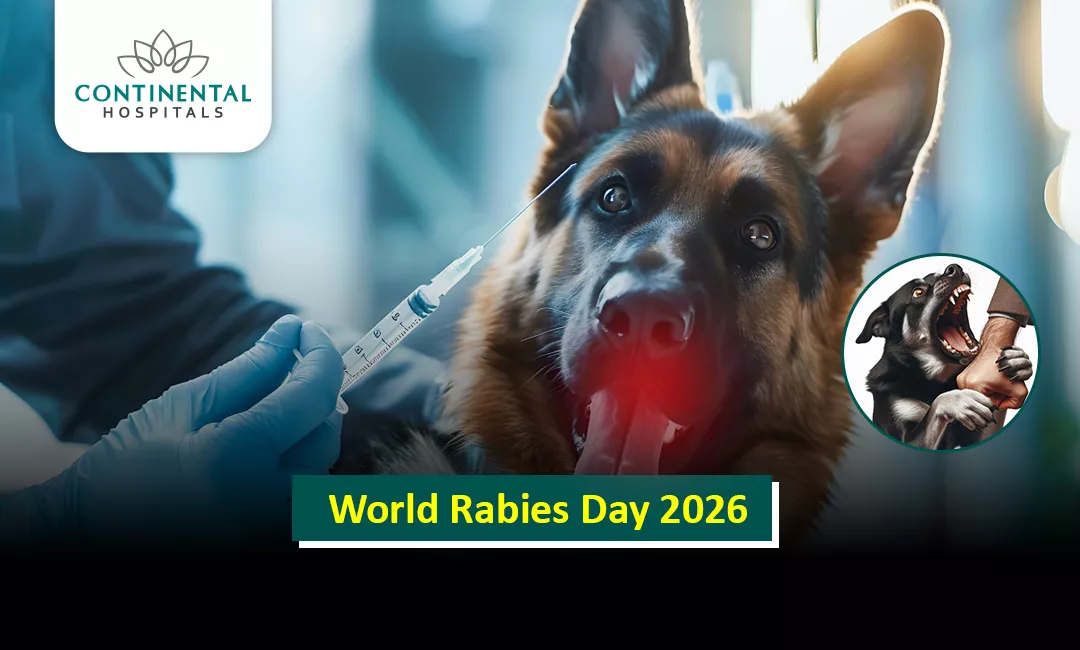
World Rabies Day 2026 - Stronger Together

Written by - Editorial Team
Medically Reviewed by - Dr Santosh Gattu

World Rabies Day 2026 is celebrated on 28 September with the aim of raising awareness about rabies, the prevention of rabies, and the engagement of communities working together to end human deaths caused by rabies spread by dogs. The World Health Organization has declared the theme of World Rabies Day 2026 as "Stronger Together". This theme emphasizes the importance of collaboration involving communities, health care providers, veterinarians, governments, and global health organizations that is essential for eliminating rabies. 

What is the significance of World Rabies Day 2026? Rabies is an infectious disease caused by a virus that affects the nervous system of those that are infected after getting bitten or scratched by a rabid animal. Rabies is fatal once clinical symptoms appear, but deaths can be prevented through prompt treatment of wounds and the application of post-exposure treatment. Vaccination of dogs is one of the most important methods of rabies prevention since it reduces rabies cases in animals.

What is the message behind the World Rabies Day 2026 theme “Stronger Together”?

The slogan brings out the notion that it is impossible for just one individual/organization to combat rabies. It requires collective efforts from different stakeholders.

As per WHO, the approach entails:

  • Making snake vaccinations available.
  • Making rabies surveillance and reporting better.
  • Raising awareness of rabies.
  • Provision of responsible animal care support.
  • Giving timely access to healthcare.
  • Establishing sustainable rabies prevention programs led by local communities.
  • Coordinating activities related to human health and animal health. 

The above can be explained using the One Health approach that looks into connections between animal health, human health, and environmental health.

Visit the Infectious Diseases Department at Continental Hospitals, Hyderabad, for expert consultation and timely infection management.

What is rabies disease, and how does it spread?

Rabies is a disease caused by viruses transmitted primarily through the saliva of an infected animal. The virus can enter into an organism through bites, scratches, or through infected saliva coming into contact with broken skin or mucous membranes.

Dogs continue to be prominent sources of human rabies transmission in most affected territories. This is the reason for the importance of dog vaccination in global Rabies Prevention measures.
Second Opinion

What are common symptoms of rabies?

Symptoms in the beginning can resemble those of other diseases, which is why it is important to stay alert. Symptoms may include:

  • Fever and general loss of strength
  • Headache or feeling discomfort 
  • Pain, tingling, or unusual feeling around the wound
  • Anxiety or agitation
  • Problems with swallowing
  • Strong salivation
  • Mental confusion or unusual behavior
  • Aversion of air or water in the advanced stage of the illness
  • Development of neurological problems

What Actions to Take After an Animal Bite or Scratch?

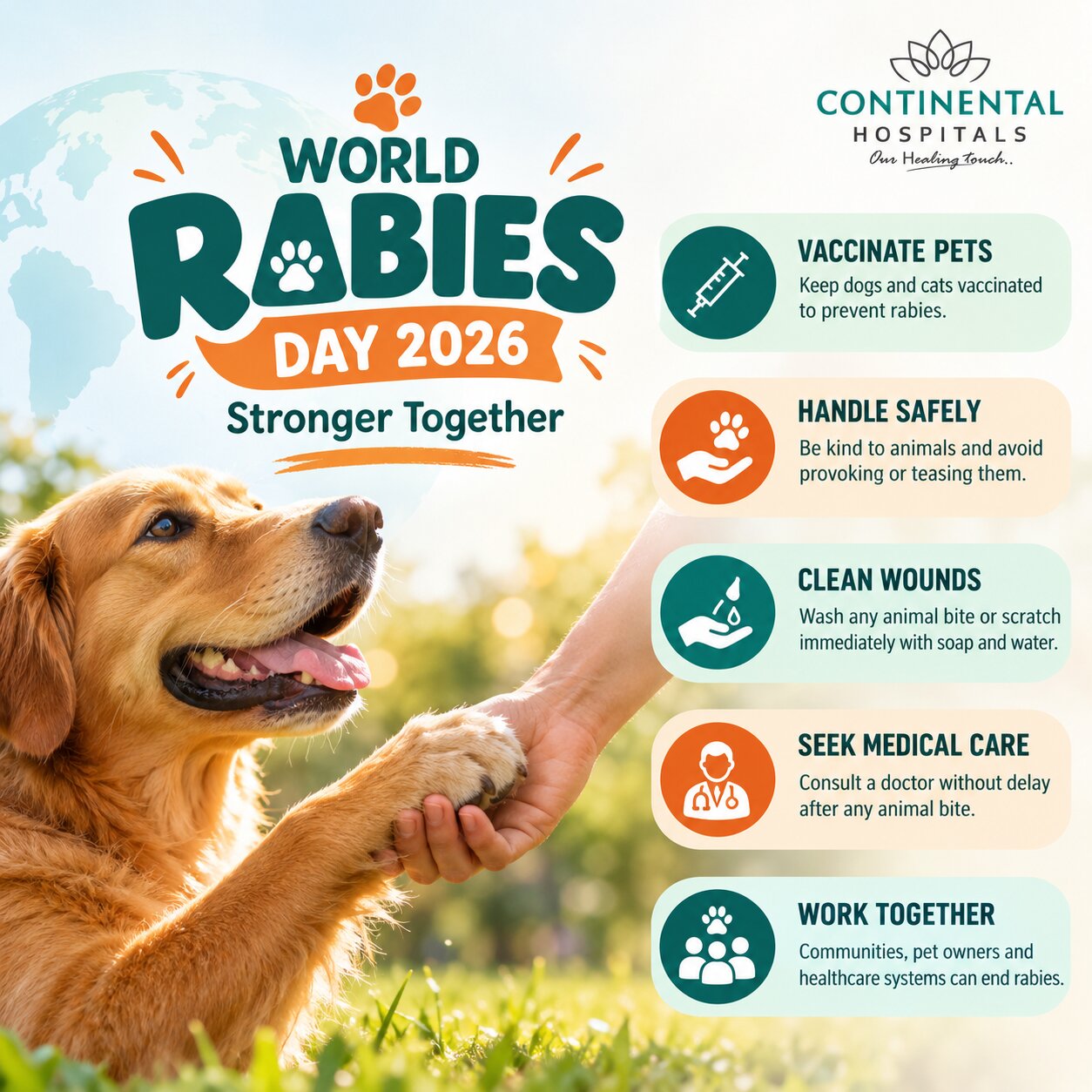
One should act immediately. The wound should be cleaned using soap and water immediately, and medical help should then be sought.

Some of the key steps are:

  • One should wash the wound using soap and water.
  • The use of any harmful substance should be avoided.
  • Medical assistance should be obtained.
  • Get the vaccinations for rabies as recommended by the doctor.
  • Complete all the instructions stated by the doctor.
  • Inform the doctor regarding the animal that has caused the injury.

The treatment should start as soon as possible and not be delayed to wait for the symptoms of rabies to appear.

Is the disease preventable?

Yes. Rabies is preventable by using good preventive measures. Rabies vaccination for dogs takes care of the animal reservoir; post-exposure treatment prevents the disease from spreading to humans.

How Should Families Help in Rabies Awareness?

Implementing some simple prevention practices can bring a change:

  • Teach your children the rules of not approaching unknown animals
  • Never disturb animals that are busy with feeding or taking care of their offspring
  • Promote responsible pet ownership
  • Always ensure your pets are vaccinated against rabies
  • Teach your children to report anytime they get bitten or scratched as soon as they can
  • Consult a healthcare professional after any potentially dangerous animal encounter
  • Disseminate relevant information on rabies prevention among family and community

Why does the rabies vaccine matter?

The rabies vaccine is a tool used in rabies prevention after a possible exposure and for people with certain profession/exposure risks. The duration of the vaccination window differs depending on the type of exposure and the person's specifics.  

Need an Appointment?

Vaccination of animals is equally important because eliminating rabies in animals helps minimize the chance of disease transmission to humans. As it states WHO, it is necessary to combine vaccination and preventive measures as part of the global response to rabies.

Why Choose Continental Hospitals for Rabies Treatment?

When should you consider contacting a medical treatment center after a suspected rabies exposure?

The Continental Hospitals, Hyderabad, offers full medical assistance provided by a qualified healthcare team and well-recognized diagnostic services. The institution employs hospitals' quality procedures in practice, which have been confirmed by the JCI and NABH, internationally acknowledged organizations dealing with the accreditation of medical institutions. 

There is a possibility of rabies infection occurring in case an animal bites or scratches a person.

What Lessons Can We Take Away From World Rabies Day 2026?

The point is straightforward: "Stronger Together.” Rabies prevention is a combined effort involving people, communities, healthcare systems, veterinary services, governments, and animal health programs. The message of the WHO 2026 campaign relates to connected systems regarding education, vaccination, surveillance, and law.

Lesson Learned from Rabies Prevention

  • Learn how rabies can be transmitted.
  • Learn about the importance of washing a wound immediately.
  • Do not take any bite or scratch from an animal lightly.
  • Consult a physician as soon as there is a risk of infection
  • Follow the schedule of the rabies vaccine if instructed.
  • Vaccinate the dogs and eligible pets.
  • Educate children on safe behavior around animals.
  • Share relevant information on rabies.
  • Engage in responsible pet ownership and vaccination campaigns.
  • Remember the phrase of World Rabies Day 2026: Stronger Together

Conclusion

Rabies is a serious but preventable disease. Prevention begins with awareness, responsible animal vaccination, safe behavior around animals, immediate wound care, and timely medical attention after a potential exposure. The “Stronger Together” theme reminds us that rabies elimination depends on cooperation across human health, animal health, communities, and public health systems.

If you or your child has been bitten or scratched by a dog, cat, monkey, or another potentially infected animal, consult our best infectious disease specialist in Hyderabad at Continental Hospitals, Hyderabad, promptly for appropriate evaluation and post-exposure care.

Related Blogs:

  1. Rabies Alert: Post-Dog-Bite Actions
  2. Dog Bite to Rabies: Signs, Risks, and Emergency Care
  3. Rabies Prevention: What to Do Immediately After a Dog Bite

Frequently Asked Questions

Rabies is a serious viral infection that affects the nervous system. It is mainly transmitted through the saliva of an infected animal. Bites are the most common way the virus enters the body. Scratches or saliva contacting broken skin can also pose a risk. Dogs are a major source of human rabies infections worldwide. Other mammals can also transmit the virus. Rabies is preventable when appropriate care is given promptly after exposure. Once clinical symptoms appear, rabies is almost always fatal. Early medical attention is therefore extremely important. Post-exposure prophylaxis can help prevent the virus from causing disease. Vaccination is an important part of rabies prevention. Awareness and responsible animal care can also reduce transmission. World Rabies Day highlights the importance of preventing rabies together.
Rabies usually spreads when infected saliva enters the body. This most commonly happens through an animal bite. The virus can also enter through scratches contaminated with infected saliva. Contact with the eyes, mouth or an open wound can also create a risk. Rabies is not normally spread through touching or petting an infected animal. Casual contact such as sharing food or water does not usually transmit rabies. Dogs remain an important source of human rabies deaths globally. Cats, bats and other mammals can also carry the virus. The risk depends on the animal involved and the type of exposure. Any potentially risky exposure should be assessed by a healthcare professional. Washing the wound promptly with soap and running water is an important first step. Medical assessment should not be delayed after a suspected exposure. Timely preventive treatment can stop rabies from developing.
Rabies symptoms may take weeks or months to develop after exposure. The incubation period can vary depending on several factors. Early symptoms may include fever, weakness and headache. Pain, tingling or unusual sensations around the bite site may also occur. As the infection progresses, neurological symptoms can develop. These may include anxiety, confusion and agitation. Difficulty swallowing and excessive saliva can occur in some patients. Some people may develop fear or difficulty with drinking water. Paralysis can also occur as the disease progresses. Severe neurological complications can eventually lead to coma. Once clinical rabies symptoms appear, the disease is almost always fatal. This is why treatment after exposure must begin before symptoms develop. Anyone with a possible exposure should seek urgent medical advice.
Wash the bite wound immediately with soap and plenty of running water. Continue washing the area thoroughly for about 15 minutes when possible. Cleaning the wound can help remove infectious material from the exposure site. Do not apply irritating chemicals or substances to the wound. Avoid tightly covering the wound before medical evaluation. Seek medical attention as soon as possible after the exposure. A healthcare professional will assess the type and severity of exposure. They will also consider the animal involved and its vaccination status. Rabies vaccination may be recommended after certain exposures. Rabies immunoglobulin may be needed for some severe exposures. Do not wait for symptoms to appear before seeking care. Keep information about the animal available if it can be obtained safely. Prompt medical assessment can help prevent rabies from developing.
Rabies is largely preventable through vaccination and timely medical care. Vaccinating dogs is one of the most effective ways to prevent human rabies. Responsible pet ownership also plays an important role in prevention. Avoiding contact with unfamiliar or wild animals can reduce exposure risk. Children should be taught not to approach or disturb unknown animals. People travelling to areas with rabies risk may need preventive vaccination in some situations. After a possible exposure, immediate wound washing is essential. Post-exposure prophylaxis can prevent the virus from causing disease when given appropriately. Healthcare professionals can determine whether vaccination or immunoglobulin is needed. Communities can help by supporting animal vaccination and responsible population management. Public education can also encourage early reporting of animal bites. Collaboration between human and animal health services strengthens prevention. These combined measures support the goal of eliminating human deaths from dog-mediated rabies.
Rabies vaccines used for prevention and post-exposure treatment are generally considered safe. Like other vaccines, they can cause some temporary side effects. Common reactions may include pain, redness or swelling at the injection site. Some people may experience mild fever, headache or tiredness. Serious allergic reactions are uncommon but can occur. The benefits of vaccination after a genuine rabies exposure are extremely important. Healthcare professionals select the appropriate vaccination schedule based on the exposure. People who have previously received rabies vaccination may require a different schedule. The treatment plan can also depend on the type of exposure. Rabies vaccination should be given under appropriate medical guidance. People should complete the recommended course rather than stopping early without medical advice. Concerns about vaccine reactions should be discussed with a healthcare professional. Timely vaccination can be lifesaving after a potential rabies exposure.
Properly vaccinated dogs have a much lower risk of developing and transmitting rabies. However, vaccination does not mean every animal exposure can be ignored. A bite or scratch should still be assessed based on the circumstances. The dog's vaccination history should be verified when possible. Local public health guidance may recommend observing the animal after an exposure. Do not attempt to capture or handle an unfamiliar animal yourself. Seek medical advice even when the animal appears healthy. A healthcare professional can assess whether rabies post-exposure treatment is necessary. Keeping pets vaccinated helps protect both animals and people. Regular veterinary care supports responsible pet ownership. Communities with high dog vaccination coverage can reduce rabies transmission. Animal vaccination is therefore an important part of public health prevention. The safest approach after an exposure is prompt wound care and professional medical assessment.
World Rabies Day is observed every year on September 28. It raises awareness about rabies prevention and control. The day also highlights the importance of timely treatment after animal exposures. Rabies continues to be a serious public health concern in many parts of the world. Dog vaccination is central to preventing human deaths from dog-mediated rabies. Public awareness can encourage people to seek medical care after bites and scratches. Education can also help communities understand safe interactions with animals. World Rabies Day promotes collaboration between human, animal and environmental health sectors. This approach reflects the One Health principle of working across disciplines. The 2026 theme, “Stronger Together,” highlights the importance of collaboration in rabies prevention. Healthcare workers, veterinarians, communities and policymakers all have roles to play. Responsible pet ownership and animal vaccination can strengthen prevention efforts. Together, these measures can help move communities closer to a world free from human rabies deaths.
Disclaimer: The information provided in this blog is intended for general knowledge and informational purposes only, and does not constitute medical advice. Always consult with a qualified healthcare professional for any medical concerns or before making any decisions about your health.

Get in Touch With Us

Whether you are from India or abroad, we are here to help you with your medical queries. Please fill out the form below and our team will connect with you shortly.

  • ✔ Quick response from our medical experts
  • ✔ Secure data handling & privacy
  • ✔ Easy upload for reports & documents
banner_image

Chat with our medical experts on WhatsApp for quick assistance and hassle-free appointment booking

Recent Posts