• Share this:
post-title

Nutrition During Cancer Treatment

Written by - Editorial Team
Medically Reviewed by - Dr P Jagannath

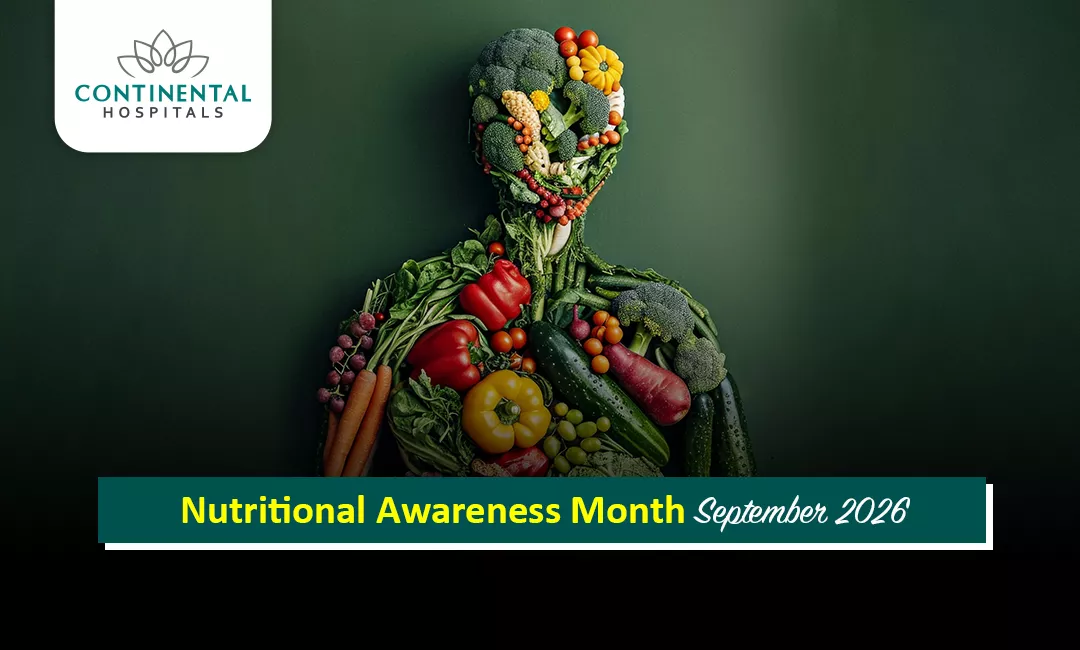
Cancer treatment can be physically and emotionally challenging, impacting various aspects of a person's health, including nutrition. Eating well during cancer treatment is crucial for maintaining strength, supporting the immune system, and optimizing overall health. This blog aims to provide comprehensive guidance on nutrition during cancer treatment, covering dietary considerations, common challenges, and practical tips to ensure optimal nutrition and well-being.

What Should You Eat During Cancer Treatment?

Cancer and its treatments, such as chemotherapy, radiation therapy, and surgery, can affect the body's ability to tolerate and utilize nutrients. 
The goals of nutrition during cancer treatment include:

Supporting overall health: Providing adequate nutrients to maintain energy levels, support immune function, and promote healing.
Managing treatment side effects: Addressing common side effects like nausea, taste changes, mouth sores, and changes in appetite.
Maintaining muscle mass: Preventing or minimizing muscle loss (cachexia) often associated with cancer and its treatments.
Improving quality of life: Enhancing well-being and supporting emotional health during treatment.

Visit our Best Cancer Specialist in Hyderabad for expert cancer care, personalized nutrition guidance, and comprehensive support at every stage of your treatment journey.

What Are the Common Nutrition Challenges During Cancer Treatment?

Changes in Appetite and Taste

Many cancer patients experience changes in appetite and taste perceptions. This can lead to reduced food intake or aversions to certain foods, impacting overall nutrition. 
Strategies to manage these challenges include:

Experimenting with different foods: Trying new foods or flavors that are appealing.
Eating small, frequent meals: Consuming smaller portions throughout the day rather than large meals.
Adding flavor to foods: Using herbs, spices, marinades, or sauces to enhance taste.
Staying hydrated: Drinking plenty of fluids, including water, herbal teas, and broths.

Digestive Issues

Digestive problems such as nausea, vomiting, diarrhea, or constipation are common during cancer treatment. 
Managing these symptoms involves:

Second Opinion

Choosing easily digestible foods: Opting for bland, low-fat foods that are gentle on the stomach.
Avoiding trigger foods: Steering clear of spicy, greasy, or very sweet foods that may exacerbate symptoms.
Staying hydrated: Drinking fluids between meals to prevent dehydration, especially with diarrhea.
Using medications as prescribed: Taking anti-nausea medications or digestive aids as recommended by healthcare providers.

Weight Changes

Weight loss or weight gain can occur during cancer treatment, depending on the type of cancer, treatment regimen, and individual factors. 
Strategies to manage weight changes include:

Monitoring weight regularly: Keeping track of weight changes and discussing concerns with healthcare providers.
Eating nutrient-dense foods: Choosing foods high in calories and nutrients to support weight maintenance or gain.
Physical activity: Engaging in light exercise or physical activity to maintain muscle mass and improve appetite.
Nutritional supplements: Considering supplements like protein shakes or high-calorie drinks if needed.

Key Nutrients to Focus On

Certain nutrients play critical roles in supporting health during cancer treatment:

Protein: Essential for maintaining muscle mass and supporting immune function. Good sources include lean meats, poultry, fish, dairy products, eggs, beans, and nuts.
Antioxidants: Help protect cells from damage caused by free radicals. Found in colorful fruits and vegetables like berries, tomatoes, spinach, and bell peppers.
Omega-3 fatty acids: Have anti-inflammatory properties and can be found in fatty fish (salmon, trout), flaxseeds, chia seeds, and walnuts.
Fiber: Important for digestive health and preventing constipation. Found in whole grains, fruits, vegetables, and legumes.
Fluids: Adequate hydration is essential for overall health and helps manage side effects like constipation and dehydration.

Need an Appointment?

What Is the Best Diet During Cancer Treatment?

While individual nutritional needs may vary based on cancer type, treatment regimen, and personal health status, there are general guidelines that can help optimize nutrition during cancer treatment:

Emphasize Nutrient-Dense Foods:

  • Include a variety of fruits, vegetables, whole grains, lean proteins (such as poultry, fish, tofu, beans), and healthy fats (like olive oil, nuts, seeds).
  • Choose foods rich in vitamins, minerals, and antioxidants to support overall health and immune function.

Stay Hydrated:

  • Drink plenty of fluids throughout the day, such as water, herbal teas, and broths, to prevent dehydration and support digestion.

Manage Digestive Issues:

  • Eat small, frequent meals and snacks to manage nausea and maintain energy levels.
  • Choose bland, easy-to-digest foods like toast, crackers, rice, and bananas during periods of nausea or digestive discomfort.
  • Consider ginger tea or ginger candies to help alleviate nausea.

Address Changes in Taste and Appetite:

  • Experiment with different flavors and textures to find foods that are appealing.
  • Use herbs, spices, and marinades to enhance flavor without adding extra salt or sugar.
  • Cold or room-temperature foods may be better tolerated than hot foods for some individuals.

Monitor Weight Changes:

  • Maintain a healthy weight by working with a registered dietitian or nutritionist to adjust your diet based on changes in appetite and energy needs.
  • Aim to consume enough calories and protein to support weight maintenance or prevent unintended weight loss.

Consider Supplements:

  • Talk to your healthcare team about the use of supplements such as multivitamins or nutritional shakes if you're unable to meet your nutritional needs through diet alone.

Which Foods Help Reduce Cancer Treatment Side Effects?

Nausea and Vomiting:

  • Eat small, frequent meals throughout the day.
  • Choose bland, easy-to-digest foods like crackers, toast, and applesauce.
  • Avoid strong-smelling or greasy foods that may trigger nausea.

Diarrhea:

  • Stay hydrated with electrolyte-rich beverages like sports drinks or oral rehydration solutions.
  • Avoid high-fiber foods, fried or fatty foods, and dairy products if they worsen symptoms.
  • Opt for binding foods like bananas, white rice, and boiled potatoes.

Mouth Sores:

  • Choose soft, moist foods that are easy to chew and swallow, such as smoothies, yogurt, and soups.
  • Avoid acidic, spicy, or rough-textured foods that may irritate mouth sores.
  • Rinse your mouth with a solution of baking soda and water or a saltwater rinse to help alleviate discomfort.

Changes in Taste:

  • Experiment with different flavors and textures to find foods that are more appealing.
  • Use seasonings, herbs, and marinades to enhance flavor without adding extra salt or sugar.
  • Cold or room-temperature foods may taste better than hot foods for some individuals.

Conclusion

Navigating nutrition during cancer treatment involves adapting to changing dietary needs, managing treatment side effects, and maintaining overall health and well-being. By prioritizing nutrient-dense foods, staying hydrated, and addressing specific treatment-related challenges, individuals can support their bodies throughout the treatment process.

Consulting our best oncologist in Hyderabad can provide personalized guidance and support to optimize nutrition and enhance quality of life during and after cancer treatment. Remember, every person's journey with cancer is unique, and finding the right balance of nutrition and support is key to promoting recovery and well-being.

Related Blog Topics:

  1. Understanding PET CT Scans in Cancer Detection
  2. Understanding Cancer Treatment Options for Patients

Frequently Asked Questions

Good nutrition plays a vital role in supporting the body during cancer treatment. It helps maintain strength, preserves muscle mass, supports the immune system, and improves energy levels. Eating a balanced diet can help the body recover from treatments such as chemotherapy, radiation therapy, surgery, and immunotherapy. Proper nutrition also reduces the risk of malnutrition, speeds up healing, and helps manage common side effects like fatigue, nausea, and appetite loss. Patients who eat well are often better able to complete their treatment plans with fewer interruptions. Drinking enough fluids is equally important to prevent dehydration. Every patient's nutritional needs are different depending on their cancer type, treatment, age, and overall health. A personalized nutrition plan created with guidance from an oncologist and dietitian can support better treatment outcomes and improve quality of life throughout the cancer journey.
Cancer patients should focus on eating nutrient-rich foods that provide protein, healthy fats, vitamins, minerals, and carbohydrates. Lean proteins such as eggs, fish, chicken, lentils, beans, tofu, and dairy products help repair tissues and maintain muscle strength. Whole grains like brown rice, oats, and whole wheat provide lasting energy. Fresh fruits and vegetables supply antioxidants, fiber, and essential nutrients that support overall health. Healthy fats from nuts, seeds, avocados, and olive oil can add calories when appetite is poor. Soft and easy-to-digest foods may be helpful if swallowing is difficult. Small, frequent meals are often easier to manage than large meals. Staying hydrated with water, soups, coconut water, or fresh juices also supports recovery. Nutritional needs vary between individuals, so dietary advice should always be personalized by healthcare professionals.
Loss of appetite is a common side effect of cancer treatment, but several strategies can help improve food intake. Eating five to six small meals throughout the day is often easier than consuming three large meals. Choose foods that are high in calories and protein even in small portions. Include smoothies, milkshakes, yogurt, nut butter, cheese, and protein-rich snacks between meals. Eat whenever hunger appears instead of following a fixed meal schedule. Gentle physical activity, if approved by the doctor, may help stimulate appetite. Keep favorite healthy foods readily available and avoid skipping meals. Drinking fluids between meals instead of during meals may prevent early fullness. If appetite loss continues or causes weight loss, patients should consult their oncologist or a clinical dietitian for specialized nutritional support.
Certain foods may increase the risk of infections or worsen treatment-related side effects. Patients should avoid raw or undercooked meat, seafood, eggs, and unpasteurized dairy products because they may contain harmful bacteria. Processed foods high in salt, sugar, and unhealthy fats should be limited. Alcohol is generally discouraged as it can interfere with treatment and irritate the digestive system. Very spicy, oily, or fried foods may worsen nausea, diarrhea, or mouth sores. Patients with weakened immunity should wash fruits and vegetables thoroughly before eating. Herbal supplements and alternative remedies should not be taken without medical advice, as they may interact with cancer medications. Food restrictions vary depending on the treatment plan, making individualized guidance from healthcare professionals essential.
Proper nutrition can significantly reduce many common side effects experienced during cancer treatment. Soft foods such as mashed vegetables, soups, yogurt, and oatmeal may help patients with mouth sores or swallowing difficulties. Bland foods like rice, bananas, toast, and applesauce can help reduce nausea and diarrhea. High-protein foods support tissue healing after surgery or radiation therapy. Drinking adequate fluids helps prevent dehydration caused by vomiting or diarrhea. Fiber-rich foods may improve constipation, while low-fiber foods may be recommended during severe diarrhea. Eating smaller meals more frequently can reduce digestive discomfort. Avoiding foods with strong smells may also help patients experiencing nausea. A well-planned diet supports recovery, improves comfort, and helps patients maintain adequate nutrition throughout treatment.
Vitamin and nutritional supplements should only be taken under the supervision of an oncologist or registered dietitian. While some patients may require supplements because of nutritional deficiencies or poor food intake, unnecessary supplementation may interfere with certain cancer treatments. High doses of antioxidants or herbal products can sometimes reduce the effectiveness of chemotherapy or radiation therapy. Most patients can meet their nutritional needs through a balanced diet whenever possible. If eating becomes difficult, doctors may recommend oral nutritional supplements or specialized protein drinks. Blood tests may be used to identify vitamin deficiencies before supplementation is advised. Patients should always inform their healthcare team about any over-the-counter vitamins, herbal products, or alternative medicines they are using.
Staying hydrated is an essential part of cancer care because treatments can increase the risk of dehydration. Water helps regulate body temperature, supports kidney function, transports nutrients, and removes waste products from the body. Most patients should drink enough fluids throughout the day unless their doctor recommends fluid restrictions due to specific medical conditions. Water, soups, coconut water, milk, and electrolyte-rich beverages can all contribute to hydration. Patients experiencing vomiting, diarrhea, or fever may require additional fluids. Drinking small amounts frequently may be easier than consuming large volumes at once. Signs of dehydration include dark urine, dizziness, dry mouth, and fatigue. Patients should contact their healthcare provider if they are unable to maintain adequate fluid intake.
Cancer patients should seek medical advice whenever eating becomes difficult or if they experience significant weight loss, poor appetite, persistent nausea, vomiting, diarrhea, constipation, or difficulty swallowing. Early nutritional intervention can prevent malnutrition and improve treatment tolerance. Patients who cannot meet their nutritional needs through regular meals may require specialized dietary plans or nutritional supplements. Those with diabetes, kidney disease, or digestive disorders may need additional dietary modifications during cancer treatment. A registered dietitian can develop a personalized meal plan based on treatment type, symptoms, and nutritional requirements. Regular nutritional assessments allow healthcare providers to adjust recommendations as treatment progresses. Timely guidance helps patients maintain strength, improve recovery, and achieve better overall treatment outcomes.
Disclaimer: The information provided in this blog is intended for general knowledge and informational purposes only, and does not constitute medical advice. Always consult with a qualified healthcare professional for any medical concerns or before making any decisions about your health.

Get in Touch With Us

Whether you are from India or abroad, we are here to help you with your medical queries. Please fill out the form below and our team will connect with you shortly.

  • ✔ Quick response from our medical experts
  • ✔ Secure data handling & privacy
  • ✔ Easy upload for reports & documents
0 / 100
Checkboxes Section


Chat with our medical experts on WhatsApp for quick assistance and hassle-free appointment booking

Recent Posts
Language Based Image
0 / 100