.webp)

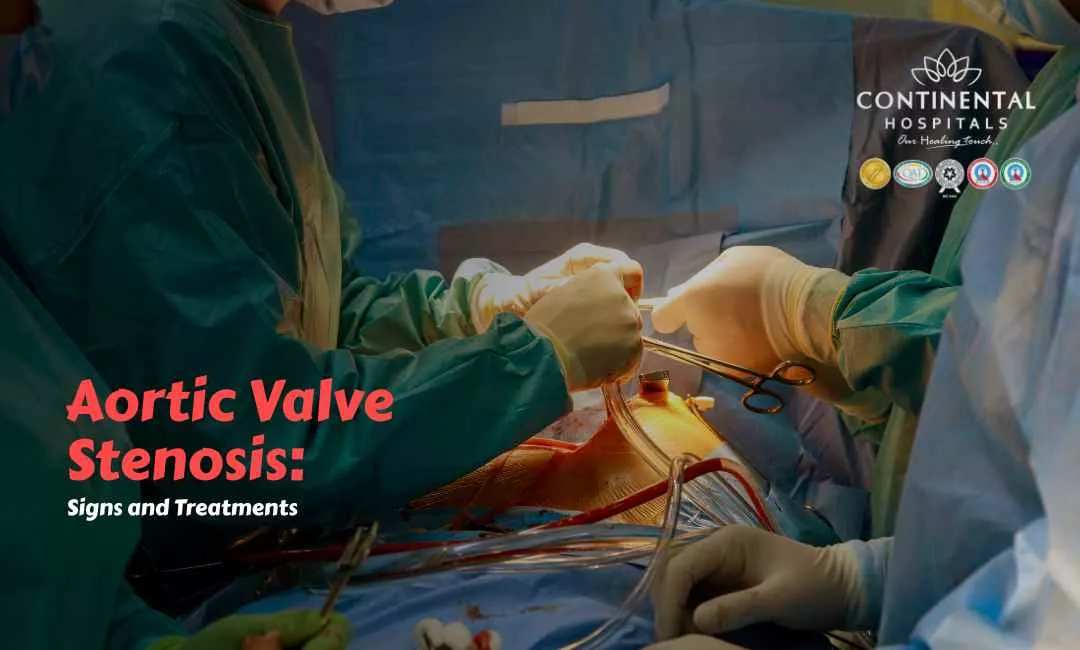
Aortic valve stenosis is one of the most common and serious heart valve problems affecting people as they age. It happens when the aortic valve, which controls blood flow from the heart to the rest of the body, becomes narrow or stiff. This narrowing makes the heart work harder to pump blood, eventually leading to symptoms like fatigue, chest pain, and shortness of breath. Understanding this condition early and knowing when to seek medical care can make a big difference in maintaining a healthy heart.
What Is Aortic Valve Stenosis?
The aortic valve plays a crucial role in regulating blood flow from the left ventricle of the heart into the aorta, the main artery that supplies oxygen-rich blood to the body. When this valve becomes thickened or calcified, it does not open properly, restricting the flow of blood. This condition is known as aortic valve stenosis. Over time, it can lead to serious heart problems if not treated effectively.
Aortic valve stenosis can develop slowly over years. In many cases, symptoms appear only after the narrowing becomes severe. Early detection through regular heart checkups can help prevent complications and ensure timely treatment.
Don't ignore symptoms such as chest pain, breathlessness, dizziness, or fainting. Visit the Best Cardiology Doctors in Hyderabad at Continental Hospitals, Hyderabad, where our experienced cardiologists offer comprehensive evaluation and advanced treatment for aortic valve stenosis and other heart valve disorders.
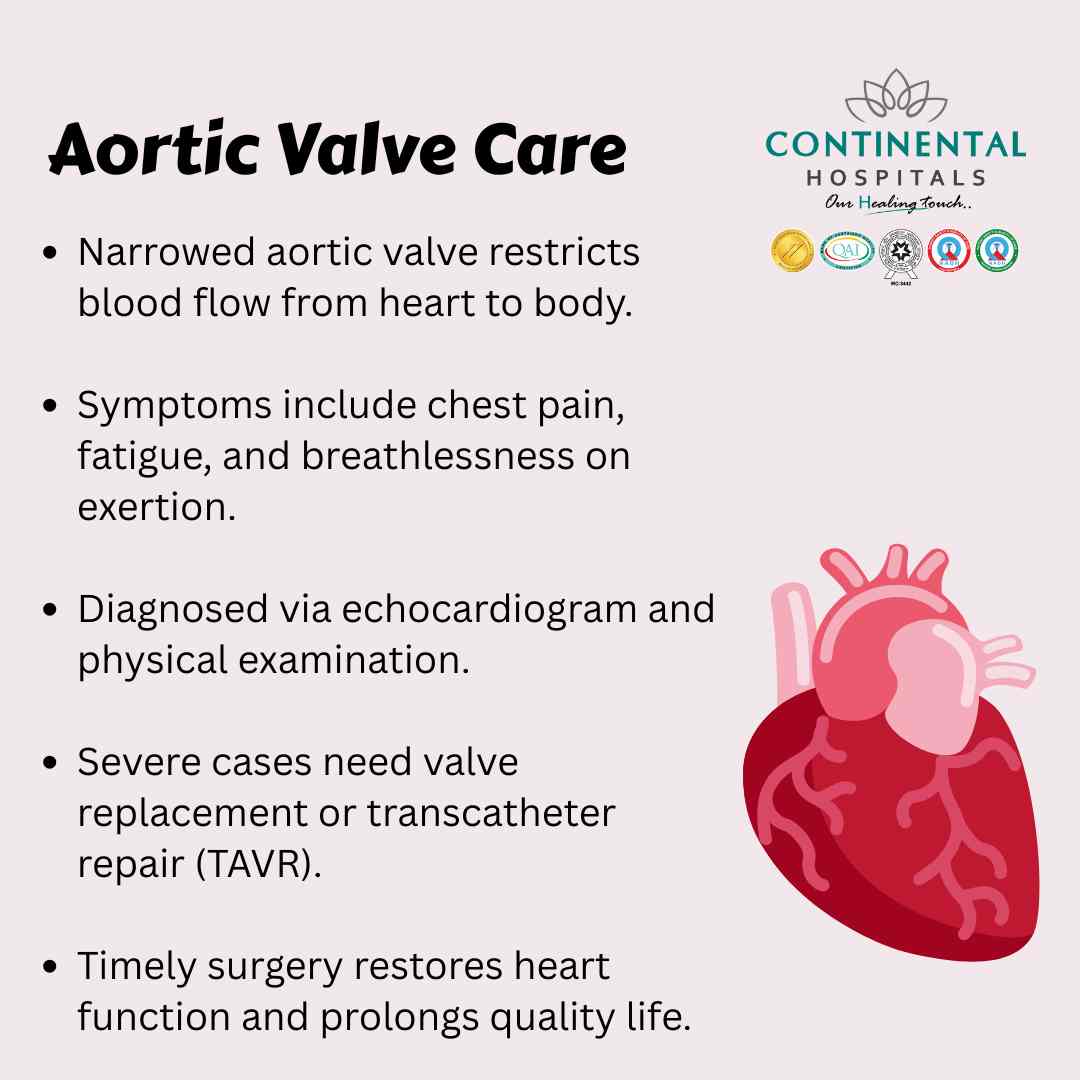
What are the common causes of aortic valve stenosis?
Aortic valve stenosis can occur due to several factors, including:
Age-related calcification: With age, calcium deposits build up on the aortic valve, causing it to stiffen and narrow.
Congenital valve defects: Some people are born with an abnormal aortic valve, such as a bicuspid valve instead of the normal tricuspid valve.
Rheumatic fever: This infection can cause scarring of the valve, leading to narrowing later in life.

Radiation therapy: In rare cases, chest radiation can lead to valve calcification.
What are the signs and symptoms of aortic valve stenosis?
In the early stages, aortic valve stenosis may not cause noticeable symptoms. However, as the condition progresses, patients may experience:
Chest pain or tightness: Especially during physical activity.
Shortness of breath: Difficulty breathing while walking, climbing stairs, or lying flat.
Fatigue and weakness: Feeling tired even with mild exertion.
Palpitations: A sensation of rapid or irregular heartbeat.
Dizziness or fainting: Especially during exertion when blood flow to the brain is reduced.
Swelling in ankles or feet: Caused by fluid buildup due to the heart’s decreased pumping ability.
If you experience any of these symptoms, it’s important to consult a cardiologist immediately. Ignoring early signs can lead to complications such as heart failure or sudden cardiac arrest.
How Is Aortic Valve Stenosis Diagnosed?
Diagnosis begins with a detailed medical history and physical examination. Doctors usually listen for a heart murmur with a stethoscope. To confirm the diagnosis, the following tests may be performed:
Echocardiogram: This ultrasound test shows the structure and function of the heart and measures the severity of valve narrowing.
Electrocardiogram (ECG): Records the electrical activity of the heart to detect abnormal rhythms or strain on the heart muscle.
Chest X-ray: Helps visualize the size of the heart and condition of the lungs.
Cardiac MRI or CT scan: Provides detailed images of the heart and valves.
Cardiac catheterization: A minimally invasive test to measure blood pressure inside the heart chambers.
What are the treatment options for aortic valve stenosis?
The right treatment depends on how severe the stenosis is and whether symptoms are present.
1. Regular Monitoring
If the condition is mild and not causing symptoms, doctors may recommend regular checkups and echocardiograms to monitor its progression.
2. Medications
Although no medicine can reverse valve narrowing, medications help manage symptoms such as high blood pressure, fluid retention, or irregular heartbeat. Commonly prescribed drugs include diuretics, beta-blockers, and ACE inhibitors.
3. Aortic Valve Replacement (AVR)
In severe cases, surgery is often necessary. There are two main types of valve replacement:
Surgical Aortic Valve Replacement (SAVR): Traditional open-heart surgery where the damaged valve is replaced with a mechanical or biological valve.
Transcatheter Aortic Valve Replacement (TAVR): A less invasive procedure where a new valve is inserted through a catheter, usually from the groin, without the need for open-heart surgery.
4. Balloon Valvuloplasty
This procedure involves inserting a balloon-tipped catheter into the valve and inflating it to widen the opening. It is often used in infants or young adults with congenital stenosis but may be temporary for older patients.
How to recover after aortic valve stenosis treatment?
After treatment, following a heart-healthy lifestyle is vital to prevent complications. Patients should:
- Eat a balanced diet low in saturated fats and sodium.
- Exercise regularly under medical guidance.
- Avoid smoking and limit alcohol consumption.
- Attend regular follow-up appointments with their cardiologist.
- Take prescribed medications without skipping doses.
Why Choose Continental Hospitals for Aortic Valve Stenosis Treatment?
Continental Hospitals, Hyderabad, is one of India’s leading multispecialty tertiary care centers recognized for excellence in cardiac care. The hospital is JCI-accredited and follows the highest global standards in patient safety and medical quality.
The Cardiology and Cardiothoracic Surgery Department at Continental Hospitals is equipped with state-of-the-art cardiac catheterization labs, advanced echocardiography systems, and hybrid operation theaters for both open and minimally invasive heart surgeries.
A team of highly experienced cardiologists, cardiac surgeons, and critical care specialists ensures that every patient receives comprehensive and personalized care. The hospital also offers advanced postoperative rehabilitation programs to help patients recover faster and return to normal life with confidence.
With 24/7 emergency cardiac care, advanced diagnostic facilities, and compassionate nursing support, Continental Hospitals provides complete heart care under one roof.
When Should You See a Doctor?
If you experience chest discomfort, dizziness, breathlessness, or unexplained fatigue, it’s important to get your heart evaluated. Aortic valve stenosis can be silent for years, but timely diagnosis and treatment can prevent life-threatening complications.
Conclusion
Aortic valve stenosis is a serious heart condition that requires medical attention and ongoing care. Recognizing the signs early, undergoing proper diagnosis, and receiving timely treatment can improve both quality of life and longevity.
If you suffer from symptoms of aortic valve stenosis or have been diagnosed with a heart valve problem, consult our Best Cardiologist in hyderabad at Continental Hospitals, Hyderabad. Our expert team offers advanced, patient-centered care to help you regain a healthy and active life.
Book your appointment today and take the first step toward better heart health!