post-title

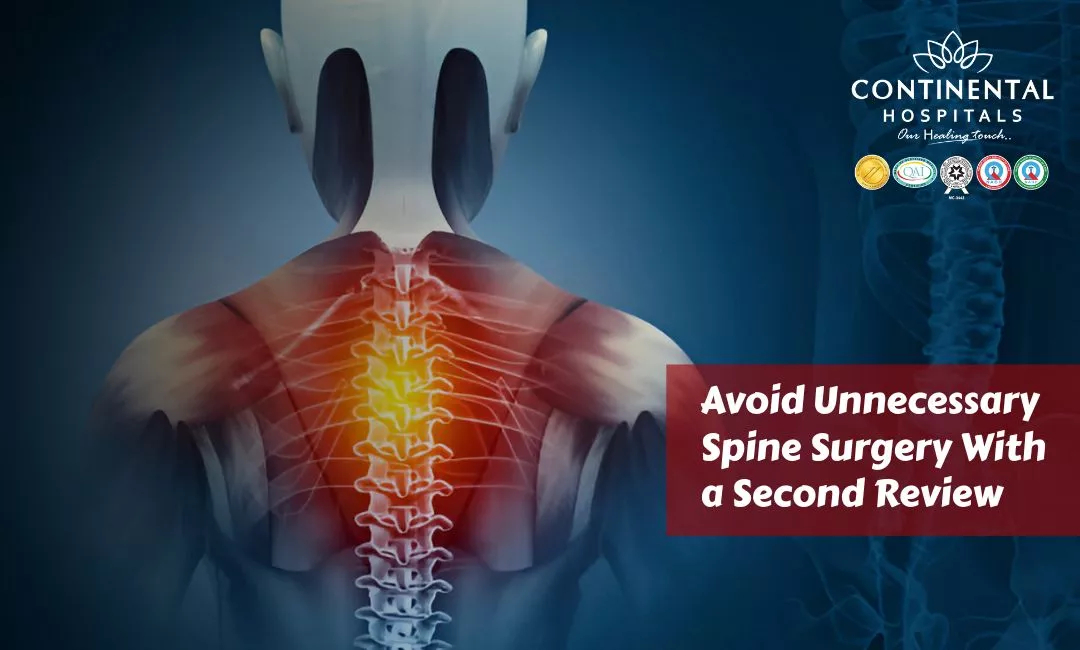
Avoid Unnecessary Spine Surgery With a Second Review

Written by - Editorial Team
Medically Reviewed by - Dr Arun Reddy Mallu

Back pain and spinal problems can be incredibly frustrating and limiting. It’s natural to want a quick fix. But spine surgery is complex, and like any surgery, it carries risks. Sometimes, symptoms like pain, numbness, or weakness can be managed or even resolved with less invasive treatments.

The problem is, spine conditions vary widely. A diagnosis that leads directly to surgery might miss simpler solutions such as physical therapy, medication, lifestyle changes, or targeted injections. What this really means is that surgery isn’t always the immediate or best step, even if it seems urgent.

What does a second opinion for spine surgery include?

A second medical opinion is not just a formality. It’s a critical step to confirm or question the initial diagnosis and treatment plan. Here’s what you gain:

  • More Clarity on the exact cause of your symptoms
  • Alternative Treatment Options that might be safer and less invasive
  • Updated Diagnostic Insight since another specialist may look at your scans or tests differently
  • Confidence that you are making the right choice for your health

When it comes to spine issues, even small differences in interpretation can change the treatment approach drastically.

Take the next step toward better mobility. Visit the top orthopedic doctors in Hyderabad at Continental Hospitals for expert consultation, advanced diagnostics, and customized treatment from some of the best orthopedic specialists in Hyderabad.
What Are the Common Cases Where a Second Opinion Can Help?

Certain spine conditions often get rushed into surgery without fully exploring all options. These include:

  • Herniated Discs
  • Spinal Stenosis
  • Degenerative Disc Disease
  • Spondylolisthesis
  • Sciatica or Nerve Compression

In many cases, symptoms from these conditions improve significantly with non-surgical treatments. For example, structured physical therapy programs have helped thousands avoid surgery. Similarly, pain management techniques and targeted injections can provide relief and improve mobility without the need for invasive procedures.

What are the non-surgical options for spine problems?

Before you commit to surgery, these treatments deserve a chance:

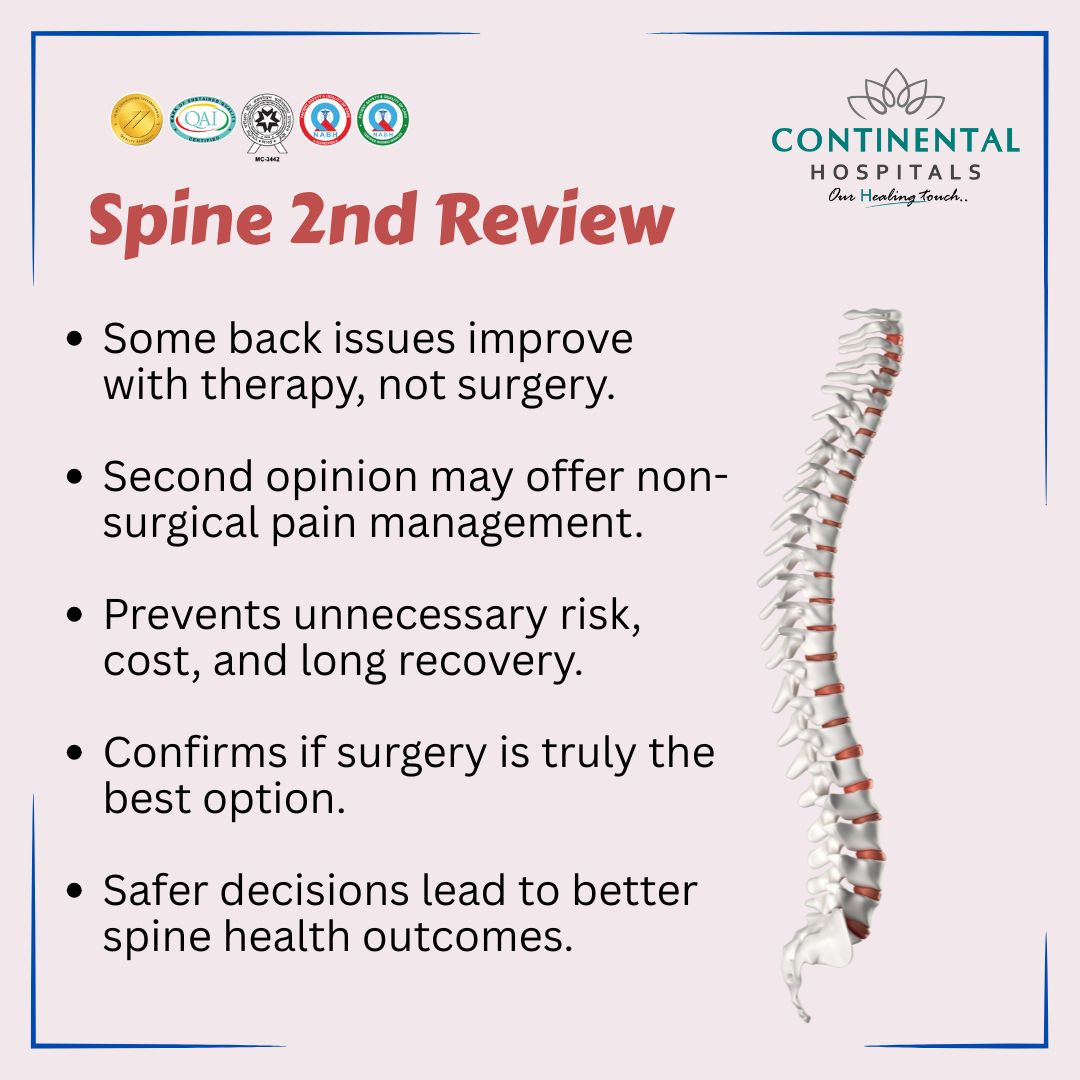
Second Opinion

Physical Therapy: Exercises to strengthen muscles supporting your spine and improve flexibility.

Pain Management: Medications or injections that target inflammation and nerve pain.

Lifestyle Changes: Weight management, ergonomic adjustments, and posture correction.

Alternative Therapies: Acupuncture, chiropractic care, or massage therapy may provide symptom relief.

These options not only avoid the risks of surgery but can also build long-term spine health.

What are the risks of unnecessary spine surgery?

Spine surgery carries risks that you should understand before going under the knife. These include:

  • Infection
  • Nerve damage
  • Blood clots
  • Failed back surgery syndrome (continued pain after surgery)
  • Long recovery periods

Avoiding unnecessary surgery means you don’t expose yourself to these risks without clear benefits.

Need an Appointment?

Why do some patients end up with unnecessary spine surgery?

There are many reasons people undergo surgery when it’s not necessary. Sometimes it’s due to a misdiagnosis or a difference in clinical opinion. Other times, patients may feel pressured to make quick decisions out of pain or fear. And in some cases, lack of access to a spine specialist means patients get referred directly for surgery without full evaluation.

This is where a second opinion can protect your health. It gives you time to weigh options and make a fully informed choice.

How can a second opinion help avoid unnecessary spine surgery?

At Continental Hospitals, we believe your health decisions should be clear and carefully considered. Our team of spine specialists uses advanced diagnostic tools and the latest treatment protocols to provide comprehensive evaluations. Here’s why you should choose Continental for your spine care:

Expert Multidisciplinary Team: Our spine specialists, neurologists, pain management doctors, and physiotherapists work together to create personalized treatment plans.

Advanced Imaging and Diagnostics: We use cutting-edge MRI and CT scans to get detailed views of your spine.

Focus on Non-Surgical Care First: Our specialists prioritize non-invasive options whenever possible.

Transparent Communication: We ensure you understand your condition, treatment options, and expected outcomes before any decision.

Second Opinion Services: If you have been advised surgery elsewhere, you can get a thorough second review here to confirm or explore alternatives.

Should I Get a Second Opinion Before Spine Surgery?

When you come to Continental Hospitals for a second opinion, expect a thorough process. Our doctors will:

  • Review your medical history and prior tests
  • Perform a detailed clinical examination
  • Recommend any additional tests if needed
  • Explain all treatment options including non-surgical therapies
  • Help you weigh risks and benefits of surgery versus other treatments

We encourage you to ask questions and discuss your concerns openly.

When Is Spine Surgery the Right Choice?

There are cases when surgery is necessary. If your spine condition causes severe nerve damage, progressive weakness, loss of bladder or bowel control, or debilitating pain unresponsive to other treatments, surgery might be the best option. But even then, it should be planned carefully and done by an experienced surgical team.

What This Means for You

If you are struggling with back or neck pain and have been told you need surgery, here’s the thing: don’t rush. Take the time to get a second opinion. It could save you from unnecessary surgery and open doors to safer, effective treatments. Your spine supports your entire body. Treat it with the care it deserves.

Conclusion

Deciding on spine surgery is a major step. It’s essential to have confidence in your diagnosis and the recommended treatment. A second opinion offers peace of mind and may reveal less invasive paths to relief.

Continental Hospitals is here to help you make that informed decision. With our Best Orthopedic Specialists in Hyderabad, modern diagnostics, and a patient-first approach, we ensure you get the right treatment tailored to your needs.

Related Blogs:

  1. Best Spine Surgery Techniques Used in Hyderabad
  2. Preventing Back Pain: Tips for a Healthy Spine

Frequently Asked Questions

Getting a second opinion before spine surgery helps confirm whether surgery is truly the best treatment for your condition. Spine pain can result from many causes, and not every patient requires an operation. Another spine specialist reviews your medical history, symptoms, physical examination, imaging scans, and previous treatments to provide an independent assessment. In many cases, conservative treatments such as physiotherapy, medications, lifestyle changes, pain management procedures, or guided injections may be recommended first. A second opinion can also identify alternative surgical techniques that are less invasive if surgery is necessary. It helps patients understand the benefits, risks, expected recovery, and long-term outcomes before making a decision. Seeking another expert opinion gives you confidence that your treatment plan is appropriate and based on the latest medical evidence.
Yes. A second opinion can help determine whether spine surgery is necessary or whether non-surgical treatment options may provide relief. Some spinal conditions improve with structured rehabilitation, medication, weight management, posture correction, or minimally invasive pain management procedures. An experienced spine specialist carefully evaluates MRI scans, CT scans, X-rays, neurological findings, and your symptoms before recommending surgery. In some situations, imaging findings may appear significant but are not the true cause of pain. A second review ensures that surgery is recommended only when the expected benefits outweigh the risks. It also reduces the chances of undergoing procedures that may not improve symptoms. This process allows patients to make informed decisions with greater confidence.
You should consider getting a second opinion whenever spine surgery has been recommended, especially if the diagnosis is unclear or if you have concerns about the proposed treatment. It is also helpful if your symptoms do not match your imaging results, if you have been advised to undergo major spinal fusion, or if multiple treatment options have been suggested. Patients with persistent back pain, neck pain, sciatica, spinal stenosis, disc herniation, or spinal deformities often benefit from another expert evaluation. A second opinion is equally valuable if previous treatments have failed or if you are uncertain about recovery expectations. Consulting another qualified spine specialist ensures that every possible treatment option has been considered before proceeding with surgery.
Bring all available medical records related to your spine condition. This includes MRI scans, CT scans, X-rays, blood test results, previous consultation notes, operative reports if you have already undergone surgery, and details of medications you are taking. If you have completed physiotherapy, pain management treatments, or injections, include those records as well. Prepare a list of your symptoms, including when they started, how severe they are, and activities that worsen or relieve them. Sharing your complete medical history, existing health conditions, and previous treatments allows the spine specialist to make a thorough and accurate assessment. Having complete information improves the quality of the second opinion and helps determine the most suitable treatment plan.
In most situations, obtaining a second opinion does not significantly delay treatment. Instead, it helps ensure that the diagnosis is correct and that the recommended treatment is appropriate. Most spine conditions are not surgical emergencies and allow enough time for another specialist to review your case. During the consultation, your imaging, symptoms, neurological status, and previous treatments are evaluated carefully. If urgent surgery is necessary because of severe nerve compression, spinal instability, infection, or loss of bowel or bladder control, the specialist will recommend immediate treatment. For non-emergency conditions, taking the time to obtain a second opinion often leads to greater confidence and better treatment decisions without affecting long-term outcomes.
No. Seeking a second opinion does not mean your first doctor made an incorrect diagnosis or recommendation. Medicine often involves multiple acceptable treatment approaches depending on the patient's condition, symptoms, lifestyle, and overall health. Another spine specialist may confirm the original recommendation or suggest different treatment options based on their expertise and experience. The goal is to ensure that you fully understand your diagnosis and all available treatment choices. Most healthcare professionals support patients who seek additional opinions because it promotes informed decision-making. A second opinion provides reassurance and helps patients choose the treatment plan that best meets their individual needs.
Depending on the underlying condition, several non-surgical treatments may help relieve spine pain and improve function. These include physiotherapy, structured exercise programs, posture correction, weight management, anti-inflammatory medications, muscle relaxants, epidural steroid injections, nerve blocks, radiofrequency ablation, and lifestyle modifications. Some patients also benefit from rehabilitation programs designed to strengthen spinal muscles and improve flexibility. The most appropriate treatment depends on the cause of your symptoms, severity of nerve compression, and overall health. A spine specialist develops an individualized treatment plan based on a detailed clinical evaluation. Surgery is usually considered only when conservative treatments fail or when there is significant nerve damage or spinal instability.
Choose a spine specialist with extensive experience in diagnosing and treating a wide range of spinal disorders. Look for expertise in both surgical and non-surgical spine care so that all treatment options can be discussed objectively. A qualified specialist should carefully review your symptoms, physical examination findings, imaging studies, and previous treatments before making recommendations. It is also important to choose a hospital equipped with advanced imaging, rehabilitation services, pain management specialists, and multidisciplinary spine care. Reading patient reviews, checking credentials, and understanding the doctor's experience with your specific condition can also help. A comprehensive evaluation ensures you receive an evidence-based recommendation tailored to your health needs.
Disclaimer: The information provided in this blog is intended for general knowledge and informational purposes only, and does not constitute medical advice. Always consult with a qualified healthcare professional for any medical concerns or before making any decisions about your health.

Get in Touch With Us

Whether you are from India or abroad, we are here to help you with your medical queries. Please fill out the form below and our team will connect with you shortly.

  • ✔ Quick response from our medical experts
  • ✔ Secure data handling & privacy
  • ✔ Easy upload for reports & documents
banner_image

Chat with our medical experts on WhatsApp for quick assistance and hassle-free appointment booking

Recent Posts