.webp)

Chronic inflammation can be defined as an affliction caused by the body's immune system being consistently active, even in the absence of any threat that needs handling. Inflammation is a beneficial process that helps the body recover from damage. When inflammation lasts for an extended period of time, however, it becomes harmful and eventually results in harm to healthy body organs such as the heart.
Now what is the connection between chronic inflammation and heart health? A prolonged period of inflammation may lead to changes in the body's blood vessels, the development of deposits under the blood vessel walls, and a bigger chance of heart disease development. While seeing inflammation every time does not necessarily mean that it will lead to heart diseases, knowing this risk is definitely important when thinking about making health decisions.
In what way does chronic inflammation raise the threat of heart disease?
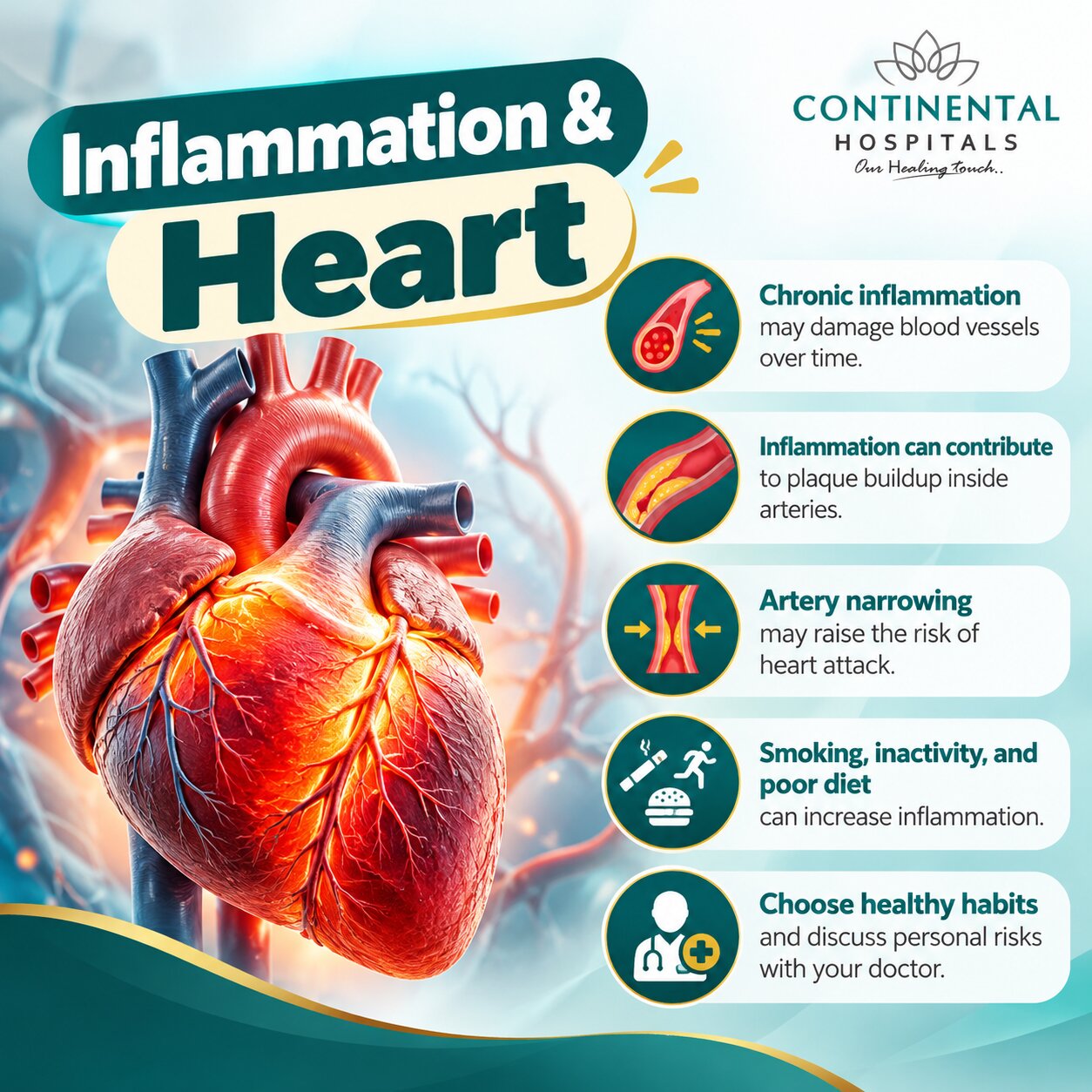
Chronic inflammation and heart disease are directly connected, as inflammation affects the blood vessels lining. In the long run, this leads to the accumulation of fats inside the blood arteries, which in turn restricts blood flow.
Once the fatty deposits get disrupted, they may prompt blood clotting. If the clot blocks the blood from flowing to the heart, it results in a heart attack. If the blood flow to the brain gets interfered with, a stroke occurs.
Factors of chronic inflammation and cardiovascular disease include:
- Diabetes: High levels of sugar can harm blood vessels and cause inflammation.
- High blood pressure: Long-term pressure causes harm to artery walls.
- Overweight: Particularly, abdominal weight contributes to the emergence of substances boosting inflammation.
- Smoking: Chemicals harmful for blood vessels.
- Unhealthy diet: Eating junk food contributes to the possibility of different cardiovascular problems.
- Physical inactivity: Lack of exercise increases the risk of being overweight, diabetes, and cardiovascular diseases.
Visit the Best Heart Specialist Hospital in Hyderabad at Continental Hospitals, Hyderabad, for expert cardiac care and advanced diagnostic services.
How Can You Tell if Chronic Inflammation Is Present?
Can symptoms of chronic inflammation be diagnosed only by looking at the symptoms? Not always. Chronic inflammation occurs almost without any warning signs, and some patients feel sick without the understanding of why.
Some of the signs indicating the presence of chronic inflammation are the following:
- Always being tired or lacking energy.
- Persistent joint pain or stiffness.
- Regular swelling or discomfort.
- Unexpected changes in weight.
- Symptoms related to an underlying inflammatory condition.
These signs are not exclusively related to inflammation and can be explained by various reasons. In most cases, chronic inflammation does not have specific symptoms that might point to heart disease.

You should call for assistance if you are experiencing chest pain, sudden shortness of breath, loss of consciousness, or pain spreading over your arm, jaw, or back.
What Should Be Done To Treat and Prevent Chronic Inflammation?
Can adopting better habits in everyday life help with both chronic inflammation and heart issues? Yes, certain healthful behaviors will improve various causes of heart diseases and reduce the risk of inflammation, although they cannot remove them completely.
These tips may be of use:
1. Follow the principles of a balanced diet: Eat more fruits and vegetables as well as whole grains, beans, nuts, and fats.
2. Exercise regularly: It is recommended to dedicate at least 150 minutes each week to moderate exercises, respecting individual health state.
3. Keep a normal weight: Less fat may help lower blood sugar level.
4. Stop smoking: Quitting tobacco will keep blood vessels safe and reduce the chances of heart diseases.
5. Get enough sleep: Enough sleep helps with metabolic processes.
6. Control existing health conditions: Follow your doctor’s recommendations.
7. Regulate stress levels: Utilize stress-relieving techniques or do physical exercises.
Make sure you do not take anti-inflammatory medicines or supplements without consulting your health care provider.
How to Test Your Heart Health?
How does a physician determine the possibility of heart inflammation and whether there is a cardiovascular ailment? There’s no single test that answers this question, and the physician may look at your overall health profile, lifestyle, symptoms, and family history.
Among the tests that may be conducted are the following:
- Blood testing for triglycerides and cholesterol.
- Blood pressure assessment.
- Blood glucose or HbA1c testing.
- CRP testing if necessary.
CRP is an indicator of inflammation, though its increased values don’t necessarily indicate the presence of CHD. CRP can be elevated due to infectious processes or other inflammatory disorders. The results need to be interpreted with respect to other findings.
What Makes Continental Hospitals The Best Choice for Heart Treatment?
Why is it so crucial to get prompt heart evaluation if you present risk factors for heart disease? An early diagnosis can help recognize potential cardiovascular risks and facilitate the provision of prevention and treatment for the condition.
Continental Hospitals in Hyderabad has advanced comprehensive cardiac care supplies of skillful specialists, cutting-edge diagnostic equipment, and interdisciplinary medical expertise. The hospital has a number of quality accreditations granted on a national and international level, among which the most important are the National Accreditation Board for Hospitals and Healthcare Providers (NABH) and the Joint Commission International (JCI).
This makes Continental Hospitals one of the top hospitals in Hyderabad, whose principles of operation include patient-oriented care, risk assessment, diagnosis, and individualized treatment.
Conclusion
Chronic inflammation can contribute to damage in blood vessels and increase cardiovascular risk, particularly when combined with diabetes, high blood pressure, smoking, or unhealthy lifestyle habits. Although inflammation is not the only cause of heart disease, recognizing and managing related risk factors can help protect your heart.
If you suffer from persistent symptoms or have risk factors such as high cholesterol, diabetes, or high blood pressure, consult our best cardiologist in Hyderabad at Continental Hospitals, Hyderabad, for appropriate evaluation and guidance. Early assessment, healthy lifestyle choices, and personalized medical care can help you take important steps toward better heart health.
Related Blogs: