post-title

Can Idlis and Dosas Improve Your Gut Health?

Written by - Editorial Team
Medically Reviewed by - Dr Guru N Reddy

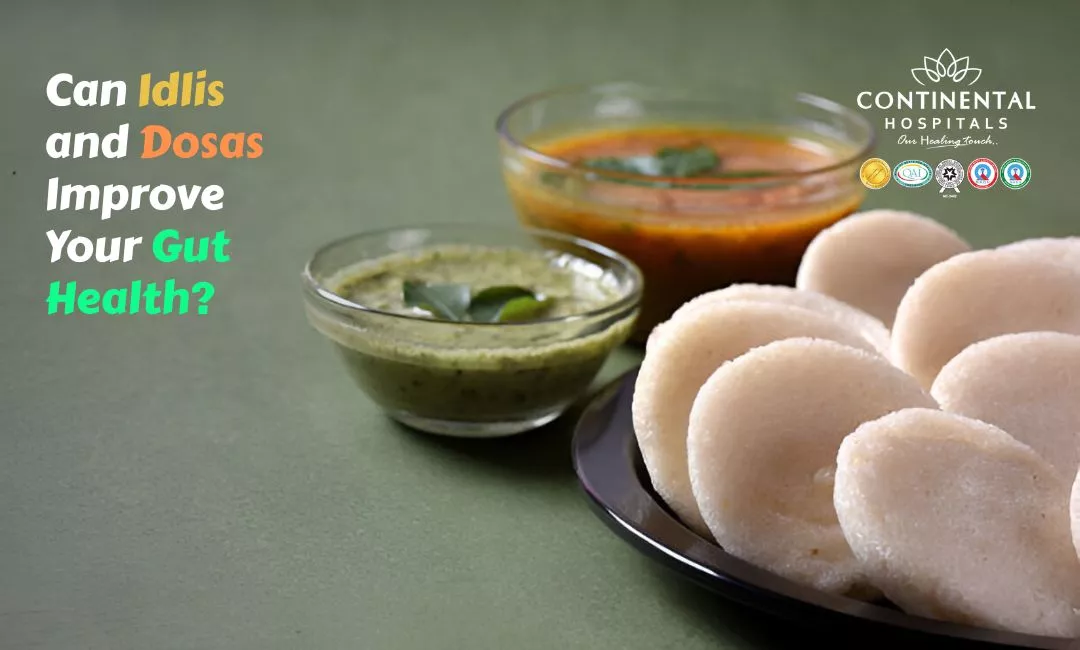
Idlis and dosas are more than just comfort food for many Indian families. These soft, fluffy steamed rice cakes and thin, crispy crepes are loved for their taste and versatility. But what many people do not realize is that they can also be good for your gut health. Packed with nutrients and made through a natural fermentation process, idlis and dosas offer benefits that go beyond satisfying your taste buds.

What is gut health and why is it important?

Your gut is home to trillions of microorganisms, often referred to as gut flora or gut microbiota. These microorganisms help digest food, absorb nutrients, produce certain vitamins, and support your immune system. A healthy gut means your digestion is smooth, nutrient absorption is efficient, and your overall health is better protected.

When your gut microbiome is out of balance, you may experience problems like bloating, constipation, diarrhea, indigestion, and even increased risk of chronic diseases. The key to a healthy gut lies in eating the right kinds of foods, and fermented foods like idlis and dosas can be an excellent addition to your diet.

Take the first step toward better digestive health by visiting the gastroenterology specialist doctors at Continental Hospitals.

How does fermentation benefit digestion?

The main secret behind the health benefits of idlis and dosas is fermentation. When rice and urad dal (black gram) are soaked, ground, and left to ferment, natural bacteria and yeast break down the carbohydrates and proteins. This process not only improves the flavor but also enhances the nutritional profile.

Fermentation produces beneficial probiotics that help maintain a healthy balance of gut bacteria. These probiotics can make digestion smoother, improve nutrient absorption, and support the body’s immune defenses. For those with mild digestive discomfort, adding naturally fermented foods to their meals can bring noticeable relief.

What nutrients in idlis and dosas support gut health?

While probiotics are a big advantage, idlis and dosas also offer essential nutrients that contribute to overall digestive wellness.

  • Fiber from urad dal and any added lentils or grains helps keep bowel movements regular.
  • B vitamins formed during fermentation support energy production and nerve function, which indirectly benefits digestion.
  • Easily digestible proteins from urad dal provide building blocks for tissue repair and enzyme production.
  • Low oil content in steamed idlis makes them gentle on the stomach, especially for people recovering from illness.

The steaming and minimal-oil cooking methods make these foods light, reducing the risk of heaviness or indigestion after meals.

Are idlis or dosas better for gut health?

Both idlis and dosas are made from the same fermented batter, but their preparation and texture differ slightly.

Second Opinion

  • Idlis are steamed, making them softer and lighter. They are especially suitable for people with sensitive stomachs or those recovering from digestive illnesses.
  • Dosas are cooked on a griddle with minimal oil, giving them a crisp texture. They are still easy to digest but may feel slightly heavier than idlis for some people.

Both options provide similar probiotic benefits as long as the batter is fermented properly.

How to maximise the gut health benefits of idlis and dosas?

Simply eating idlis or dosas once in a while will not transform your digestion. Here are tips to get the best results:

Use traditional fermentation
Avoid instant mixes as they skip the natural fermentation step, which means you miss out on probiotics.

Pair with gut-friendly sides
Serve idlis or dosas with sambar, chutneys made from coconut, coriander, or mint, and fermented accompaniments like curd.

Eat them fresh
Probiotics are most effective when the food is fresh. Avoid storing batter for too many days without proper refrigeration.

Balance your meals
While idlis and dosas are healthy, make sure you include vegetables, fruits, whole grains, and other protein sources throughout the day.

Are Idlis and Dosas Suitable for Everyone?

In most cases, yes. Their soft texture and mild taste make them suitable for all age groups, from children to the elderly. However, people with certain health conditions like severe gluten sensitivity (if using wheat variants) or specific food allergies should choose ingredients accordingly. Those with diabetes should pair idlis or dosas with high-fiber sides and protein-rich foods to slow down blood sugar spikes.

Need an Appointment?

How can traditional recipes be made healthier with a modern twist?

If you want to increase the gut health benefits further, you can modify the traditional recipe:

  • Add millets like ragi or foxtail millet to the batter for extra fiber and minerals.
  • Mix in vegetables like grated carrots, beets, or spinach into the batter to add more antioxidants and prebiotics.
  • Use sprouted grains for added nutritional value and better digestibility.

These variations can boost both the taste and health profile of your meal without losing the traditional charm.

Why Choose Continental Hospitals for Digestive Health?

If you are looking to take better care of your gut, it is not just about diet but also about getting expert medical advice when needed. At Continental Hospitals, we combine advanced diagnostics with personalised treatment plans to address digestive issues effectively. Our team includes experienced gastroenterologists, dietitians, and other specialists who understand how nutrition, lifestyle, and medical care work together to improve gut health.

We believe in preventive care as much as in treatment, guiding patients on how to make simple dietary changes like incorporating probiotic-rich foods such as idlis and dosas for better digestion. With state-of-the-art facilities and a patient-focused approach, Continental Hospitals ensures you receive care that is both effective and compassionate.

When should I see a doctor for gut health problems?

While foods like idlis and dosas can support digestive wellness, they cannot replace professional care for serious conditions. Seek medical help if you experience:

  • Frequent bloating, gas, or stomach discomfort
  • Unexplained weight loss
  • Changes in bowel habits that last more than a few days
  • Blood in stools or severe abdominal pain

Continental Hospitals offers specialised care for all types of digestive disorders, from common issues like acidity to complex conditions requiring advanced treatment.

Conclusion

Idlis and dosas are not just delicious traditional foods; they are also natural allies for your gut. Thanks to their fermentation process, they provide probiotics, improve digestion, and supply essential nutrients. When prepared the traditional way and paired with other healthy foods, they can be an excellent addition to your diet for better digestive health.

If you suffer from ongoing digestive problems or want expert advice on improving your gut health, visit the best gastroenterologist in hyderabad at Continental Hospitals. Our team can help you find the right balance of diet and treatment for lasting wellness.

Related Blogs:

  1. Pickles for Gut Health: Do They Really Help Digestion?
  2. How gut health affects women’s hormones

Frequently Asked Questions

Yes, idlis and dosas can support gut health because they are made from naturally fermented rice and urad dal batter. During fermentation, beneficial bacteria help break down complex nutrients, making the food easier to digest. Fermentation also increases the availability of certain vitamins and minerals. Idlis are steamed, making them light on the stomach and suitable for people with sensitive digestion. Dosas are also easy to digest when prepared with minimal oil. These traditional foods may help maintain a balanced gut microbiome when included as part of a healthy diet. However, they should be paired with fiber-rich vegetables, lentils, and probiotic foods for maximum digestive benefits. Individual responses can vary depending on underlying digestive conditions. Eating freshly prepared idlis and dosas is generally preferable to highly processed alternatives. Maintaining overall dietary balance is equally important for long-term gut health.
Fermentation is a natural process in which beneficial microorganisms break down carbohydrates and proteins in the batter before cooking. This makes nutrients easier for the body to absorb and reduces the digestive effort required after eating. Fermentation can also reduce certain compounds that may interfere with mineral absorption. The process may improve the digestibility of proteins present in urad dal. Some beneficial bacteria remain active during fermentation, although cooking reduces their numbers. The nutritional changes produced during fermentation still contribute to digestive health. Fermented foods are often associated with improved gut microbial diversity when consumed as part of a varied diet. Proper fermentation also enhances flavor and texture naturally. Using fresh, hygienically prepared batter ensures the best nutritional quality. A balanced diet remains essential for optimal digestive wellness.
Both idli and dosa offer digestive benefits because they are prepared from fermented batter. However, idli is often considered slightly more gut-friendly because it is steamed instead of pan-cooked. Steaming requires no or very little oil, making idlis lighter and easier to digest. Dosas can also be healthy when prepared with minimal oil and served with nutritious accompaniments. The choice depends on individual health goals and digestive tolerance. People recovering from illness or experiencing digestive discomfort may find idlis gentler on the stomach. Those seeking a balanced meal can pair either option with sambar, vegetable chutneys, and protein-rich side dishes. Portion control is equally important. Homemade preparations generally offer better nutritional value than highly processed or restaurant versions. Both foods can be part of a healthy gut-friendly diet.
Many people with mild digestive issues tolerate idlis and dosas well because they are soft, fermented, and relatively easy to digest. Idlis are especially suitable due to their steamed preparation. However, individuals with conditions such as irritable bowel syndrome, celiac disease, severe acid reflux, or food intolerances should consult their doctor or dietitian before making dietary changes. Spicy chutneys or oily accompaniments may worsen symptoms in some individuals. Freshly prepared foods are generally better tolerated than stale or heavily processed versions. Portion size also influences digestive comfort. Pairing these foods with vegetables and adequate hydration supports overall digestion. Monitoring personal tolerance is important because digestive responses differ from person to person. Professional nutritional guidance is recommended for chronic digestive disorders.
The fermentation process encourages the growth of beneficial microorganisms in idli and dosa batter before cooking. However, steaming or cooking at high temperatures significantly reduces the number of live probiotic bacteria present in the final food. Even though live probiotics may not survive, the fermentation process creates beneficial nutritional changes that can still support digestive health. Fermentation improves nutrient availability and enhances digestibility. These foods can complement other probiotic-rich foods such as yogurt, buttermilk, kefir, or fermented vegetables. Including a variety of fermented foods provides broader digestive benefits. Homemade batter prepared under hygienic conditions often undergoes more natural fermentation. Overall dietary quality plays a larger role in maintaining a healthy gut microbiome than any single food alone.
To maximize gut health benefits, serve idlis or dosas with fiber-rich sambar containing a variety of vegetables. Choose coconut, tomato, mint, or coriander chutneys prepared with minimal oil. Add protein-rich accompaniments such as sprouts or lentils to create a balanced meal. Avoid excessive butter, ghee, cheese, or processed fillings if digestive comfort is the goal. Use freshly fermented batter instead of packaged products whenever possible. Eat moderate portions rather than overeating. Include fruits, vegetables, whole grains, and adequate fluids throughout the day to support healthy digestion. Combining these foods with an active lifestyle further promotes gut health. Consistency in healthy eating habits is more beneficial than relying on a single food for digestive wellness.
Eating idlis or dosas regularly can be part of a gut-friendly diet, but they should not be the only foods consumed. A healthy gut requires dietary diversity that includes fruits, vegetables, legumes, whole grains, nuts, seeds, and other fermented foods. Daily consumption of freshly prepared idlis or dosas can provide easily digestible carbohydrates and plant-based protein. Their fermented nature may support better digestion compared to some refined processed foods. However, nutritional balance remains essential. Rotating different healthy breakfast options helps provide a wider range of nutrients. People with diabetes or other medical conditions should also consider portion size and overall carbohydrate intake. Consulting a healthcare professional can help personalize dietary recommendations.
While dietary improvements can support digestive health, persistent digestive symptoms should never be ignored. Consult a gastroenterologist if you experience ongoing abdominal pain, bloating, chronic constipation, diarrhea, unexplained weight loss, blood in the stool, frequent vomiting, or difficulty swallowing. Symptoms lasting more than a few weeks may indicate an underlying digestive disorder that requires medical evaluation. Early diagnosis allows timely treatment and helps prevent complications. Your doctor may recommend dietary changes, laboratory tests, imaging studies, or endoscopic procedures depending on your symptoms. Self-treatment without identifying the underlying cause may delay appropriate care. A personalized treatment plan can significantly improve digestive health and overall quality of life. Regular follow-up is important for individuals with chronic gastrointestinal conditions.
Disclaimer: The information provided in this blog is intended for general knowledge and informational purposes only, and does not constitute medical advice. Always consult with a qualified healthcare professional for any medical concerns or before making any decisions about your health.

Get in Touch With Us

Whether you are from India or abroad, we are here to help you with your medical queries. Please fill out the form below and our team will connect with you shortly.

  • ✔ Quick response from our medical experts
  • ✔ Secure data handling & privacy
  • ✔ Easy upload for reports & documents
banner_image

Chat with our medical experts on WhatsApp for quick assistance and hassle-free appointment booking

Recent Posts