• Share this:
post-title

Cancer Control Month

Written by - Editorial Team
Medically Reviewed by - Dr P Jagannath

Cancer affects millions of people worldwide, but the good news is that many cancers are preventable, and early detection can significantly improve the chances of successful treatment. April is Cancer Control Month, a time to raise awareness about cancer prevention, early detection, and the importance of healthy living. In this blog, we will explore what Cancer Control Month is all about and how you can take action to reduce your risk and stay on top of your health.

What is Cancer Control Month?

Cancer Control Month is an annual event dedicated to educating people about the importance of controlling cancer through healthy lifestyle choices, regular screenings, and awareness. The goal is to reduce the impact of cancer by encouraging individuals to adopt behaviours that can prevent the disease and seek early diagnosis if necessary.

The main message of this month is simple: prevention and early detection can save lives. Cancer does not have to be a death sentence, and with the right knowledge and actions, you can take control of your health and reduce your risk of cancer.
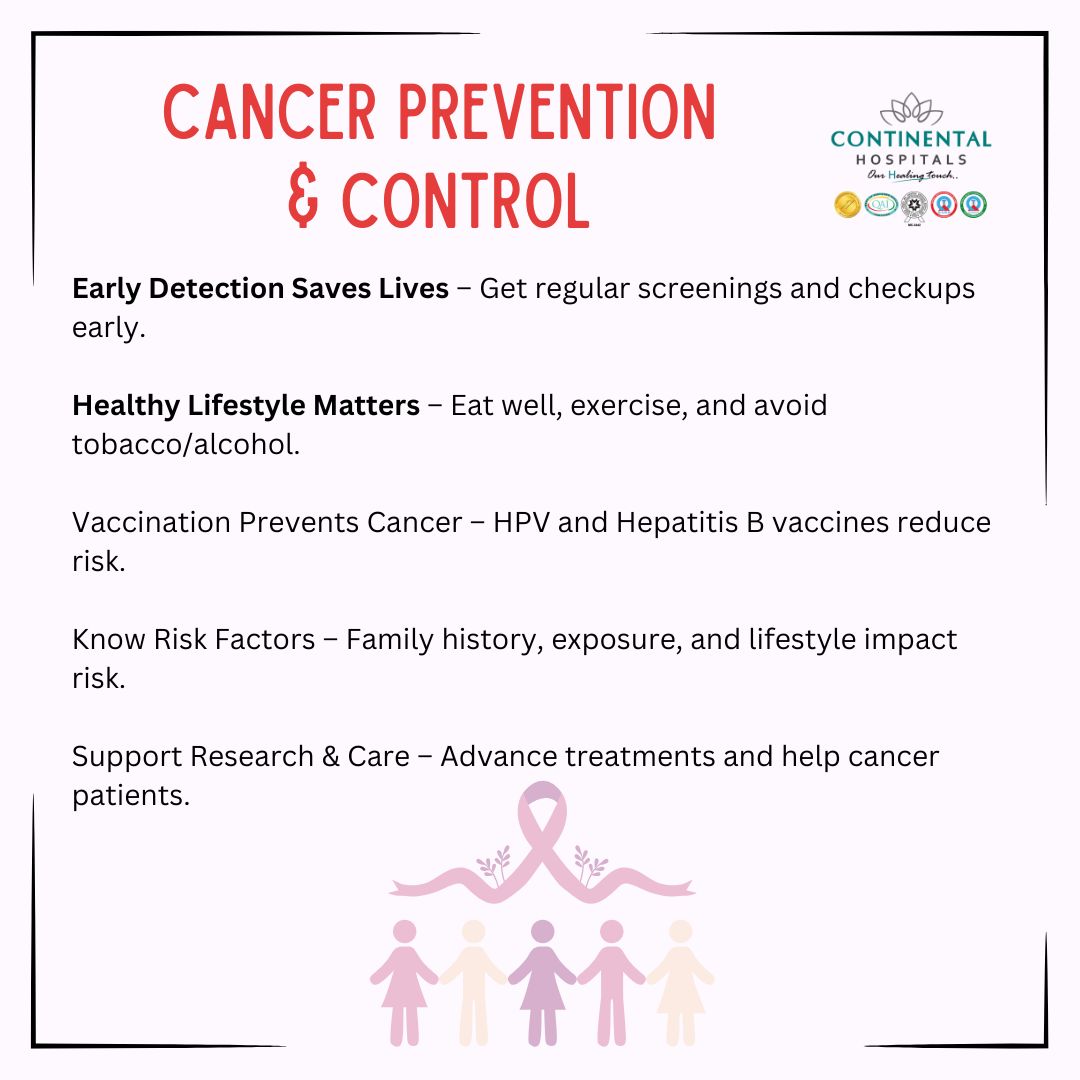
Why Is Cancer Prevention Important?

Preventing cancer starts with understanding the key risk factors that contribute to the development of the disease. While some risk factors are genetic and out of our control, others are related to lifestyle choices that we can influence. Here are some ways you can reduce your cancer risk:

Avoid Smoking and Tobacco
Smoking is one of the leading causes of cancer, especially lung cancer. If you smoke, quitting can significantly lower your risk of not only lung cancer but also cancers of the mouth, throat, bladder, and many other organs. If you don’t smoke, don’t start. Avoiding exposure to secondhand smoke is also essential in preventing cancer.

Maintain a Healthy Diet
A balanced diet rich in fruits, vegetables, whole grains, and lean proteins can help protect you from cancer. Foods high in fiber and antioxidants can boost your immune system and fight cancer-causing free radicals. Limit your intake of processed foods, red meats, and alcohol, all of which have been linked to various types of cancer.

Exercise Regularly
Regular physical activity is essential for overall health, and it also plays a role in cancer prevention. Exercise helps maintain a healthy weight, regulate hormones, and reduce inflammation, all of which contribute to a lower risk of cancer. Aim for at least 30 minutes of moderate exercise most days of the week.

Protect Your Skin
Skin cancer is one of the most common types of cancer, and it can often be prevented by protecting yourself from harmful UV rays. Wear sunscreen with SPF 30 or higher, seek shade when the sun is at its strongest, and avoid tanning beds. Regularly check your skin for any changes or unusual moles and consult a doctor if you notice anything suspicious.

Second Opinion

Limit Alcohol Consumption
Drinking alcohol increases the risk of various cancers, including those of the liver, mouth, throat, and breast. Limiting your alcohol intake to moderate levels can help lower your cancer risk. The American Cancer Society recommends no more than one drink per day for women and two for men.

Get Vaccinated
Certain viruses, like the human papillomavirus (HPV) and hepatitis B, can increase the risk of developing cancer. Getting vaccinated against these viruses can significantly reduce your risk of cancers related to them, such as cervical cancer and liver cancer.

For cancer prevention, early detection, and personalized treatment, visit our Best Cancer Specialist in Hyderabad at Continental Cancer Centre. Our experienced oncologists are here to guide you with expert care at every stage.

Why Is Early Detection Important in Cancer?

While prevention is crucial, early detection plays a vital role in fighting cancer. The earlier cancer is detected, the easier it is to treat, and the better the chances of survival. Many cancers are treatable, especially if caught in the early stages. Here are some common screenings that can help detect cancer early:

Breast Cancer
Mammograms are the gold standard for breast cancer screening. Women aged 40 and older should have a mammogram every year to detect early signs of breast cancer. If you have a family history of breast cancer or other risk factors, talk to your doctor about starting screenings earlier.

Cervical Cancer
Pap smears and HPV tests are used to detect cervical cancer early. Women should begin screening at age 21 and continue through their 60s, depending on their health and risk factors. Regular screenings can help catch abnormal cell changes before they develop into cancer.

Colorectal Cancer
Colon cancer is one of the most common cancers, but it is also one of the most preventable through early screening. People at average risk should begin colorectal cancer screenings at age 45. Your doctor may recommend a colonoscopy or stool tests to detect any abnormalities.

Need an Appointment?

Lung Cancer
Lung cancer can be challenging to detect in the early stages because it may not cause symptoms until it has spread. However, people at high risk, such as long-term smokers, may benefit from a low-dose CT scan to detect lung cancer early.

Prostate Cancer
Prostate cancer screenings involve a blood test for prostate-specific antigen (PSA) and a physical examination. Men should discuss the pros and cons of prostate cancer screening with their doctor, especially if they are at higher risk.

What Does It Take to Create a Cancer-Free Future?

Cancer Control Month serves as a reminder that we all have a role to play in reducing the impact of cancer. By making small changes in our lifestyle and staying proactive about screenings, we can take control of our health and prevent cancer before it starts. Together, we can create a cancer-free future for ourselves, our families, and our communities.

When Should I Consult a Doctor About My Cancer Risk?

If you're concerned about your risk of cancer or need guidance on prevention strategies, it's essential to speak with a healthcare provider. They can help assess your individual risk, recommend screenings, and provide advice on leading a cancer-free lifestyle. If you are experiencing any symptoms or have a family history of cancer, don’t wait—schedule an appointment today with one of the expert doctors at Continental Hospitals.

Conclusion

Cancer is a devastating disease, but with the right tools and knowledge, we can prevent and detect it early. Cancer Control Month is an opportunity to reflect on the power of prevention and early detection. By making informed lifestyle choices and staying vigilant with regular screenings, we can significantly reduce the impact of cancer on our lives. Take control of your health, and commit to live cancer-free.

For cancer prevention and early detection, consult our experts at Continental Cancer Centre, the Best Oncology Doctors in Hyderabad


Frequently Asked Questions

Cancer Control Month is observed to raise awareness about cancer prevention, early detection, timely treatment, and survivorship. It encourages people to understand their risk factors and adopt healthier lifestyles to reduce their chances of developing cancer. The campaign also highlights the importance of regular health screenings because many cancers can be treated successfully when detected early. It promotes awareness about common warning signs that should not be ignored. Cancer Control Month reminds people that tobacco cessation, healthy eating, regular exercise, maintaining a healthy weight, and limiting alcohol can lower cancer risk. It also supports patients, survivors, caregivers, and healthcare professionals by promoting education and access to quality cancer care. The overall goal is to reduce the burden of cancer and improve outcomes through awareness, prevention, and early intervention.
Although not every cancer can be prevented, many cases are linked to lifestyle and environmental factors that can be modified. Avoiding tobacco products is one of the most effective ways to reduce cancer risk. Eating a balanced diet rich in fruits, vegetables, whole grains, and lean proteins also supports overall health. Regular physical activity and maintaining a healthy body weight contribute to cancer prevention. Limiting alcohol consumption further lowers the risk of several cancers. Protecting your skin from excessive sun exposure helps prevent skin cancer. Vaccinations against HPV and Hepatitis B can reduce the risk of certain cancers. Regular medical checkups and recommended screenings allow doctors to identify problems early, improving treatment success and long term health.
Cancer symptoms vary depending on the type and location of the disease, but some warning signs should never be ignored. Unexplained weight loss, persistent fatigue, and ongoing pain may require medical evaluation. A lump or swelling anywhere in the body should be checked by a healthcare professional. Changes in bowel or bladder habits, difficulty swallowing, or a persistent cough lasting several weeks also deserve attention. Unusual bleeding, non healing sores, or changes in moles or skin lesions should be examined promptly. Frequent infections or unexplained fever may also indicate an underlying condition. While these symptoms do not always mean cancer, seeking medical advice early helps ensure accurate diagnosis and timely treatment if necessary.
Early detection significantly improves the chances of successful cancer treatment. Many cancers develop slowly and may not cause noticeable symptoms during their early stages. Screening tests and regular health checkups can identify cancer before it spreads to other parts of the body. Early stage cancers often require less aggressive treatment and have better survival rates. Timely diagnosis can also reduce treatment complications and improve quality of life. Individuals with a family history of cancer or other risk factors should discuss appropriate screening schedules with their doctor. Recognizing symptoms early and seeking medical attention without delay can make a substantial difference in treatment outcomes and long term recovery.
Cancer screening recommendations depend on factors such as age, gender, family history, lifestyle, and personal medical history. Adults should follow screening guidelines recommended by their healthcare provider for cancers such as breast, cervical, colorectal, prostate, and lung cancer when appropriate. Individuals with inherited genetic conditions or a strong family history may need earlier or more frequent screening. Smokers and former smokers may qualify for lung cancer screening based on age and smoking history. Regular health evaluations help determine the most suitable screening schedule for each individual. Following recommended screening guidelines increases the likelihood of detecting cancer at an early and more treatable stage.
Having a family history of cancer does not necessarily mean you will develop the disease, but it may increase your risk for certain types of cancer. Inherited genetic mutations account for a relatively small percentage of all cancers. Lifestyle choices, environmental exposures, and overall health also influence cancer risk. If several close relatives have had cancer, especially at a young age, genetic counseling and testing may be recommended. Your healthcare provider can assess your personal risk and recommend appropriate screening and preventive measures. Staying informed, adopting healthy habits, and attending regular medical checkups can help detect potential problems early and improve health outcomes.
Healthy lifestyle habits play a major role in reducing cancer risk. Avoiding tobacco in all forms is the single most effective preventive measure. Eating a nutritious diet rich in fruits, vegetables, legumes, and whole grains supports overall health. Regular physical activity and maintaining a healthy weight help lower the risk of several cancers. Limiting processed foods, red meat, sugary beverages, and alcohol can also be beneficial. Protecting your skin from harmful ultraviolet rays by using sunscreen and wearing protective clothing reduces skin cancer risk. Staying up to date with recommended vaccinations and participating in regular health screenings further supports cancer prevention and early detection.
You should consult a doctor if you notice persistent symptoms that do not improve within a few weeks or if you experience unusual changes in your body. Symptoms such as unexplained weight loss, persistent pain, ongoing fatigue, unusual bleeding, difficulty swallowing, a lasting cough, or a new lump should be evaluated promptly. While these symptoms are often caused by conditions other than cancer, timely medical assessment is essential to identify the underlying cause. Early evaluation allows appropriate testing, diagnosis, and treatment if needed. Never ignore persistent or unexplained symptoms, especially if you have risk factors or a family history of cancer. Prompt consultation can provide reassurance or enable early treatment, leading to better outcomes.
Disclaimer: The information provided in this blog is intended for general knowledge and informational purposes only, and does not constitute medical advice. Always consult with a qualified healthcare professional for any medical concerns or before making any decisions about your health.

Get in Touch With Us

Whether you are from India or abroad, we are here to help you with your medical queries. Please fill out the form below and our team will connect with you shortly.

  • ✔ Quick response from our medical experts
  • ✔ Secure data handling & privacy
  • ✔ Easy upload for reports & documents
0 / 100
Checkboxes Section


Chat with our medical experts on WhatsApp for quick assistance and hassle-free appointment booking

Recent Posts
Language Based Image
0 / 100