post-title

Cervical Cancer in Young Women: Risks, Symptoms, and Prevention

Written by - Editorial Team
Medically Reviewed by - Dr Harish N L

Cervical cancer develops in the cervix, the lower part of the uterus that connects to the vagina. Most cases of cervical cancer are caused by the human papillomavirus (HPV), a common sexually transmitted infection. However, not all HPV infections lead to cervical cancer, as the body's immune system can often clear the virus without causing harm. Yet, in some cases, persistent HPV infections can lead to cellular changes that eventually progress to cancer.

Cervical Cancer in Young Women: What Are the Early Signs to Watch For?

Human papillomavirus (HPV) infection: This is the most important risk factor for cervical cancer, and it's important to remember that almost all cervical cancers are caused by HPV. HPV is a very common virus that is spread through sexual contact. There are over 100 different types of HPV, and some are more likely to cause cancer than others. While most HPV infections go away on their own, some can linger and lead to changes in the cells of the cervix, which can eventually turn into cancer.

Age at first sexual intercourse: Having sex at a young age (before age 18) increases your risk of cervical cancer. This is because the cervix is still developing at this age and may be more susceptible to HPV infection.

Smoking: Smoking weakens the immune system, making it harder for your body to fight off HPV infection. Smoking also increases the risk of developing precancerous cervical cells turning into cancer.

Other sexually transmitted infections (STIs): Having other STIs, such as chlamydia or gonorrhea, can increase your risk of cervical cancer. This is because STIs can irritate the cervix and make it more susceptible to HPV infection.

Weakened immune system: Conditions that weaken the immune system, such as HIV/AIDS, can increase your risk of cervical cancer. This is because a weakened immune system is less able to fight off HPV infection.

Diet: Some studies have suggested that a diet low in fruits, vegetables, and whole grains may increase your risk of cervical cancer. Conversely, a diet rich in these foods may help protect against cervical cancer.

It's important to note that having one or more of these risk factors does not mean you will develop cervical cancer. Many women with these risk factors never develop cancer. However, it's important to be aware of the risks so you can take steps to protect yourself.

If you have concerns about your cervical cancer, it's best to consult with a Best Cancer Specialist in Hyderabad who can assess your risk factors. 

Second Opinion

What Are the Early Symptoms of Cervical Cancer?

Symptoms of cervical cancer can vary, and in some cases, there might not be any noticeable symptoms until the cancer has progressed to an advanced stage. However, common symptoms may include:

- Abnormal vaginal bleeding, such as bleeding between periods, after sex, or after menopause.

- Unusual vaginal discharge that may be watery, bloody, or have a foul odor.

- Pelvic pain, which may occur during intercourse or at other times.

- Pain during urination or blood in the urine.

- Changes in bowel habits, such as constipation or blood in the stool.

- Pain in the lower back or pelvic area.

Need an Appointment?

- Fatigue, weight loss, or loss of appetite, especially if the cancer has spread to other parts of the body.
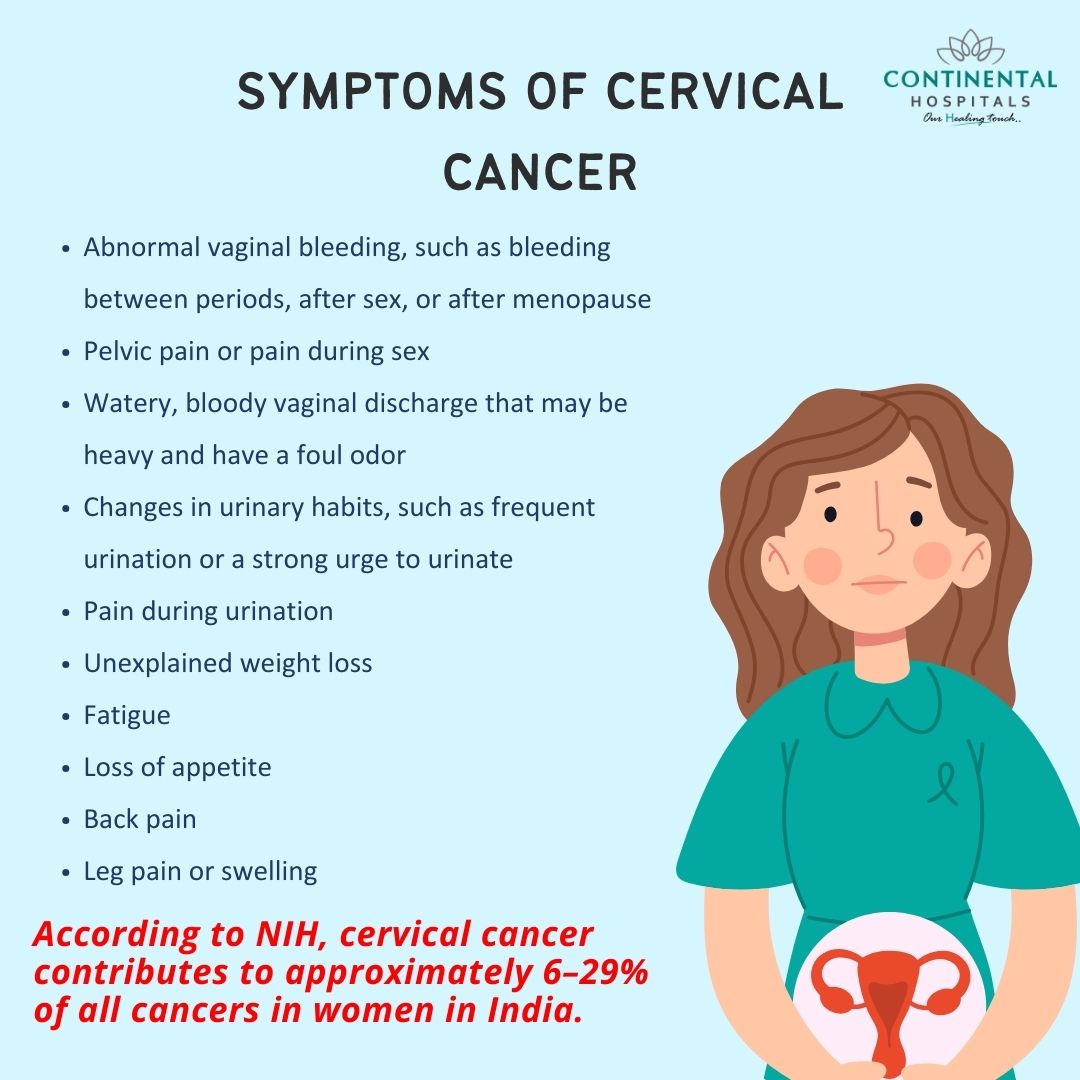
Symptoms of Cervical Cancer

How Can You Prevent Cervical Cancer?

Get vaccinated against HPV:
- The human papillomavirus (HPV) is the main cause of cervical cancer. The HPV vaccine is safe and effective in preventing infection with the types of HPV that most often lead to cervical cancer.
- The Centers for Disease Control and Prevention (CDC) recommends that all girls and boys aged 11 or 12 get the HPV vaccine. Vaccination is also recommended for adults up to age 26 who haven't already been vaccinated.

Have regular Pap tests:
- A Pap test is a screening test that can detect abnormal cells on the cervix before they turn into cancer.
- The American Cancer Society recommends that women between the ages of 21 and 65 have a Pap test every 3 years. Women over 65 may be able to stop having Pap tests if they have had normal results in the past.

Practice safe sex:
- Using condoms consistently and correctly can help reduce your risk of HPV infection.
- Limiting your number of sexual partners can also help lower your risk.

Don't smoke:
- Smoking weakens the immune system, making it harder for your body to fight off HPV infection.
- Quitting smoking is one of the best things you can do for your overall health, including your risk of cervical cancer.

Maintain a healthy diet and lifestyle:
- Eating a healthy diet rich in fruits, vegetables, and whole grains can help boost your immune system and reduce your risk of cancer.
- Regular exercise can also help keep your body healthy and reduce your risk of cancer.

Cervical cancer is a significant health concern for young women, but it's also highly preventable. By understanding the risks, recognizing the symptoms, and adopting preventive measures such as HPV vaccination and regular screenings, young women can take proactive steps to protect their health. Empowering young women with knowledge about cervical cancer is crucial for early detection, effective treatment, and ultimately, saving lives. Remember, prioritizing your health today can lead to a healthier tomorrow.

If you have concerns about your cervical cancer, it's best to consult with a Top Oncologists in Hyderabad who can assess your risk factors. 

Related Blog Topics:

1. HPV Vaccine: A powerful tool in preventing Cervical Cancer
2. Indian Government Initiative in Promoting Cervical Vaccines

 

Frequently Asked Questions

Yes. Although cervical cancer is more common in women over 30, it can also affect younger women, especially those who have persistent Human Papillomavirus (HPV) infection. Most HPV infections clear on their own, but some high risk types can remain in the body and gradually cause abnormal changes in cervical cells. These changes may develop into cancer if they are not detected and treated early. Other factors such as smoking, a weakened immune system, multiple sexual partners, and not getting regular cervical screening can increase the risk. The good news is that cervical cancer is one of the most preventable cancers through HPV vaccination, routine Pap smear or HPV testing, and timely treatment of precancerous changes.
Early cervical cancer often does not cause noticeable symptoms, which is why regular screening is so important. As the disease progresses, women may experience abnormal vaginal bleeding between periods, after sexual intercourse, or after menopause. Other symptoms include unusual vaginal discharge that may be watery, bloody, or foul smelling, pelvic pain, pain during intercourse, and longer or heavier menstrual periods. In advanced stages, symptoms such as lower back pain, leg swelling, unexplained weight loss, fatigue, or difficulty passing urine may occur. Any unusual gynecological symptoms should be evaluated promptly by a gynecologist.
The biggest risk factor for cervical cancer is persistent infection with high risk strains of Human Papillomavirus (HPV). Other important risk factors include starting sexual activity at an early age, having multiple sexual partners, smoking, long term use of oral contraceptives without medical supervision, weakened immunity due to conditions such as HIV, and a family history of cervical cancer. Women who skip regular cervical cancer screening are also at greater risk because abnormal cervical cells may go undetected. Maintaining a healthy lifestyle, practicing safe sex, receiving the HPV vaccine, and attending regular screening appointments can significantly reduce the risk.
Cervical cancer is highly preventable with the right combination of vaccination, screening, and healthy lifestyle habits. The HPV vaccine protects against the virus types responsible for most cervical cancer cases and is most effective before exposure to HPV. Regular Pap smear tests and HPV testing help identify abnormal cervical cells before they become cancerous. Practicing safe sex, avoiding tobacco use, limiting the number of sexual partners, and maintaining good overall health can also lower the risk. Early detection and treatment of precancerous changes can prevent cervical cancer from developing in the majority of cases.
The recommended age for cervical cancer screening depends on national guidelines and individual health factors. In many countries, screening begins at age 21 with Pap smear testing, while HPV testing may be introduced later depending on age and risk. Women with weakened immunity, a history of abnormal cervical cells, or other high risk conditions may require earlier or more frequent screening. Even women who have received the HPV vaccine should continue regular screening because the vaccine does not protect against every cancer causing HPV type. A gynecologist can recommend the most appropriate screening schedule.
Yes. The HPV vaccine offers strong protection against the high risk HPV types responsible for most cervical cancer cases. It is recommended for girls and young women before they become sexually active, but it can also benefit many individuals later based on medical advice. The vaccine significantly reduces the risk of cervical cancer as well as other HPV related diseases. However, vaccination does not eliminate the need for routine cervical cancer screening because it does not cover every HPV type. Combining vaccination with regular Pap smear or HPV testing provides the best long term protection.
Yes. Cervical cancer has an excellent chance of successful treatment when diagnosed in its early stages. Early stage disease can often be treated with surgery, while some patients may require radiation therapy, chemotherapy, or a combination of treatments depending on the stage and individual condition. Regular screening allows doctors to detect precancerous changes before cancer develops or identify cancer when it is still highly treatable. Timely diagnosis, personalized treatment, and regular follow up care improve survival rates and help women maintain a good quality of life.
You should consult a gynecologist immediately if you notice abnormal vaginal bleeding, unusual vaginal discharge, persistent pelvic pain, pain during intercourse, or menstrual changes that are different from your normal cycle. These symptoms do not always indicate cervical cancer, but they should never be ignored. Women with a history of HPV infection, abnormal Pap smear results, or a family history of cervical cancer should be especially vigilant. Early medical evaluation, proper diagnostic tests, and timely treatment can identify the cause of symptoms and greatly improve health outcomes.
Disclaimer: The information provided in this blog is intended for general knowledge and informational purposes only, and does not constitute medical advice. Always consult with a qualified healthcare professional for any medical concerns or before making any decisions about your health.

Get in Touch With Us

Whether you are from India or abroad, we are here to help you with your medical queries. Please fill out the form below and our team will connect with you shortly.

  • ✔ Quick response from our medical experts
  • ✔ Secure data handling & privacy
  • ✔ Easy upload for reports & documents
0 / 100
Checkboxes Section


banner_image

Chat with our medical experts on WhatsApp for quick assistance and hassle-free appointment booking

Recent Posts
Language Based Image
0 / 100