.webp)

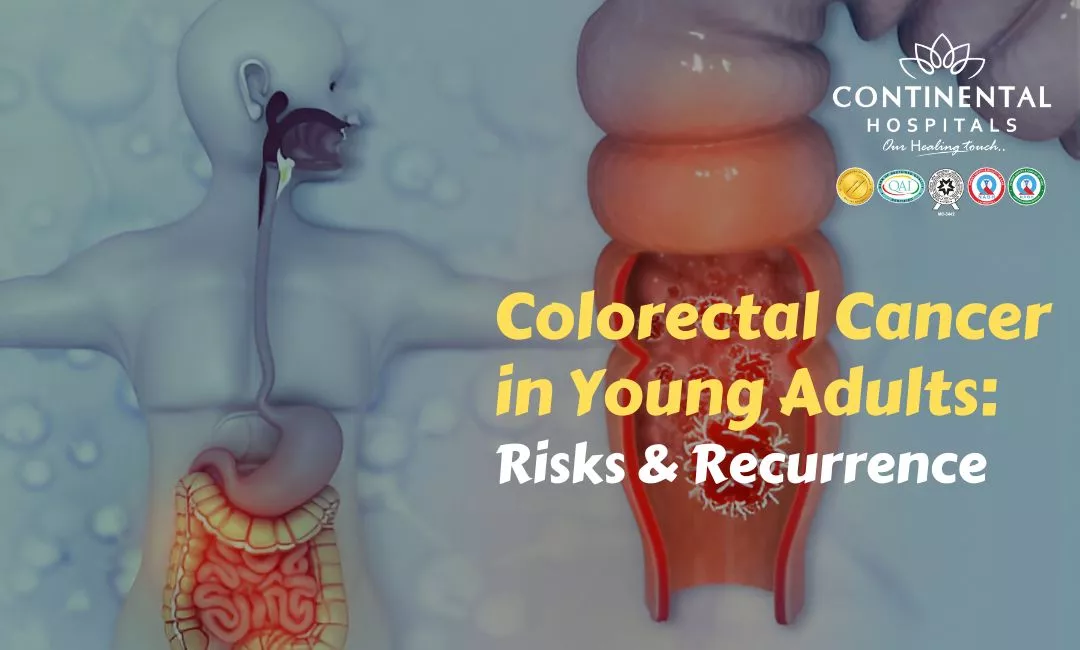
Colorectal cancer was once considered a disease that mainly affected older adults, but recent trends show an alarming increase in the number of young adults diagnosed with this condition. While colorectal cancer typically occurs in individuals aged 50 or older, more young people under 50 are now being diagnosed, prompting a need for greater awareness and early detection. In this blog, we will explore the rising risks of colorectal cancer in young adults, the factors contributing to this trend, and the challenges of recurrence.
Why is colorectal cancer increasing in young adults?
Colorectal cancer refers to cancer that starts in the colon or rectum, parts of the large intestine. It’s a type of cancer that usually develops slowly over many years, often beginning as small, benign polyps that eventually become cancerous. However, recent research shows that more young adults are being diagnosed with colorectal cancer, a trend that has experts concerned.
In fact, the incidence of colorectal cancer in people younger than 50 has been increasing by about 2% annually, according to studies. This rise is happening worldwide, including in countries like the United States and India, where the disease was historically more common in older populations.
What are the risks of colorectal cancer in young adults?
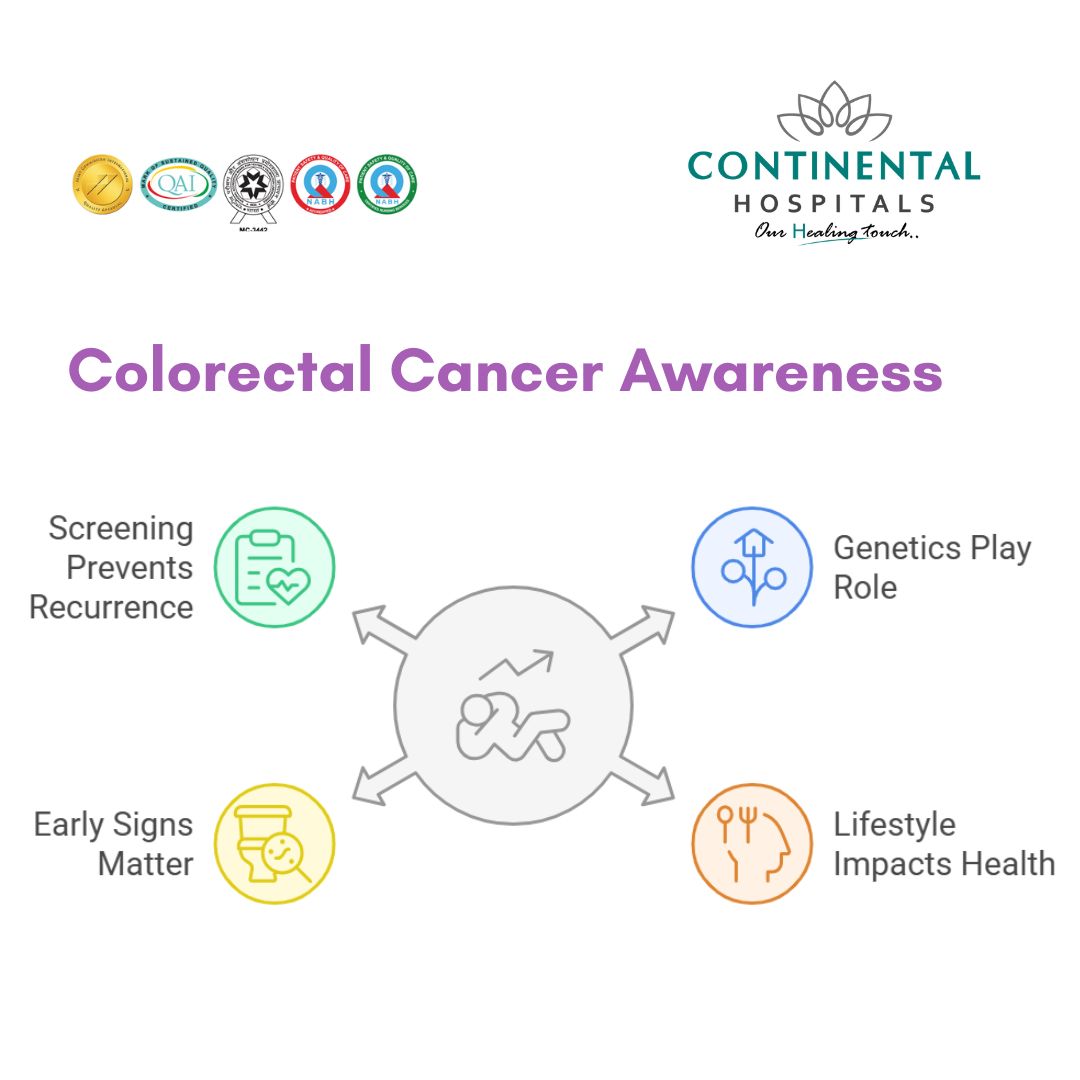
Several factors contribute to the rising rates of colorectal cancer in younger adults. While the exact causes are still being researched, certain lifestyle choices and genetic factors have been linked to an increased risk.
1. Dietary Habits
One of the most significant risk factors for colorectal cancer is a poor diet. A diet high in processed foods, red meats, and unhealthy fats, but low in fiber, fruits, and vegetables, has been associated with an increased risk of developing the disease. For younger adults, the rise in fast food consumption and the convenience of processed meals have contributed to this trend.
2. Obesity and Sedentary Lifestyles
The rise in obesity rates among young adults is another contributing factor. Obesity has been linked to many health problems, including colorectal cancer. A sedentary lifestyle, with little physical activity, also increases the risk, as it can lead to weight gain and promote the development of various diseases, including colorectal cancer.
3. Family History and Genetics
In some cases, colorectal cancer can run in families. If someone has a first-degree relative (parent, sibling, or child) diagnosed with colorectal cancer, they may be at a higher risk of developing it themselves. Additionally, genetic conditions like Lynch syndrome and familial adenomatous polyposis (FAP) significantly increase the risk of colorectal cancer and tend to manifest at an earlier age.
4. Chronic Inflammation and Disease
Conditions such as inflammatory bowel disease (IBD), including Crohn’s disease and ulcerative colitis, can increase the risk of colorectal cancer. These chronic diseases cause long-term inflammation in the intestines, which can lead to cellular changes and, eventually, cancer.

5. Environmental and Lifestyle Factors
Young adults living in urban areas with high pollution may have an increased risk due to exposure to environmental toxins. Additionally, smoking and heavy alcohol consumption are well-known risk factors for colorectal cancer. These factors, combined with the modern lifestyle of young adults, contribute to the increasing incidence of the disease in this age group.
Visit our Best Cancer Specialist in Hyderabad for comprehensive colorectal cancer screening, accurate diagnosis, and personalized treatment from our experienced cancer specialists.
What Are the Early Signs of Colorectal Cancer?
The symptoms of colorectal cancer are often not immediately apparent, especially in its early stages. However, it’s important to be aware of any changes in your body, particularly if they persist over time. Common signs and symptoms include:
Persistent Abdominal Pain or Cramping: Ongoing discomfort in the stomach or lower abdomen.
Changes in Bowel Movements: Frequent diarrhea, constipation, or changes in stool consistency.
Blood in Stool or Rectal Bleeding: You may notice blood in your stool or on toilet paper.
Unexplained Weight Loss: Losing weight without trying, especially if combined with fatigue.
Fatigue: Feeling unusually tired or weak, even with rest.
Nausea or Vomiting: Feeling nauseated or vomiting without any obvious cause.
If you experience any of these symptoms, it’s important to seek medical attention promptly for evaluation and possible screening.
Can Colorectal Cancer Come Back After Treatment?
One of the biggest concerns for individuals diagnosed with colorectal cancer is the possibility of recurrence. While treatment can successfully remove or control cancer in many cases, the risk of the cancer returning remains. This is especially true if the disease is diagnosed at a later stage.
Recurrence can happen in several ways:
Local Recurrence: The cancer may return to the same area of the colon or rectum where it originally started.
Distant Recurrence: The cancer may spread to other parts of the body, such as the liver or lungs, which can be more difficult to treat.
Young adults who are diagnosed with colorectal cancer may face a higher risk of recurrence due to the aggressive nature of the disease in younger individuals. This highlights the importance of regular follow-up care, including screening and imaging tests, after treatment to monitor for any signs of recurrence.
How Can Young Adults Reduce Their Risk of Colorectal Cancer?
While some risk factors, such as genetics and family history, cannot be changed, there are several steps young adults can take to reduce their risk of colorectal cancer:
1. Eat a Healthy Diet
A diet rich in fruits, vegetables, whole grains, and lean proteins can help reduce the risk of colorectal cancer. Avoiding processed meats and limiting red meat intake are also important steps.
2. Exercise Regularly
Physical activity plays a key role in preventing cancer. Aim for at least 30 minutes of moderate exercise most days of the week to maintain a healthy weight and improve overall health.
3. Maintain a Healthy Weight
Being overweight or obese increases your risk of colorectal cancer, so maintaining a healthy weight is crucial. A balanced diet and regular exercise can help you manage your weight effectively.
4. Limit Alcohol and Quit Smoking
Both smoking and excessive alcohol consumption are associated with a higher risk of colorectal cancer. Reducing or eliminating these habits can significantly lower your risk.
5. Get Screened Early
If you have a family history of colorectal cancer or genetic conditions that increase your risk, talk to your doctor about starting screening at an earlier age. Early detection is key to improving treatment outcomes and preventing cancer from spreading.
Conclusion: Protect Your Health with Early Action
Colorectal cancer in young adults is a growing concern, but with early detection and a healthy lifestyle, the risk can be reduced. It’s important to recognize the symptoms, understand the risk factors, and take proactive steps to protect your health.
If you’re experiencing any symptoms or have concerns about your risk for colorectal cancer, don’t wait. Contact our best oncologist in Hyderabad at Continental Hospitals today for screening, diagnosis, and personalized care.
Related Blog Topics: