.webp)

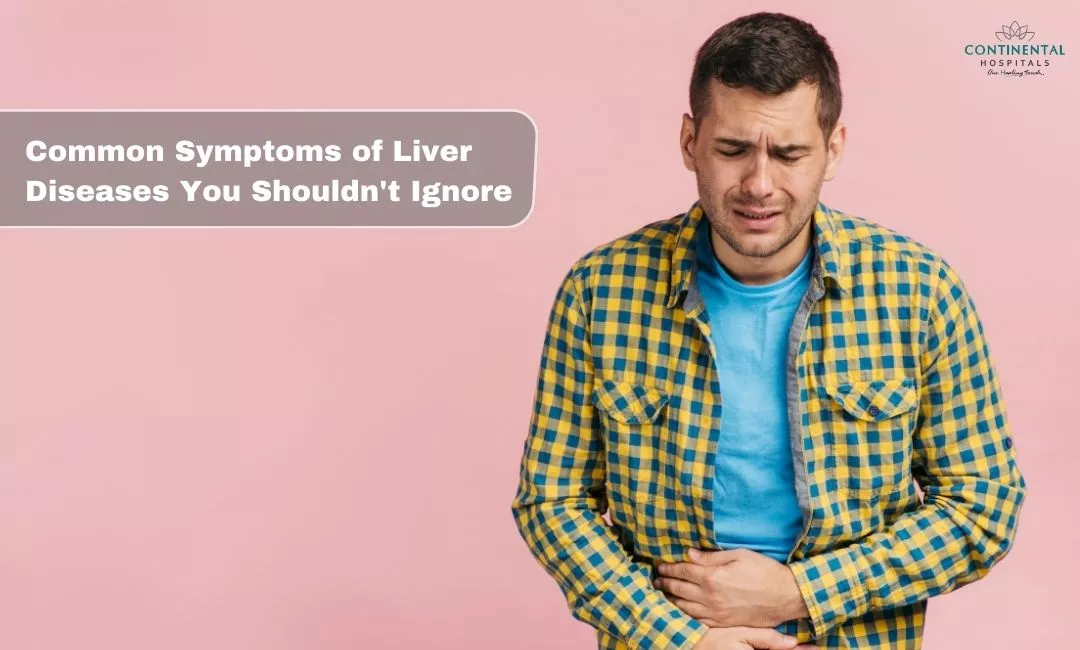
The liver is a vital organ responsible for numerous crucial functions in the body, including detoxification, metabolism, and nutrient storage. However, various factors such as viral infections, alcohol abuse, obesity, and certain medications can lead to liver diseases. Recognizing the symptoms of liver diseases is essential for early detection and treatment. In this blog post, we'll explore some of the common symptoms that should not be ignored, indicating potential liver problems.
What Are Liver Diseases?
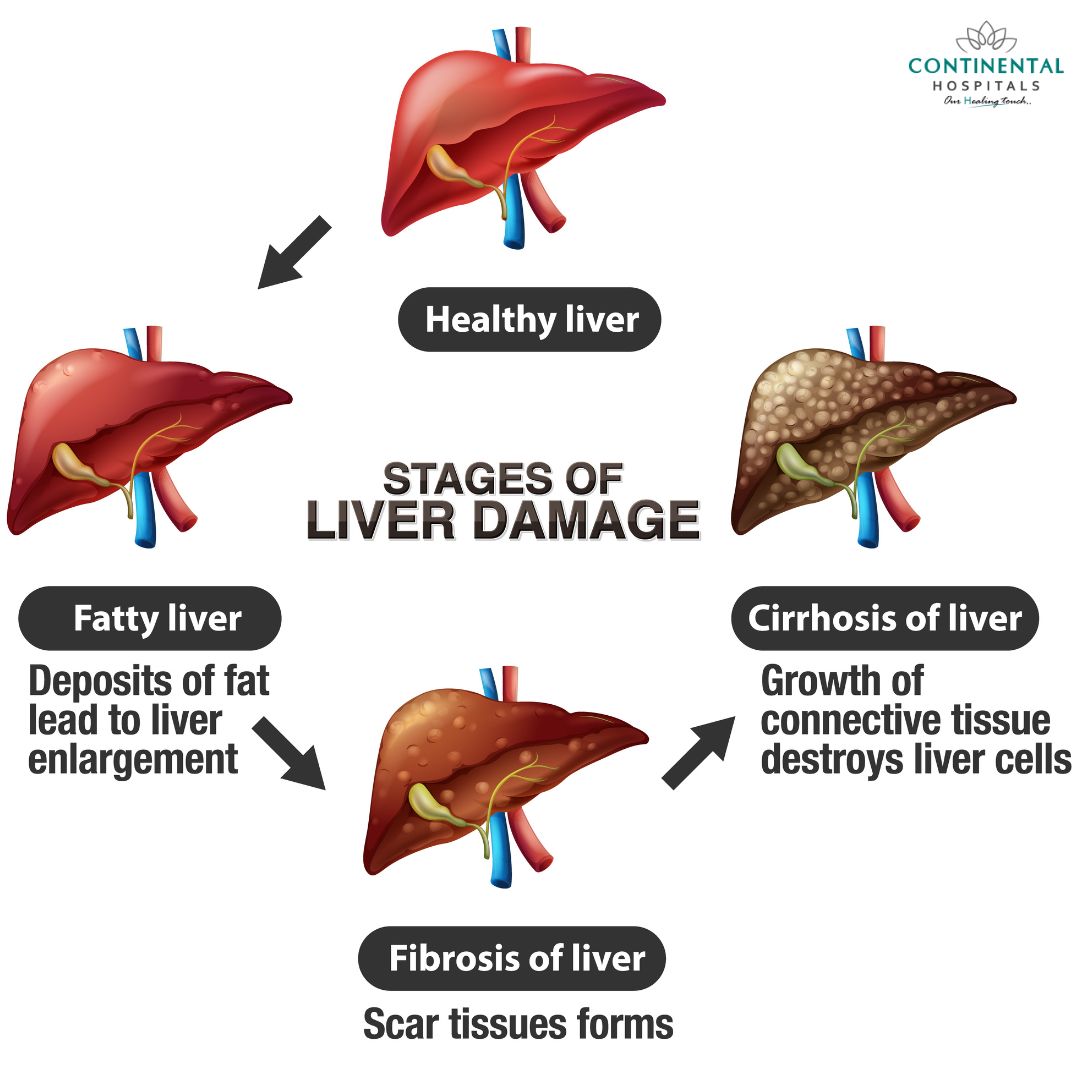
Before delving into the symptoms, it's crucial to understand the different types of liver diseases. Liver diseases encompass a broad spectrum of conditions, including hepatitis, fatty liver disease, cirrhosis, liver cancer, and more. These diseases can range from mild to severe and can affect liver function in various ways.
What Are the Common Symptoms of Liver Disease?
Discoloration of eyes and skin (Jaundice):
Jaundice is a yellowing of the skin and eyes and is one of the most recognizable symptoms of liver disease. It occurs when there's a buildup of bilirubin in the bloodstream, which the liver normally processes and excretes. When the liver is damaged or diseased, it may not be able to efficiently process bilirubin, leading to jaundice.
Fatigue:
Fatigue is a common symptom of many medical conditions, including liver disease. Individuals with liver diseases often experience persistent fatigue, even after getting adequate rest. This fatigue can be debilitating and may interfere with daily activities.
Abdominal Pain and Swelling:
Pain or discomfort in the upper right abdomen is another common symptom of liver disease. This pain may be dull or sharp and can worsen after eating fatty foods or drinking alcohol. In addition to pain, individuals with liver disease may also experience abdominal swelling or bloating due to fluid retention (ascites).
Changes in Urine and Stool Color:
Liver diseases can cause changes in urine and stool color. Urine may become dark or tea-colored, while stool may appear pale or clay-colored. These changes occur due to the liver's inability to properly process bilirubin, leading to alterations in waste products.
Loss of Appetite and Weight Loss:
Many people with liver disease experience a loss of appetite, which can lead to unintended weight loss. This loss of appetite may be due to nausea, vomiting, or a feeling of fullness after eating only small amounts of food.
Nausea and Vomiting:
Nausea and vomiting are common symptoms of liver diseases, especially during the later stages. These symptoms can be caused by a buildup of toxins in the bloodstream due to impaired liver function.
Visit our gastroenterology specialist doctors at Continental Hospitals, Hyderabad, for expert evaluation, accurate diagnosis, and personalized treatment for all digestive and liver conditions.

Itchy Skin:
Itchy skin, or pruritus, is a common symptom of liver disease, particularly cholestatic liver diseases such as primary biliary cholangitis and primary sclerosing cholangitis. Itchy skin occurs due to the buildup of bile salts in the bloodstream, which can irritate the skin.
Easy Bruising and Bleeding:
The liver produces proteins necessary for blood clotting. When the liver is damaged, it may not produce these proteins adequately, leading to easy bruising and bleeding. Individuals with liver disease may notice that they bruise easily or that cuts and scrapes take longer to stop bleeding.
Swelling in the Legs and Ankles:
Liver disease can cause fluid retention, leading to swelling in the legs and ankles. This swelling, known as edema, occurs due to decreased liver function and increased pressure in the veins that drain blood from the legs.
Mental Confusion or Changes in Mental Status:
In severe cases of liver disease, such as liver failure, individuals may experience mental confusion, difficulty concentrating, or changes in mental status. This condition, known as hepatic encephalopathy, occurs due to the buildup of toxins in the bloodstream that affect brain function.
When to see a doctor?
Knowing when to see a doctor is crucial when experiencing symptoms of liver disease. Here are some guidelines to help determine when it's time to seek medical attention:
Persistent Symptoms: If you're experiencing persistent symptoms such as jaundice, abdominal pain, fatigue, or changes in urine and stool color that last for more than a few days, it's important to see a doctor. Even if the symptoms seem mild, they could indicate underlying liver problems that require evaluation.
Worsening Symptoms: If your symptoms are getting worse over time or if you notice new symptoms developing, it's essential to seek medical advice promptly. Liver diseases can progress rapidly, especially if left untreated, so early intervention is key to preventing further complications.
History of Liver Disease: If you have a history of liver disease or are at risk due to factors such as alcohol abuse, obesity, viral hepatitis, or family history of liver disease, it's important to be proactive about monitoring your liver health. Regular check-ups with a healthcare provider can help detect liver problems early and prevent complications.
Concerning Signs: Certain signs and symptoms may indicate a more serious liver condition requiring immediate medical attention. These include severe abdominal pain, swelling in the abdomen or legs, mental confusion, vomiting blood, or signs of liver failure such as extreme fatigue and difficulty breathing. If you experience any of these symptoms, seek urgent medical care.
Routine Screening: If you're concerned about your liver health or have risk factors for liver disease, such as a history of alcohol abuse or obesity, consider discussing routine screening with your doctor. Screening tests such as liver function tests, ultrasound, or imaging studies can help assess liver health and detect any abnormalities early on.
Medication Side Effects: If you're taking medications known to cause liver damage or experiencing side effects such as jaundice, nausea, or abdominal pain while on medication, consult your healthcare provider. They can evaluate whether the symptoms are related to the medication and recommend appropriate management.
Changes in Overall Health: Pay attention to changes in your overall health and well-being. If you notice unexplained weight loss, fatigue, or other symptoms that are affecting your quality of life, it's important to discuss them with your doctor. These symptoms may be related to liver disease or other underlying health issues that require evaluation and treatment.
Recognizing the symptoms of liver disease is crucial for early detection and treatment. If you experience any of the symptoms mentioned above, it's essential to consult our Gastroenterologist Doctors in Hyderabad a healthcare professional for evaluation and appropriate management. Early intervention can help prevent further liver damage and improve outcomes for individuals with liver diseases. Additionally, maintaining a healthy lifestyle, including a balanced diet, regular exercise, and avoiding excessive alcohol consumption, can help support liver health and reduce the risk of liver disease.
Related Blog Topics