post-title

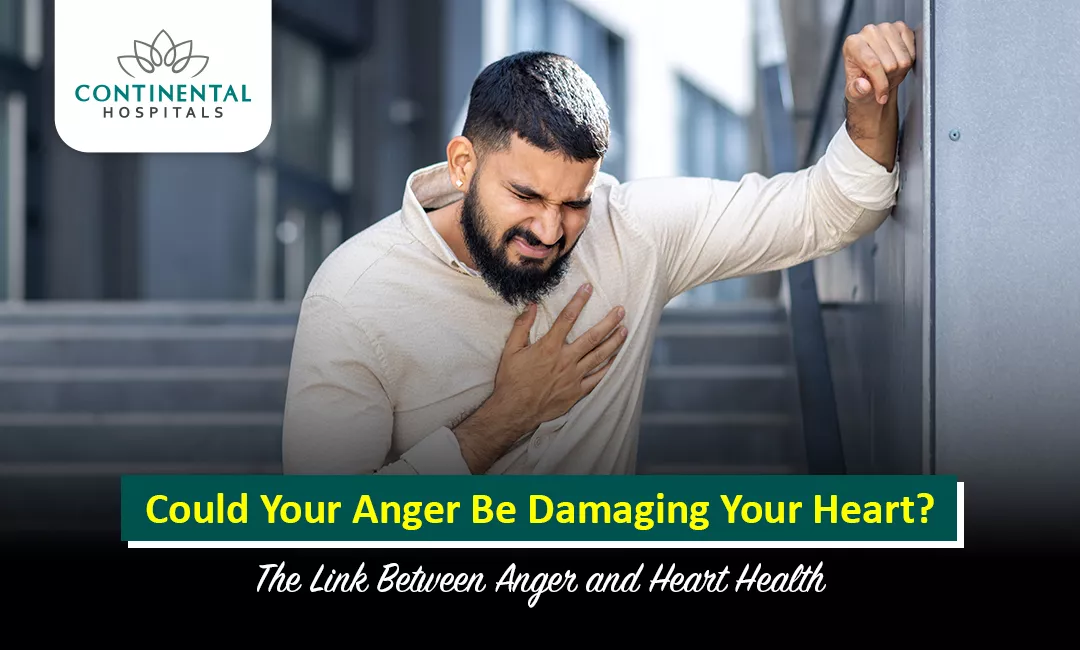
Could Your Anger Be Damaging Your Heart? The Link Between Anger and Heart Health

Written by - Editorial Team
Medically Reviewed by - Dr CVN Murthy

Anger is a normal human emotion, but frequent or intense anger may affect your physical health. The connection between anger and heart health is important because strong emotions can trigger changes in heart rate, blood pressure, and stress hormone levels. When anger occurs, the body enters a state of alertness, preparing to respond to a perceived threat. If this response happens repeatedly, it may place additional strain on the cardiovascular system.

Can anger cause heart problems? Although feeling angry occasionally does not automatically lead to heart disease, intense anger and ongoing emotional stress may increase cardiovascular risks, particularly in people who already have high blood pressure or other heart conditions. Understanding the effects of anger on the heart and learning healthy ways to manage emotions can help protect your long-term heart health.

What Happens to Your Heart When You Get Angry?

What happens inside your body when you feel angry? The brain activates the body's stress response, releasing hormones such as adrenaline. These hormones prepare the body for action, causing temporary changes in the cardiovascular system.

The effects of anger on the heart may include:

  • Increased heart rate: Your heart may beat faster than usual.
  • Higher blood pressure: Blood pressure can rise temporarily during an episode of anger.
  • Narrowing of blood vessels: Blood vessels may constrict, increasing the pressure against which the heart pumps.
  • Increased stress hormones: Adrenaline and other stress hormones can make the heart work harder.
  • Greater oxygen demand: The heart may need more oxygen as its workload increases.

These responses usually settle as the body calms down. However, repeated intense anger may be concerning, especially for people with existing cardiovascular disease.

Visit the Best Heart Specialist Hospital in Hyderabad at Continental Hospitals, Hyderabad, for expert heart care, advanced diagnostic services, and guidance on maintaining a healthy heart.

Can Anger Increase the Risk of Heart Disease?

Can anger cause heart problems even if you feel healthy? Research suggests that intense anger can temporarily increase the risk of certain cardiovascular events in susceptible individuals. Repeated emotional stress may also contribute to unhealthy habits, poor sleep, and difficulty controlling blood pressure.

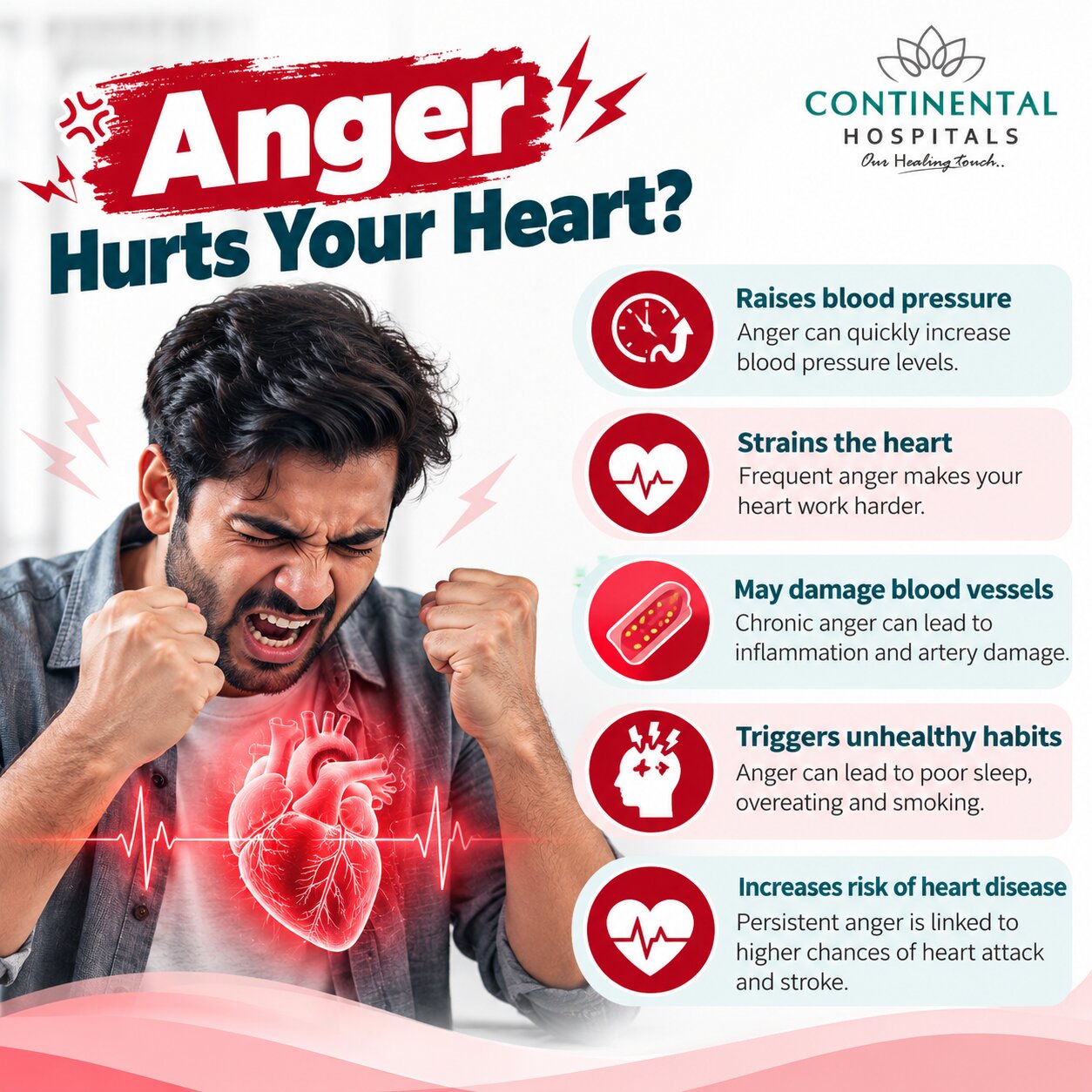
Anger and heart disease may be connected through several factors, including:

  • High blood pressure: Frequent stress responses can cause repeated blood pressure increases.
  • Inflammation: Ongoing psychological stress may influence inflammatory processes in the body.
  • Unhealthy habits: Some people respond to anger by smoking, overeating, or consuming alcohol.
  • Poor sleep: Unmanaged anger and emotional distress may interfere with restful sleep.
  • Existing heart conditions: Intense anger can trigger symptoms or events in people who are already vulnerable.

Anger alone does not determine whether someone will develop heart disease. Overall health, family history, lifestyle, and existing medical conditions also influence cardiovascular risk.

Second Opinion

What Is the Link Between Anger and High Blood Pressure?

How does anger affect blood pressure? When you become angry, stress hormones can temporarily increase your heart rate and tighten your blood vessels. This can cause a short-term rise in blood pressure.

For people with hypertension, repeated episodes of intense anger may make blood pressure management more difficult. However, anger does not necessarily cause long-term high blood pressure on its own.

To support healthy blood pressure, consider these habits:

  • Check your blood pressure as advised by your doctor.
  • Practice slow breathing when you feel angry.
  • Exercise regularly, according to your health needs.
  • Reduce excess salt and follow a balanced diet.
  • Maintain a regular sleep schedule.
  • Take prescribed blood pressure medicines as directed.

How Can You Manage Anger to Protect Your Heart?

Can controlling anger improve heart health? Learning to manage anger can help reduce stress and support healthier daily habits. It cannot eliminate every heart risk, but it can be a useful part of an overall cardiovascular health plan.

Try these practical steps:

  • Pause before reacting: Step away from a stressful situation until you feel calmer.
  • Practice deep breathing: Breathe slowly and comfortably to help your body relax.
  • Stay physically active: Walking and other suitable exercises can help manage stress.
  • Get enough sleep: Regular, restful sleep supports emotional and physical health.
  • Talk about your feelings: Discuss concerns calmly with someone you trust.
  • Seek professional support: A mental health professional can help if anger is frequent or difficult to control.

If you have heart disease, ask your doctor which stress management and exercise approaches are appropriate for you.

Need an Appointment?

When Should You Seek Medical Attention?

When should anger-related symptoms be taken seriously? If you experience chest pain, shortness of breath, fainting, or sudden severe discomfort, seek urgent medical attention. These symptoms should not be dismissed as simply being caused by anger.

Call emergency services if chest discomfort occurs with sweating, nausea, breathlessness, or pain spreading to the arm, jaw, back, or shoulder. Prompt assessment is important because these can be warning signs of a heart attack.

Why Choose Continental Hospitals for Heart Care?

Why is expert cardiac care important when you are concerned about anger and heart health? A cardiovascular assessment can help identify risk factors such as high blood pressure, abnormal cholesterol levels, and existing heart disease.

Continental Hospitals, Hyderabad, provides comprehensive cardiac care supported by experienced specialists, modern diagnostic facilities, and multidisciplinary medical expertise. The hospital holds national and international healthcare accreditations, including National Accreditation Board for Hospitals and Healthcare Providers (NABH) and Joint Commission International (JCI), reflecting its commitment to healthcare quality and patient safety.

With an emphasis on appropriate diagnosis, preventive care, and individualized treatment, Continental Hospitals supports patients in understanding their cardiovascular risks and taking steps towards better heart health.

Conclusion

The relationship between anger and heart health highlights the importance of caring for both emotional and physical well-being. Intense anger can temporarily increase heart rate and blood pressure, and repeated episodes may contribute to cardiovascular risk, particularly in people with existing heart conditions.

Healthy habits, stress management, regular health checkups, and appropriate medical care can help support your heart. If you suffer from high blood pressure, recurring chest discomfort, or concerns about your cardiovascular health, consult our best cardiologist in Hyderabad at Continental Hospitals, Hyderabad, for evaluation and personalized guidance. If you experience symptoms that could indicate a heart attack, seek emergency medical care immediately.

Related Blogs:

  1. Genetic Testing for Heart Disease: Can Your DNA Reveal Hidden Risks?
  2. The Link Between Obesity and Heart Problems

Frequently Asked Questions

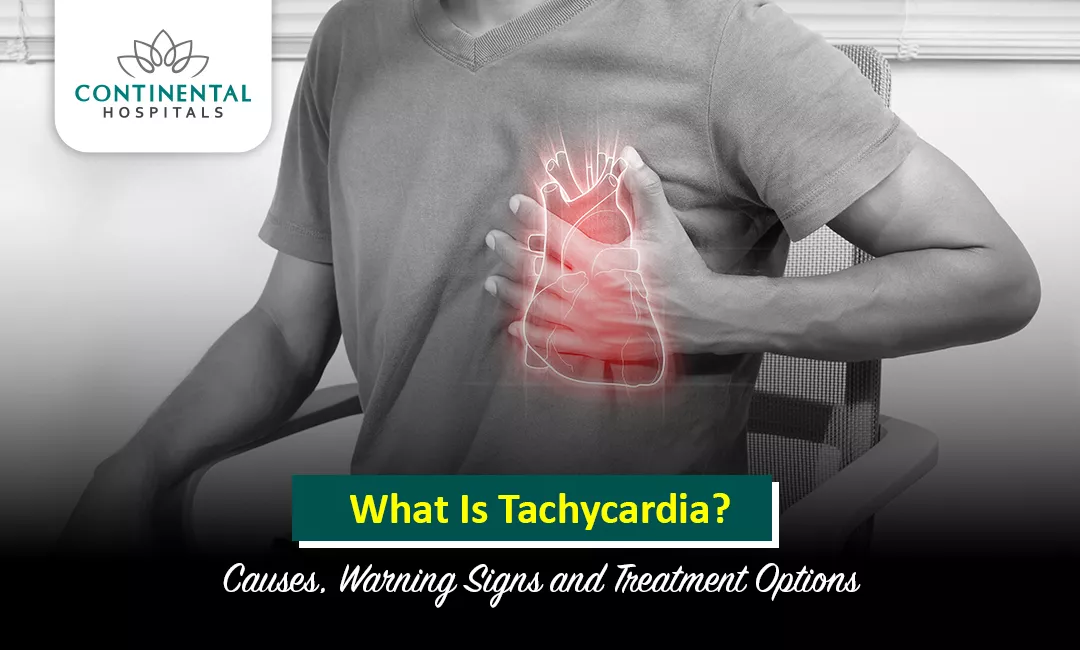
Tachycardia is a condition in which the heart beats faster than normal. In adults, a resting heart rate above 100 beats per minute is generally considered tachycardia. The normal resting heart rate for most adults ranges from 60 to 100 beats per minute. A fast heartbeat can occur during exercise, stress, or excitement. However, tachycardia at rest may sometimes indicate an underlying medical condition. Some types begin in the upper chambers of the heart. Others originate in the lower chambers and may be more serious. Symptoms can include palpitations, dizziness, breathlessness, or chest discomfort. Some people may not experience noticeable symptoms. Doctors assess the heart rate, symptoms, medical history, and possible causes. An electrocardiogram may help identify the type of abnormal rhythm. Treatment depends on the cause and the specific type of tachycardia.
Tachycardia can develop for several reasons. Physical activity and emotional stress can temporarily increase the heart rate. Fever, dehydration, and severe pain may also cause a faster heartbeat. Anemia can make the heart work harder to deliver oxygen throughout the body. An overactive thyroid gland may contribute to an elevated heart rate. Excessive caffeine, nicotine, and certain stimulant substances can trigger palpitations. Some medicines may also increase the heart rate. Heart conditions affecting electrical signals can cause abnormal heart rhythms. High blood pressure and other cardiovascular conditions may require assessment when symptoms occur. In some cases, the exact cause is not immediately clear. Doctors may recommend blood tests, an electrocardiogram, or other investigations. Identifying the underlying cause helps guide appropriate treatment.
Tachycardia may cause a noticeable sensation of a racing or pounding heart. Some people describe their heartbeat as fluttering or skipping. Dizziness or lightheadedness can occur during an episode. Breathlessness may develop, especially when the heart beats very rapidly. Some people experience chest discomfort or unusual fatigue. Weakness can occur if the heart is not pumping blood effectively. Anxiety or a feeling of uneasiness may accompany palpitations. Some episodes begin suddenly and stop just as quickly. Other cases involve a persistently elevated heart rate. Symptoms vary depending on the type and severity of the rhythm disturbance. Some people with tachycardia have no obvious symptoms. Seek emergency medical care if a rapid heartbeat occurs with chest pain, fainting, severe breathlessness, or collapse.
Tachycardia can be harmless in some situations but serious in others. A faster heartbeat during exercise is usually a normal response. A rapid heart rate at rest may need medical evaluation. The level of risk depends on the type of tachycardia and its underlying cause. Some abnormal rhythms can reduce the amount of blood reaching vital organs. Certain ventricular arrhythmias can become life-threatening. Other types may cause recurrent palpitations without immediate danger. People with existing heart disease may face a higher risk of complications. Dizziness, fainting, chest pain, or severe breathlessness are important warning signs. An electrocardiogram can help doctors identify abnormal heart rhythms. Prompt diagnosis may help prevent complications in higher-risk cases. Do not ignore recurrent or unexplained episodes of a racing heartbeat. Seek emergency care if severe symptoms occur alongside a rapid heart rate.
Doctors diagnose tachycardia by evaluating symptoms and measuring the heart rate. They may ask when episodes begin and how long they last. Your medical history can help identify possible triggers and risk factors. An electrocardiogram, also called an ECG or EKG, records the heart's electrical activity. This test can help identify the type of rhythm disturbance. A Holter monitor may record heart activity over 24 hours or longer. An event monitor may be useful when symptoms occur less frequently. Blood tests can help identify anemia, thyroid problems, or electrolyte abnormalities. An echocardiogram may be recommended to assess heart structure and function. Additional testing depends on the symptoms and initial findings. Not every patient requires every investigation. The doctor uses the results to determine the likely cause and appropriate treatment.
Treatment for tachycardia depends on its type, cause, and severity. Some cases improve when the underlying trigger is addressed. Treating fever, dehydration, anemia, or thyroid problems may help control the heart rate. Doctors may prescribe medicines to regulate the heartbeat when appropriate. Certain types of supraventricular tachycardia may respond to specific vagal maneuvers under medical guidance. Electrical cardioversion may be needed for certain abnormal rhythms. Catheter ablation can treat some rhythm disorders by targeting the tissue causing abnormal electrical signals. Emergency treatment may be necessary if tachycardia causes severe instability. Some patients require specialist monitoring or additional cardiac investigations. Lifestyle changes may include limiting excessive caffeine and avoiding stimulant substances. Never stop prescribed medicines or attempt unfamiliar maneuvers without medical advice. A cardiologist can recommend an individualized treatment plan based on the diagnosis.
Yes, stress and anxiety can temporarily increase the heart rate. During stress, the body releases hormones that prepare it for action. These hormones can make the heart beat faster and more forcefully. Emotional distress may also cause noticeable palpitations. Caffeine, poor sleep, and dehydration can make these sensations more noticeable. Slow breathing and relaxation techniques may help reduce stress-related symptoms. Regular physical activity and adequate sleep can support cardiovascular health. However, not every episode of a racing heartbeat is caused by anxiety. Abnormal heart rhythms can produce similar symptoms. Recurrent, prolonged, or unexplained palpitations should be assessed by a healthcare professional. A doctor may recommend an ECG or other tests to investigate the cause. Seek emergency care if palpitations occur with chest pain, fainting, or severe breathlessness.
You should consult a doctor if your heart repeatedly races while you are resting. Seek an evaluation if palpitations occur frequently or last longer than usual. Dizziness, unusual fatigue, or breathlessness during episodes also deserves attention. A history of heart disease makes assessment especially important. Your doctor may recommend an ECG or heart rhythm monitoring. Blood tests may help identify anemia, thyroid disorders, or other contributing conditions. Do not assume that a rapid heartbeat is caused only by stress. Record when symptoms occur and whether any triggers are present. Seek urgent medical advice for a new or persistent rapid heartbeat accompanied by concerning symptoms. Call emergency services if you experience chest pain, fainting, severe breathing difficulty, or collapse. Do not drive yourself if you feel faint or seriously unwell. Early assessment can help identify the cause and reduce the risk of complications.
Disclaimer: The information provided in this blog is intended for general knowledge and informational purposes only, and does not constitute medical advice. Always consult with a qualified healthcare professional for any medical concerns or before making any decisions about your health.

Get in Touch With Us

Whether you are from India or abroad, we are here to help you with your medical queries. Please fill out the form below and our team will connect with you shortly.

  • ✔ Quick response from our medical experts
  • ✔ Secure data handling & privacy
  • ✔ Easy upload for reports & documents
banner_image

Chat with our medical experts on WhatsApp for quick assistance and hassle-free appointment booking

Recent Posts