.webp)

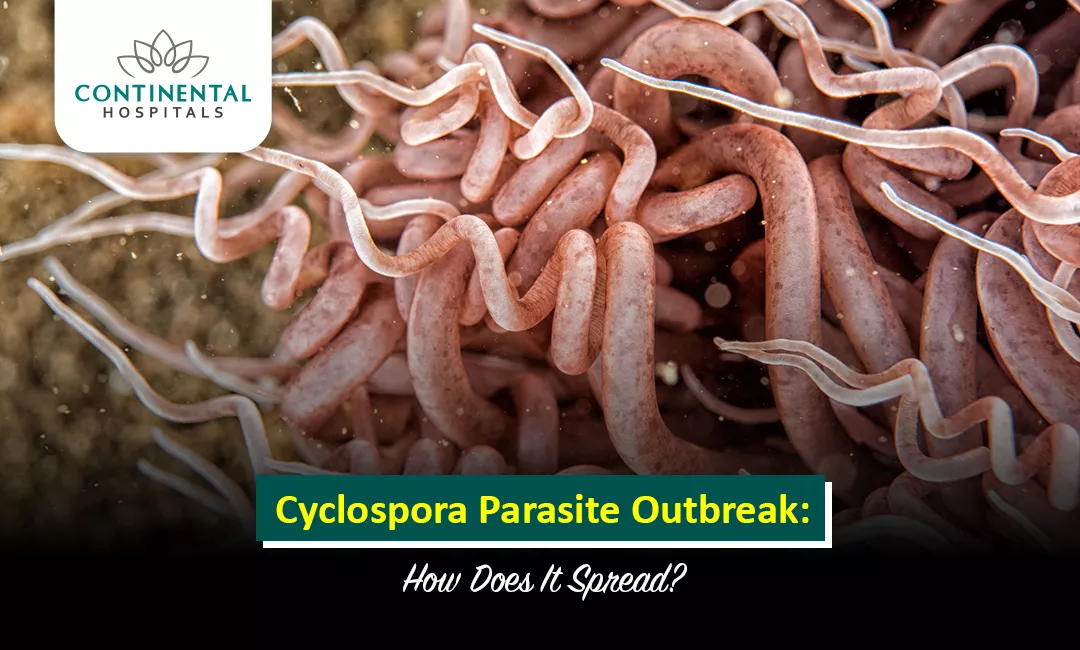
A Cyclospora parasite outbreak is a public health concern that occurs when many people become infected with the Cyclospora cayetanensis parasite through contaminated food or water. In recent years, health authorities across several countries have reported Cyclospora outbreaks linked to fresh produce such as leafy greens, herbs, berries, and other fruits and vegetables. Understanding how this foodborne parasite spreads is the first step toward protecting yourself and your family.
A Cyclospora parasite infection often causes prolonged digestive illness that can interfere with daily life if left untreated. While anyone can become infected, people with weakened immune systems, older adults, and young children may experience more severe symptoms. Knowing the causes, symptoms, prevention methods, and when to seek medical care can help reduce the risk of complications.
What Is the Cyclospora Parasite?
The Cyclospora parasite is a microscopic organism called Cyclospora cayetanensis. It infects the small intestine and causes an illness known as cyclosporiasis. This Cyclospora infection mainly spreads when people consume food or water contaminated with the parasite.
Unlike many bacteria and viruses, the parasite usually needs time outside the human body before it becomes infectious. This means direct person to person transmission is uncommon. Most infections occur through contaminated food or drinking water.
Visit our gastroenterology doctor in Hyderabad for advanced diagnosis, expert care, and personalized treatment to protect your brain and nervous system.
How Does the Cyclospora Parasite Spread?
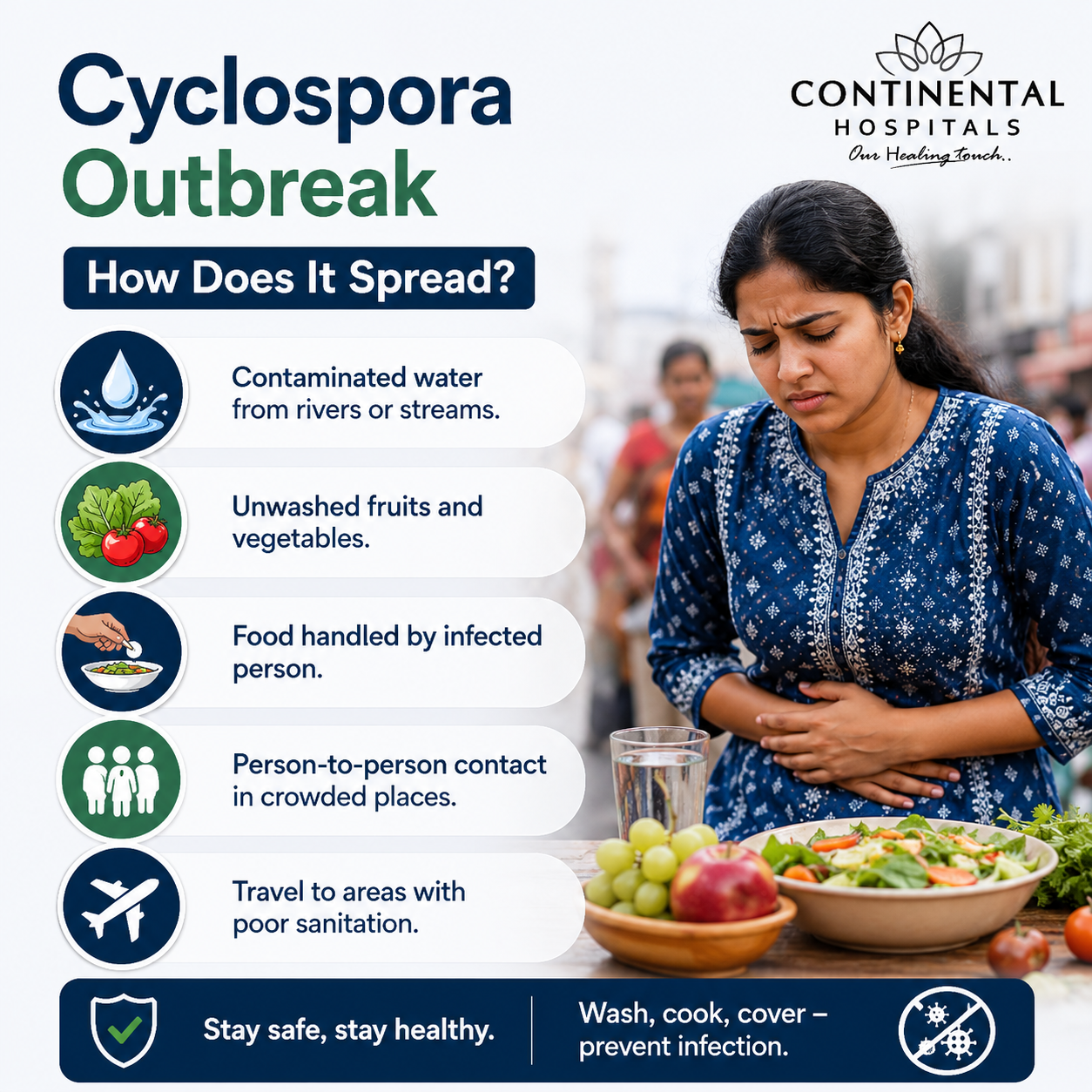
The Cyclospora spread mainly happens through contaminated food and water. The parasite enters the body when a person eats or drinks something containing infectious parasite eggs.
Common ways the Cyclospora parasite spreads include:
- Eating contaminated fresh fruits
- Eating contaminated leafy vegetables
- Consuming fresh herbs such as basil or cilantro that have not been washed properly
- Drinking contaminated water
- Eating raw produce handled under poor hygiene conditions
Since many fruits and vegetables are consumed raw, they may carry the parasite if they are not properly cleaned before reaching consumers.

Which Foods Are Commonly Linked to Cyclospora Outbreaks?
Several foods have been associated with Cyclospora outbreaks worldwide.
Common foods include:
- Lettuce
- Spinach
- Cilantro
- Basil
- Parsley
- Raspberries
- Blackberries
- Salad mixes
- Fresh vegetables
- Fresh fruits
Food grown or processed in contaminated environments can carry the parasite until it reaches consumers.
What Are the Symptoms of Cyclospora Infection?
Cyclospora symptoms usually appear about one week after consuming contaminated food or water. Symptoms can last for several days or even weeks if not treated.
Common Cyclospora symptoms include:
- Frequent watery diarrhoea
- Stomach cramps
- Loss of appetite
- Nausea
- Vomiting
- Fatigue
- Weight loss
- Bloating
- Gas
- Mild fever
- Body weakness
Some people experience symptoms that improve and then return after a few days. This relapsing pattern is one of the common features of Cyclospora infection.
Who Is at Higher Risk of Cyclospora Infection?
Although anyone can become infected, some people are more vulnerable.
Higher risk groups include:
- Young children
- Older adults
- Pregnant women
- People with weakened immune systems
- Organ transplant recipients
- Individuals receiving cancer treatment
- International travellers visiting areas with poor sanitation
These individuals should be especially careful about food hygiene and safe drinking water.
How Is Cyclospora Infection Diagnosed?
Doctors diagnose Cyclospora infection by evaluating symptoms and performing laboratory tests on stool samples. Since the parasite may not appear in every sample, multiple stool tests may sometimes be needed for accurate diagnosis.
Additional medical evaluation may be recommended if symptoms persist or if dehydration develops.
Early diagnosis helps begin appropriate treatment and reduces the duration of illness.
How Is Cyclospora Infection Treated?
Treatment depends on the severity of symptoms and the patient's overall health.
Doctors may recommend:
- Prescription antiparasitic medication
- Oral rehydration to replace lost fluids
- Electrolyte replacement
- Rest
- Temporary dietary changes until digestion improves
Avoid self-medication because symptoms of Cyclospora infection can resemble those caused by other digestive illnesses.
How Can You Prevent Cyclospora Infection?
Preventing exposure to the Cyclospora parasite starts with proper food safety and personal hygiene.
Simple preventive measures include:
- Wash fruits and vegetables thoroughly before eating.
- Drink clean and safe water.
- Wash hands with soap before meals.
- Wash hands after using the toilet.
- Avoid eating food prepared under unhygienic conditions.
- Peel fruits whenever possible.
- Store fresh produce safely.
- Keep kitchen surfaces clean.
- Separate raw foods from cooked foods.
- Follow food safety recommendations while traveling.
Although washing produce may reduce contamination, it may not remove every Cyclospora parasite, making safe food handling throughout the supply chain equally important.
Can Cyclospora Infection Cause Complications?
Yes. If left untreated, Cyclospora infection can lead to complications, especially in vulnerable individuals.
Possible complications include:
- Severe dehydration
- Significant weight loss
- Nutritional deficiencies
- Persistent diarrhoea
- Fatigue lasting several weeks
- Reduced quality of life
Prompt medical care helps prevent these complications and supports faster recovery.
When Should You See a Doctor?
You should seek medical attention if you experience:
- Diarrhoea lasting more than two days
- Blood in stools
- Severe stomach pain
- High fever
- Signs of dehydration
- Persistent vomiting
- Extreme weakness
- Rapid weight loss
- Symptoms after recent travel
- Symptoms after eating contaminated food during a reported Cyclospora outbreak
Early diagnosis and treatment can shorten illness and reduce the risk of serious complications.
Why Choose Continental Hospitals for Cyclospora Infection Care?
Continental Hospitals is recognized as one of the best hospitals in Hyderabad, providing comprehensive care for digestive infections and gastrointestinal diseases. Our experienced Ggastroenterologyspecialists use advanced diagnostic facilities to accurately identify the cause of prolonged diarrhea and other digestive symptoms.
Continental Hospitals is accredited by JCI, NABH, and QAI, reflecting our commitment to international standards of patient safety, quality healthcare, and clinical excellence. Our multidisciplinary approach ensures that patients receive timely diagnosis, effective treatment, hydration support, nutritional guidance, and complete follow up care for faster recovery.
Conclusion
A Cyclospora parasite outbreak reminds us that food safety is an essential part of protecting our health. Since this foodborne parasite commonly spreads through contaminated fresh produce and water, maintaining good hygiene and choosing safe food practices can significantly reduce the risk of infection. Recognizing Cyclospora symptoms early and seeking medical attention without delay helps prevent complications and promotes quicker recovery.
If you experience persistent diarrhea, stomach cramps, nausea, or other signs of Cyclospora infection, consult a doctor promptly. Consult our best gastroenterologist in Hyderabad at Continental Hospitals offers advanced diagnosis and comprehensive treatment for digestive infections, helping you recover safely with personalized medical care.