.webp)

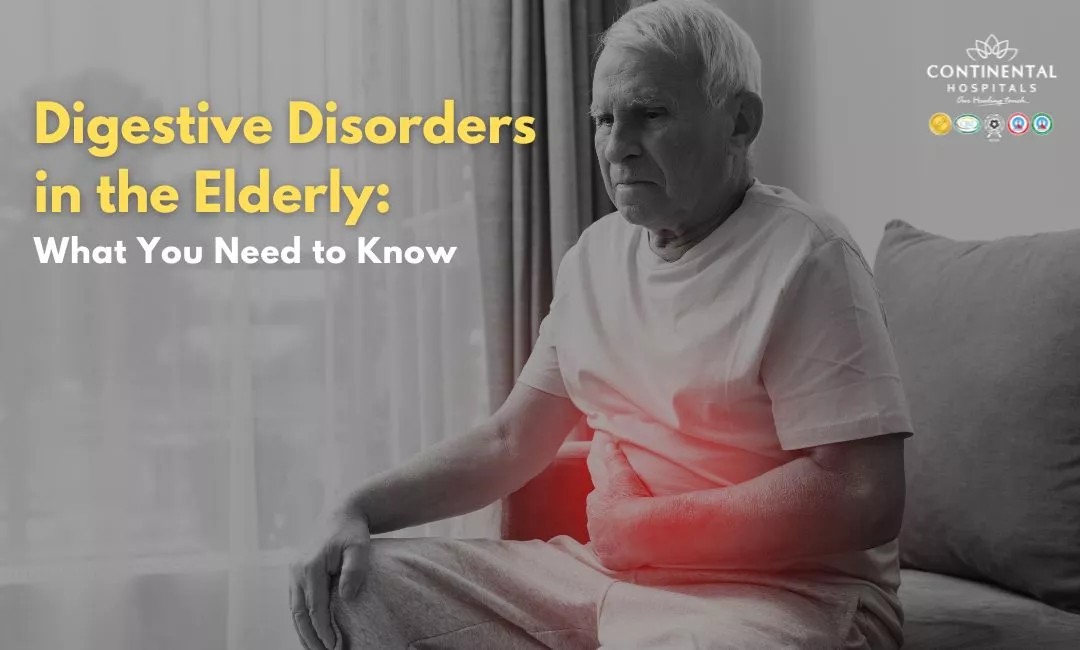
As we age, our bodies go through many changes, and one of the areas that may be affected is the digestive system. For elderly individuals, digestive disorders can become more common, and their symptoms can sometimes be harder to recognize. Understanding the digestive issues that can arise in older adults and knowing when to seek help is crucial for maintaining good health and quality of life.
In this blog, we’ll explore common digestive disorders in the elderly, their symptoms, causes, and treatment options. By the end, you'll have a clearer understanding of how to manage digestive health in older adults and when it’s time to consult a doctor.
What are the most common digestive disorders in the elderly?
Several digestive disorders can affect older adults, each with its unique symptoms and challenges. The most common ones include:
1. Gastroesophageal Reflux Disease (GERD)
GERD occurs when stomach acid frequently flows back into the esophagus, causing discomfort, heartburn, and sometimes difficulty swallowing. This condition is more common in older adults, as the muscle that prevents acid from backing up (the lower esophageal sphincter) may weaken over time.
Symptoms of GERD:
- Heartburn
- Regurgitation of food or liquid
- Difficulty swallowing
- Chest pain
Treatment: GERD can often be managed with over-the-counter antacids and lifestyle changes such as eating smaller meals, avoiding spicy foods, and staying upright after meals. In more severe cases, prescription medications or even surgery may be necessary.
Visit our gastroenterology specialist doctors for expert diagnosis and advanced treatment of digestive, liver, pancreatic, and gastrointestinal disorders.
2. Constipation
Constipation is a very common digestive issue in the elderly. As we age, the muscles in the digestive tract can weaken, making it harder for the body to move waste efficiently. Additionally, older adults may not drink enough water or eat enough fiber, which can also contribute to constipation.

Symptoms of Constipation:
- Infrequent bowel movements (less than three times a week)
- Difficulty passing stools
- Straining during bowel movements
- Abdominal discomfort
Treatment: Increasing fiber intake through fruits, vegetables, and whole grains is a key remedy for constipation. Drinking plenty of water, exercising, and using gentle stool softeners can also help. If constipation is severe, a doctor may recommend laxatives or other medical treatments.
3. Diverticulosis and Diverticulitis
Diverticulosis occurs when small pouches (diverticula) form in the walls of the colon. These pouches can become infected or inflamed, leading to diverticulitis. This condition is more common in the elderly and can cause severe abdominal pain and other complications if not treated properly.
Symptoms of Diverticulosis:
- Abdominal cramps or discomfort
- Changes in bowel habits (diarrhea or constipation)
- Bloating and gas
Symptoms of Diverticulitis:
Severe abdominal pain (usually on the left side)
Fever
Nausea and vomiting
Tenderness in the abdomen
Treatment: Diverticulosis can be managed with a high-fiber diet, but if diverticulitis develops, antibiotics or surgery may be required, depending on the severity of the condition.
4. Irritable Bowel Syndrome (IBS)
IBS is a chronic condition that affects the large intestine, causing symptoms like abdominal pain, bloating, diarrhea, and constipation. Although IBS can affect individuals of all ages, it may become more noticeable in older adults as other digestive issues compound.
Symptoms of IBS:
- Abdominal pain or cramping
- Diarrhea or constipation (sometimes alternating between the two)
- Bloating and gas
- Mucus in the stool
Treatment: Managing IBS often requires dietary changes (such as eliminating certain foods), stress management techniques, and medications to regulate bowel movements.
5. Lactose Intolerance
As people age, their bodies may produce less lactase, the enzyme needed to break down lactose (the sugar in milk). This leads to lactose intolerance, where consuming dairy products causes discomfort and digestive issues.
Symptoms of Lactose Intolerance:
- Bloating
- Diarrhea
- Gas
- Stomach cramps after consuming dairy
Treatment: Avoiding dairy or using lactase supplements can help manage symptoms. Many people with lactose intolerance can tolerate small amounts of dairy or opt for lactose-free products.
6. Malabsorption Syndromes
Malabsorption occurs when the body is unable to absorb nutrients from food properly. Conditions such as celiac disease, pancreatic insufficiency, or bile acid malabsorption are more common in the elderly and can lead to malnutrition and weight loss.
Symptoms of Malabsorption:
- Unexplained weight loss
- Diarrhea
- Bloating and gas
- Fatigue and weakness
Treatment: Treatment typically involves dietary changes and medications to manage the underlying condition. In some cases, nutritional supplements may be needed to ensure the body receives the necessary nutrients.
What causes digestive disorders in the elderly?
Several factors contribute to the increased prevalence of digestive disorders in older adults:
Slower Digestion: As we age, the digestive system slows down. This can lead to issues like constipation, bloating, and indigestion.
Weakened Muscles: The muscles in the digestive tract can lose their strength over time, leading to conditions like GERD or difficulty moving waste through the intestines.
Medication Side Effects: Many elderly people take medications for chronic conditions like hypertension, diabetes, and arthritis. Some of these medications can disrupt the digestive system, causing side effects like constipation, diarrhea, or nausea.
Changes in Diet: Older adults may eat less fiber or drink less water, which can contribute to digestive issues like constipation or GERD.
Chronic Conditions: Conditions such as diabetes, Parkinson’s disease, or dementia can also affect the digestive system, leading to complications like swallowing difficulties or constipation.
How to prevent and manage digestive disorders?
Although some digestive disorders are part of the natural aging process, there are steps elderly individuals can take to help prevent and manage them:
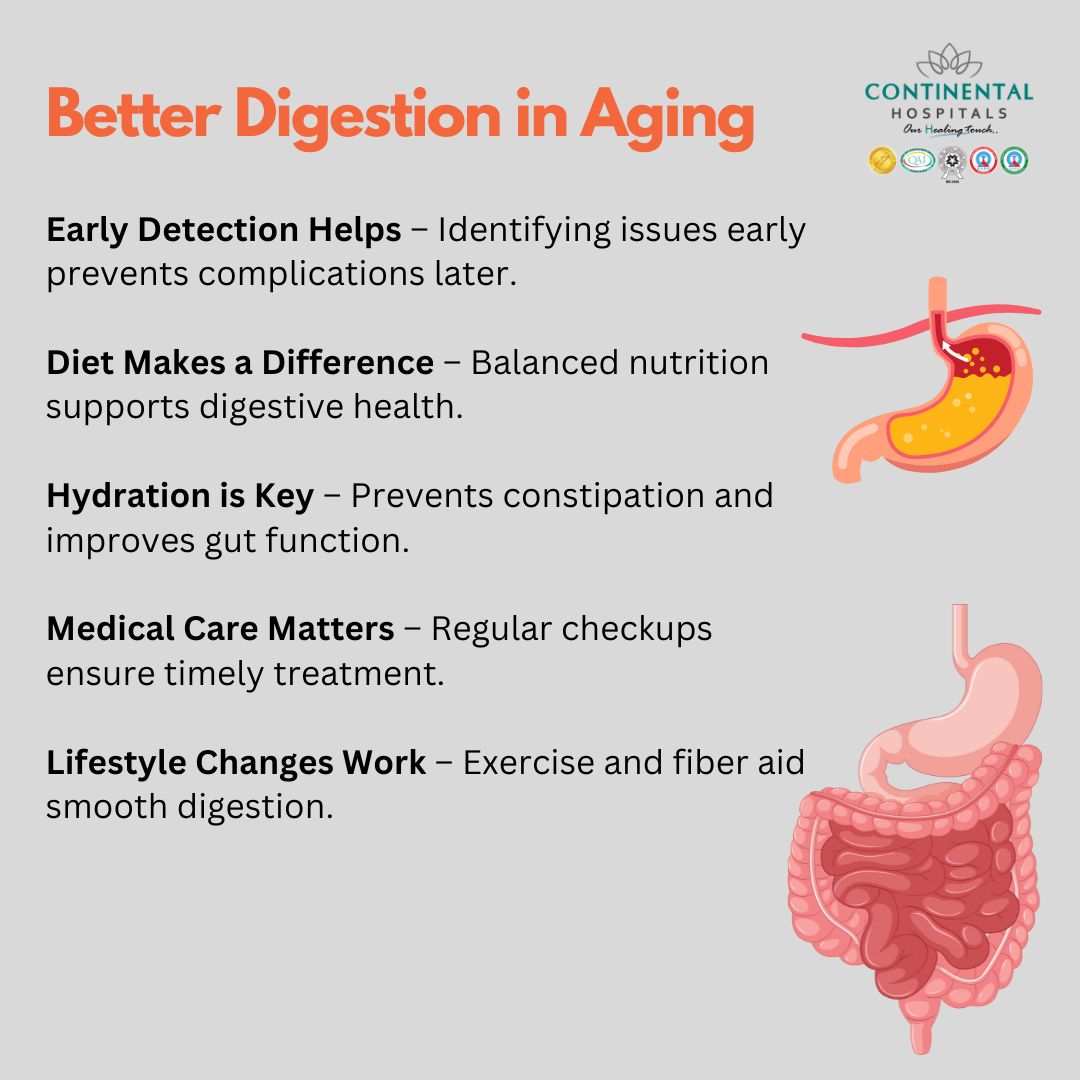
Eat a High-Fiber Diet: A diet rich in fruits, vegetables, whole grains, and legumes can help keep the digestive system functioning properly and prevent constipation.
Stay Hydrated: Drinking enough water throughout the day can prevent dehydration, which can contribute to constipation.
Exercise Regularly: Physical activity helps keep the digestive system moving and can alleviate constipation.
Avoid Overuse of Medications: Certain medications can interfere with digestion, so it’s important to talk to a healthcare provider about alternatives or adjustments if digestive issues arise.
Monitor Symptoms: Keeping track of symptoms like pain, bloating, or changes in bowel habits can help identify potential issues early and ensure prompt treatment.
When Should You See a Doctor for Digestive Problems?
If you or a loved one experiences persistent digestive symptoms, it's important to seek medical attention. A doctor can help diagnose the cause of the symptoms and recommend an appropriate treatment plan. Some warning signs to watch out for include:
- Persistent abdominal pain or discomfort
- Blood in stools or black stools
- Unexplained weight loss
- Difficulty swallowing
- Severe bloating or gas
At Continental Hospitals, our expert team of gastroenterologists can help diagnose and treat digestive disorders in the elderly. If you’re experiencing any of these symptoms, don’t wait—schedule a consultation with us today to get the care you need.
Conclusion
Digestive disorders in the elderly can significantly impact quality of life, but with proper understanding, management, and timely intervention, they can often be controlled effectively. Whether it’s GERD, constipation, or a more complex condition, there are plenty of treatment options available.
Struggling with digestive issues? Get expert care at Continental Hospitals, one of the best gastroenterology hospitals in Hyderabad. Consult our best gastroenterologist in hyderabad for advanced diagnosis and treatment. Book your appointment today!
Related Blog Topics: