.webp)

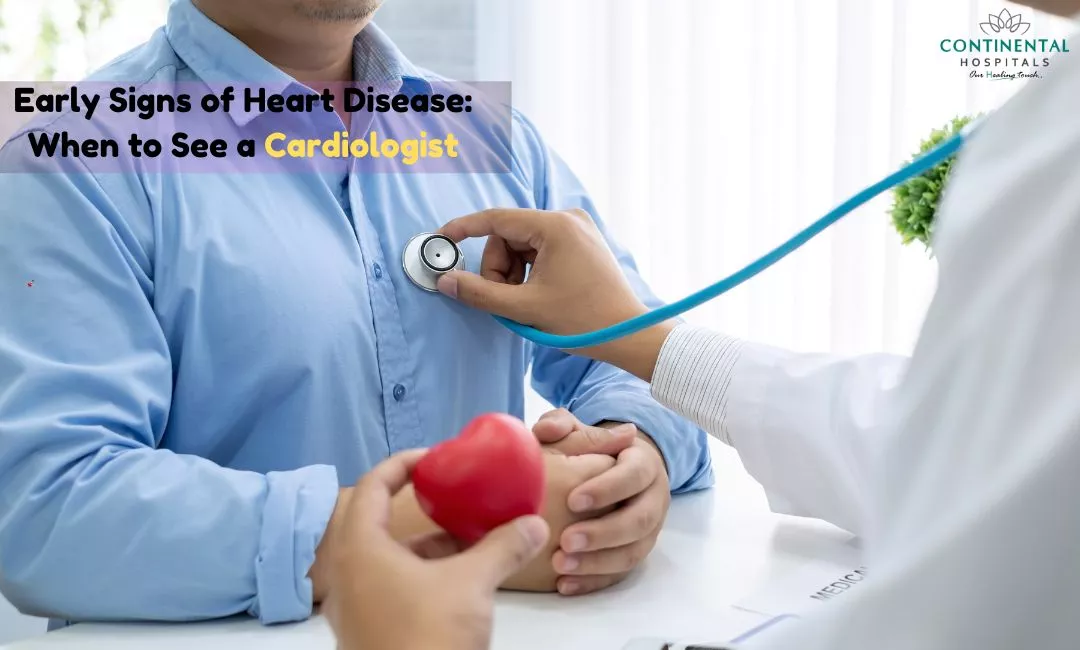
Heart disease is a prevalent health concern worldwide, affecting millions of people each year. Recognizing the early signs and symptoms of heart disease can significantly impact your health outcomes. Here’s a comprehensive guide to understanding these signs, when to seek help from a cardiologist, and treatment options available at Continental Hospitals. Choose one of the top cardiologists in Hyderabad for expert consultation, advanced cardiac procedures, and compassionate care tailored to your heart health needs.
What Is Heart Disease and What Causes It?
Heart disease refers to a range of conditions that affect the heart. It includes issues such as coronary artery disease (narrowing of the arteries), heart rhythm problems, and heart defects present at birth. These conditions can lead to heart attacks, chest pain (angina), or stroke. Risk factors like high blood pressure, high cholesterol, diabetes, and smoking contribute to its development. Symptoms vary but may include chest discomfort, shortness of breath, and fatigue. Early detection through regular check-ups and lifestyle changes like a healthy diet and exercise can significantly reduce the risk and manage heart disease effectively.
What Are the Early Signs and Symptoms of Heart Disease?
Chest Discomfort: This is one of the most common symptoms. It may feel like pressure, tightness, or pain in the chest that can radiate to the arms, back, neck, or jaw. It might come and go, or persist over time.
Shortness of Breath: Feeling breathless during normal activities or at rest can be a sign of heart disease. This occurs because the heart is struggling to pump enough blood to meet the body’s demands.
Fatigue: Unexplained fatigue or weakness, especially if it's sudden or severe, can indicate that the heart isn’t pumping effectively.
Dizziness and Light-headedness: Feeling dizzy or lightheaded, especially when standing up suddenly, may be a sign of heart valve problems or arrhythmias.
Swelling: Fluid retention in the feet, ankles, legs, or abdomen can be a sign that the heart isn’t pumping blood effectively.
Irregular Heartbeat: This may feel like a fluttering or racing heart. It can be a sign of arrhythmia, where the heart beats too fast, too slow, or irregularly.
High Blood Pressure: Often a silent condition, high blood pressure (hypertension) can gradually damage the heart and arteries without noticeable symptoms.

Consult with a Cardiologist who can help you understand the benefits of early detection of heart disease.
When Should You See a Cardiologist for Heart Disease Symptoms?
If you experience any of these symptoms, it's crucial to consult a cardiologist promptly, especially if you have risk factors such as:
• Persistent Symptoms: If you experience persistent chest pain, pressure, tightness, or discomfort, especially with activity or at rest, it could indicate underlying heart issues that require evaluation.
• Shortness of Breath: Difficulty breathing, especially during normal activities or when lying down, may signal heart problems such as heart failure or coronary artery disease.
• High Blood Pressure or Cholesterol: If you have consistently high blood pressure or cholesterol levels, a cardiologist can assess your risk for heart disease and recommend appropriate management.
• Family History: A family history of heart disease, especially if close relatives developed it at an early age, increases your risk. A cardiologist can help assess your genetic risk factors and recommend preventive measures.
• Diabetes Management: Diabetes increases the risk of heart disease. Regular cardiac evaluation can help manage and monitor cardiovascular health alongside diabetes care.
• Recovery from Heart Conditions: If you have had a heart attack, heart surgery, or a procedure like stent placement, seeing a cardiologist regularly is essential for monitoring recovery and preventing future issues.
• Lifestyle Changes: If you're making significant lifestyle changes like starting an exercise program, quitting smoking, or adopting a new diet, consulting a cardiologist can provide guidance on heart-healthy practices.
• Routine Check-ups: Periodic visits to a cardiologist, especially if you're over 40 or have risk factors, can help detect early signs of heart disease before symptoms appear, improving outcomes through early intervention.
What Heart Disease Treatment Options Are Available at Continental Hospitals?
At Continental Hospitals in Hyderabad, we offer advanced treatment options for heart disease, tailored to each patient's needs. Our comprehensive approach includes:
Medications: To manage conditions such as high blood pressure, high cholesterol, and heart rhythm disorders.
Lifestyle Changes: Including diet modifications, regular exercise programs, and smoking cessation support.
Interventional Procedures: Such as angioplasty and stenting to open blocked arteries.
Cardiac Rehabilitation: A supervised program to help patients recover after a heart attack or heart surgery.
Surgical Interventions: Including bypass surgery and valve repair or replacement for more severe cases.
Conclusion:
Early detection and intervention are key to managing heart disease effectively. By recognizing the signs, knowing your risk factors, and seeking timely medical advice, you can take proactive steps towards maintaining a healthy heart and overall well-being. If you have concerns about heart disease or need personalized care, don't hesitate to reach out to us at Continental Hospitals. Your heart health matters, and we are here to support you every step of the way.
Consult with our Best Cardiology Doctors in Hyderabad who can help you understand the benefits of early detection of heart disease.
Related Blog Articles-