.webp)

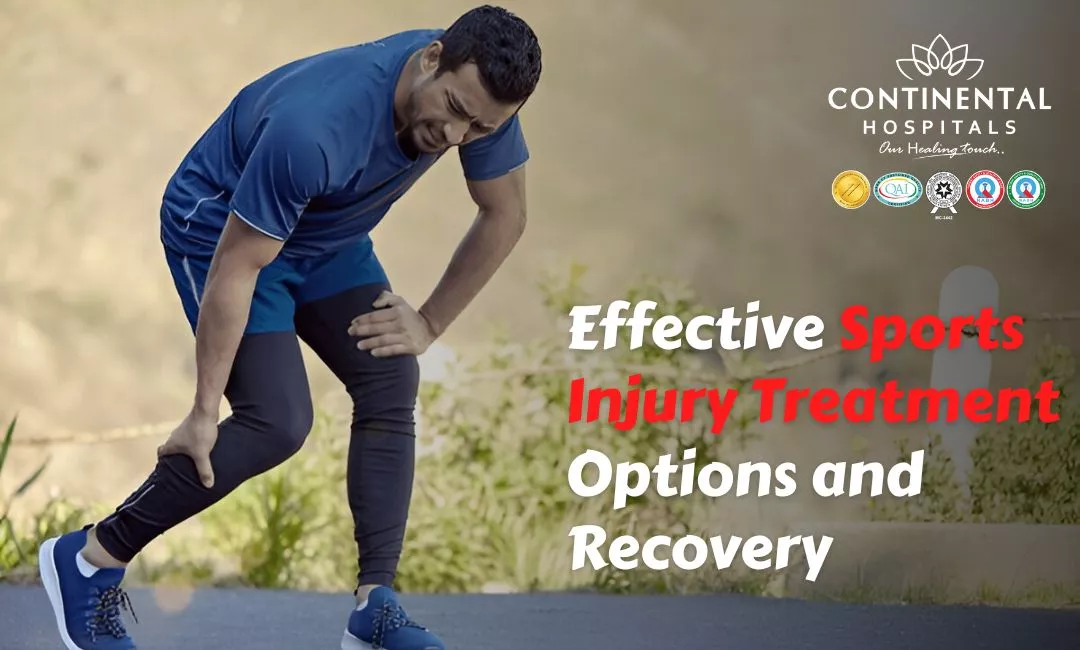
Sports injuries are a common part of active lifestyles, whether you're a professional athlete or simply someone who enjoys recreational activities. Injuries can range from minor sprains to more serious fractures, but with the right treatment, you can get back on your feet and back to the game faster. In this blog, we will explore some of the most effective sports injury treatment options and recovery techniques, with a special focus on how Continental Hospitals can help you regain your health.
What Are Sports Injuries?
Sports injuries occur when physical activity puts stress on the muscles, bones, or joints. These injuries can happen due to overuse, improper technique, or accidents. The most common types of sports injuries include the following:
Sprains and strains: Overstretching or tearing of ligaments or muscles.
Fractures: Broken bones, often caused by a sudden impact.
Dislocations: When a bone is forced out of its normal position in a joint.
Tendinitis: Inflammation of tendons, commonly seen in repetitive motions.
Contusions: Bruising from impact.
Regardless of the injury, it's important to seek treatment early to prevent further damage and ensure proper healing.
If you're dealing with a sports injury, don't wait. Visit the top orthopedic doctors in Hyderabad at Continental Hospitals, Hyderabad, for comprehensive sports injury care from experienced orthopedic specialists.

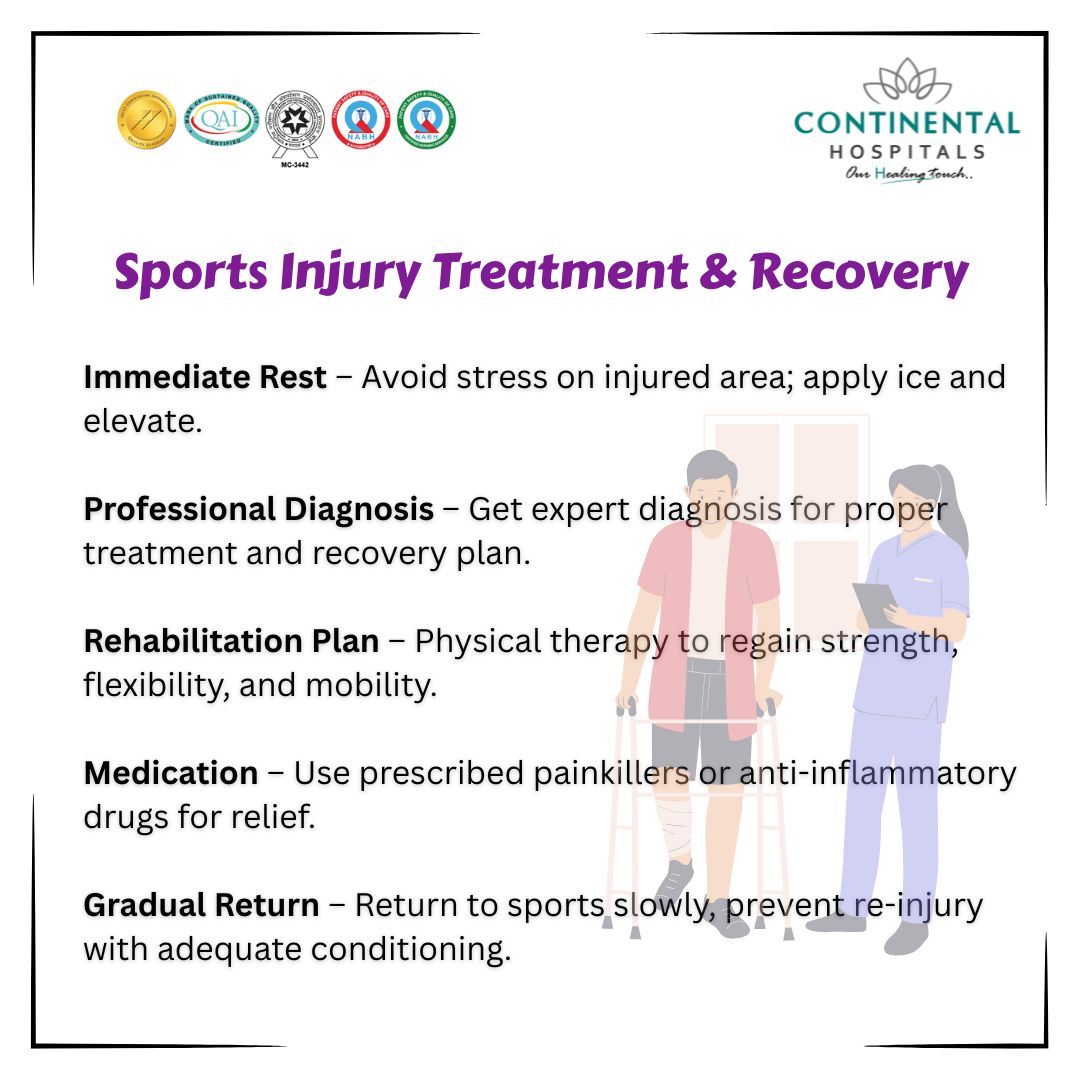
What Is the R.I.C.E. Method for Sports Injuries?
When you first suffer a sports injury, it's essential to manage the damage before seeking professional help. The R.I.C.E. method is widely recommended for initial treatment:
Rest: Allow the injured area time to recover without further strain.
Ice: Apply ice to reduce swelling and numb the pain.
Compression: Use an elastic bandage to help control swelling.
Elevation: Raise the injured area above the level of your heart to reduce swelling.
This method is a quick way to manage pain and swelling in the early stages of injury. However, it is important to follow up with professional medical care to ensure the injury is treated properly.
What are the best sports injury treatment options?
After the initial treatment, it’s time to consider more advanced recovery methods. Here are some effective treatment options available at Continental Hospitals:
1. Physical Therapy
Physical therapy is one of the most common and effective methods for treating sports injuries. A trained physiotherapist will design a rehabilitation program tailored to your injury, focusing on strength-building exercises, flexibility, and restoring range of motion. This personalized approach helps prevent future injuries and supports the healing process.
Why Choose Continental?
Our physiotherapists are highly skilled and work closely with orthopedic specialists to ensure a comprehensive recovery plan that suits your specific needs. Whether it's recovering from a sprain, strain, or surgery, we prioritize your well-being every step of the way.
2. Surgical Intervention
In some cases, sports injuries may require surgery, particularly when there is a fracture, tear, or dislocation that cannot heal properly without medical intervention. Surgical options might include:
Arthroscopic surgery: Minimally invasive surgery to repair damaged joints.
Fracture repair: Using pins, plates, or screws to stabilize broken bones.
Tendon repair: Reattaching torn tendons or ligaments.
At Continental Hospitals, our orthopedic surgeons use the latest minimally invasive techniques to ensure faster recovery times and minimal scarring. We also use advanced imaging techniques to guide surgery, ensuring precision and optimal outcomes.
3. Medication and Pain Management
For pain management during recovery, doctors may prescribe medication to reduce inflammation and control pain. Nonsteroidal anti-inflammatory drugs (NSAIDs) are commonly used to manage mild to moderate pain. In more severe cases, stronger prescription painkillers may be necessary.
In addition to medication, other pain management techniques such as cold therapy, TENS (Transcutaneous Electrical Nerve Stimulation), and acupuncture may be employed to help control pain and enhance healing.
4. Regenerative Medicine
Regenerative treatments like Platelet-Rich Plasma (PRP) therapy and Stem Cell Therapy are increasingly popular in sports injury recovery. These therapies utilize the body’s natural healing capabilities to repair damaged tissues and promote faster recovery. PRP involves drawing a small amount of blood, processing it to concentrate the platelets, and injecting it into the injured area to stimulate healing. Stem cell therapy, on the other hand, uses stem cells to regenerate damaged tissues.
These advanced treatments can reduce recovery time significantly and are often used for tendon injuries, arthritis, and muscle tears.
5. Sports-Specific Rehabilitation
After an injury, athletes often want to return to their sport as quickly as possible. At Continental Hospitals, we offer sports-specific rehabilitation programs that are designed not only to heal the injury but also to strengthen the body in a way that helps prevent future injuries. These programs focus on exercises and techniques that mirror the demands of your sport, such as agility drills for football players or strength training for weightlifters.
Why Choose Continental?
Our rehabilitation specialists have expertise in various sports, so we understand the specific movements and challenges each sport presents. By offering personalised, sport-specific recovery plans, we help you return to peak performance more safely and effectively.
Tips for Speeding Up Recovery
While medical treatment plays a crucial role in recovery, there are several things you can do at home to help speed up the healing process:
Follow your doctor's advice: Adhere to the prescribed rehabilitation plan and don’t rush back to activity too soon.
Eat a balanced diet: Proper nutrition, including adequate protein, vitamins, and minerals, can support tissue repair.
Stay hydrated: Drinking enough water helps maintain joint health and reduce swelling.
Get enough rest: Allow your body the time it needs to recover and heal naturally.
By staying proactive and following your doctor's recommendations, you can improve your recovery outcomes.
Why Choose Continental Hospitals for Your Sports Injury Treatment?
Continental Hospitals is a leader in sports injury treatment, offering a comprehensive range of services for the effective treatment and recovery of sports injuries. From physical therapy to advanced surgical options, our multidisciplinary team of experts works together to provide you with the best care possible.
We combine state-of-the-art technology with personalised care plans to ensure a quick and safe recovery. Our dedicated sports medicine specialists have extensive experience in treating athletes of all levels and can help you return to your sport with confidence.
Whether you're dealing with a minor strain or a major surgery, we are committed to providing you with the highest level of care.
Conclusion
Sports injuries are an inevitable part of an active lifestyle, but they don’t have to keep you sidelined for long. With the right treatment and recovery plan, you can heal faster and return to your activities stronger than before. At Continental Hospitals, we are dedicated to offering the best in sports injury care, from initial diagnosis to rehabilitation.
If you're dealing with a sports injury, don't wait—contact our healthcare team at Continental Hospitals in Hyderabad today. Visit the Best Orthopedic Specialists in Hyderabad