.webp)

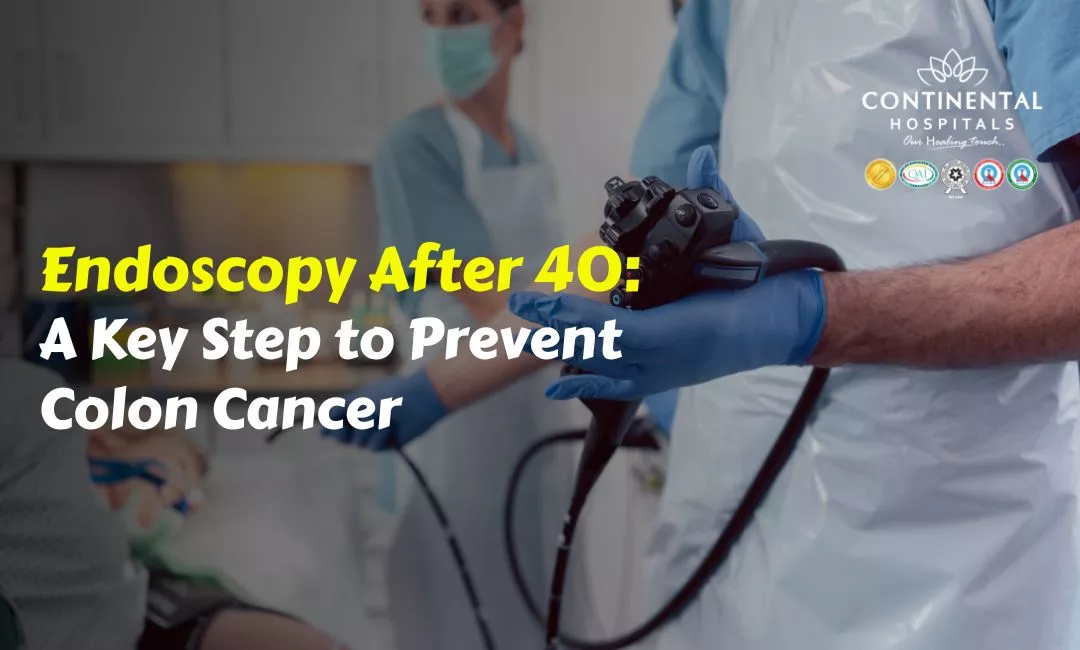
Colon cancer is one of the most common types of cancer that affects people worldwide. But what many don’t know is that early detection and screening can make a significant difference in preventing the disease or identifying it early when it is most treatable. For individuals over the age of 40, undergoing an endoscopy is one of the most effective preventive measures you can take to ensure your colon health remains in check.
In this blog, we’ll explore why an endoscopy is crucial after 40, how it helps in the early detection of colon cancer, and why Continental Hospitals is the best place to get this vital procedure done.
Why Should You Get an Endoscopy After 40?
Imagine your body as a car. You take it in for regular servicing even if it runs smoothly, right? Just to be safe. The same applies to your body, especially your digestive system. As we cross 40, it becomes important to screen for silent threats like colon cancer. One of the best tools doctors use for this is endoscopy.
Let’s walk you through why this matters, what to expect, and how this one step could save your life.
Why is an Endoscopy Important After 40?
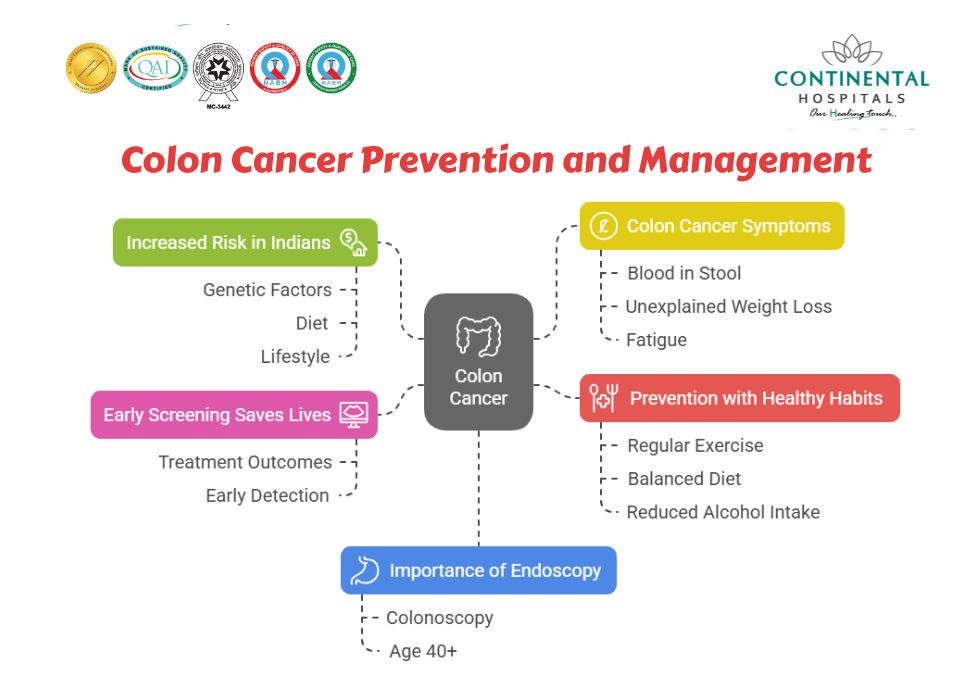
As you age, the risks associated with colon cancer increase, particularly after the age of 40. According to medical experts, people with no symptoms should begin regular screenings around 40, as the risk of colorectal cancer tends to increase with age. Colon cancer starts with small, benign growths called polyps that can eventually turn into cancer. These polyps do not usually show symptoms in their early stages, which is why routine screenings, like endoscopy, are crucial.
An endoscopy is a minimally invasive procedure where a thin, flexible tube with a camera (called an endoscope) is inserted through the rectum to examine the colon. It allows doctors to detect early signs of colon cancer and polyps before they turn into more serious problems. This procedure is essential for those over 40 because it helps doctors identify and remove polyps before they develop into cancer.
What Happens During an Endoscopy?
The endoscopy procedure is straightforward and usually takes about 30-60 minutes. You will be asked to prepare by following a clear liquid diet for a day or two before the procedure and you may need to take a laxative to cleanse your colon.
During the procedure, the doctor will insert the endoscope through the rectum and gently guide it through the colon. The camera at the tip of the endoscope sends images to a monitor, allowing the doctor to carefully examine the colon lining for any abnormalities, such as polyps or signs of cancer.

If polyps are detected, they are often removed during the procedure, which can prevent them from becoming cancerous. A biopsy may also be performed if there are suspicious areas, ensuring that the necessary steps are taken for early detection and treatment.
Colon Cancer: The Silent Threat – Why Is Screening After 40 So Important?
Colon cancer often develops slowly, and many people do not notice symptoms until the cancer has progressed. This is why screening after the age of 40 is so important – it catches any problems early when treatment is most effective.
Some of the early signs of colon cancer include:
- Changes in bowel habits
- Blood in the stool
- Unexplained weight loss
- Persistent abdominal pain or discomfort
However, as mentioned earlier, many of these symptoms may not show up until the cancer is already at a more advanced stage. An endoscopy helps catch these problems before symptoms even arise, making it one of the most powerful tools in the fight against colon cancer.
If you're experiencing digestive symptoms or need an endoscopy, contact our experts at Continental Cancer Centre – the Best Cancer Specialist in Hyderabad. We're here to support your journey to better health.
What Are the Benefits of Regular Endoscopies?
Early Detection: Colon cancer, when detected early, can often be treated successfully with a high cure rate. By undergoing regular screenings, you significantly reduce your risk of developing advanced cancer.
Polyp Removal: Even before cancer develops, polyps can be removed during an endoscopy. This helps prevent the development of cancerous cells in the first place.
Peace of Mind: Regular screening can ease your concerns, especially if you have a family history of colon cancer or other risk factors. Knowing that you are taking the right steps to protect your health can provide peace of mind.
Cost-Effective in the Long Run: Though there is an initial investment in preventive procedures like endoscopy, they can save you money in the long run by identifying and treating conditions early, which can reduce the need for expensive treatments or surgeries later.
When Should You Get an Endoscopy?
For people with a family history of colon cancer or other risk factors, your doctor may recommend an earlier start for screenings, even before the age of 40. For most individuals, however, it is recommended to begin screening at the age of 40 and continue every 10 years unless your doctor suggests more frequent screenings based on your risk profile.
It’s essential to consult with your doctor to determine the appropriate timeline for screening based on your health history, lifestyle, and any concerns you may have.
Why Choose Continental Hospitals for Your Endoscopy?
When it comes to your health, you want trusted hands and cutting-edge technology. Here’s why Continental Hospitals is the preferred choice for endoscopy:
Expert Gastroenterologists: Our team brings years of experience in detecting and treating digestive conditions.
Advanced Equipment: We use high-definition endoscopes for detailed and accurate views.
Painless & Quick Procedures: Designed for comfort, safety, and speed.
Patient-Centred Care: We take time to explain, guide, and support you every step of the way.
Clean & Modern Facilities: International standards, right here in Hyderabad.
At Continental Hospitals, we believe screening is not just a test—it’s a step toward peace of mind.
Don't Ignore the Signs
Even if you're feeling fine, now is the time to act. Don’t wait for symptoms to appear. Colon cancer is one of the most preventable cancers if caught early. An endoscopy after 40 could make all the difference.
Conclusion
An endoscopy after the age of 40 is a vital step in preventing colon cancer and ensuring the long-term health of your digestive system. Early detection through regular screenings can make a world of difference in your treatment options and your overall prognosis.
If you're experiencing digestive symptoms or need an endoscopy, contact our experts at Continental Cancer Centre – the best medical oncologists in Hyderabad. We're here to support your journey to better health.
Related Blog Topics: