post-title

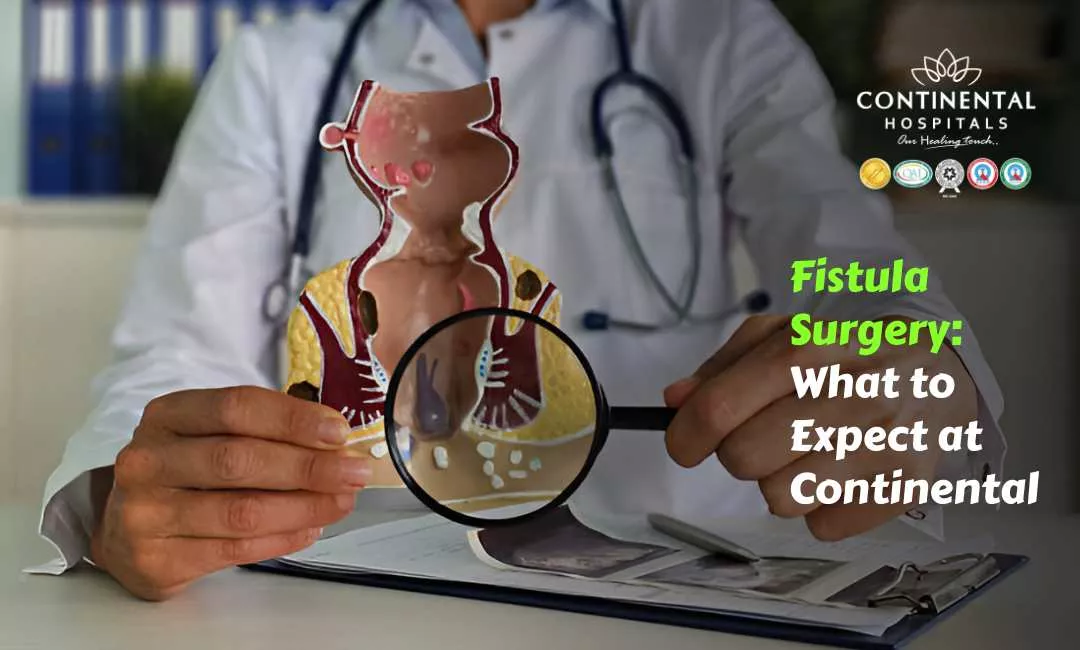
Fistula Surgery: What to Expect at Continental

Written by - Editorial Team
Medically Reviewed by - Dr Dhiraj Gopal Agrawal

Fistula surgery can sound intimidating, but knowing what to expect can make the process far less stressful. If you have been diagnosed with a fistula, you probably have many questions. What is a fistula? Why does it happen? How is it treated? And most importantly, how will surgery affect your life afterward?

What Is a Fistula?

A fistula is an abnormal connection between two parts of the body. The most common type is an anal fistula, which forms between the anal canal and the skin near the anus. Fistulas can cause pain, swelling, discharge, and recurrent infections. If left untreated, they can lead to complications and affect quality of life.

Fistula surgery is often the most effective way to treat the problem permanently. Medications and home remedies usually cannot close a fistula, which is why timely medical care is crucial.
Visit our gastroenterology specialist doctors at Continental Hospitals, Hyderabad, for advanced diagnosis and personalized surgical care.

When Should You See a Doctor?

If you have any of these symptoms, it’s time to consult a specialist:

  • Pain or swelling near the anus
  • Recurrent abscesses or infections
  • Discharge of pus or blood
  • Fever or general discomfort
  • Persistent irritation or itching

Early diagnosis helps avoid repeated infections and ensures a faster recovery after surgery.

What Are the Different Types of Fistula Surgery?

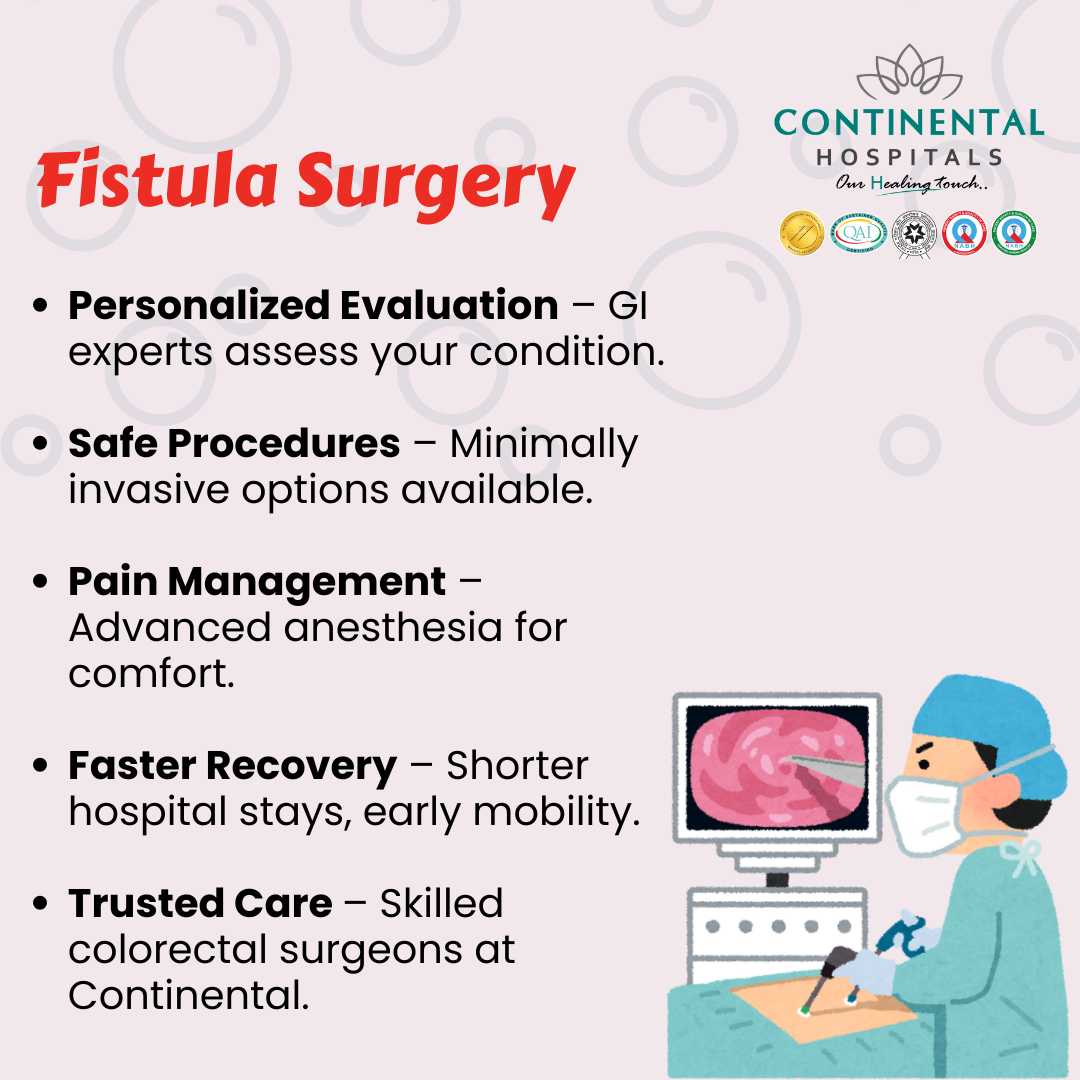
At Continental Hospitals, specialists use advanced techniques to make surgery safer and recovery smoother. The type of surgery depends on the location and complexity of the fistula.

Some common approaches include:

Second Opinion

  • Fistulotomy – The fistula tract is opened and allowed to heal naturally.
  • Seton placement – A thin medical thread is placed to help drain infection and slowly close the fistula.
  • LIFT procedure – The tract is tied and removed with minimal damage to surrounding tissues.
  • Advancement flap procedure – Healthy tissue is used to cover the internal opening.
  • Laser surgery for fistula – A minimally invasive option with faster healing and less pain.

Your surgeon will recommend the safest and most effective procedure for your condition.

How to Prepare for Fistula Surgery?

Preparation plays a big role in a smooth surgical experience. Here’s what usually happens:

  • Consultation – Your doctor will review your medical history, perform a physical exam, and may order imaging tests.
  • Pre-surgery tests – Blood tests, ECG, or scans might be done to ensure you are fit for anesthesia.
  • Dietary advice – You may be asked to fast for a few hours before surgery.
  • Medication review – Inform your doctor about all medications you take, including supplements.

Being prepared helps reduce anxiety and ensures a safer procedure.

What should I expect on the day of fistula surgery?

Most fistula surgeries are done under regional or general anesthesia, so you will not feel pain during the procedure. The surgery usually takes less than an hour, depending on complexity. After surgery, you will be shifted to a recovery room for monitoring.

Continental Hospitals follows strict infection control protocols and uses advanced surgical equipment to ensure patient safety.

What to expect before and after fistula surgery?

Recovery time depends on the type of surgery performed, but most patients can return home the same day or within 24 hours. Here is what to expect:

  • Mild pain or discomfort for a few days
  • Dressings that need to be changed regularly
  • Sitz baths (warm water baths) to keep the area clean
  • Soft diet and good hydration to prevent constipation
  • Follow-up visits to monitor healing

Most patients can return to routine activities within a week or two. Your doctor will guide you on when you can resume work, exercise, and other activities.

Need an Appointment?

What are the tips for faster healing after fistula surgery?

Follow these tips to speed up recovery and prevent recurrence:

  • Take medications as prescribed
  • Maintain good hygiene and keep the area dry
  • Eat a fiber-rich diet to avoid strain during bowel movements
  • Drink plenty of fluids
  • Attend all follow-up appointments

Why Choose Continental Hospitals for Fistula Surgery?

Continental Hospitals in Hyderabad is a NABH and JCI accredited hospital, which means it meets international standards for patient safety and quality care. Choosing an accredited hospital gives you confidence that every step, from diagnosis to recovery, is handled with precision.

Here is what sets Continental apart:

Experienced surgeons – Highly trained colorectal surgeons and gastroenterologists

Advanced technology – Modern operating rooms and minimally invasive surgical options

Comprehensive care – Preoperative counseling, post-operative follow-up, and patient education

Infection control – Internationally approved hygiene and sterilization practices

Patient-centered approach – Comfort, privacy, and quick recovery are top priorities

This combination of expertise and technology ensures the best possible outcomes for patients undergoing fistula surgery.

Conclusion

Fistula surgery is not something to fear. With the right medical care, it can provide permanent relief and significantly improve quality of life. Continental Hospitals offers world-class treatment with a team of specialists who focus on accurate diagnosis, safe surgery, and smooth recovery.

If you are experiencing symptoms of a fistula, don’t wait until it gets worse. Early treatment means faster healing and fewer complications.

Need expert care for fistula surgery? Book a consultation with our best gastroenterologist in hyderabad at Continental Hospitals, Hyderabad.

Frequently Asked Questions

Fistula surgery is a procedure performed to treat an abnormal tunnel that forms between the anal canal and the skin around the anus. Surgery is usually recommended because anal fistulas rarely heal on their own and can lead to repeated infections, pain, swelling, and discharge. The type of surgery depends on the location, size, and complexity of the fistula. Common procedures include fistulotomy, seton placement, advancement flap surgery, LIFT procedure, and minimally invasive techniques when appropriate. Your surgeon will carefully evaluate the fistula using clinical examination and advanced imaging before recommending the best treatment option. Early surgical intervention helps prevent complications, protects sphincter muscles whenever possible, and improves long-term healing outcomes.
Before your fistula surgery, you will undergo a detailed consultation with an experienced colorectal or gastrointestinal surgeon. Your medical history, previous surgeries, symptoms, and overall health will be reviewed thoroughly. Diagnostic tests such as MRI fistulogram, endoanal ultrasound, blood tests, or other investigations may be recommended to accurately identify the fistula tract. Your doctor will explain the available treatment options, possible risks, expected recovery, and answer all your questions. You will receive instructions regarding fasting, medications, bowel preparation if needed, and hospital admission. This careful planning helps ensure that the surgery is performed safely and with the most appropriate technique for your condition.
The surgical approach depends on whether the fistula is simple or complex and its relationship to the anal sphincter muscles. Surgeons at Continental Hospitals use advanced diagnostic techniques to plan the safest procedure. Depending on the case, treatment may include fistulotomy, LIFT procedure, seton placement, advancement flap repair, or other sphincter-preserving techniques. The procedure is performed under appropriate anesthesia to ensure patient comfort. The primary goal is to eliminate the fistula while preserving bowel control and reducing the risk of recurrence. Every treatment plan is individualized to achieve the best possible outcome with faster healing and minimal complications.
Most patients experience mild to moderate discomfort after fistula surgery rather than severe pain. Modern anesthesia techniques ensure that you remain comfortable during the procedure. After surgery, pain is effectively managed using prescribed medications, anti-inflammatory drugs, and supportive care. Warm sitz baths, proper wound care, and maintaining soft bowel movements further help reduce discomfort. Your healthcare team will provide detailed instructions on pain management and hygiene. Most patients notice gradual improvement within the first few days, and pain continues to decrease as healing progresses. Following postoperative advice closely contributes to a smoother recovery.
Recovery time varies depending on the complexity of the fistula and the surgical technique used. Many patients are able to resume light daily activities within a few days, while complete healing may take several weeks. More complex fistulas may require a longer recovery period and regular follow-up appointments. Your surgeon will monitor wound healing and advise when you can safely return to work, exercise, and other activities. Maintaining good hygiene, eating a fiber-rich diet, staying hydrated, and avoiding constipation are important for recovery. Following your doctor's instructions significantly improves healing and reduces the likelihood of complications.
Like any surgical procedure, fistula surgery carries certain risks, although serious complications are uncommon when performed by experienced surgeons. Possible risks include bleeding, infection, delayed wound healing, recurrence of the fistula, and temporary discomfort. In complex cases, protecting the anal sphincter muscles is an important priority to reduce the risk of bowel control problems. At Continental Hospitals, comprehensive preoperative assessment, advanced surgical techniques, and careful postoperative monitoring help minimize these risks. Patients are encouraged to attend scheduled follow-up visits so that healing can be assessed and any concerns can be addressed promptly.
Postoperative care plays a vital role in successful healing after fistula surgery. Patients are advised to keep the surgical area clean, take prescribed medications regularly, and follow wound care instructions carefully. Warm sitz baths several times a day can help relieve discomfort and promote healing. A high-fiber diet, adequate hydration, and stool softeners, if recommended, help prevent constipation and reduce strain during bowel movements. Avoiding heavy lifting and strenuous activities during the early recovery period is also important. Regular follow-up appointments allow your surgeon to monitor healing progress and provide additional guidance if needed.
Continental Hospitals offers comprehensive evaluation and advanced treatment for both simple and complex anal fistulas. Our experienced gastroenterologists and colorectal surgeons use modern diagnostic imaging and evidence-based surgical techniques to develop personalized treatment plans. The hospital is equipped with advanced operation theatres, experienced anesthesia teams, and dedicated postoperative care services to support safe treatment and recovery. Patients benefit from multidisciplinary care, individualized follow-up, and a strong focus on preserving normal bowel function while achieving complete healing. Our commitment to clinical excellence, patient safety, and compassionate care makes Continental Hospitals a trusted destination for fistula surgery.
Disclaimer: The information provided in this blog is intended for general knowledge and informational purposes only, and does not constitute medical advice. Always consult with a qualified healthcare professional for any medical concerns or before making any decisions about your health.

Get in Touch With Us

Whether you are from India or abroad, we are here to help you with your medical queries. Please fill out the form below and our team will connect with you shortly.

  • ✔ Quick response from our medical experts
  • ✔ Secure data handling & privacy
  • ✔ Easy upload for reports & documents
banner_image

Chat with our medical experts on WhatsApp for quick assistance and hassle-free appointment booking

Recent Posts