.webp)

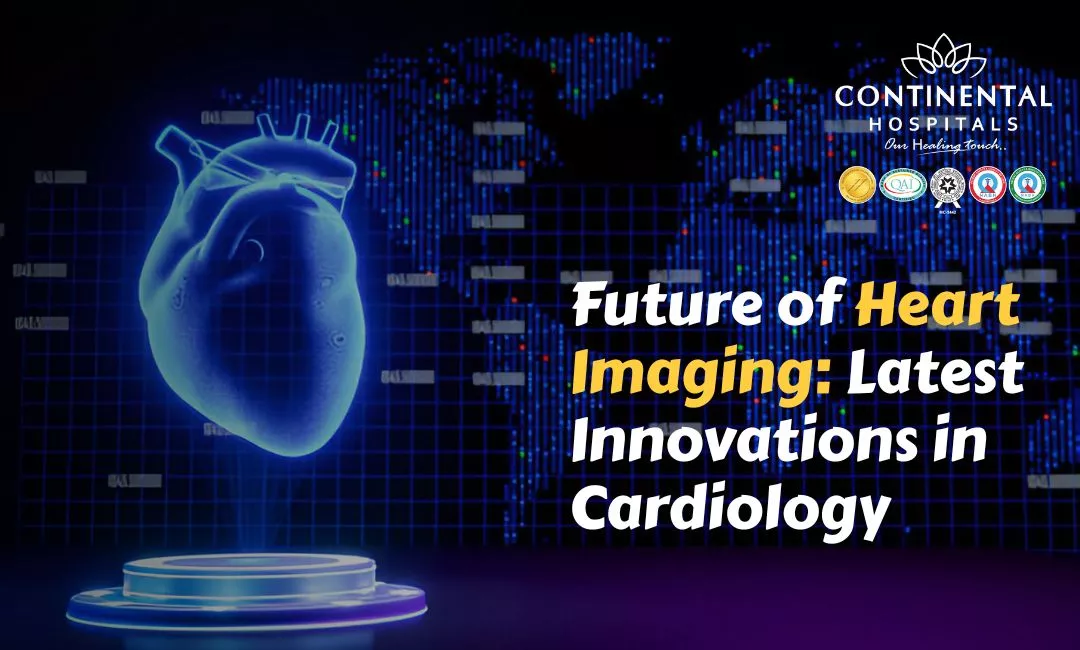
Cardiology is a field that has made tremendous strides in the past few decades, especially in the realm of heart imaging. Heart imaging plays a critical role in diagnosing and managing cardiovascular diseases. With new technologies continuously emerging, the future of heart imaging looks brighter than ever. These advancements are not only enhancing the accuracy of diagnoses but also enabling cardiologists to detect heart conditions earlier, leading to better patient outcomes. Our team of top cardiologists in Hyderabad and best heart doctors in Hyderabad is dedicated to delivering expert care for all types of heart conditions.
Why Is Heart Imaging Important for Heart Health?
Heart diseases, including coronary artery disease, heart failure, and arrhythmias, are some of the most common health issues affecting people globally. Early detection of these conditions can make a huge difference in treatment outcomes. Heart imaging technologies have been a game-changer, allowing cardiologists to visualize the heart's structure and function in detail. By doing so, they can accurately diagnose conditions, assess the severity of diseases, and track the progress of treatment.
What Are the Latest Advances in Heart Imaging Technology?
1. 3D Echocardiography
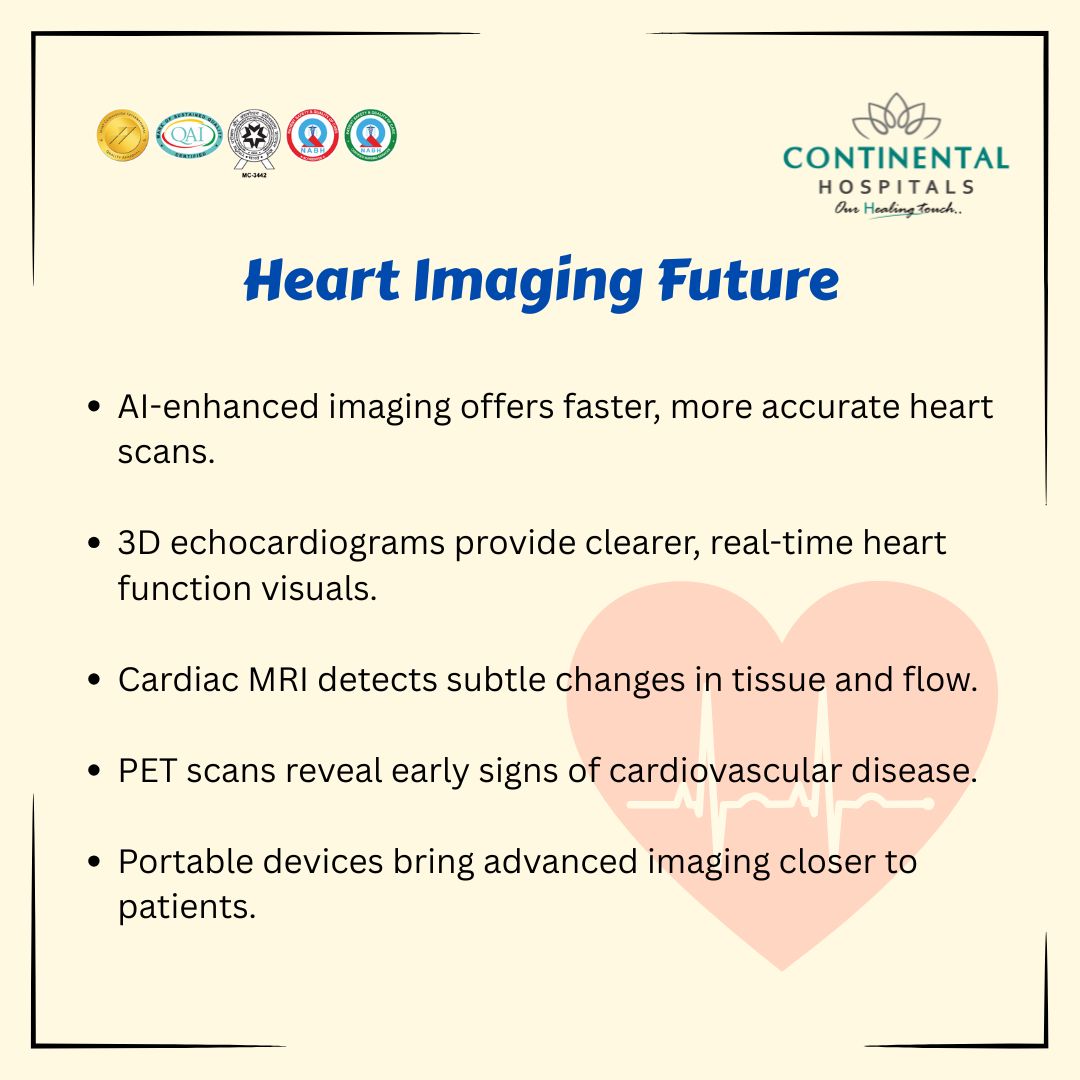
One of the most significant advancements in heart imaging is the introduction of 3D echocardiography. Traditional echocardiograms provide only a 2D image of the heart, but with 3D technology, doctors can view the heart in three dimensions, giving them a more detailed and accurate picture. This is especially useful for assessing the heart valves, chambers, and blood flow. With 3D echocardiography, cardiologists can plan interventions like heart valve repairs and surgeries more effectively.
2. Cardiac MRI (Magnetic Resonance Imaging)
Cardiac MRI is another technology that has revolutionized heart imaging. It uses magnetic fields and radio waves to create detailed images of the heart, allowing doctors to evaluate heart structure, function, and blood flow. MRI is particularly valuable for assessing patients with heart failure, cardiomyopathies, and congenital heart defects. The latest MRI technology provides even higher resolution images, giving cardiologists an in-depth understanding of the heart’s condition. It’s non-invasive and has no radiation, making it a safe option for patients.
3. CT Angiography (CTA)
CT angiography is an advanced imaging technique that allows cardiologists to view the coronary arteries in great detail. This technology is particularly useful in detecting blockages or narrowing in the arteries that supply blood to the heart. Unlike traditional coronary angiograms, which require a catheter to be inserted into the body, CTA is non-invasive and involves a simple contrast dye injected into the bloodstream. The latest improvements in CTA technology, such as the use of ultra-high-resolution scanners, have made it even more effective at detecting early signs of coronary artery disease.
4. Artificial Intelligence (AI) in Cardiology
Artificial intelligence is playing an increasingly important role in heart imaging. AI-powered algorithms can analyze vast amounts of imaging data much faster than human doctors can. This technology can help cardiologists identify subtle patterns that might otherwise go unnoticed, enabling early detection of conditions like arrhythmias or heart disease. AI also assists in automating routine tasks, freeing up doctors’ time to focus on more complex aspects of patient care. As AI continues to evolve, its ability to enhance heart imaging will only improve.
5. Positron Emission Tomography (PET) Scans
PET scans are a valuable tool in assessing heart health, particularly in patients with coronary artery disease. This imaging technique uses a small amount of radioactive material to create detailed images of the heart’s blood flow and metabolism. PET scans can help detect areas of the heart that are at risk of damage, allowing for earlier intervention and better management of cardiovascular disease. The latest innovations in PET technology have made it even more precise and effective at diagnosing heart disease.
How Is Advanced Heart Imaging Improving Patient Care?
The latest innovations in heart imaging have transformed the way cardiologists diagnose and treat heart conditions. Here’s how these technologies are improving patient care:

Early Detection: Many heart diseases develop slowly over time, and symptoms may not appear until the disease is advanced. With advanced imaging technologies, cardiologists can detect issues early, even before symptoms arise. This means patients can begin treatment sooner, which leads to better outcomes.
Personalized Treatment: Heart imaging provides cardiologists with detailed information about a patient’s heart, enabling them to create personalized treatment plans. For instance, with 3D echocardiography or MRI, doctors can pinpoint exactly where a problem exists, such as a faulty heart valve or blocked artery. This allows for more targeted interventions and minimally invasive procedures.
Improved Accuracy: Innovations like AI-powered analysis and high-resolution imaging have greatly improved the accuracy of heart imaging. These technologies can detect subtle changes in the heart’s structure or function that might have been missed with traditional methods, reducing the risk of misdiagnosis.
Less Invasive Procedures: With non-invasive imaging techniques like CT angiography and cardiac MRI, patients no longer have to undergo invasive procedures like catheterization to diagnose heart conditions. This reduces recovery times, minimizes complications, and makes the entire process more comfortable for patients.
Monitoring Disease Progression: Heart imaging allows cardiologists to monitor how a patient’s heart disease is progressing over time. This is particularly important for chronic conditions like heart failure, where regular imaging can help doctors adjust treatment plans to prevent further deterioration.
Why Choose Continental Hospitals?
At Continental Hospitals, we are committed to providing the best healthcare services using the latest medical technologies. Our cardiology department is equipped with state-of-the-art heart imaging tools, including 3D echocardiography, cardiac MRI, and CT angiography, all aimed at delivering precise diagnoses and personalized care.
Our team of experienced cardiologists and healthcare professionals is dedicated to ensuring that you receive comprehensive care for your heart health. From early detection to cutting-edge treatments, we provide a full range of services to help you manage and overcome heart disease. Whether you're undergoing a routine check-up or seeking advanced treatment options, you can trust Continental Hospitals to deliver the best care for your heart.
Conclusion
The future of heart imaging is incredibly promising, with new technologies continuously reshaping how we diagnose and treat heart disease. From 3D echocardiography to AI-powered analysis, these innovations are improving patient outcomes and making heart care more precise, less invasive, and more effective. At Continental Hospitals, we are proud to be at the forefront of these advancements, offering our patients the best in heart health care.
If you're experiencing symptoms, don't wait—contact our healthcare team at Continental Hospitals today. Visit the best cardiologist in Hyderabad.