post-title

Gut Issues During Rain: Typhoid & Gastroenteritis

Written by - Editorial Team
Medically Reviewed by - Dr Dhiraj Gopal Agrawal

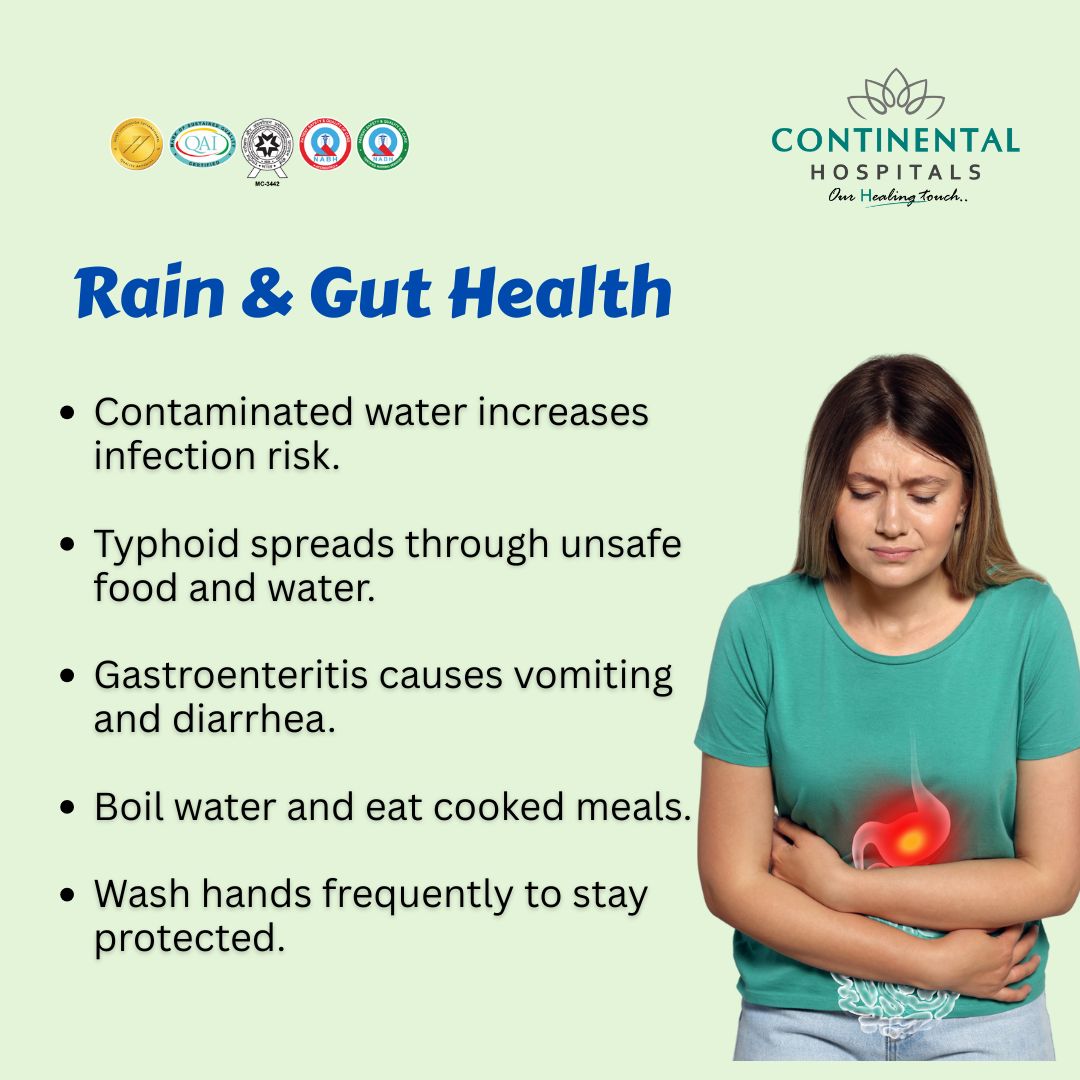
Monsoons bring much-needed relief from the scorching summer, but they also bring a surge in infections, especially those related to the gut. With waterlogging, contaminated food, and unhygienic conditions becoming common during the rainy season, diseases like typhoid and gastroenteritis are on the rise in India. Understanding the symptoms, causes, and prevention strategies can help protect your digestive health this monsoon.

Why do gut problems increase during the rainy season?

The rainy season creates an ideal environment for the growth and spread of bacteria, viruses, and parasites that cause waterborne diseases in India. Stagnant water and poor sanitation make it easier for germs to enter food and drinking water. When consumed, they can wreak havoc on your digestive system.

Some of the most common gut issues during rain include:

  • Typhoid fever
  • Gastroenteritis
  • Food poisoning
  • Diarrhea and vomiting
  • Stomach infections
  • Indigestion and bloating

What Is Typhoid?

Typhoid is a bacterial infection caused by Salmonella typhi. It spreads through contaminated water or food, making it more common during the rainy season when hygiene standards often drop.

Typhoid Signs to Watch For:

  • Persistent high fever
  • Weakness and fatigue
  • Abdominal pain
  • Loss of appetite
  • Headache
  • Diarrhea or constipation
  • Rash in some cases

The symptoms usually appear 6–30 days after exposure. If left untreated, typhoid can lead to serious complications such as intestinal bleeding or perforation.

Don't ignore persistent stomach pain, diarrhea, vomiting, or fever this monsoon. Visit our gastroenterology specialist doctors for timely care from experienced specialists and a faster recovery.

What Is Gastroenteritis?

Gastroenteritis is commonly known as stomach flu or intestinal infection. It can be viral, bacterial, or parasitic. Contaminated food and water are the primary sources of infection.

Second Opinion

Gastroenteritis Symptoms:

  • Nausea and vomiting
  • Watery diarrhea
  • Stomach cramps
  • Low-grade fever
  • Dehydration
  • Fatigue

Gastroenteritis often resolves on its own with proper hydration and rest, but severe cases need medical attention—especially in young children, older adults, or those with weakened immunity.

Why Are These Infections Common in Monsoon?

Contaminated Water: During heavy rains, water pipelines may get contaminated with sewage. Clean drinking water in India becomes difficult to access in many regions, increasing the risk of stomach infections during rain.

Street Food & Improper Hygiene: Eating outside, especially from roadside vendors, poses a greater risk during the rainy season. Improper food storage and handling lead to food poisoning in monsoon.

Unclean Hands: Washing hands before meals is often neglected. Dirty hands can carry bacteria and viruses that trigger gut infections during monsoon.

Weak Gut Health: Humidity and moisture can alter your gut microbiome. A weakened digestive system struggles to fight off infections during this time.

What Are the Rainy Season Digestive Problems You Shouldn't Ignore?

Even minor digestive discomfort can become serious if ignored during the monsoon. Watch out for:

Need an Appointment?

  • Frequent loose stools
  • Severe stomach pain
  • Dehydration signs (dry mouth, dizziness, less urine)
  • Blood in vomit or stools
  • Persistent fever

These could be signs of typhoid, gastroenteritis, or other rainy season digestive problems that require immediate care.

What Are the Best Monsoon Hygiene Tips to Prevent Gut Infections?

You can prevent most gut health issues in rainy weather by following a few simple habits:

1. Drink Only Safe Water
Use filtered, boiled, or bottled water. Avoid drinking from roadside stalls. Carry your own water bottle whenever you step out.

2. Eat Fresh and Cooked Food
Avoid raw salads and cut fruits sold outside. Cook food thoroughly and consume it while it's still hot.

3. Wash Hands Frequently
Always wash hands with soap before eating or preparing meals, after using the toilet, or returning from outside.

4. Maintain Kitchen Hygiene
Ensure your kitchen surfaces, utensils, and storage containers are clean and dry to prevent bacterial growth.

5. Avoid Street Food
Tempting as it may be, monsoon is not the time to indulge in roadside snacks. They are high-risk during this season.

6. Store Food Properly
Refrigerate leftovers quickly. Discard food that looks or smells off, even if just slightly.

How Can You Prevent Typhoid During the Rainy Season?

Typhoid can be prevented with the right hygiene and food habits. Here are some typhoid prevention tips:

  • Get vaccinated if you're in a high-risk area
  • Avoid raw milk, undercooked meats, and unpeeled fruits
  • Use separate cutting boards for meat and vegetables

Keep your immunity strong with balanced meals and adequate rest

When Should You See a Doctor for Typhoid or Gastroenteritis?

If symptoms like high fever, abdominal pain, or diarrhea last more than two days, or if vomiting leads to dehydration, consult a doctor immediately. Early diagnosis and treatment can prevent complications and speed up recovery.

Why Choose Continental Hospitals, Hyderabad?

At Continental Hospitals, we understand the urgency and discomfort that gut infections during monsoon can cause. With expert care, advanced diagnostics, and hygienic facilities, our team is equipped to handle all types of monsoon-related digestive problems.

Here's what sets us apart:

  • Experienced gastroenterologists and infectious disease specialists
  • 24x7 emergency care and diagnostics
  • Strict infection control practices
  • Personalized treatment plans for quick recovery
  • Patient-first approach and clean environment

Conclusion

Monsoon is a season of beauty, but it comes with hidden health threats. Digestive issues like typhoid and gastroenteritis are common but preventable. By following proper hygiene, safe eating habits, and timely medical consultation, you can protect your gut and enjoy the season without worry.

If you're suffering from typhoid, gastroenteritis, or any monsoon gut issues, consult our best gastroenterologist in hyderabad at Continental Hospitals, Hyderabad today. Our specialists provide accurate diagnosis, effective treatment, and personalized care to help you recover faster and stay healthy throughout the season.

Related Blogs:

Typhoid Prevention Tips During Monsoons

Frequently Asked Questions

The rainy season increases the risk of several gastrointestinal infections because contaminated food and water become more common. The most frequently seen illnesses include typhoid fever, gastroenteritis, food poisoning, cholera, viral diarrhea, and amoebic dysentery. Warm and humid weather promotes the growth of bacteria, viruses, and parasites. Drinking untreated water or eating food from unhygienic sources significantly raises the risk of infection. Poor hand hygiene also contributes to the spread of disease. Symptoms usually include diarrhea, vomiting, abdominal pain, fever, nausea, dehydration, and weakness. While some infections are mild and resolve with treatment, others may require hospitalization. Early diagnosis and prompt medical care help prevent serious complications and speed up recovery.
Although both conditions affect the digestive system, their symptoms and causes differ. Typhoid is a bacterial infection caused by Salmonella Typhi and usually presents with prolonged high fever, headache, weakness, abdominal discomfort, loss of appetite, and constipation or diarrhea. Gastroenteritis is commonly caused by viruses, bacteria, or parasites and typically begins suddenly with diarrhea, vomiting, stomach cramps, nausea, and mild to moderate fever. Gastroenteritis symptoms usually improve within a few days, whereas typhoid symptoms persist and gradually worsen without treatment. Blood tests, stool tests, and clinical evaluation help distinguish between these illnesses. Consulting a doctor early ensures the correct diagnosis and appropriate treatment.
Rainwater can contaminate drinking water supplies and food, making gastrointestinal infections more common during the monsoon. Typhoid spreads through food or water contaminated with Salmonella Typhi bacteria from infected individuals. Gastroenteritis may result from bacteria such as E. coli, Salmonella, or Campylobacter, viruses like norovirus or rotavirus, or intestinal parasites. Eating uncovered street food, consuming raw vegetables washed in contaminated water, drinking untreated water, and poor personal hygiene significantly increase infection risk. Flooding and poor sanitation further contribute to disease transmission. Practicing safe food handling and maintaining good hygiene are the most effective ways to reduce the risk.
Medical attention should be sought if diarrhea or vomiting lasts longer than two days in adults or one day in young children. Persistent high fever, severe abdominal pain, blood in stools, repeated vomiting, inability to drink fluids, dizziness, confusion, reduced urination, or signs of dehydration require immediate medical evaluation. Elderly individuals, pregnant women, and people with weakened immune systems should seek treatment early because they are at higher risk of complications. Delaying care can lead to severe dehydration or worsening infection. Early diagnosis helps identify the underlying cause and ensures timely treatment with appropriate medications and fluid replacement.
Doctors diagnose these illnesses by reviewing symptoms, medical history, recent travel, dietary habits, and performing a physical examination. Laboratory investigations help confirm the diagnosis. Blood cultures remain the gold standard for diagnosing typhoid, while additional blood tests and stool tests may also be recommended. For gastroenteritis, stool analysis can identify bacteria, viruses, or parasites responsible for the infection. Blood tests may evaluate dehydration, inflammation, or electrolyte imbalance. In severe or prolonged cases, imaging or additional investigations may be necessary. Accurate diagnosis allows doctors to prescribe the most effective treatment while avoiding unnecessary medications.
Treatment depends on the underlying cause and severity of the illness. Typhoid requires appropriate antibiotics prescribed by a doctor based on clinical assessment and local antibiotic resistance patterns. Gastroenteritis treatment mainly focuses on preventing dehydration through oral rehydration solutions, adequate fluid intake, and electrolyte replacement. Some bacterial infections may require antibiotics, while viral gastroenteritis usually improves with supportive care. Patients are advised to consume easily digestible foods, avoid oily or spicy meals, and rest adequately. Severe dehydration or persistent vomiting may require hospitalization for intravenous fluids and close monitoring until recovery.
Preventing monsoon-related gut infections begins with maintaining excellent hygiene and consuming safe food and water. Drink only boiled, filtered, or bottled water from reliable sources. Wash hands thoroughly with soap before eating and after using the restroom. Avoid raw salads, cut fruits from street vendors, and undercooked foods. Eat freshly prepared hot meals instead of food left uncovered for long periods. Wash fruits and vegetables thoroughly before consumption. Keep kitchens and food preparation areas clean. Vaccination against typhoid may be recommended for individuals at increased risk. These preventive measures significantly reduce the likelihood of gastrointestinal infections.
Yes. Without timely treatment, both conditions can lead to potentially serious complications. Untreated typhoid may cause intestinal bleeding, intestinal perforation, bloodstream infection, and involvement of multiple organs. Severe gastroenteritis can result in significant dehydration, electrolyte imbalance, kidney problems, and shock, particularly in children, older adults, and individuals with chronic illnesses. Persistent vomiting and diarrhea rapidly increase the risk of fluid loss. Early medical evaluation, accurate diagnosis, adequate hydration, and appropriate treatment greatly reduce complications and promote faster recovery. Seeking medical attention promptly is essential whenever symptoms are severe, persistent, or accompanied by high fever or dehydration.
Disclaimer: The information provided in this blog is intended for general knowledge and informational purposes only, and does not constitute medical advice. Always consult with a qualified healthcare professional for any medical concerns or before making any decisions about your health.

Get in Touch With Us

Whether you are from India or abroad, we are here to help you with your medical queries. Please fill out the form below and our team will connect with you shortly.

  • ✔ Quick response from our medical experts
  • ✔ Secure data handling & privacy
  • ✔ Easy upload for reports & documents
banner_image

Chat with our medical experts on WhatsApp for quick assistance and hassle-free appointment booking

Recent Posts