post-title

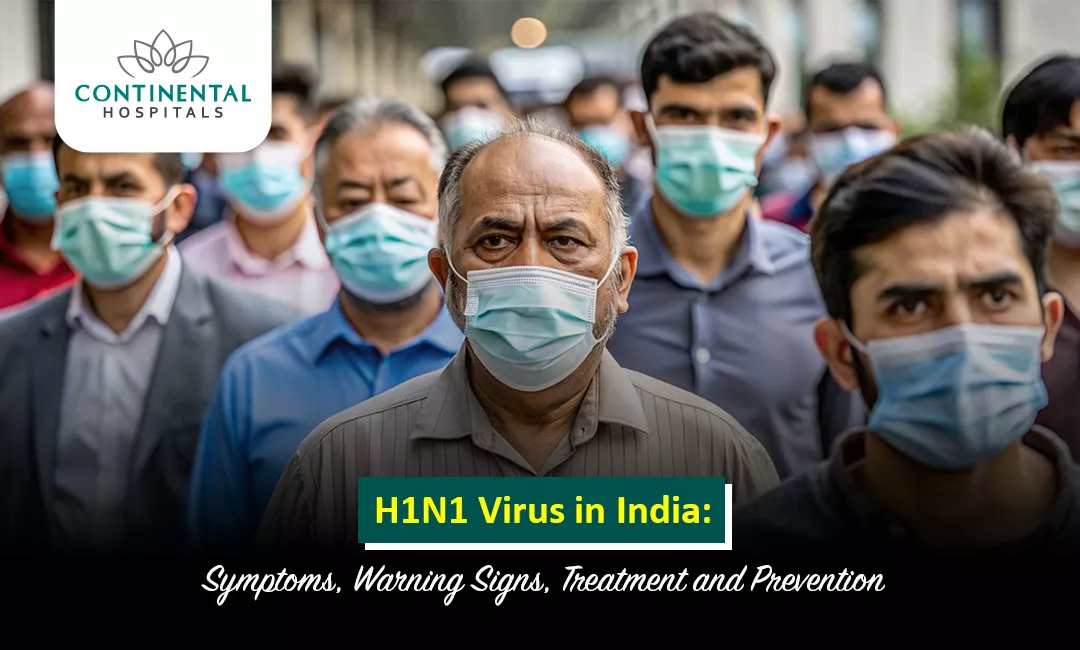
H1N1 Virus in India: Symptoms, Warning Signs, Treatment and Prevention

Written by - Editorial Team
Medically Reviewed by - Dr Jagadeesh Kanukuntla

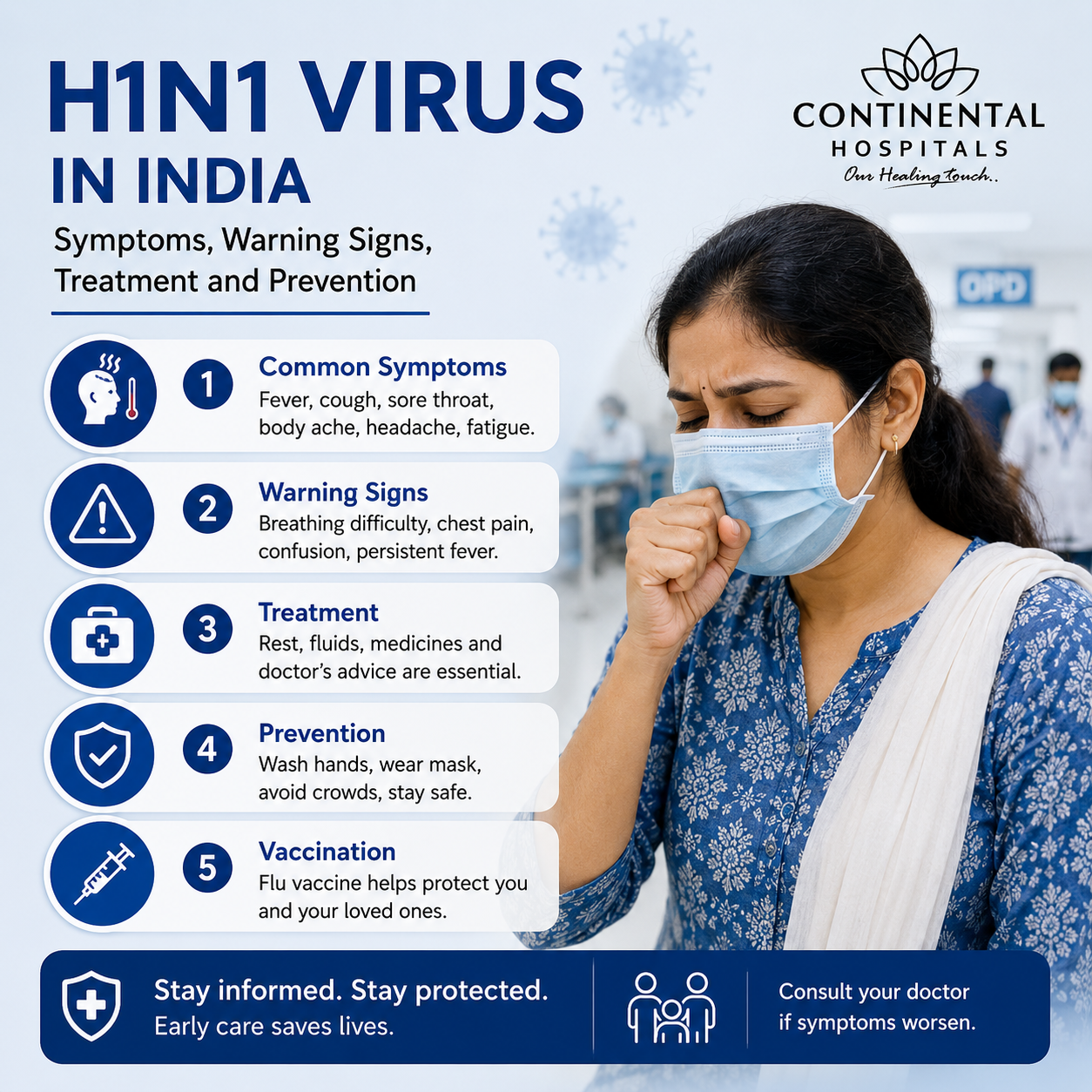
H1N1 virus is a type of influenza A virus that causes respiratory infection. Its common name is swine flu, and people do not get seasonal H1N1 simply by eating pork, even if it is eaten properly cooked and handled. The infection can be transferred from person to person; it is usually through coughing, sneezing, or talking of an infected person that it spreads through respiratory droplets.

Why do we need awareness about the H1N1 virus in India? Influenza can be present all year round in tropical countries, with symptoms ranging from mild to severe respiratory infection. Most people recover with satisfactory care, but older adults, young children, pregnant women, and persons with certain chronic illnesses might be at higher risk of developing serious illness.

What are the common H1N1 symptoms?

How can people recognize H1N1 symptoms?

They might resemble other forms of influenza and respiratory illnesses, but common symptoms include:

  • Sudden onset of fever or feeling feverish
  • Dry or persistent cough
  • Sore throat
  • Runny or blocked nose
  • Headache
  • Sores or aches in muscle or joint
  • Chills
  • Tiredness or weakness
  • Reduced appetite
  • In some cases, vomiting or diarrhoea, which is more likely to occur in children

How quickly can symptoms develop? Symptoms of influenza typically start about 1 to 4 days after infection. Most people get better after about a week, although cough and tiredness can last longer.

Visit the Internal Medicine Department at Continental Hospitals, Hyderabad, for proper evaluation, testing, and treatment by experienced internal medicine specialists.

When Can H1N1 Virus Symptoms Become a Warning Sign?

When should one pay close attention to H1N1 symptoms? Some people develop complications, including pneumonia or worsening respiratory illness. A medical evaluation is recommended if symptoms are severe or continuing to range.

What are the warning signs to be mindful of?

  • Shortness of breath or difficulty breathing
  • Chest pain or pressure
  • Ongoing or worsening high fever
  • Serious weakness or confusion
  • Lips or face turning bluish
  • Difficulty staying awake
  • Imbalance or unsteady
  • Difficulty or dehydration that cannot take in fluids enough 
  • A symptom that gets better and then gets worse

Who needs to seek medical advice early? Pregnant women, young children, older adults, and people with chronic heart, lung, kidney, liver, or metabolic conditions or weakened immunity may have a higher risk of complications.

Second Opinion

How is the H1N1 virus diagnosed?

How do doctors identify H1N1 virus infection? A doctor typically starts with your symptoms, medical history, and physical examination. Depending on the clinical scenario, influenza testing may be suggested.

Does every fever or cough mean H1N1? No. Fever, cough, and body aches can be seen with several respiratory infections. Testing and clinical assessment can help determine whether influenza is likely and whether further treatment is needed

What Is H1N1 Treatment?

What is H1N1 treatment? Treatment depends on how ill the person is and on the person’s risk factors.

For mild cases, treatment may be supportive care, such as:

  • Getting enough rest
  • Drinking enough fluids
  • Treating fever and discomfort as directed by a doctor
  • Avoiding close contact with others while ill
  • Following a doctor’s instructions about when to go to work, school, or other activities

When are antivirals used? People who are at higher risk of developing severe influenza or who have more severe symptoms may need antiviral treatment. Antiviral medicines are most effective when started early, so people who are at higher risk should seek medical advice early if influenza symptoms develop, rather than waiting for their symptoms to become more severe.

Should you take antibiotics for H1N1? Antibiotics do not treat viral infections. They may be used when a doctor suspects a bacterial infection or a complication of H1N1 infection that can be treated with antibiotics.

Need an Appointment?

How can you protect yourself against infection with the H1N1 virus?

What are the most effective ways to reduce your risk of H1N1 virus infection?

  • Take the seasonal influenza vaccine if a healthcare provider recommends it.
  • Wash your hands regularly with soap and water.
  • If you cough or sneeze, cover your mouth and nose.
  • Avoid close contact with people who are sick.
  • Avoid touching your eyes, nose, and mouth with your hands, especially if they are unwashed.
  • Stay at home if you are unwell.
  • Ventilate well in crowded indoor spaces.
  • Follow respiratory hygiene and mask advice when appropriate.

Why is vaccination the best way to reduce your risk of infection and severe complications from influenza?

Vaccination against influenza is the most effective way to reduce your risk of infection and serious complications. Because protection against influenza and the circulating viruses can wane over time, a person may need to have an annual flu vaccination.

Is H1N1 Virus Dangerous for All?

Is H1N1 always a serious infection? Nope. Some people experience mild infections and recover without any significant problems. But this is not true for everyone.

Who's our prime focus?

  •  Pregnant women
  • Children, especially young ones
  •  Elderly people
  •  People with chronic respiratory or heart disease
  •  People with certain metabolic or other chronic illnesses
  •  People with reduced immunity

Early medical assessment might help identify anyone who might need a more customized medical approach and closer monitoring or antiviral therapy.

Why choose Continental Hospitals for H1N1 and Respiratory Care?

Why should you choose Continental Hospitals for your medical assessment of flu or respiratory symptoms? Continental Hospitals, Hyderabad, provides multispecialty, tertiary, and quaternary healthcare delivery services with an advanced diagnostic facility and specialist team of medical professionals. Continental Hospitals is accredited by the National Accreditation Board for Hospitals & Healthcare Providers (NABH) and Joint Commission International (JCI).

What do these accreditations mean for patients? Both NABH and JCI accreditations reflect the structured standards for healthcare processes, patient safety, and delivery of great quality healthcare. Continental Hospitals also has advanced critical care facilities and a dedicated emergency care plan, helpful if respiratory infections become severe.

When should you see a doctor? If you have a persistent fever, severe cough, difficulty breathing, chest pain, severe weakness, or any other concerning symptoms, a medical evaluation is recommended. Those in high-risk groups should consider contacting a doctor early after developing flu-like symptoms.

If you are feeling symptoms of the H1N1 virus or have concerns about needing to be evaluated for a respiratory infection, consult our best internal medicine specialist in Hyderabad at Continental Hospitals, Hyderabad, for proper evaluation, testing, and treatment.

Conclusion

The H1N1 virus can cause a range of illnesses, including fever, cough, and body aches, as well as more serious respiratory illness in some people. Recognizing common H1N1 virus symptoms, recognizing warning signs, and seeking timely medical care can help prevent complications. Good hand hygiene, respiratory precautions, staying home when sick, and appropriate influenza vaccination can also help minimize your risk and that of those around you.

If you are experiencing severe symptoms, worsening symptoms, or any symptoms that affect your breathing, do not wait to seek medical care. Prompt evaluation will help determine the H1N1 treatment and supportive care you may need.

Frequently Asked Questions

H1N1 is a type of influenza A virus that causes respiratory infection. It is commonly known as swine flu. H1N1 can spread from one person to another through respiratory particles. It may spread when an infected person coughs, sneezes, talks, or breathes. Symptoms can appear suddenly after infection. Common symptoms include fever, cough, sore throat, and body aches. Headache, chills, tiredness, and weakness may also occur. Some people may experience a runny or blocked nose. Children may sometimes develop vomiting or diarrhoea with influenza. Most otherwise healthy people recover with appropriate supportive care. However, influenza can sometimes lead to serious complications. Older adults, young children, pregnant women, and people with certain medical conditions may be at higher risk. Early medical advice is important when symptoms become severe or worsen.
H1N1 commonly causes symptoms similar to other types of influenza. Fever is one of the most common symptoms. A dry or persistent cough may develop soon after the illness begins. Sore throat and a runny or blocked nose can also occur. Many people experience muscle aches and body pain. Headache and chills are also commonly reported. Marked tiredness or weakness may make normal activities difficult. Some children may develop vomiting or diarrhoea. Symptoms often begin suddenly rather than gradually. The cough can sometimes continue even after fever improves. Most people recover from uncomplicated influenza within about a week. However, symptoms can become more severe in people at higher risk. Breathing difficulty, chest pain, or worsening weakness requires prompt medical attention.
H1N1 spreads mainly through respiratory particles from an infected person. The virus can spread when someone coughs or sneezes. Talking and breathing can also release infectious respiratory particles. Being close to an infected person can increase the chance of transmission. Crowded and poorly ventilated indoor spaces may increase exposure. People can also spread influenza before they fully realise they are sick. Touching contaminated surfaces and then touching the face may contribute to transmission. Regular hand hygiene can help reduce this risk. Covering the mouth and nose when coughing or sneezing is important. People with flu symptoms should avoid close contact with others when possible. Improving ventilation can also help reduce exposure indoors. Masks may provide additional protection in crowded or high-risk settings. These measures are particularly useful during periods of increased influenza activity.
H1N1 can become dangerous when influenza causes serious respiratory or other complications. Breathing difficulty is an important warning sign that should not be ignored. Chest pain or persistent pressure in the chest needs urgent medical assessment. Severe weakness, confusion, or unusual drowsiness can also be concerning. Bluish or greyish lips or face may indicate inadequate oxygen levels. Persistent or worsening fever may require medical evaluation. Severe dehydration can occur when a person cannot drink enough fluids. People with chronic medical conditions may have a higher risk of complications. Pregnant women and older adults are also considered higher-risk groups. Young children, particularly very young children, may become seriously ill. Complications can include pneumonia and worsening of existing medical conditions. Seek urgent medical care if symptoms suddenly become severe or worsen after improvement. Early assessment can help identify complications and guide appropriate treatment.
Treatment for H1N1 depends on the person's symptoms and risk of complications. Most people with mild influenza recover with supportive care at home. Adequate rest can help the body recover from the infection. Drinking enough fluids helps prevent dehydration. Fever and body aches may be managed with appropriate medicines recommended by a doctor. Antiviral medicines may be recommended for people at higher risk of complications. They may also be used when influenza is severe or worsening. Antiviral treatment works best when started early, ideally within the first 48 hours. A doctor may recommend testing depending on symptoms and clinical circumstances. Antibiotics do not treat H1N1 because influenza is caused by a virus. Antibiotics may only be required if a doctor identifies a bacterial complication. People with severe symptoms may need hospital-based monitoring and supportive treatment. Do not start antiviral or antibiotic medicines without appropriate medical advice.
H1N1 can affect people of all ages, but some groups have a higher risk of severe illness. Young children are more vulnerable to influenza complications. Adults aged 65 years and older also have increased risk. Pregnant women can develop more serious influenza-related illness. People with asthma or other chronic lung conditions may be at higher risk. Individuals with certain heart conditions may also face increased complications. People with diabetes can be more vulnerable to severe influenza. Those with weakened immune systems may have a higher risk of complications. People receiving certain cancer treatments may also require closer monitoring. Other chronic medical conditions can increase the risk of severe disease. Healthcare workers may have increased exposure to influenza viruses. Higher-risk individuals should contact a healthcare professional early after symptoms develop. Early evaluation can help determine whether antiviral treatment or closer monitoring is needed.
Annual seasonal influenza vaccination is an important way to reduce the risk of influenza. Vaccination can also reduce the likelihood of severe illness and complications. WHO recommends vaccination particularly for people at higher risk of severe influenza. Wash your hands regularly with soap and water. Use an alcohol-based hand sanitiser when soap and water are unavailable. Avoid touching your eyes, nose, and mouth with unwashed hands. Cover your mouth and nose when coughing or sneezing. Avoid close contact with people who are unwell whenever possible. Stay home when you have influenza symptoms unless medical care is needed. Improve ventilation by opening windows or increasing fresh-air circulation. Avoid crowded, poorly ventilated indoor spaces during periods of increased transmission. A well-fitting mask can provide additional protection in some crowded settings. Combining vaccination and everyday hygiene measures provides better protection than relying on one measure alone.
You should seek medical advice if influenza symptoms are severe, persistent, or getting worse. People in high-risk groups should contact a doctor early after symptoms begin. This includes young children, older adults, and pregnant women. People with chronic medical conditions should also seek advice early. Breathing difficulty is an important reason to seek urgent medical attention. Chest pain or persistent chest pressure should not be ignored. Confusion, severe weakness, or unusual sleepiness can be warning signs. Signs of dehydration, such as very little urination, may require medical attention. A fever or cough that improves and then becomes worse should also be assessed. Severe or rapidly worsening symptoms may require emergency care. Antiviral medicines may provide the greatest benefit when started early. A healthcare professional can decide whether testing or antiviral treatment is appropriate. Do not delay medical care if you feel your condition is becoming significantly worse.
Disclaimer: The information provided in this blog is intended for general knowledge and informational purposes only, and does not constitute medical advice. Always consult with a qualified healthcare professional for any medical concerns or before making any decisions about your health.

Get in Touch With Us

Whether you are from India or abroad, we are here to help you with your medical queries. Please fill out the form below and our team will connect with you shortly.

  • ✔ Quick response from our medical experts
  • ✔ Secure data handling & privacy
  • ✔ Easy upload for reports & documents
banner_image

Chat with our medical experts on WhatsApp for quick assistance and hassle-free appointment booking

Recent Posts