post-title

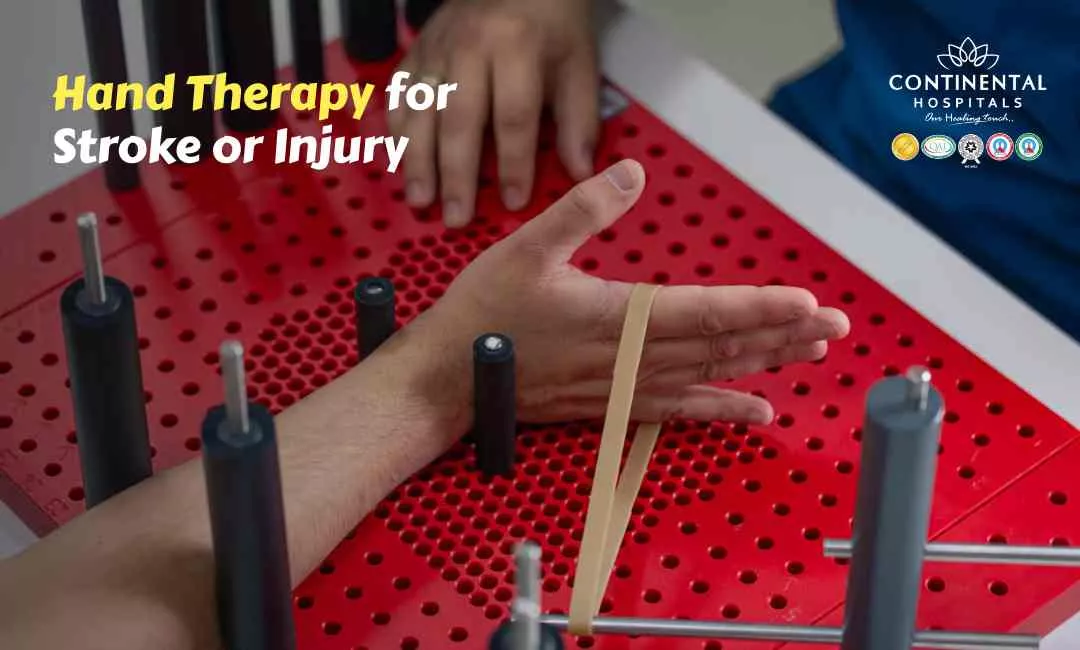
Hand Therapy for Stroke or Injury

Written by - Editorial Team
Medically Reviewed by - Mr. Sourabha Mandal

Loss of hand movement after a stroke or injury can feel frustrating and limiting. Simple actions like holding a spoon, buttoning a shirt, writing, or using a phone may suddenly become difficult. Hand therapy plays a critical role in restoring movement, strength, coordination, and confidence. With the right rehabilitation approach, many patients can regain meaningful hand function and return to daily activities.

What Is Hand Therapy?

Hand therapy is a specialized form of rehabilitation focused on improving function of the hand, wrist, and forearm. It is commonly recommended after stroke, nerve injury, fractures, tendon injuries, or surgery. The goal is not just movement, but functional recovery. This means helping the patient use their hand effectively in real life tasks.

Hand therapy is usually provided by trained occupational therapists or physiotherapists with expertise in neurological and musculoskeletal rehabilitation.
Why Hand Function Is Affected After Stroke or Injury?

The hand is one of the most complex parts of the body. It depends on healthy muscles, nerves, joints, and brain signals working together.

After a stroke, the brain areas controlling hand movement may be damaged. This can lead to:

  • Weakness or paralysis of fingers
  • Stiffness or tight muscles
  • Poor coordination
  • Loss of fine motor skills
  • Reduced sensation

After an injury such as fractures, tendon damage, or nerve injury, hand function may reduce due to pain, swelling, immobilization, or nerve disruption.

Without proper therapy, these problems can worsen and limit independence.

Who Needs Hand Therapy?

Hand therapy is helpful for people with:

Second Opinion

  • Stroke related hand weakness or stiffness
  • Brain injury affecting arm or hand control
  • Spinal cord injuries
  • Nerve injuries like brachial plexus injury
  • Fractures of wrist or hand
  • Tendon injuries
  • Post surgical stiffness of hand or wrist
  • Sports injuries affecting hand movement
  • Chronic conditions causing hand pain or weakness

If you find it hard to grip, release, feel objects, or perform daily tasks, hand therapy can help.

How Does Hand Therapy Help?

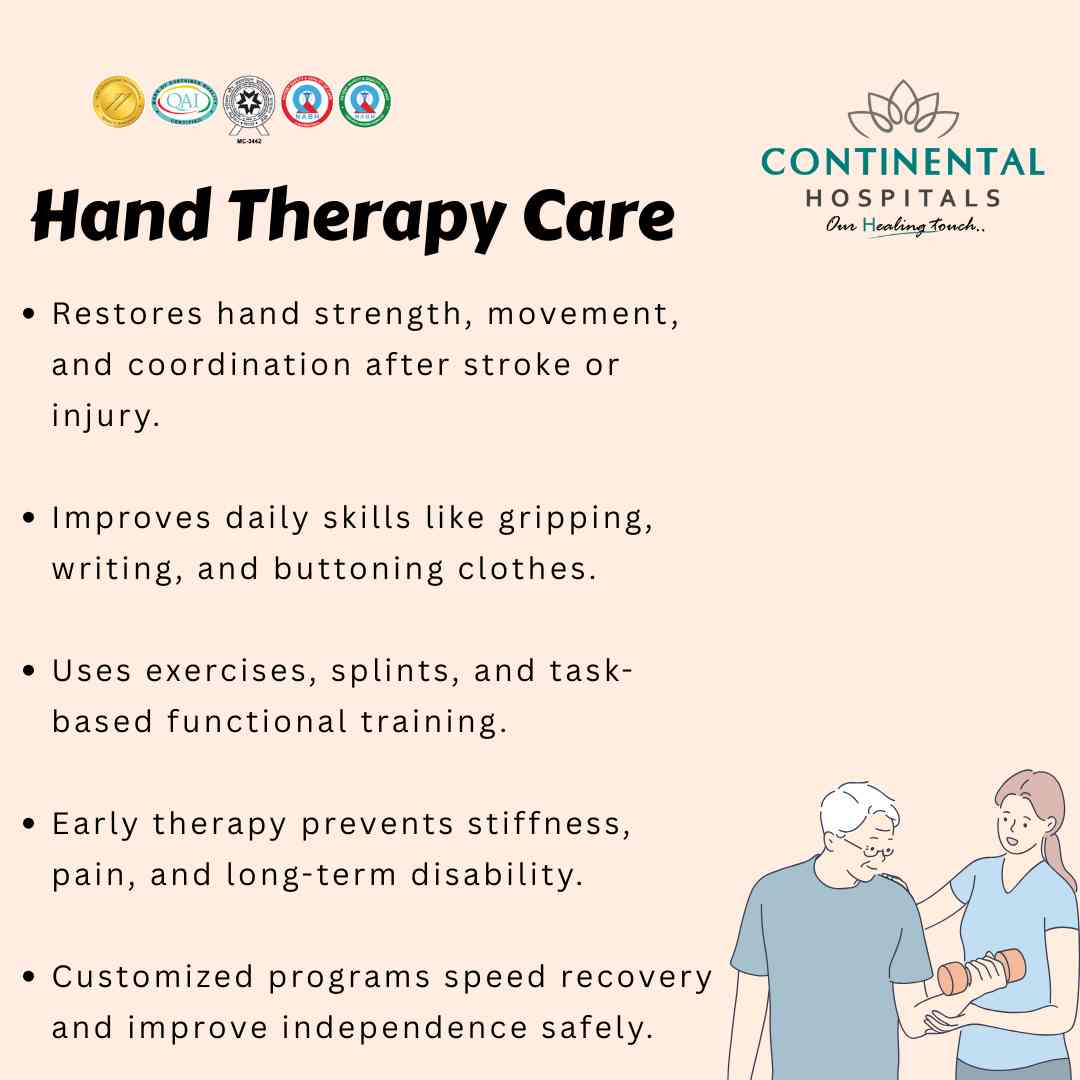
Hand therapy focuses on retraining the brain and muscles to work together. It uses repetition, guided movement, and task based training to improve recovery.

Key benefits include:

  • Improved hand strength and grip
  • Better finger movement and control
  • Reduced stiffness and spasticity
  • Enhanced coordination and precision
  • Improved sensation and awareness
  • Increased independence in daily activities

Early and consistent therapy often leads to better outcomes.

What are the common hand therapy techniques?

Hand therapy programs are customized based on the patient’s condition, stage of recovery, and goals.

Exercise Based Therapy

  • Range of motion exercises to reduce stiffness
  • Strengthening exercises for fingers and wrist
  • Stretching to manage tight muscles

Functional Training

Need an Appointment?

  • Practicing daily tasks like holding objects, writing, eating
  • Task oriented movements that mimic real life activities
  • Improving hand eye coordination

Sensory Re education

  • Exercises to improve touch and object recognition
  • Texture and temperature awareness training

Splinting and Support

  • Custom splints to support weak joints
  • Positioning devices to prevent deformity
  • Night splints to reduce stiffness

Advanced Rehabilitation Techniques

  • Mirror therapy to stimulate brain recovery
  • Constraint induced movement therapy
  • Electrical stimulation to activate weak muscles
  • Virtual reality based hand training in selected cases

How Long Does Hand Therapy Take?

Recovery time varies from person to person. It depends on:

  • Severity of stroke or injury
  • Time between injury and start of therapy
  • Patient motivation and consistency
  • Presence of other medical conditions

Some patients show improvement within weeks, while others may need longer rehabilitation. Regular follow ups and home exercise programs are essential for progress.

When Should You Start Hand Therapy?

Early rehabilitation gives the best results. Starting therapy as soon as the doctor advises helps prevent stiffness, muscle shortening, and long term disability.

Do not wait if you notice:

  • Hand weakness after stroke
  • Increasing stiffness or pain
  • Difficulty performing daily hand tasks
  • Loss of coordination or control

Early action can make a significant difference.

Why is expert supervision important during hand therapy?

Hand therapy should always be guided by trained professionals. Incorrect exercises or delay in therapy may lead to complications like contractures or chronic pain.

At a multispecialty hospital, therapists work closely with neurologists, orthopedicians, and rehabilitation doctors to ensure safe and effective recovery.

Why Choose Continental Hospitals?

Continental Hospitals is recognized as one of the best hospital in Hyderabad, known for advanced rehabilitation care and patient focused treatment.

Key reasons to choose Continental Hospitals:

  • Experienced team of occupational therapists and physiotherapists
  • Comprehensive stroke rehabilitation programs
  • Advanced hand therapy equipment and techniques
  • Multidisciplinary approach involving neurologists, orthopedicians, and rehabilitation specialists
  • Internationally recognized hospital accreditations reflecting quality and safety standards
  • Personalized therapy plans based on patient goals
  • Strong focus on long term recovery and functional independence

The hospital follows globally accepted protocols and emphasizes evidence based rehabilitation.

Hand Therapy and Quality of Life

Hand recovery is not just about movement. It is about restoring dignity, confidence, and independence. Being able to dress, eat, write, or return to work improves emotional well being and social participation.

With proper hand therapy, patients often regain abilities they thought were lost forever. The journey requires patience, consistency, and expert guidance.

Conclusion

Hand therapy is a vital part of recovery after stroke or injury. It helps rebuild strength, coordination, and confidence needed for daily life. With structured therapy, modern rehabilitation techniques, and expert supervision, meaningful recovery is possible.

Choosing the right hospital plays a key role in outcomes. Continental Hospitals offers comprehensive hand therapy services backed by experienced specialists and internationally accredited standards of care.

If you are facing hand weakness, stiffness, or difficulty using your hand after stroke or injury, consult our best Occupational Therapist at Continental Hospitals today. Early evaluation and personalized hand therapy can help you regain control, function, and independence.


Frequently Asked Questions

Hand therapy is a specialized rehabilitation program designed to restore movement, strength, coordination, and function of the hand, wrist, and upper limb after a stroke or injury. It combines therapeutic exercises, manual therapy, splinting, sensory re-education, and functional training to help patients regain independence in daily activities. Stroke survivors often experience weakness, stiffness, or reduced control in the affected hand, while injuries such as fractures, tendon damage, nerve injuries, or surgeries may limit normal hand function. A qualified hand therapist creates a personalized treatment plan based on the patient's condition, goals, and recovery stage. Regular therapy helps improve grip strength, fine motor skills, flexibility, pain control, and confidence. Early intervention often leads to better outcomes and helps patients return to work, hobbies, and routine activities safely.
Hand therapy is beneficial for people recovering from stroke, traumatic hand injuries, fractures, tendon or ligament injuries, nerve damage, burns, arthritis, and hand surgeries. Patients who have difficulty gripping objects, writing, dressing, eating, typing, or performing daily activities can benefit significantly from structured rehabilitation. Stroke survivors with weakness or paralysis in one hand often require therapy to improve movement and coordination. Individuals with sports injuries or workplace injuries also benefit from customized rehabilitation programs. Children and older adults may also receive hand therapy depending on their condition. Therapy is tailored according to age, medical history, and functional goals. The primary objective is to maximize hand function, reduce disability, and improve overall quality of life.
After a stroke, the brain may lose its ability to control muscles effectively, leading to weakness, stiffness, poor coordination, or spasticity in the hand. Hand therapy encourages the brain to create new neural pathways through repetitive, goal-oriented exercises. Therapists use strengthening exercises, range-of-motion activities, sensory stimulation, mirror therapy, task-specific training, and fine motor exercises to improve movement. Functional tasks such as buttoning clothes, holding utensils, and writing are incorporated into therapy sessions. Splints or adaptive devices may also be used when necessary. Regular practice enhances muscle control, improves dexterity, and promotes greater independence. Consistent therapy combined with home exercises can significantly improve long-term recovery outcomes for stroke survivors.
Hand therapy uses a combination of evidence-based rehabilitation techniques to restore movement and function. These may include range-of-motion exercises, strengthening exercises, manual therapy, scar management, edema control, splint fabrication, sensory re-education, coordination training, and fine motor skill development. Therapists also incorporate functional activities that simulate everyday tasks such as writing, cooking, grooming, or lifting objects. Electrical stimulation, mirror therapy, therapeutic putty, resistance bands, and specialized hand equipment may be used depending on the condition. Each treatment plan is customized to meet the patient's recovery goals. Progress is monitored regularly, and exercises are adjusted as strength and mobility improve over time.
Recovery time varies depending on the severity of the stroke or injury, the patient's age, overall health, and how early rehabilitation begins. Some individuals notice improvements within a few weeks, while others may require several months of ongoing therapy. Stroke recovery can continue for many months or even years with consistent rehabilitation. Patients recovering from fractures or tendon injuries often regain function within a few months, although complex injuries may require longer treatment. Regular therapy sessions combined with home exercise programs help speed recovery. Following the therapist's recommendations, staying motivated, and attending scheduled appointments are essential for achieving the best possible results.
Yes. One of the primary goals of hand therapy is to improve grip strength, finger coordination, dexterity, and precision. Therapists use targeted exercises that strengthen the muscles of the hand, fingers, wrist, and forearm while improving flexibility and joint mobility. Activities such as squeezing therapy putty, picking up small objects, writing, buttoning shirts, and manipulating everyday items help restore fine motor control. These exercises improve coordination between muscles and nerves, allowing patients to perform daily activities more independently. Over time, patients often experience better control, stronger grip, reduced fatigue, and increased confidence in using the affected hand during routine tasks.
Hand therapy should begin as early as medically appropriate following a stroke, surgery, or injury. Early rehabilitation helps prevent stiffness, muscle shortening, joint contractures, swelling, and loss of movement. Starting therapy soon after stabilization also promotes faster neurological and physical recovery. The therapist performs a detailed assessment before designing a personalized treatment plan based on the patient's condition and recovery goals. Early intervention can improve long-term outcomes, reduce complications, and help patients regain independence more effectively. However, even patients who begin therapy later can still achieve meaningful improvements with a structured rehabilitation program and consistent participation.
Professional hand therapy provides expert evaluation, individualized treatment planning, and close monitoring throughout the recovery process. While home exercises are important, performing incorrect movements may delay healing or worsen symptoms. A certified hand therapist identifies movement limitations, muscle weakness, nerve involvement, pain sources, and functional deficits before selecting appropriate exercises. Treatment may include specialized techniques, splints, manual therapy, and advanced rehabilitation equipment that are not available at home. Therapists also modify exercises as recovery progresses and educate patients on injury prevention. Combining supervised therapy with a structured home exercise program delivers the safest, most effective, and long-lasting recovery results.
Disclaimer: The information provided in this blog is intended for general knowledge and informational purposes only, and does not constitute medical advice. Always consult with a qualified healthcare professional for any medical concerns or before making any decisions about your health.

Get in Touch With Us

Whether you are from India or abroad, we are here to help you with your medical queries. Please fill out the form below and our team will connect with you shortly.

  • ✔ Quick response from our medical experts
  • ✔ Secure data handling & privacy
  • ✔ Easy upload for reports & documents
banner_image

Chat with our medical experts on WhatsApp for quick assistance and hassle-free appointment booking

Recent Posts