.webp)

Heart attacks are a leading cause of death worldwide, but despite their prevalence, many myths and misconceptions persist. These misunderstandings can lead to dangerous delays in seeking treatment and a lack of proper preventative measures. In this blog, we will debunk some of the most common heart attack myths and provide accurate information to help you stay informed and healthy.
Why Is It Important to Separate Heart Attack Myths from Facts?
Myth 1: Can Young People Have Heart Attacks?One of the most pervasive myths is that heart attacks only occur in older adults. While the risk does increase with age, heart attacks can happen at any age. Factors such as genetics, lifestyle, and underlying health conditions like hypertension and diabetes can contribute to the risk of a heart attack in younger individuals.
Fact: People in their 20s and 30s can experience heart attacks. It’s crucial for all age groups to be aware of their heart health and take preventive measures.
Myth 2: Do Heart Attacks Always Cause Severe Chest Pain?
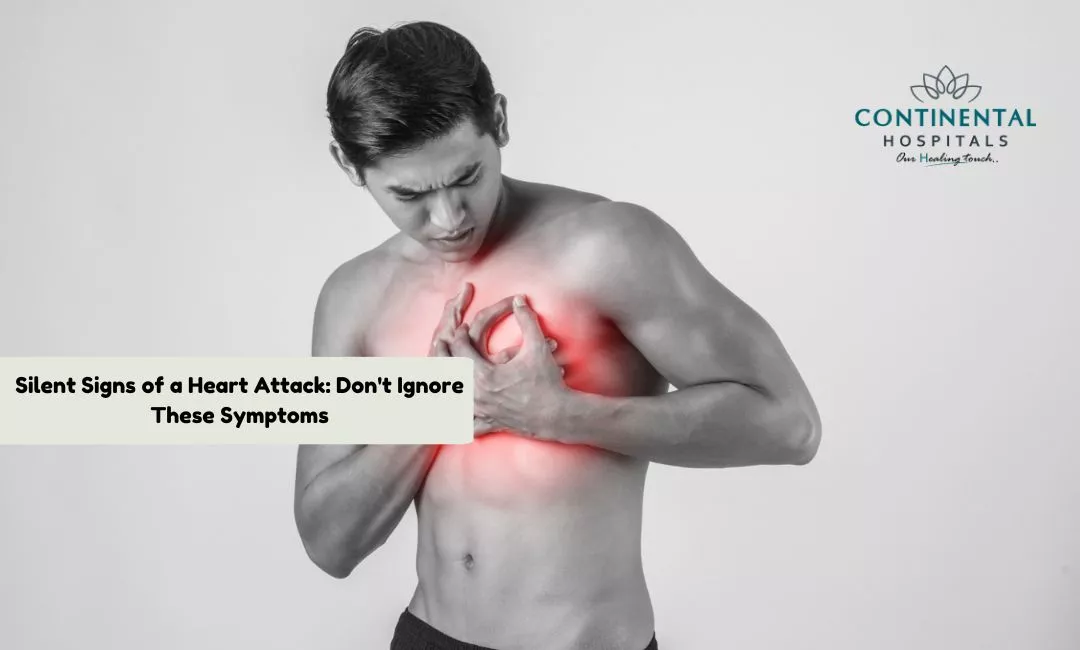
Many people believe that a heart attack always involves severe, crushing chest pain. However, symptoms can vary widely and may not always be dramatic. Some heart attacks present with subtle signs such as discomfort in the jaw, neck, or back, shortness of breath, nausea, or lightheadedness.
Fact: Heart attack symptoms can be mild or atypical, especially in women. Any unusual or persistent discomfort should be evaluated by a healthcare professional.
Myth 3: Can Women Have Heart Attacks Too?
There is a common misconception that heart attacks predominantly affect men. While men are at a higher risk at a younger age, heart disease is also the leading cause of death for women. Women may experience different symptoms and often delay seeking treatment, thinking they are not at risk.
Fact: Heart disease is the number one killer of both men and women. Awareness and education about heart health are crucial for everyone.

Myth 4: Can Fit and Healthy People Still Have Heart Attacks?
Regular exercise and a healthy diet are essential for heart health, but they do not make you immune to heart attacks. Athletes and those who are physically fit can still experience heart issues, sometimes due to genetic factors or undiagnosed conditions.
Fact: Fitness and healthy habits reduce the risk but do not eliminate it. Regular check-ups and knowing your family history are important for early detection and prevention.
Myth 5: Does a Family History of Heart Disease Mean You Can't Prevent It?
Genetics play a role in heart disease, but they are not the only factor. Lifestyle choices such as diet, exercise, smoking, and stress management significantly influence heart health. Even if you have a family history of heart disease, making positive changes can lower your risk.
Fact: You can significantly reduce your heart disease risk with a healthy lifestyle, even if it runs in your family.
Myth 6: Do Heart Attacks Always Happen Without Warning?
While heart attacks can seem sudden, they often result from long-term conditions like atherosclerosis, which develops over many years. Warning signs such as chest discomfort, fatigue, and shortness of breath can occur weeks before an actual heart attack.
Fact: Many heart attacks are preceded by warning signs. Recognizing and responding to these early symptoms can prevent a full-blown heart attack.
Myth 7: Can You Return to Normal Activities Immediately After a Heart Attack?
Recovering from a heart attack takes time, and it’s crucial to follow a rehabilitation program and your doctor's advice. Returning to normal activities too soon can strain your heart and hinder recovery.
Fact: Heart attack recovery involves a gradual return to activities. Cardiac rehabilitation programs are designed to help patients regain strength safely.
Myth 8: Can Taking Aspirin Alone Stop a Heart Attack?
While aspirin can help by thinning the blood and reducing clot formation, it is not a cure-all and should not replace emergency medical care. If you suspect a heart attack, call emergency services immediately.
Fact: Aspirin may be beneficial, but it is not a substitute for professional medical treatment. Always seek immediate medical help.
Myth 9: Can Heart Disease Be Prevented?
Many believe that heart disease is inevitable, especially with aging or genetic predisposition. However, many risk factors are within your control. Healthy eating, regular exercise, quitting smoking, and managing stress can significantly reduce your risk.
Fact: Prevention is possible through lifestyle changes and medical interventions. Regular health screenings and early detection are key components of heart disease prevention.
Myth 10: Can You Have a Heart Attack Even If Your Cholesterol Is Normal?
While high cholesterol is a significant risk factor, it’s not the only one. Other factors such as high blood pressure, diabetes, obesity, smoking, and even stress can contribute to heart disease, even if your cholesterol levels are normal.
Fact: Heart attacks can occur in individuals with normal cholesterol levels due to other risk factors. Comprehensive heart health involves monitoring all potential risk factors.
What Can You Do to Protect Your Heart Every Day?
Understanding the facts about heart attacks is essential for prevention and timely treatment. Dispelling these myths can lead to better awareness, healthier lifestyles, and a proactive approach to heart health. Remember, heart disease can affect anyone, and taking steps to maintain a healthy heart is a lifelong commitment. Always consult with the best cardiologist in financial district for personalized advice and regular check-ups to stay on top of your heart health.
Related Blog Articles: