
post-title

How Neurologists Treat Alzheimer’s in Early Stages

Written by - Editorial Team
Medically Reviewed by - Dr M K Singh

Alzheimer’s disease is a condition that affects the brain, leading to memory loss, confusion, and changes in thinking and behavior. Catching and treating Alzheimer’s early can make a big difference in how someone lives with the disease. That’s where neurologists step in. These brain experts help identify Alzheimer’s early and create treatment plans to slow down its progress and improve quality of life.

What is early Alzheimer's disease?

Alzheimer’s starts subtly. You might notice small memory slips, trouble finding the right words, or difficulty with planning everyday tasks. These are common Alzheimer’s symptoms in its early stages. The challenge is that some memory loss can happen due to aging, stress, or other health issues. That’s why a thorough Alzheimer’s diagnosis by a neurologist is crucial to separate normal forgetfulness from dementia.
Why is early diagnosis of Alzheimer's disease important?

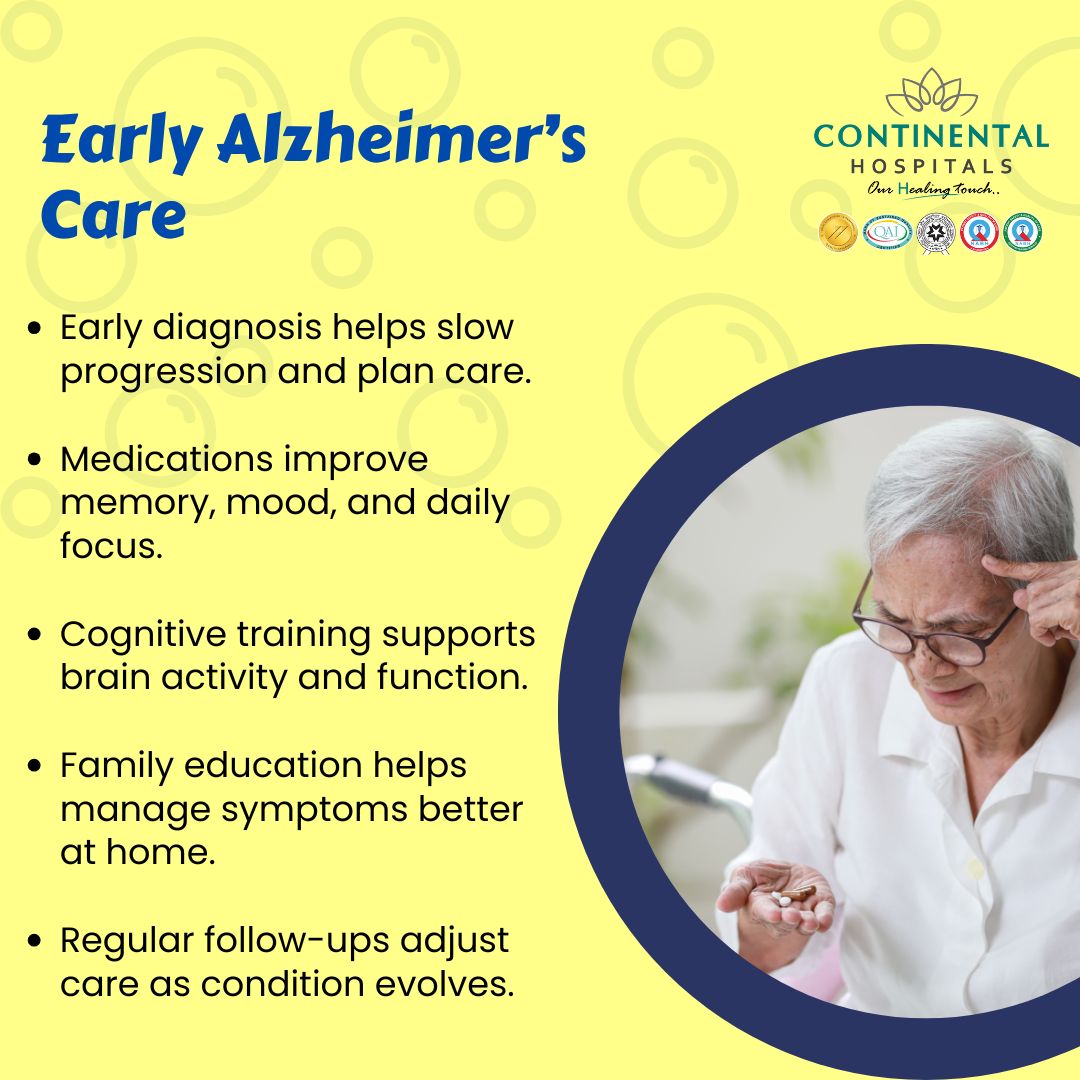
What this really means is that spotting Alzheimer’s early gives patients a head start. Early diagnosis allows neurologists to begin dementia care and cognitive decline therapy before symptoms worsen. It also opens the door to brain health support strategies and medications designed to slow the disease.

What Is the Role of a Neurologist in Early Alzheimer’s Treatment?

Neurologists specialize in diseases of the nervous system, including the brain. For Alzheimer’s, they:

  • Conduct detailed assessments of memory, thinking skills, and behavior
  • Order brain scans and lab tests to rule out other causes
  • Use tools to track changes over time
  • Prescribe dementia medications suited to the patient’s condition
  • Recommend lifestyle and cognitive therapies that support brain health

How do neurologists diagnose Alzheimer’s?

The diagnostic process involves a series of steps. The neurologist will first gather a complete medical history and ask about memory problems or other symptoms. They may involve family members to get a clearer picture.

Next, they perform cognitive tests to evaluate memory, problem-solving, language, and attention. These tests help identify patterns of cognitive decline.

Brain imaging, such as MRI or CT scans, helps rule out other conditions like stroke or tumors. Some advanced imaging techniques can also detect changes linked to Alzheimer’s.

Blood tests check for vitamin deficiencies or infections that might affect brain function.

Second Opinion

What are the treatment options for early Alzheimer's?

While there is no cure for Alzheimer’s, treatments focus on managing symptoms and slowing progression.

Dementia Medications
Neurologists often prescribe medications that help improve communication between brain cells. These drugs can stabilize symptoms like memory loss and confusion, helping patients maintain independence longer.

The choice of medication depends on symptom severity and patient health. Regular follow-ups monitor effectiveness and adjust treatment as needed.

Cognitive Decline Therapy
Therapies designed to improve thinking and memory skills are key. These might include memory exercises, problem-solving tasks, and attention training. Cognitive therapy encourages the brain to form new connections, potentially slowing decline.

Neurologists may refer patients to speech therapists or occupational therapists for targeted support.

Brain Health Support Through Lifestyle
Neurologists emphasize the role of lifestyle in brain health. Patients are encouraged to maintain a balanced diet, engage in regular physical activity, and keep mentally and socially active.

Managing other health conditions like diabetes or hypertension is also critical, as they can worsen cognitive decline.

Need an Appointment?

Why is ongoing monitoring important in Alzheimer’s disease?

Alzheimer’s progresses differently in every person. That’s why continuous care and monitoring are essential. Neurologists schedule regular visits to track symptoms, adjust treatments, and provide guidance.

Family members and caregivers often play a vital role in reporting changes and supporting the patient’s routine.

Why Choose Continental Hospitals for Alzheimer’s Treatment?

Continental Hospitals in Hyderabad is home to some of the best neurologists for Alzheimer’s and dementia care in India. Our team brings deep expertise in brain health, personalized treatment planning, and advanced diagnostics to help patients take control of Alzheimer’s from the earliest signs.

What makes our care different is not just medical skill, but also the way we treat each patient with clarity, respect, and continuous support.

From accurate Alzheimer’s diagnosis to long-term memory loss treatment and cognitive therapy, our neurology specialists work with families to build a plan that’s practical, realistic, and focused on preserving quality of life.

Meet Our Neurologists

If you or someone you care about is facing early Alzheimer’s symptoms, get in touch with a neurologist who understands how to manage the condition with compassion and expertise.

Continental Hospitals is proud to have a team of top specialists, including:

Each doctor brings years of experience in cognitive decline therapy, dementia medications, and brain health support.

What to Do If You Notice Early Signs of Alzheimer’s Disease?

If you or a loved one experience early signs like memory loss, confusion, or difficulty with daily tasks, don’t wait. Early intervention can change the course of the disease.

Contact the Best Neurologist in Hyderabad at Continental Hospitals for a thorough evaluation and expert care. The best neurologist for Alzheimer’s at Continental will guide you through diagnosis, treatment, and ongoing support.

Conclusion

Treating Alzheimer’s in its early stages means focusing on slowing cognitive decline, managing symptoms, and supporting brain health. Neurologists play a key role in spotting the disease early, prescribing dementia medications, and guiding therapies that improve daily functioning.

Related Blogs:

  1. How Obesity May Increase the Risk of Alzheimer’s Disease
  2. Alzheimer’s vs. Dementia: What’s the Difference?

Frequently Asked Questions

Neurologists diagnose early-stage Alzheimer’s through a detailed medical evaluation that includes the patient's symptoms, medical history, and family history. They assess memory, language, reasoning, attention, and problem-solving abilities using standardized cognitive tests. A neurological examination helps identify changes in brain and nervous system function. Blood tests are often recommended to rule out vitamin deficiencies, thyroid disorders, infections, or other conditions that can mimic dementia. Brain imaging such as MRI or CT scans helps identify brain shrinkage or exclude other causes like stroke or tumors. In selected cases, PET scans or cerebrospinal fluid analysis may be used to detect Alzheimer’s-related proteins. New blood biomarker tests are also becoming useful for early detection. The neurologist combines all clinical findings before making a diagnosis. Early diagnosis allows treatment to begin sooner and helps patients and families plan for future care. Regular follow-up visits monitor disease progression and treatment effectiveness.
Neurologists create a personalized treatment plan based on the patient's symptoms, age, overall health, and disease stage. Medications such as cholinesterase inhibitors are commonly prescribed to improve communication between nerve cells and help maintain memory and thinking abilities for some time. In appropriate patients, disease-modifying therapies may also be considered after careful evaluation. Treatment also includes controlling medical conditions like diabetes, hypertension, and high cholesterol that may worsen brain health. Neurologists recommend regular physical exercise, mental stimulation, healthy nutrition, and quality sleep as important parts of treatment. Managing anxiety, depression, or behavioral symptoms is equally important. Family education and caregiver support are included in the treatment plan. Regular follow-up appointments help assess response to therapy and adjust medications when necessary. Early treatment can improve quality of life and help patients remain independent for longer.
While there is currently no permanent cure for Alzheimer’s disease, certain medications may help slow symptom progression in selected patients. Cholinesterase inhibitors can improve memory, attention, and daily functioning by increasing levels of important brain chemicals. Some patients may also be eligible for newer disease-modifying therapies that target abnormal amyloid proteins associated with Alzheimer’s disease. These treatments require careful evaluation, brain imaging, and ongoing monitoring by a neurologist. The benefits vary from person to person and are generally greater when treatment begins in the earliest stages. Medications work best when combined with healthy lifestyle changes, regular exercise, balanced nutrition, and cognitive activities. Close monitoring helps identify side effects and optimize treatment. Neurologists continually evaluate disease progression and modify treatment plans based on individual response. Early intervention offers the best opportunity to preserve cognitive function for as long as possible.
Early diagnosis gives patients and families valuable time to begin treatment before significant brain damage occurs. Starting medications during the early stages may help maintain memory and thinking abilities for a longer period. Patients can adopt healthy lifestyle changes that support brain health and potentially slow cognitive decline. Early diagnosis also allows management of other medical conditions that may worsen symptoms. Individuals have more opportunity to participate in important financial, legal, and personal planning while they can still make informed decisions. Families can learn about the disease, prepare for future caregiving needs, and access support services. Neurologists can monitor disease progression closely and adjust treatment as needed. Patients may also become eligible for clinical trials evaluating new therapies. Overall, early diagnosis improves quality of life, planning, and long-term care outcomes.
Neurologists recommend several healthy lifestyle habits that support brain function alongside medical treatment. Regular physical exercise improves blood flow to the brain and supports overall cognitive health. A Mediterranean-style diet rich in fruits, vegetables, whole grains, fish, nuts, and healthy fats is often encouraged. Patients should remain mentally active through reading, puzzles, learning new skills, or social engagement. Good sleep is essential because poor sleep may accelerate memory decline. Managing blood pressure, diabetes, and cholesterol also protects brain health. Smoking cessation and limiting alcohol consumption are strongly advised. Stress reduction through meditation, relaxation techniques, or hobbies may improve emotional well-being. Maintaining regular social interactions helps reduce isolation and supports cognitive function. These lifestyle measures complement medical treatment and may help patients remain independent for longer.
Patients with early-stage Alzheimer’s should have regular follow-up appointments with their neurologist to monitor symptoms and treatment response. The frequency depends on disease severity, medication use, and individual health conditions. Many patients are reviewed every three to six months during the early stages. During these visits, neurologists evaluate memory, thinking, daily functioning, mood, and behavioral symptoms. Medications are adjusted if symptoms change or side effects occur. Follow-up appointments also help identify new medical problems that could affect cognitive function. Caregivers can discuss concerns, receive education, and obtain guidance for daily care. Additional tests or imaging may be recommended if there are unexpected changes in symptoms. Regular monitoring ensures treatment remains effective and helps patients receive timely support throughout the course of the disease.
Yes, early Alzheimer’s symptoms are often confused with normal aging because both may involve occasional forgetfulness. However, Alzheimer’s disease causes memory loss that progressively interferes with daily activities and independence. People may repeatedly forget recent conversations, appointments, important dates, or familiar routes. They may struggle with planning, problem-solving, finding the right words, or completing familiar tasks. Personality changes, confusion, or poor judgment may also develop. Unlike normal aging, these symptoms gradually worsen over time. Neurologists use detailed cognitive assessments, neurological examinations, laboratory tests, and brain imaging to distinguish Alzheimer’s disease from age-related memory changes. Seeking medical evaluation early improves the chances of accurate diagnosis and timely treatment. Persistent or worsening memory problems should never be ignored.
A person should consult a neurologist if memory problems become frequent, worsen over time, or interfere with daily life. Warning signs include repeatedly forgetting important information, becoming confused in familiar places, struggling with language, difficulty completing routine tasks, or experiencing changes in judgment and personality. Family members often notice these symptoms before the individual recognizes them. Early medical evaluation helps determine whether symptoms are caused by Alzheimer’s disease, another neurological condition, medication side effects, or a treatable medical problem. Neurologists perform specialized cognitive assessments and recommend appropriate investigations for an accurate diagnosis. Early consultation allows treatment to begin sooner, improves symptom management, and helps patients plan for the future. Prompt medical attention provides the best opportunity for maintaining independence and quality of life.
Disclaimer: The information provided in this blog is intended for general knowledge and informational purposes only, and does not constitute medical advice. Always consult with a qualified healthcare professional for any medical concerns or before making any decisions about your health.

Get in Touch With Us

Whether you are from India or abroad, we are here to help you with your medical queries. Please fill out the form below and our team will connect with you shortly.

  • ✔ Quick response from our medical experts
  • ✔ Secure data handling & privacy
  • ✔ Easy upload for reports & documents
banner_image

Chat with our medical experts on WhatsApp for quick assistance and hassle-free appointment booking

Recent Posts