post-title

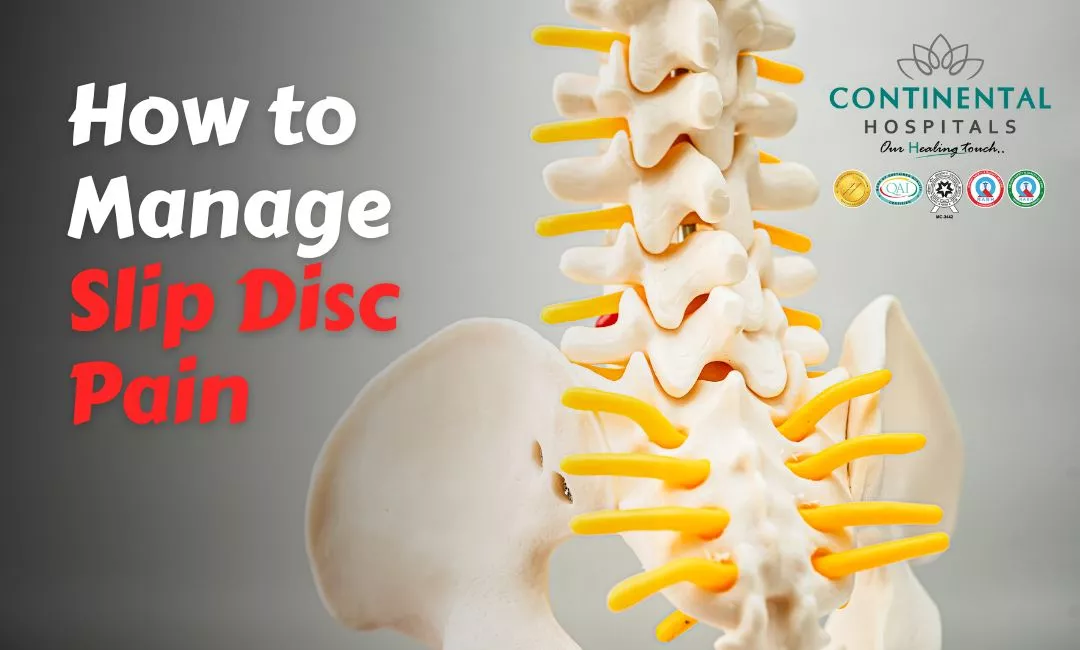
How to Manage Slip Disc Pain

Written by - Editorial Team
Medically Reviewed by - Dr Arun Reddy Mallu

A slip disc, also known as a herniated or prolapsed disc, is a common spine problem that affects people of all ages. It happens when one of the discs between the bones of your spine gets damaged and presses on nearby nerves. This can lead to pain, numbness, and weakness, especially in your back, neck, or legs.

Many people live with slip disc pain every day, but the good news is — it can be managed. With the right care, lifestyle changes, and treatment options, you can find relief and improve your quality of life. In this blog, let’s understand how to manage slip disc pain in simple, practical ways.

What Is a Slip Disc?

Your spine is made up of small bones called vertebrae, stacked one over the other. Between these bones are soft, cushion-like discs that act as shock absorbers. Sometimes, the outer layer of a disc tears or weakens, causing the inner gel-like part to push out. This is called a slip disc.

When this happens, the disc may press against nerves in the spine, causing pain in the back, neck, or down the arms and legs.

Common symptoms include:

  • Sharp or dull back pain
  • Numbness or tingling in arms or legs
  • Muscle weakness
  • Pain that worsens with movement

If you’re experiencing any of these, it’s important to consult a doctor early.

Visit the top orthopedic doctors in Hyderabad at Continental Hospitals for expert care. Schedule your appointment now!
What Causes a Slip Disc?

Slip discs can happen due to several reasons:

Second Opinion

Ageing: As we grow older, spinal discs lose water content and become less flexible.

Injury: Sudden heavy lifting, falls, or accidents can damage a disc.

Overuse: Repeated strain or poor posture at work can wear down discs over time.

Genetics: Some people may have a family history of spine problems.

Being overweight: Extra weight puts more pressure on the spine.

How do you manage slip disc pain?

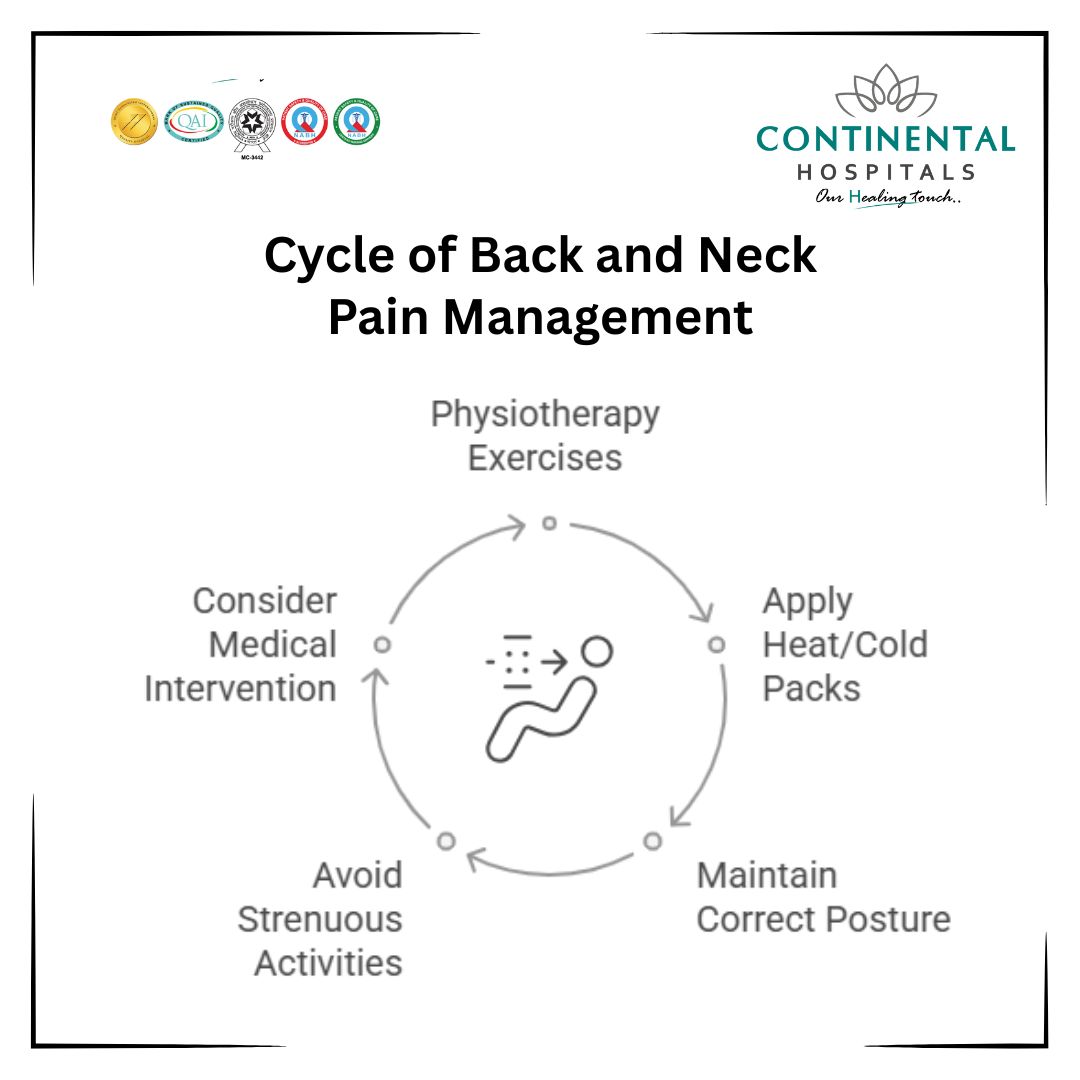
Managing slip disc pain is about combining medical care, home remedies, and lifestyle changes. Here are the most effective ways to manage it:

1. Rest, But Not Too Much
When pain is severe, a short period of rest can help. But lying in bed for too long can make the muscles weak and stiff, worsening the pain. Try gentle movements and simple stretches after a day or two of rest.

Need an Appointment?

2. Apply Heat or Cold
Using a hot water bag or cold pack on the painful area can reduce pain and swelling.

  • Cold packs are useful in the first 48 hours after pain begins.
  • Heat therapy works well to relax tight muscles and improve blood flow.

3. Pain Relief Medicines
Doctors may suggest painkillers, muscle relaxants, or anti-inflammatory medicines to reduce pain and swelling. Avoid self-medication and always take them as advised by your doctor.

4. Physiotherapy
Physiotherapy is one of the best ways to manage slip disc pain. A trained physiotherapist will teach you exercises to strengthen your back and abdominal muscles, improve posture, and reduce pressure on the nerves.

Simple exercises like pelvic tilts, back stretches, and hamstring stretches can be very helpful.

5. Maintain a Healthy Weight
Extra weight increases pressure on your spine. Losing even a small amount of weight can ease back pain and prevent further damage to the discs. Eat a balanced diet rich in fruits, vegetables, lean proteins, and whole grains.

6. Posture Correction
Poor posture is a major cause of back problems. Whether you're sitting, standing, or lifting heavy items, always maintain the correct posture:

  • Keep your back straight
  • Avoid slouching
  • Use a chair with good back support
  • Don’t lift heavy objects without proper technique

7. Regular Low-Impact Exercises
Staying active is important for a healthy spine. Low-impact activities like walking, swimming, and yoga can improve flexibility, strengthen muscles, and relieve stress on the spine.

Avoid high-impact exercises like running or heavy lifting during recovery.

8. Avoid Smoking
Smoking reduces blood supply to the spinal discs, slowing healing and increasing the risk of disc problems. Quitting smoking is one of the best steps you can take for overall spine health.

9. Surgical Treatment (If Needed)
Most slip disc cases improve with non-surgical treatment. But if pain persists or causes nerve damage, surgery might be considered.
Procedures like discectomy or spinal fusion may be suggested by your doctor to remove the damaged disc or stabilize the spine.

When Should You See a Doctor?

You should consult a doctor immediately if you experience:

  • Severe pain not improving with rest or medication
  • Numbness or tingling in your legs or arms
  • Difficulty walking or balancing
  • Loss of bladder or bowel control (a rare but serious sign)
  • Early treatment helps prevent complications and speeds up recovery.

Why Choose Continental Hospitals for Slip Disc Treatment?

At Continental Hospitals, we understand how back pain can disrupt daily life. Our team of expert orthopedic surgeons, spine specialists, neurologists, and physiotherapists work together to provide complete care for slip disc problems.

We offer:

  • Advanced diagnostic facilities
  • Personalized treatment plans
  • Minimally invasive surgical options
  • Well-equipped physiotherapy and rehabilitation support
  • A patient-first, compassionate approach to care

Our goal is to help you recover safely and return to your normal activities as soon as possible.

Conclusion

Slip disc pain is a common but manageable condition. With the right combination of rest, medicines, exercises, lifestyle changes, and medical care, you can relieve pain and protect your spine for the future.

Struggling with slip disc pain? Consult the Best Orthopedic Specialists in Hyderabad at Continental Hospitals for expert care. Book your appointment now!

Frequently Asked Questions

A slip disc, also called a herniated or prolapsed disc, occurs when the soft inner part of a spinal disc pushes through its outer layer. This can irritate nearby nerves and cause pain, numbness, or weakness. Common causes include age-related wear and tear, heavy lifting with poor posture, sudden twisting movements, obesity, and injuries. Sitting for long periods and weak core muscles can also increase the risk. While anyone can develop a slip disc, it is more common in adults between 30 and 50 years of age. Early diagnosis and proper treatment can help relieve symptoms and prevent long-term complications. Lifestyle changes and guided rehabilitation are often key parts of recovery.
The symptoms of a slip disc depend on the location and severity of the disc injury. Most people experience back or neck pain that may spread to the arms or legs. Tingling, numbness, muscle weakness, or a burning sensation can occur when a nerve is compressed. Pain often becomes worse while bending, lifting, coughing, or sitting for long periods. Some people may find it difficult to walk, stand, or perform daily activities. Severe cases may cause loss of bladder or bowel control, which requires immediate medical attention. Prompt evaluation helps determine the cause and ensures appropriate treatment before symptoms worsen.
Mild slip disc pain can often be managed with rest for a short period, avoiding activities that worsen symptoms, and staying gently active. Applying cold packs during the first 48 hours may reduce inflammation, while heat therapy can help relax tight muscles later. Maintaining proper posture, sleeping on a supportive mattress, and using ergonomic seating can reduce strain on the spine. Gentle stretching and doctor-approved exercises may improve flexibility and recovery. Over-the-counter pain relievers may also help when used as directed. However, persistent or severe pain should always be evaluated by a spine specialist.
Yes, carefully selected exercises can play an important role in recovering from a slip disc. Low-impact activities such as walking, swimming, and supervised stretching help improve blood flow and reduce stiffness. Strengthening the core muscles provides better support for the spine and lowers the risk of future injuries. Physical therapists design personalized exercise programs based on the patient's condition and pain level. It is important to avoid high-impact sports, heavy lifting, or exercises that increase pain without medical advice. Regular, guided movement often leads to better long-term outcomes than prolonged bed rest.
You should consult a doctor if back or neck pain lasts longer than a few weeks, becomes severe, or spreads to the arms or legs. Medical attention is also needed if you experience numbness, muscle weakness, difficulty walking, or repeated episodes of pain. Emergency care is essential if there is loss of bladder or bowel control or sudden weakness in both legs. A doctor may recommend imaging tests such as an MRI to confirm the diagnosis. Early evaluation helps identify the severity of the condition and allows treatment to begin before permanent nerve damage occurs.
Treatment depends on the severity of symptoms and the extent of nerve compression. Many people recover with medications, physical therapy, activity modification, and lifestyle changes. Doctors may also recommend muscle relaxants, anti-inflammatory medicines, or epidural steroid injections to reduce pain and inflammation. If symptoms continue despite conservative treatment or if there is significant nerve damage, surgery may be considered. Modern minimally invasive spine procedures often allow faster recovery with smaller incisions. Your doctor will recommend the most appropriate treatment based on your individual condition.
Yes, many slip disc cases improve without surgery. The body can gradually reduce inflammation around the affected nerve, and the herniated disc may shrink over time. With proper medical guidance, physical therapy, posture correction, and regular exercise, many patients experience significant pain relief within a few weeks to months. Following your treatment plan and avoiding activities that strain the spine are essential for healing. Surgery is usually reserved for severe symptoms, progressive nerve weakness, or cases that do not respond to conservative treatment.
Preventing another slip disc involves maintaining a healthy weight, strengthening the core muscles, and practicing proper posture during daily activities. Always lift heavy objects by bending your knees instead of your back and avoid sudden twisting movements. Regular exercise improves flexibility and spinal support. Taking breaks from prolonged sitting, using ergonomic furniture, and quitting smoking can also reduce the risk of spinal degeneration. Following your doctor's rehabilitation advice after recovery helps protect the spine and lowers the chances of future disc problems. Consistent healthy habits are the best long-term strategy for spinal health.
Disclaimer: The information provided in this blog is intended for general knowledge and informational purposes only, and does not constitute medical advice. Always consult with a qualified healthcare professional for any medical concerns or before making any decisions about your health.

Get in Touch With Us

Whether you are from India or abroad, we are here to help you with your medical queries. Please fill out the form below and our team will connect with you shortly.

  • ✔ Quick response from our medical experts
  • ✔ Secure data handling & privacy
  • ✔ Easy upload for reports & documents
banner_image

Chat with our medical experts on WhatsApp for quick assistance and hassle-free appointment booking

Recent Posts