• Share this:
post-title

How to Recognize Childhood Cancer Early?

Written by - Editorial Team
Medically Reviewed by - Dr P Jagannath

Childhood cancer encompasses a range of malignancies that affect children, adolescents, and young adults. These cancers differ from adult cancers in terms of their biology, treatment, and prognosis. The most common types of childhood cancers include leukemia, brain tumors, lymphomas, and solid tumors like neuroblastoma, Wilms tumor, and osteosarcoma.

What Are the Early Signs and Symptoms of Childhood Cancer?

Recognizing the signs and symptoms of childhood cancer can be challenging, as they often mimic other less severe conditions. However, being vigilant about any persistent or unusual symptoms can make a significant difference. Here are some common signs and symptoms to watch out for:

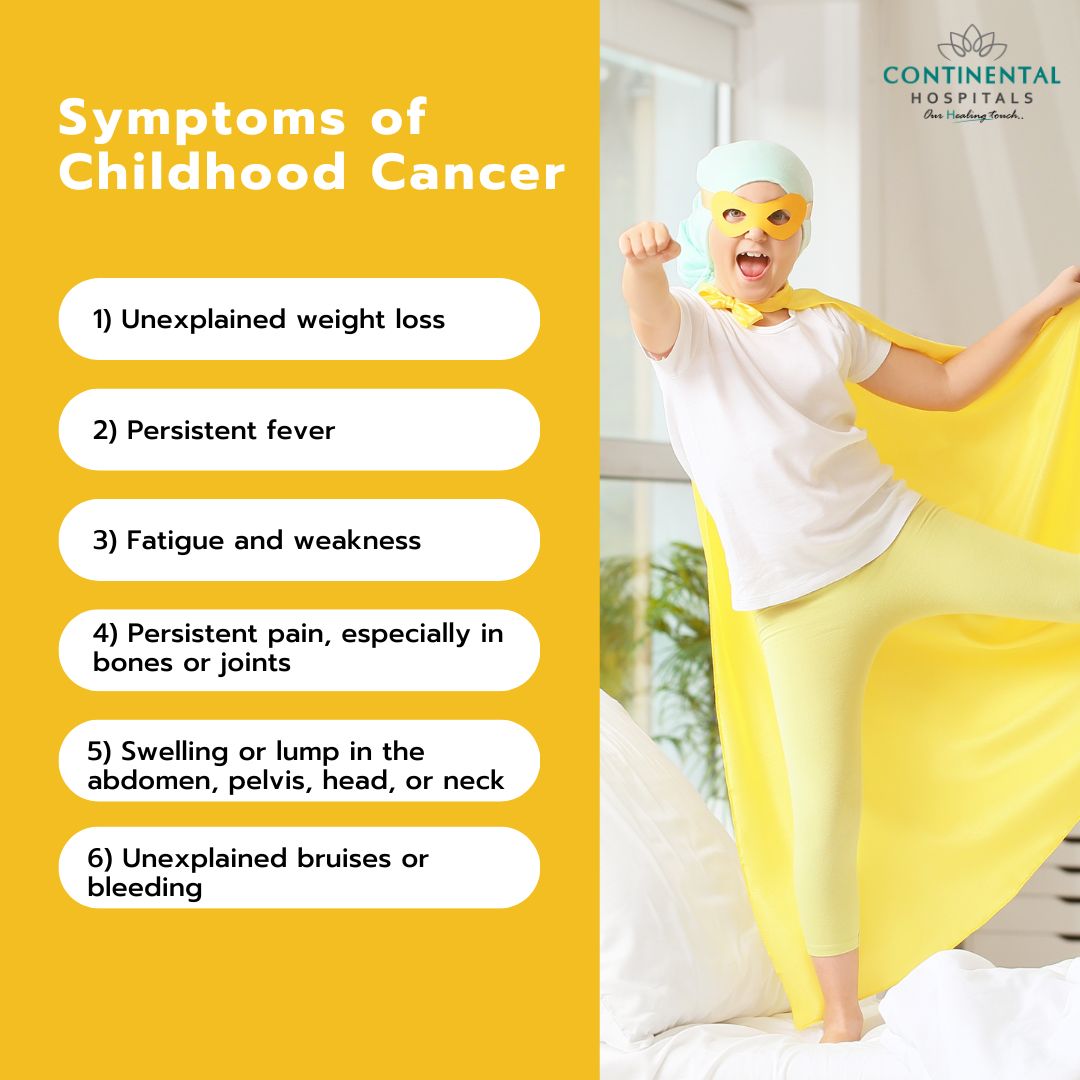
Unexplained Weight Loss: Sudden and unexplained weight loss in a child can be a red flag for various underlying health issues, including cancer. Parents should take note if their child experiences significant weight loss without any changes in diet or physical activity.

Persistent Fever: While fevers are common in children and often indicative of minor infections, a persistent fever that doesn't resolve with typical treatments may signal an underlying medical concern, such as leukemia or lymphoma.

Persistent Pain: Persistent pain, particularly in the bones or joints, can be a symptom of bone cancers like osteosarcoma or Ewing sarcoma. Headaches or persistent abdominal pain could also indicate brain tumors or abdominal tumors, respectively.

Fatigue and Weakness: While fatigue is a common complaint in children, excessive tiredness or weakness that interferes with daily activities could be a sign of an underlying medical issue, including cancer.

Swelling or Lumps: Swelling or lumps in the neck, abdomen, or other areas of the body should not be ignored, as they can indicate the presence of tumors or abnormal masses.

Changes in Vision or Eye Appearance: Changes in vision, such as double vision or the appearance of white spots in the pupil (leukocoria), could be symptoms of eye cancer, such as retinoblastoma.

Persistent Bruising or Bleeding: Easy bruising or bleeding that doesn't resolve as expected could be a sign of leukemia or other blood disorders.

Second Opinion

Changes in Balance or Coordination: Children with brain tumors may experience changes in balance, coordination, or motor skills. These changes may manifest as clumsiness or difficulty walking.

Persistent Headaches: While headaches are common in children, persistent or severe headaches, especially when accompanied by vomiting or changes in behavior, should prompt further evaluation for possible brain tumors.

Changes in Appetite or Digestive Issues: Persistent nausea, vomiting, or changes in appetite that are not attributable to other causes should be investigated, as they can be symptoms of various childhood cancers.
Symptoms of Childhood Cancer

If you suspect that a child may have cancer or if there are concerning symptoms present, it's crucial to seek medical attention promptly from a Top Oncologists in Hyderabad

What Are the Early Signs of Childhood Cancer?

Improved Treatment Outcomes: Detecting cancer in its early stages often leads to more successful treatment outcomes. Early-stage cancers are generally easier to treat and may require less aggressive treatment compared to cancers that have progressed to advanced stages.

Reduced Morbidity and Mortality: Early detection can help reduce the morbidity and mortality associated with childhood cancer. Timely diagnosis allows for prompt initiation of appropriate treatment, which can improve a child's chances of survival and quality of life.

Need an Appointment?

Minimized Treatment Side Effects: Early detection may help minimize the side effects of cancer treatment. Less extensive treatment regimens are often needed for early-stage cancers, reducing the risk of long-term complications such as organ damage, fertility issues, and cognitive impairments.

Prevention of Disease Progression: Detecting cancer early can prevent the disease from advancing to more advanced stages, where it may become more difficult to treat and control. Early intervention can halt or slow the progression of cancer, potentially preventing metastasis (spread) to other parts of the body.

Psychological Support: Early detection provides families with the opportunity to seek psychological support and resources to cope with the diagnosis and treatment process. Knowing about cancer early allows families to access support services, connect with other families facing similar challenges, and prepare emotionally for the journey ahead.

Advancement of Research: Early detection contributes to the advancement of research into childhood cancers. By identifying cases early, researchers can study the underlying causes of cancer, develop better diagnostic tools, and explore innovative treatment approaches to improve outcomes for children with cancer.

Early detection of childhood cancer is paramount for several reasons. Not only does it lead to improved treatment outcomes, reduced morbidity, and minimized treatment side effects, but it also prevents disease progression and provides essential psychological support for affected families. Moreover, early detection fuels advancements in research, paving the way for better diagnostic tools and treatment approaches to enhance the lives of children battling cancer. By remaining vigilant and recognizing the signs and symptoms outlined above, we can ensure that children receive timely intervention, increasing their chances of survival and quality of life.

If you suspect that a child may have cancer or if there are concerning symptoms present, it's crucial to seek medical attention promptly from a Best Oncologist in Gachibowli

Related Blog Post:

1. What Is Cancer? Symptoms, Signs, Types & Causes
2. Early detection tips for common cancers
3. Debunking myths and misconceptions about cancer
4. How Regular Screenings Can Save Lives from Cancer

Frequently Asked Questions

Early signs of childhood cancer can be subtle and often resemble common childhood illnesses. Parents should watch for persistent fever, unexplained weight loss, frequent infections, unusual bruising or bleeding, prolonged fatigue, severe headaches, vomiting, bone or joint pain, lumps or swelling, changes in vision, and swollen lymph nodes that do not improve. A child who becomes less active, loses interest in daily activities, or experiences persistent pain without a clear cause should also be evaluated. While these symptoms do not always indicate cancer, they should not be ignored if they continue for more than two weeks or worsen over time. Early medical evaluation allows doctors to identify the cause and begin appropriate treatment if necessary. Timely diagnosis significantly improves treatment success and long term outcomes.
Childhood cancers differ from adult cancers in several important ways. Most childhood cancers develop because of changes in growing cells rather than lifestyle or environmental factors. They are less commonly linked to smoking, diet, or long term exposure to harmful substances. The most common childhood cancers include leukemia, brain tumors, lymphoma, neuroblastoma, Wilms tumor, and bone cancers. Children often respond differently to treatment and generally recover better because their bodies heal more quickly. However, early diagnosis remains essential because childhood cancers can progress rapidly. Recognizing symptoms early and seeking prompt medical care gives children the best chance of successful treatment and a healthy future.
Parents should consult a doctor whenever unusual symptoms persist, return repeatedly, or become more severe despite routine treatment. A fever lasting for weeks, unexplained bruises, constant tiredness, severe headaches, repeated vomiting, persistent bone pain, lumps, or swelling should always be medically evaluated. If a child loses weight without explanation, develops frequent infections, or experiences changes in vision or balance, prompt assessment is recommended. Most symptoms have causes other than cancer, but a thorough examination helps identify the underlying condition. Doctors may recommend blood tests or imaging studies if needed. Early consultation helps rule out serious illnesses and ensures timely treatment when required.
Regular health checkups play an important role in identifying health concerns early, including signs that may suggest childhood cancer. During routine visits, doctors assess growth, physical development, and overall health while looking for unusual findings such as enlarged lymph nodes, abdominal masses, persistent anemia, or unexplained weight loss. Although there is no universal screening test for most childhood cancers, regular medical examinations increase the likelihood of recognizing warning signs at an early stage. Parents should also discuss any unusual symptoms or behavioral changes during these visits. Early medical attention allows additional tests to be performed when necessary and supports timely diagnosis and treatment.
The diagnosis of childhood cancer begins with a detailed medical history and physical examination. Depending on the child's symptoms, doctors may recommend blood tests, urine tests, imaging studies such as ultrasound, X rays, CT scans, or MRI scans. Bone marrow examination may be required to diagnose leukemia, while biopsies help confirm solid tumors. Additional laboratory tests may identify specific genetic or molecular changes that guide treatment planning. Every child does not require all these investigations. Doctors select the most appropriate tests based on the suspected condition. Accurate diagnosis is essential for choosing the most effective treatment and improving recovery outcomes.
Yes. Many childhood cancers have high cure rates when diagnosed and treated early. Advances in pediatric oncology have significantly improved survival for conditions such as leukemia, lymphoma, Wilms tumor, and several other childhood cancers. Early diagnosis often allows treatment before the disease spreads or causes serious complications. Treatment may include chemotherapy, surgery, radiation therapy, targeted therapy, or immunotherapy depending on the cancer type and stage. Children usually receive care from a multidisciplinary team that includes pediatric oncologists, surgeons, nurses, nutritionists, and rehabilitation specialists. Regular follow up after treatment also supports long term health and recovery.
No. Most lumps, swollen glands, fevers, and other persistent symptoms in children are caused by infections or other non cancerous conditions. However, parents should not ignore symptoms that continue despite treatment, become larger, or are associated with unexplained weight loss, persistent pain, bruising, or fatigue. A medical evaluation helps determine the exact cause. Doctors may perform examinations and simple tests before deciding whether additional investigations are needed. Seeking medical advice early provides reassurance when the condition is harmless and allows serious illnesses to be diagnosed promptly if present. Early assessment is always the safest approach.
Parents play a vital role in recognizing changes in their child's health and behavior. Monitoring persistent symptoms, attending routine pediatric checkups, and seeking medical advice when symptoms do not improve are important steps. Keeping track of unexplained bruises, repeated fevers, unusual tiredness, headaches, swelling, or changes in appetite and weight can help doctors identify patterns. Parents should trust their instincts if they feel something is not right, even when symptoms appear mild. Prompt evaluation by a healthcare professional allows early diagnosis and timely treatment when necessary. Awareness, observation, and regular communication with doctors remain the best tools for detecting childhood cancer early.
Disclaimer: The information provided in this blog is intended for general knowledge and informational purposes only, and does not constitute medical advice. Always consult with a qualified healthcare professional for any medical concerns or before making any decisions about your health.

Get in Touch With Us

Whether you are from India or abroad, we are here to help you with your medical queries. Please fill out the form below and our team will connect with you shortly.

  • ✔ Quick response from our medical experts
  • ✔ Secure data handling & privacy
  • ✔ Easy upload for reports & documents
0 / 100
Checkboxes Section


Chat with our medical experts on WhatsApp for quick assistance and hassle-free appointment booking

Recent Posts
Language Based Image
0 / 100