.webp)

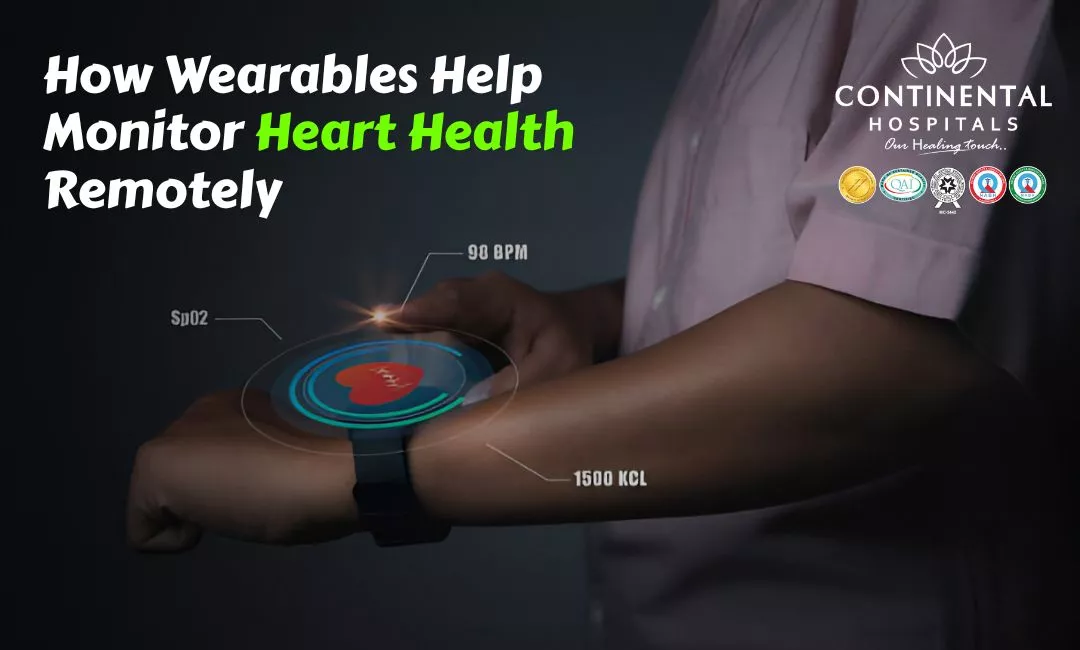
In today's fast-paced world, technology has become an essential part of our daily lives, influencing everything from communication to health management. One of the most groundbreaking innovations in healthcare is the rise of wearable devices. These small gadgets, often worn on the wrist or attached to clothing, are transforming the way we monitor and manage our heart health. Let's explore how these wearables are making it easier to keep track of your heart’s well-being and why choosing the right healthcare provider, like Continental Hospitals, is crucial for your heart health journey.
What Are Wearables?
Wearables are electronic devices designed to be worn on the body, and they often come in the form of smartwatches or fitness trackers. These devices are equipped with sensors that track various health metrics, such as heart rate, steps, sleep patterns, and even stress levels. The most popular wearables today include brands like Apple Watch, Fitbit, Garmin, and Samsung Galaxy Watch.
While these devices are often associated with fitness tracking, they have evolved into powerful health tools, especially for monitoring heart health. They provide real-time data on key heart metrics, which can be a game-changer in preventing and managing heart diseases.
Visit the top cardiologists in Hyderabad at Continental Hospitals for expert evaluation, advanced diagnosis, and personalized heart care from our experienced specialists.
Why Are Wearables Important for Heart Health?
Monitoring your heart health is crucial, especially if you have a pre-existing condition or are at risk for heart disease. Traditional methods of heart health monitoring, such as visiting a doctor’s office for regular check-ups, can sometimes be time-consuming and may not provide continuous insights into your heart's status. This is where wearables shine.
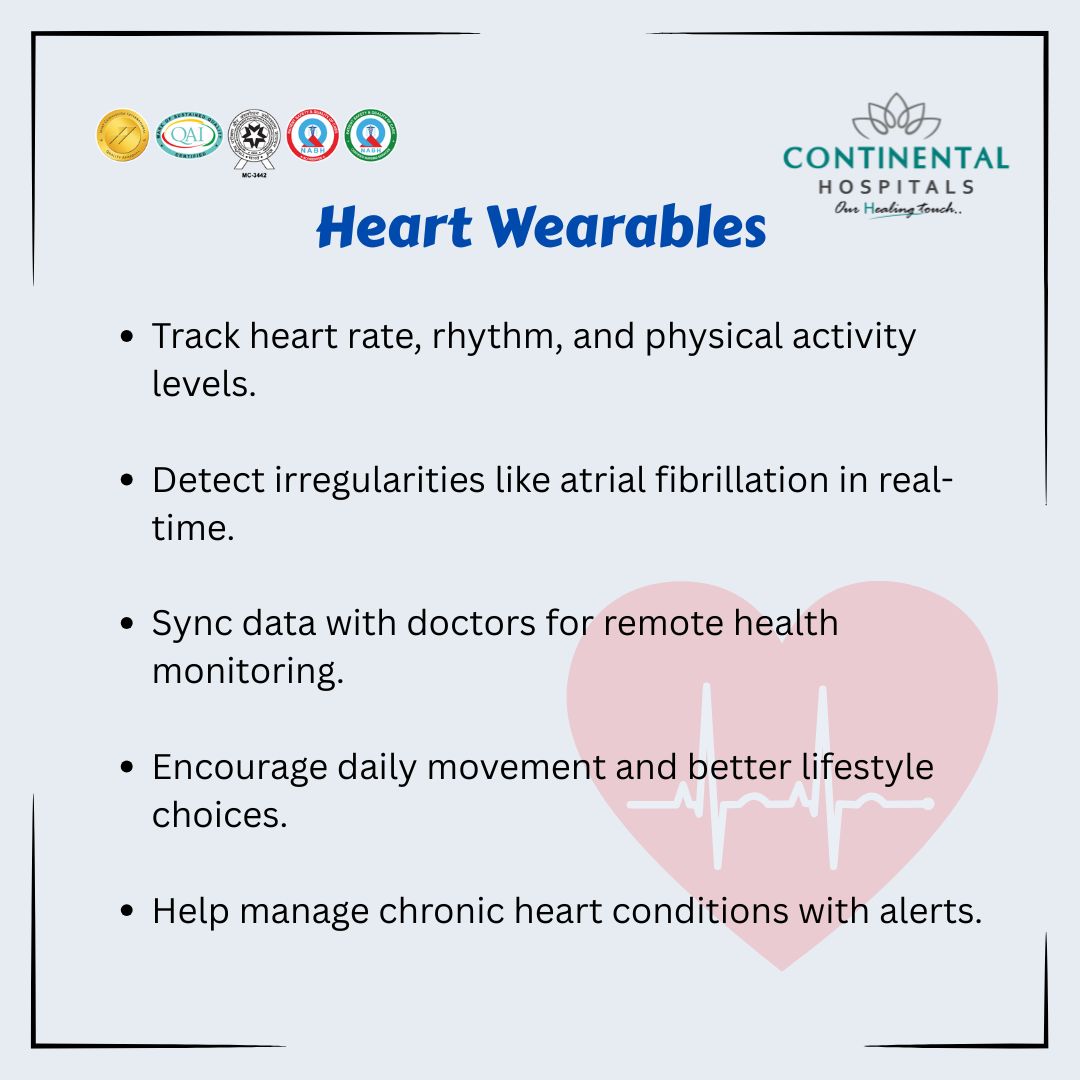
Here are some ways wearables can help monitor heart health remotely:
1. Continuous Heart Rate Monitoring
Wearables like the Apple Watch and Fitbit can continuously monitor your heart rate, providing real-time insights into how your heart is functioning throughout the day. This is especially beneficial for individuals who suffer from irregular heart rhythms, such as arrhythmia. If your heart rate fluctuates beyond a certain threshold, the device can alert you, prompting you to take action and seek medical advice.
2. Tracking Blood Oxygen Levels (SpO2)
Some advanced wearables are equipped with sensors that can measure blood oxygen levels. Oxygen saturation is a crucial indicator of heart and lung health. Low oxygen levels can signal underlying issues like heart failure or respiratory distress. With a wearable that tracks SpO2, you can monitor these levels at home, reducing the need for frequent doctor visits.

3. ECG (Electrocardiogram) Feature
The Apple Watch, for example, includes an ECG feature, which allows users to record an electrocardiogram directly from their wrist. This helps detect abnormal heart rhythms, such as atrial fibrillation (AFib), a common heart condition that can lead to stroke if left untreated. The ability to perform an ECG on the go provides peace of mind and can lead to early intervention when issues are detected.
4. Heart Rate Variability (HRV)
Heart rate variability (HRV) is a measure of the variation in time between each heartbeat. A low HRV is often linked to stress, poor heart health, and even increased risk of cardiovascular disease. Wearables track HRV over time, allowing individuals to monitor their stress levels and overall heart health. If you notice a consistent drop in HRV, it may be time to consult with a healthcare professional.
5. Alerting for Unusual Patterns or Abnormalities
One of the most significant advantages of wearables is their ability to detect unusual patterns or abnormalities in real-time. For example, if your heart rate becomes unusually high or low, or if irregular rhythms are detected, your device will send an alert. This proactive approach enables you to take action early, often before symptoms become severe.
What are the benefits of remote heart monitoring?
The traditional way of monitoring heart health typically involves scheduling appointments with healthcare providers, which can be time-consuming and sometimes inconvenient. Wearables change that by offering continuous, real-time monitoring, enabling both you and your healthcare provider to keep track of your heart health remotely.
1. Convenience and Accessibility
Wearables offer unparalleled convenience. Instead of waiting for an appointment or visiting a clinic, you can monitor your heart health whenever and wherever you are. This is particularly beneficial for individuals who have busy schedules or live in remote areas, making it difficult to access healthcare facilities frequently.
2. Better Prevention and Early Detection
By tracking your heart health continuously, wearables can help detect potential issues long before symptoms appear. For example, by detecting an irregular heart rhythm or abnormal heart rate, wearables provide early warning signs, allowing for prompt medical attention. Early detection leads to better outcomes and often allows for less invasive treatments.
3. Empowerment and Personalization
Wearables provide users with valuable insights into their heart health, allowing them to take charge of their well-being. By analyzing trends and patterns over time, you can make lifestyle adjustments such as improving diet, exercising more, or managing stress more effectively. Wearables also empower healthcare providers to offer more personalized care by having access to real-time data from their patients.
4. Improved Patient-Doctor Communication
Wearables make it easier for patients to share real-time data with their doctors. This creates a more open line of communication and fosters collaborative care. Your doctor can monitor your heart health remotely, making it easier to adjust treatment plans as needed based on the data received.
Why Choose Continental Hospitals for Heart Health?
Continental Hospitals is committed to providing exceptional care for patients with heart conditions. Our team of experienced cardiologists and healthcare professionals is dedicated to ensuring that you receive the best possible treatment and support for your heart health. Here’s why choosing Continental Hospitals is the right decision:
Expert Care – Our cardiologists are highly trained in diagnosing and treating a wide range of heart conditions, from hypertension to heart disease.
Advanced Technology – At Continental Hospitals, we use the latest technology and wearables to provide accurate, real-time monitoring of your heart health. This ensures that we can detect issues early and provide timely interventions.
Personalized Treatment Plans – We understand that every patient is unique. That’s why we offer personalized treatment plans tailored to your specific needs, ensuring the best possible outcomes.
Comprehensive Heart Health Services – From preventive care to advanced treatments, we offer a full spectrum of services to support your heart health. Whether you need a routine check-up or require specialized care, Continental Hospitals has you covered.
Patient-Centred Approach – Your health and well-being are our top priorities. We work with you every step of the way, ensuring that you feel informed, supported, and confident in your heart health journey.
Conclusion
Wearables are revolutionizing how we monitor heart health, offering the convenience of remote, real-time tracking and providing valuable insights into your well-being. These devices allow for early detection, prevention, and personalized care, ultimately improving heart health outcomes.
If you're experiencing symptoms, don't wait—contact our healthcare team at Continental Hospitals today. Visit our Best Cardiology Doctors in Hyderabad
Related Blogs: