post-title

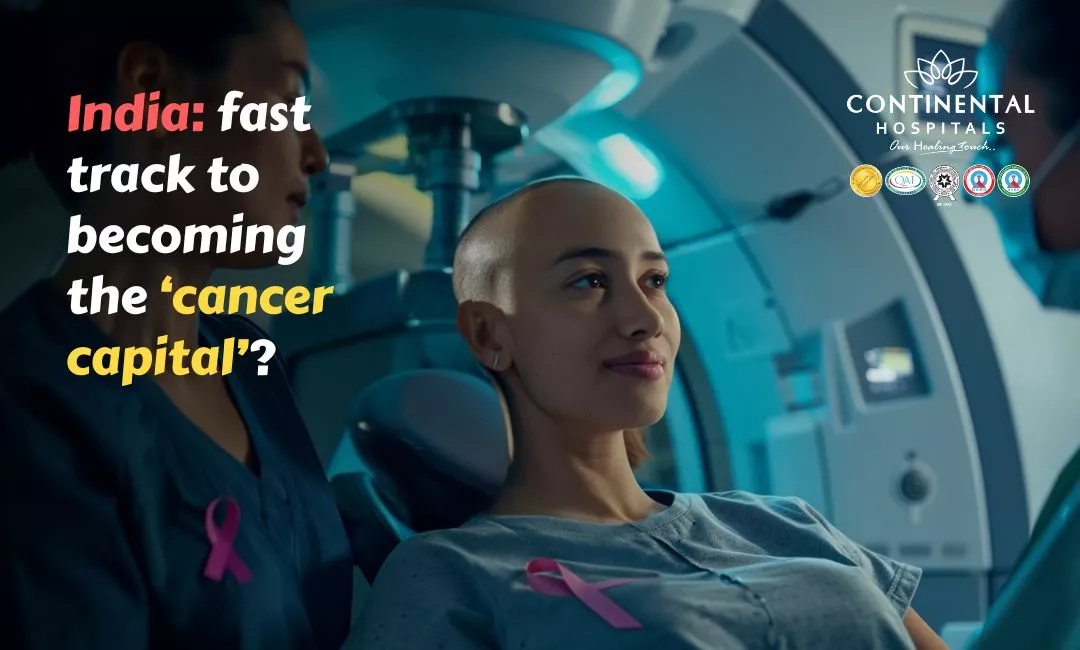
India: fast track to becoming the ‘cancer capital’?

Written by - Editorial Team
Medically Reviewed by - Dr P Jagannath

Cancer is no longer a rare disease in India. It's becoming one of the country’s biggest health crises. In recent years, cancer cases have spiked so sharply that many public health experts are now warning that India is on the fast track to becoming the cancer capital of the world.

Let’s break down what’s really happening, what’s driving this surge, and how hospitals like Continental are stepping up to tackle the challenge.

Why Is Cancer Rising in India?

India's cancer burden is rising faster than the global average. According to India cancer statistics 2025, over 1.5 million new cases are expected every year. What’s more concerning is that many of these are detected late, which affects outcomes and recovery.

So, what’s behind this increase? It’s not just one thing. It’s a mix of cancer risk factors in India that are adding up.
What Are the Key Cancer Risk Factors in India?

Lifestyle Shifts: Urbanization has changed the way Indians live and eat. Sedentary jobs, processed foods, tobacco use, alcohol, and stress are now part of daily life. These are strong triggers for cancers like colon, breast, and oral cancer.

Pollution and Environment: The toxic air in many Indian cities isn't just bad for your lungs. Studies link long-term exposure to air pollution with lung cancer and other health problems.

Tobacco Use: India has one of the world’s highest tobacco-consuming populations. Gutkha, bidi, and cigarette use remain widespread, leading to high rates of oral and throat cancers.

Lack of Awareness: Cancer awareness in India is still low. People often miss early warning signs or dismiss symptoms, which delays diagnosis.

Second Opinion

Infections: Certain cancers in India, like cervical and liver cancer, are driven by infections such as HPV and hepatitis B. These are preventable with vaccines, but access and awareness remain limited.

Healthcare Inequality: Many people in rural areas have limited access to oncology services or cancer screenings. By the time they see a doctor, it’s often too late for effective treatment.

Why Is Cancer Increasing in India?

Let’s look at which cancers are becoming more common in India and who is most at risk.

Breast Cancer: Now the most diagnosed cancer among women in India. Urban women are more likely to develop it, especially over age 40.

Oral and Lung Cancer: Especially high among men, largely linked to tobacco.

Cervical Cancer: A leading cause of death among Indian women, though it is preventable with timely screening.

Colorectal Cancer: Cases are rising among younger adults due to diet and inactivity.

Need an Appointment?

Stomach and Liver Cancers: More frequent in certain regions due to infection, poor food hygiene, and alcohol use.

All of these are part of a concerning shift in cancer trends across the country.

Why Is India Becoming the Cancer Capital?

India’s healthcare system is under pressure. There aren’t enough oncologists or cancer care centers, especially in rural areas. Advanced screening tools are still out of reach for many.

The gap between urban and rural care has widened. While metro cities have world-class hospitals and access to new treatments, most patients in smaller towns are left with limited options.

This healthcare gap, combined with late diagnosis and lifestyle risks, is exactly why India is facing a potential cancer crisis.

How Can Cancer Be Prevented in India?

The truth is, many cancers are preventable or treatable when caught early. Prevention starts with awareness and regular screening.

Here’s what needs to change:

  • Tobacco control laws need to be enforced better
  • Vaccination against HPV and Hepatitis B must become routine
  • Diet and lifestyle changes must be encouraged at the school and community levels
  • Regular screenings for breast, cervical, oral, and colorectal cancer should become more accessible
  • Public education campaigns are critical to improving cancer awareness in India

Why Choose Continental Hospitals for Cancer Care?

Continental Hospitals in Hyderabad is one of the few centres in India equipped to meet this rising cancer challenge with advanced, integrated care. Here's what sets it apart:

Full-spectrum Oncology Services: From early detection to surgery, chemotherapy, radiation, and post-treatment care, everything is under one roof.

Advanced Diagnostic Tools: Accurate and fast diagnosis is crucial for cancer treatment, and Continental offers world-class imaging and lab support.

Multidisciplinary Tumor Boards: Every patient gets a tailored treatment plan reviewed by specialists in medical, surgical, and radiation oncology.

Minimally Invasive Surgeries: For faster recovery and better outcomes.

Holistic Support: Nutrition, counselling, rehabilitation, and palliative care are part of the healing process here.

International Protocols: Treatment at Continental follows global best practices to give patients the most effective, safe care.

Research-Driven Approach: Continuous focus on innovation and newer therapies for better survival and quality of life.

This is not just about treating the disease. It's about redefining cancer care in India with compassion, science, and commitment.

If You Suffer

If you or someone you know is showing signs of unexplained weight loss, persistent fatigue, bleeding, lumps, or pain that won’t go away — don’t ignore it. Early detection is your best shot.

Book a consultation with our expert oncology team at Continental Hospitals. Whether it’s a second opinion, diagnosis, or treatment plan, our team is ready to guide you with experience and care.

Specialist: Best Cancer Specialist in Hyderabad, Continental Hospitals

Conclusion

India is at a turning point. The rising tide of cancer cases can either overwhelm the system or push it to transform. The choice depends on how we respond — as individuals, as healthcare providers, and as a nation.

This blog is written for Continental Hospitals, Hyderabad, a center committed to fighting cancer with cutting-edge care and compassion.

We’re not waiting for cancer to define India’s health story. We’re here to change the ending.

Book a consultation with our best oncologist in Hyderabad at Continental Hospitals, Hyderabad.

Frequently Asked Questions

India is witnessing a steady increase in cancer cases due to multiple lifestyle and environmental factors. Population growth and longer life expectancy mean more people are living into the age groups where cancer is more common. Tobacco use remains one of the biggest causes of preventable cancers. Rising obesity, unhealthy diets, lack of physical activity, and alcohol consumption also contribute to the growing burden. Air pollution and exposure to harmful chemicals may increase cancer risk in some individuals. Better awareness and improved diagnostic facilities are also identifying more cases than before. Many cancers are still detected at advanced stages because people delay seeking medical care. Limited screening in some regions further contributes to late diagnosis. Increasing rates of breast, colorectal, prostate, and thyroid cancers are being observed alongside traditional tobacco related cancers. While the number of cases is rising, many cancers can still be prevented or successfully treated when detected early. Regular health checkups, healthy habits, and timely medical attention remain essential.
Several types of cancer are commonly diagnosed across India, with patterns differing between men and women. Breast cancer is the most common cancer among women. Cervical cancer continues to affect many women, although vaccination and screening can significantly reduce the risk. Oral cancer is highly prevalent due to tobacco chewing and smoking. Lung cancer remains a major concern, especially among smokers and people exposed to air pollution. Colorectal cancer is increasing because of changing dietary habits and sedentary lifestyles. Prostate cancer is becoming more common in older men. Liver and stomach cancers are also seen in certain populations. Blood cancers such as leukemia and lymphoma affect both children and adults. Thyroid cancer diagnoses have increased with improved imaging and awareness. Understanding these common cancers helps encourage timely screening, early diagnosis, and better treatment outcomes.
Cancer develops due to a combination of genetic, environmental, and lifestyle factors. Tobacco use is the leading preventable cause of cancer. Excessive alcohol consumption also increases the risk of several cancers. Obesity and physical inactivity are linked to breast, colorectal, and other cancers. Diets high in processed foods and low in fruits and vegetables may contribute to cancer development. Certain viral infections such as HPV and hepatitis B can increase cancer risk. Long term exposure to ultraviolet radiation raises the likelihood of skin cancer. Air pollution and workplace exposure to harmful chemicals may also play a role. Family history can increase susceptibility to specific cancers, although most cancers are not inherited. Advancing age remains one of the strongest risk factors. Adopting healthy habits and attending regular screenings can significantly lower the overall risk.
Although not all cancers can be prevented, many cases are linked to modifiable lifestyle factors. Avoiding tobacco in all forms is one of the most effective preventive measures. Limiting alcohol consumption can also reduce cancer risk. Maintaining a healthy weight through balanced nutrition and regular exercise supports overall health. Eating plenty of fruits, vegetables, whole grains, and lean proteins provides important nutrients that protect cells. Vaccination against HPV and hepatitis B helps prevent certain cancers. Protecting the skin from excessive sun exposure reduces the risk of skin cancer. Regular health screenings allow early detection of precancerous changes and early stage cancers. Practicing safe workplace habits can minimize exposure to harmful chemicals. Managing chronic infections and medical conditions also contributes to prevention. Healthy lifestyle choices made consistently over time can significantly lower the likelihood of developing many cancers.
Early detection plays a vital role in improving cancer treatment outcomes. Many cancers cause few or no symptoms during their initial stages. Screening tests can identify abnormalities before noticeable symptoms appear. Detecting cancer early often allows for less extensive treatment and better chances of complete recovery. Patients diagnosed at an early stage usually experience higher survival rates. Early treatment may reduce the need for aggressive therapies and improve quality of life. Delayed diagnosis can allow cancer to spread to other organs, making treatment more complex. Regular screening is especially important for individuals with risk factors or a family history of cancer. Paying attention to persistent symptoms and seeking medical evaluation without delay is equally important. Timely diagnosis empowers patients and healthcare teams to make informed treatment decisions and achieve better long term outcomes.
Cancer symptoms vary depending on the affected organ, but some warning signs require prompt medical attention. Unexplained weight loss without changes in diet or activity should be evaluated. Persistent fatigue that does not improve with rest may be a concern. A lump or swelling anywhere in the body should never be ignored. Ongoing pain without a clear cause deserves medical assessment. Persistent cough, hoarseness, or difficulty swallowing may indicate underlying disease. Changes in bowel or bladder habits lasting several weeks should be investigated. Unusual bleeding or discharge is another important warning sign. Non healing sores or ulcers also require evaluation. Changes in the appearance of moles or skin lesions should be examined by a healthcare professional. Although these symptoms do not always indicate cancer, early medical evaluation helps rule out serious conditions and supports timely treatment if needed.
Cancer screening recommendations depend on age, gender, family history, and personal risk factors. Women should discuss breast and cervical cancer screening with their healthcare provider according to recommended age groups. Men may benefit from prostate cancer evaluation based on age and risk. Individuals with a strong family history of cancer may require earlier or more frequent screening. Tobacco users should undergo regular oral examinations and may need additional evaluations depending on their exposure. People with chronic liver disease or viral hepatitis may require liver cancer surveillance. Those with inflammatory bowel disease or inherited conditions may need colorectal screening earlier than average. Screening schedules should always be personalized based on medical history. Regular health checkups help identify the most appropriate tests. Following medical advice for timely screening can lead to earlier diagnosis and improved treatment outcomes.
Anyone experiencing persistent or unexplained symptoms should seek medical advice without unnecessary delay. Symptoms lasting more than a few weeks deserve proper evaluation. A newly discovered lump, abnormal bleeding, or persistent pain should be assessed by a healthcare professional. Individuals with abnormal imaging or laboratory results may require specialist consultation. People with a strong family history of cancer should discuss their personal risk and screening needs with a specialist. Those diagnosed with precancerous conditions should also receive expert guidance. Early consultation allows timely investigations, accurate diagnosis, and appropriate treatment planning. Cancer specialists work closely with multidisciplinary teams to provide comprehensive care tailored to each patient. Prompt medical attention improves the chances of successful treatment and better quality of life. Seeking expert care early should always be considered the safest approach whenever cancer is suspected.
Disclaimer: The information provided in this blog is intended for general knowledge and informational purposes only, and does not constitute medical advice. Always consult with a qualified healthcare professional for any medical concerns or before making any decisions about your health.

Get in Touch With Us

Whether you are from India or abroad, we are here to help you with your medical queries. Please fill out the form below and our team will connect with you shortly.

  • ✔ Quick response from our medical experts
  • ✔ Secure data handling & privacy
  • ✔ Easy upload for reports & documents
banner_image

Chat with our medical experts on WhatsApp for quick assistance and hassle-free appointment booking

Recent Posts